How to Charge a Toyota Hybrid Battery
Charging a Toyota hybrid battery happens automatically during normal driving through regenerative braking and the gas engine. You rarely need to plug it in unless you own a plug-in hybrid model like the Prius Prime or RAV4 Prime. Understanding how the system works helps you maximize battery life and avoid costly repairs.
If you own a Toyota hybrid, you might wonder about charging the battery. The good news? For most models, you don’t need to do anything special. The car handles it all while you drive. But there are nuances worth knowing. Whether you drive a Camry Hybrid, a Prius, or a plug-in RAV4 Prime, understanding your battery system saves money and headaches down the road.
I’ve talked with many hybrid owners who worry about “charging” their battery like a phone. They look for a charging port that doesn’t exist on standard models. Others with plug-in hybrids aren’t sure how often to plug in or what happens if they don’t. Let’s clear up the confusion and walk through everything you need to know about keeping your Toyota hybrid battery happy and healthy.
Key Takeaways
- Standard hybrids charge automatically: No external charging needed for regular Toyota hybrids like the Camry Hybrid or standard Prius.
- Plug-in hybrids need external charging: Models like the Prius Prime and RAV4 Prime require plugging in for full electric range.
- Regenerative braking is key: Every time you brake or coast, energy goes back into the hybrid battery pack.
- The 12-volt battery matters too: A weak auxiliary battery can prevent the hybrid system from starting even if the main pack is fine.
- Extreme temperatures affect performance: Very hot or cold weather can reduce battery efficiency and charging speed.
- Warning lights mean see a pro: Red triangle or hybrid system warnings require dealer or certified hybrid technician diagnosis.
- Regular driving maintains health: Letting a hybrid sit for months can degrade the high-voltage battery over time.
📑 Table of Contents
- Understanding Your Toyota Hybrid Battery System
- How Standard Toyota Hybrids Charge While You Drive
- Charging Plug-In Hybrid Models (Prius Prime, RAV4 Prime)
- Maintaining Battery Health for the Long Haul
- Common Charging Myths and Mistakes
- When to Seek Professional Help
- Real-World Charging Scenarios
- Conclusion
Understanding Your Toyota Hybrid Battery System
Toyota hybrids use two distinct battery systems. Knowing the difference is the first step to understanding how charging works.
The High-Voltage Traction Battery
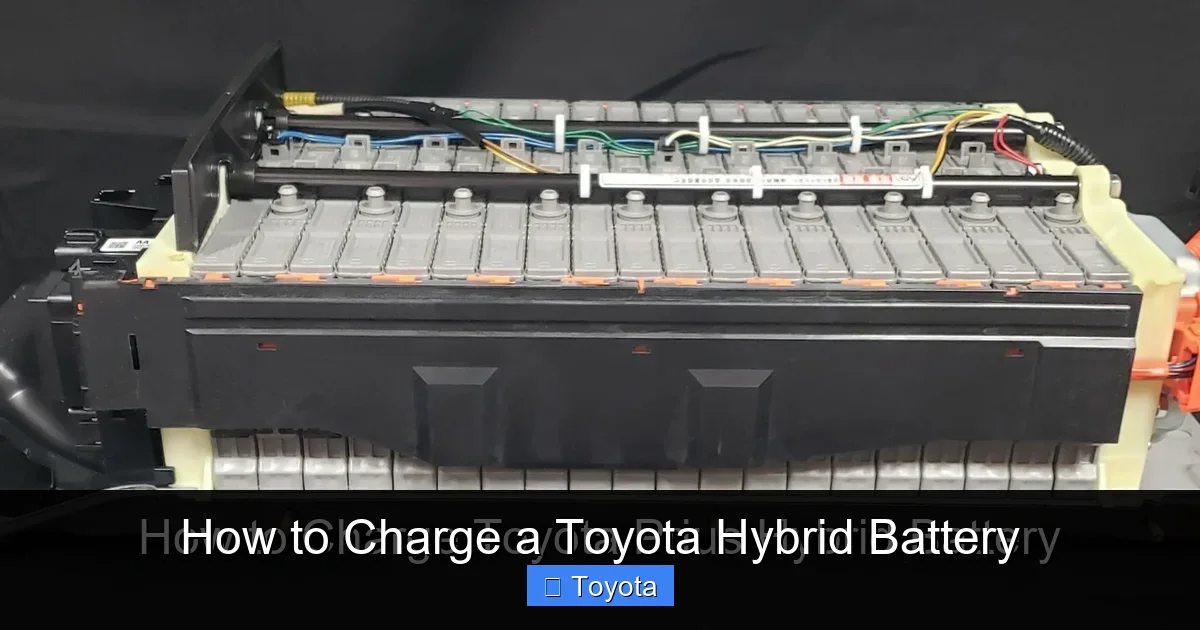
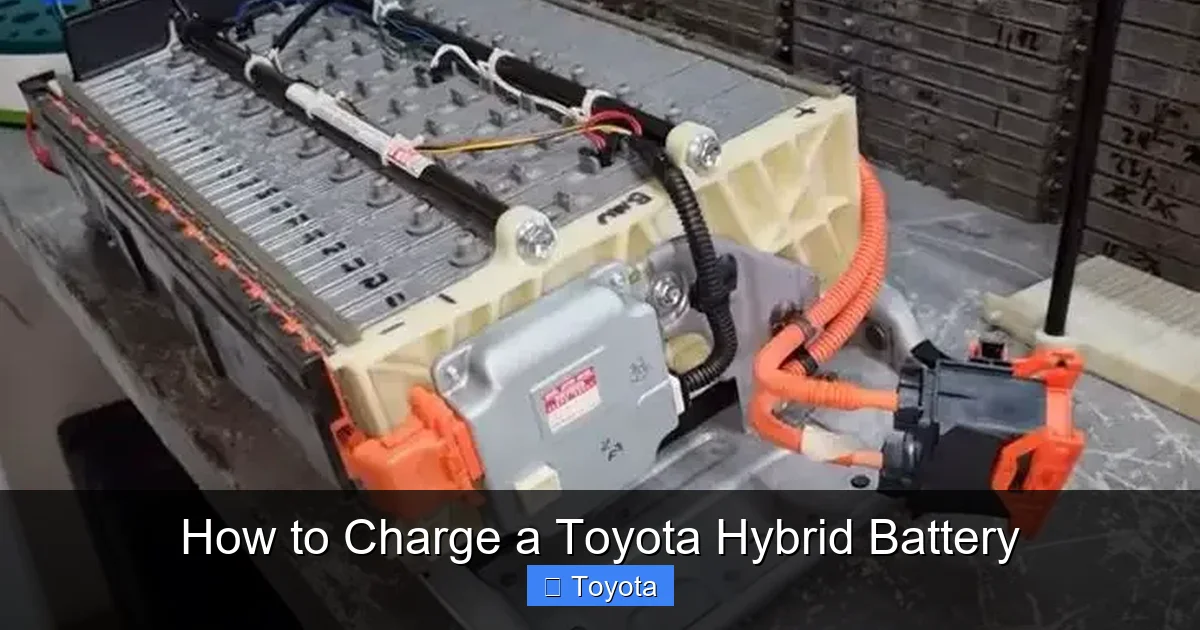
This is the big battery pack that powers the electric motor. It’s usually nickel-metal hydride (NiMH) in older models or lithium-ion in newer ones like the Prius Prime. Voltage ranges from 200 to 650 volts depending on the model. This battery never gets plugged in on standard hybrids. It charges through regenerative braking and the gasoline engine acting as a generator.
The traction battery sits in a protected area, often under the rear seats or in the trunk floor. Toyota designs these packs to last the life of the vehicle. Many go 200,000 miles or more. The battery management system constantly monitors cell temperature, voltage, and state of charge to prevent damage.
The 12-Volt Auxiliary Battery
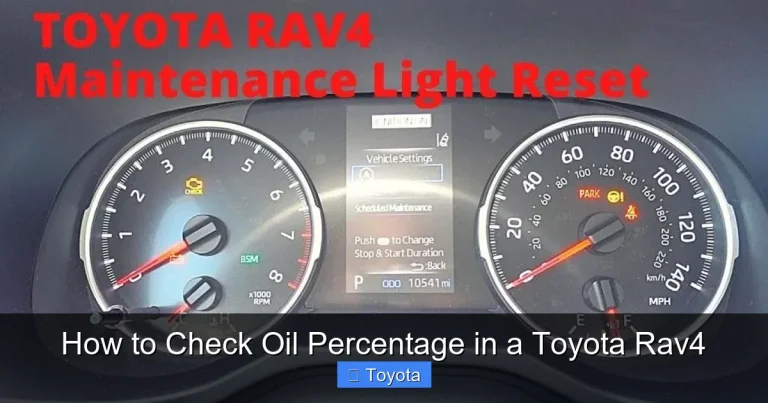
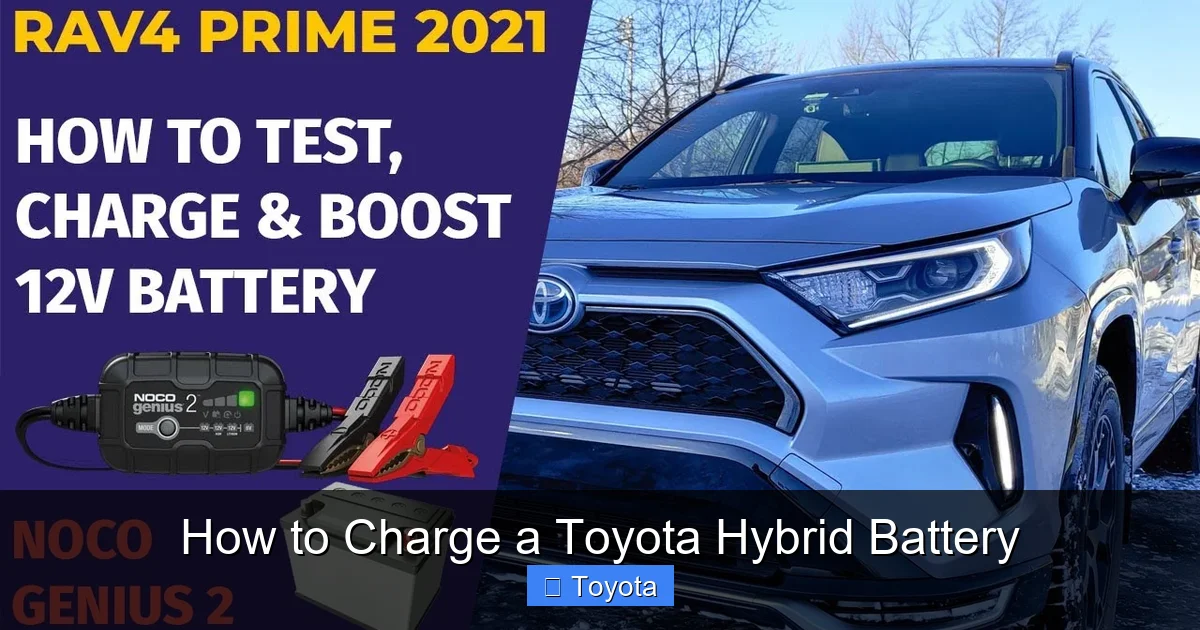
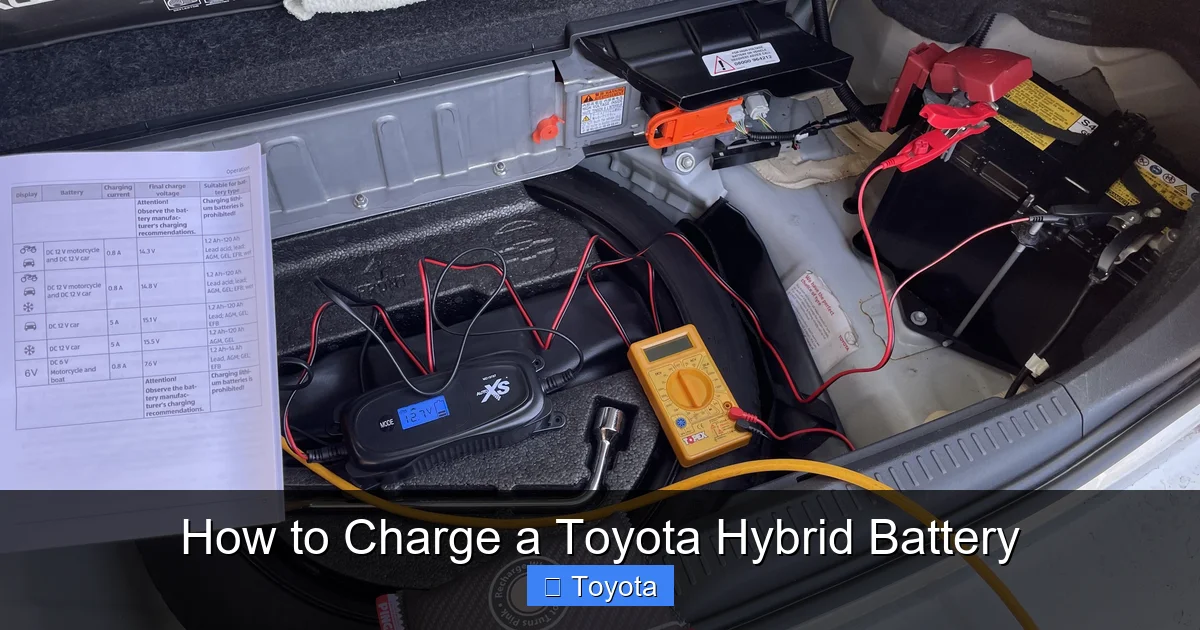
Every Toyota hybrid also has a regular 12-volt lead-acid or AGM battery, just like a conventional car. This little battery runs the lights, radio, door locks, and most importantly — the computers that wake up the hybrid system. If this battery dies, the car won’t “start” even if the big traction battery is fully charged.
This is a common surprise for new hybrid owners. You turn the key (or press the button), and nothing happens. No engine crank, no ready light. The dash might light up, but the hybrid system stays asleep. The fix? Jump-start the 12-volt battery or replace it. This battery typically lasts 3-5 years, similar to regular cars.
How Standard Toyota Hybrids Charge While You Drive
If you drive a regular Camry Hybrid, Corolla Hybrid, Highlander Hybrid, or standard Prius, you never plug in. Ever. The charging happens automatically through two main methods.
Visual guide about How to Charge a Toyota Hybrid Battery
Image source: thepowerfacts.com
Regenerative Braking Explained Simply
When you lift off the accelerator or press the brake pedal, the electric motor switches roles. It becomes a generator. The wheels spin the motor, creating electricity that flows back into the traction battery. This slows the car down — that’s the “braking” part — and charges the battery at the same time.
You’ll see this on your energy monitor display. Arrows flow from the wheels to the battery. It works best in stop-and-go traffic or on long downhill stretches. Gentle, early braking captures more energy than hard, late braking. The friction brakes only engage when you need more stopping power than regeneration provides.
Engine-Generated Charging
The gasoline engine also charges the battery. When the traction battery drops below a certain level — usually around 40-50% state of charge — the engine runs to generate electricity. This happens while driving or sometimes while idling at a stoplight. You might notice the engine running when the car is stationary. That’s normal. It’s topping up the battery or warming up the catalytic converter.
The system aims to keep the battery in a “sweet spot” — typically 40-80% charge. This maximizes battery life. Deep discharges and constant 100% charges stress the cells. Toyota’s battery management software handles all this automatically. You just drive.
Charging Plug-In Hybrid Models (Prius Prime, RAV4 Prime)
Toyota’s plug-in hybrids work differently. They have larger battery packs — 13.6 kWh in the Prius Prime, 18.1 kWh in the RAV4 Prime — that you can charge from an external power source. This gives you 25-42 miles of pure electric range before the gas engine kicks in.
Visual guide about How to Charge a Toyota Hybrid Battery
Image source: diycarexpert.com
Level 1 Charging at Home
Every plug-in Toyota comes with a charging cable that plugs into a standard 120-volt household outlet. This is Level 1 charging. It’s slow — about 5.5 hours for a full charge on the Prius Prime, 12 hours on the RAV4 Prime. But it requires no special installation. Just plug into any grounded outlet, preferably on a dedicated circuit.
Level 1 works fine for overnight charging. If you drive 30 miles a day, you’ll wake up to a full battery every morning. The cable has a control box with status lights. Green means charging. Blinking green means delayed charging (timer set). Red means a fault — check the outlet or cable.
Level 2 Charging for Speed
For faster charging, you can install a 240-volt Level 2 charger at home or use public stations. This cuts charge time to about 2 hours for the Prius Prime and 2.5 hours for the RAV4 Prime. Toyota uses the J1772 connector standard, compatible with virtually all public Level 2 stations.
Many utilities offer rebates for home charger installation. Some workplaces provide free charging. Apps like PlugShare or ChargePoint help you find stations. The car’s navigation system also shows nearby chargers. You can set charging schedules to take advantage of off-peak electricity rates.
What Happens If You Don’t Plug In
Here’s the beautiful thing about plug-in hybrids: they’re still hybrids. If you never plug in, the car operates like a regular Prius or RAV4 Hybrid. The gas engine and regenerative braking keep the battery in its hybrid operating range. You just don’t get the extended electric-only range.
Many plug-in owners charge at home during the week but skip charging on road trips. The flexibility is the whole point. You get electric driving when convenient, gas backup when needed. No range anxiety, no mandatory charging stops.
Maintaining Battery Health for the Long Haul
Toyota hybrid batteries are famously durable. But a few habits can extend their life even further — or shorten it if ignored.
Visual guide about How to Charge a Toyota Hybrid Battery
Image source: toyotaowners.b-cdn.net
Drive Regularly
Hybrid batteries hate sitting. If a car sits for months, the traction battery can self-discharge to a critically low level. The 12-volt battery will die even faster. If you must store the car, start it every 2-3 weeks and let it run in Ready mode for 20-30 minutes. Or use a battery maintainer on the 12-volt battery. Some owners disconnect the 12-volt negative terminal for very long storage.
Manage Temperature Extremes
Heat is the enemy of battery chemistry. Toyota’s cooling systems (forced air or liquid) do a great job, but you can help. Park in shade or garages when possible. In extreme heat, the battery fan runs more aggressively — you might hear it after parking. That’s normal. In bitter cold, the battery has reduced capacity and accepts charge more slowly. The car limits regenerative braking until the pack warms up. This is why winter MPG drops.
If you live in a very hot climate, consider how to maintain a car battery in cold weather principles apply to the 12-volt battery too. Both batteries suffer in temperature extremes.
Keep the Cooling System Clean
Most Toyota hybrids pull cabin air through a filter to cool the traction battery. The intake is usually behind the rear seat or in the rear cargo area. If this gets clogged with pet hair, dust, or debris, the battery runs hotter. Check your owner’s manual for the filter location and clean or replace it periodically. A shop vac works great for this.
Watch for Warning Signs
The car tells you when something’s wrong. A red triangle master warning light with “Check Hybrid System” means immediate attention needed. A yellow “Check Engine” light could be hybrid-related or not. Reduced MPG, the engine running more than usual, or the battery fan running loudly and constantly are subtle clues. If you suspect an issue, how to diagnose a car battery problem can help you understand the 12-volt side, but high-voltage diagnosis requires special tools.
Common Charging Myths and Mistakes
Let’s bust some persistent myths that cause unnecessary worry or expense.
Myth: You Must Fully Discharge Before Charging
This comes from old nickel-cadmium battery memory effect. It doesn’t apply to NiMH or lithium-ion. Toyota’s battery management system prevents deep discharge anyway. The car won’t let you drain the traction battery to zero. Keeping it between 40-80% is actually ideal. Plug-in hybrids are fine to charge at any state of charge.
Myth: Fast Charging Damages the Battery
Toyota plug-in hybrids don’t support DC fast charging (CHAdeMO or CCS). They only do Level 1 and Level 2 AC charging. The onboard charger limits current to what the battery can safely accept. The battery management system controls everything. You can’t “overcharge” or charge too fast with the factory equipment.
Myth: Aftermarket Reconditioning Saves Dead Packs
You’ll see services offering to “recondition” or “rebalance” hybrid battery packs for a fraction of replacement cost. Sometimes this works temporarily on NiMH packs with weak cells. But it’s a band-aid. The fundamental chemistry degradation remains. For a daily driver you plan to keep, a new or remanufactured pack with a warranty is the smarter investment.
Myth: You Can Jump-Start the High-Voltage Battery
Never attempt to jump-start or charge the traction battery directly. The voltages are lethal. The orange cables carry high voltage. Only the 12-volt battery gets jumped. If the traction battery is truly dead (extremely rare), the car needs a dealer with a specialized charger. This usually only happens after years of storage or a major system fault.
When to Seek Professional Help
Some hybrid battery issues are DIY-friendly. Others absolutely require a pro.
DIY Territory
Replacing the 12-volt battery is straightforward on most models. Cleaning the battery cooling intake filter is easy. Checking the charge cable for damage on plug-in models is simple. Resetting the system by disconnecting the 12-volt battery for 10 minutes can clear minor glitches.
Leave It to the Pros
Any high-voltage system work requires insulated tools, PPE, and specific training. This includes: traction battery replacement, inverter/converter service, orange cable repairs, battery ECU programming, and coolant service on liquid-cooled packs. Toyota dealers and certified hybrid specialists have the scan tools to read battery block voltages, internal resistance, and temperature histories. This data tells the real story.
If you see the red triangle warning, don’t guess. The car logs fault codes that pinpoint the issue. A generic OBD2 scanner might show “P0A80 Replace Hybrid Battery Pack” but can’t tell you which module or why. The dealer’s Techstream software can. Sometimes it’s one bad module. Sometimes it’s the whole pack. Sometimes it’s a sensor or wiring issue. Proper diagnosis saves thousands.
Warranty Coverage
Toyota warrants the hybrid battery for 8 years/100,000 miles (10 years/150,000 miles in CARB states like California). The plug-in battery gets 10 years/150,000 miles everywhere. If you’re within warranty, go to the dealer. Period. Even out of warranty, dealers sometimes offer goodwill assistance on known issues. It never hurts to ask nicely with records showing regular maintenance.
Real-World Charging Scenarios
Let’s walk through a few common situations you might face.
Scenario 1: Dead 12-Volt Battery in a Parking Lot
You return to your 2018 Camry Hybrid after a week away. Press the start button — dash lights flicker, but no “Ready” indicator. The traction battery is fine. The 12-volt is dead. Pop the hood. There’s a jump-start terminal under a red cover marked with a plus sign. Connect jumper cables there and to a good battery. Positive to positive. Negative to a clean metal ground point on the engine, not the dead battery. Start the donor car. Press your brake and start button. The hybrid system should wake up. Drive for 30+ minutes to recharge the 12-volt. Plan to replace it soon.
Scenario 2: First Time Charging a RAV4 Prime
You just brought home a new RAV4 Prime. Open the charge port door on the rear quarter panel. Grab the included cable. Plug the wall end into a 120V outlet. The car beeps. The charge port light pulses green. The dash shows estimated charge time. You set a departure timer for 7 AM using the touchscreen so it finishes charging right before you leave. This preconditions the battery and cabin using wall power, not battery power. Smart.
Scenario 3: Reduced Range on a 10-Year-Old Prius
Your 2014 Prius used to show 50 MPG. Now it’s 42. The engine runs more. The battery bars drop faster on hills. The fan runs loud. You’re not imagining it. The NiMH pack has lost capacity. Individual modules have weakened. A dealer can run a battery health test. If it’s just one or two bad modules, some shops replace only those. But at 10 years, a full remanufactured pack with warranty often makes more sense. Budget $1,500-$2,500 installed.
Conclusion
Charging a Toyota hybrid battery isn’t something you actively do on most models — it’s something the car does for you while you drive. The magic of Toyota’s hybrid system is its simplicity for the driver. Brake, coast, drive normally. The battery manages itself.
For plug-in owners, charging becomes a simple habit. Plug in when you park at home. Unplug when you leave. The car handles the rest. Whether you have a standard hybrid or a plug-in, the keys to long battery life are straightforward: drive regularly, avoid extreme temperatures when you can, keep the cooling intake clean, and pay attention to warning lights.
The 12-volt battery is the unsung hero — and the most common cause of “my hybrid won’t start” moments. Treat it like any car battery. Replace it proactively every 4-5 years.
If you ever face a high-voltage battery issue, don’t panic. These packs are incredibly robust. When they do fail, it’s usually gradual, giving you plenty of warning. And with Toyota’s long warranty coverage, many owners never pay a dime for traction battery replacement.
Your hybrid is engineered to make battery management invisible. Trust the system. Drive the car. Enjoy the fuel savings. That’s the whole point.
Frequently Asked Questions
Do I need to plug in my Toyota Camry Hybrid to charge the battery?
No, standard Toyota hybrids like the Camry Hybrid charge automatically through regenerative braking and the gasoline engine. You never need to plug them in.
How long does it take to charge a Toyota Prius Prime?
A Prius Prime takes about 5.5 hours on a standard 120V household outlet (Level 1) or roughly 2 hours on a 240V Level 2 charger.
Can I jump-start a Toyota hybrid if the battery dies?
You can jump-start the 12-volt auxiliary battery using the jump terminal under the hood. Never attempt to jump the high-voltage traction battery — it’s dangerous and unnecessary.
What happens if I don’t charge my plug-in hybrid?
The car simply operates as a regular hybrid. You’ll still get excellent fuel economy, but you won’t have the extended electric-only driving range.
How do I know if my hybrid battery needs replacement?
Watch for reduced fuel economy, the gas engine running more frequently, battery charge bars fluctuating rapidly, loud cooling fan operation, or a red triangle warning light on the dash.
Does cold weather affect hybrid battery charging?
Yes, cold temperatures reduce battery capacity and slow charging rates. The car may limit regenerative braking until the battery warms up, which is normal behavior.