Does a Lift Kit Void Toyota Warranty?
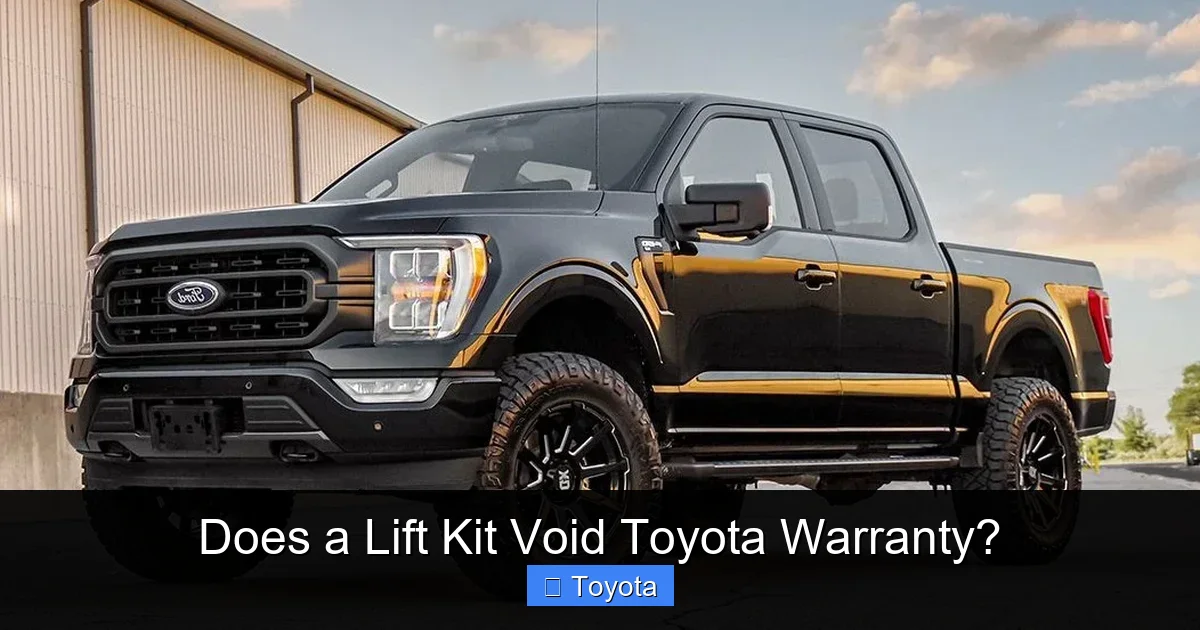
Does a lift kit void Toyota’s warranty? Not necessarily. While some modifications can affect coverage, Toyota’s warranty terms depend on specific factors like installation quality and the type of lift kit used. Always check with Toyota directly to avoid surprises.
Does a lift kit void Toyota’s warranty? This is a question that many Toyota owners ask, especially those looking to enhance their vehicle’s performance or style. The answer isn’t a simple yes or no. Toyota’s warranty policies are designed to protect consumers, but they also have strict guidelines about modifications. Understanding how lift kits interact with these policies is crucial to avoid losing coverage.
A lift kit is a modification that raises a vehicle’s ride height, often for off-road use or aesthetic purposes. While some people assume that any aftermarket modification automatically voids a warranty, the reality is more nuanced. Toyota’s warranty terms depend on several factors, including the type of lift kit, how it’s installed, and whether it affects the vehicle’s safety or functionality.
The confusion around lift kits and warranties often stems from misunderstandings about what constitutes a “voidable” modification. Toyota’s official warranty documentation doesn’t explicitly state that lift kits are prohibited, but it does emphasize that modifications must not compromise the vehicle’s original design or safety features. This means that a poorly installed or incompatible lift kit could potentially void the warranty, but a well-executed one might not.
In this article, we’ll explore the details of how lift kits interact with Toyota’s warranty, what factors determine whether coverage is affected, and how you can protect your investment. We’ll also address common myths and provide practical advice for Toyota owners considering a lift kit.
—
Key Takeaways
- Toyota’s warranty terms vary: Not all lift kits automatically void the warranty; it depends on how the modification is installed and whether it’s deemed unsafe.
- Aftermarket kits vs. factory parts: Using aftermarket lift kits may increase the risk of voiding, especially if they’re low-quality or improperly installed.
- Professional installation matters: A certified technician installing the lift kit reduces the chance of warranty issues compared to DIY attempts.
- Toyota’s official stance: Toyota often allows modifications if they don’t compromise safety or functionality, but this isn’t guaranteed.
- Warranty voidance is not automatic: You’ll need to prove the lift kit caused damage or safety issues to void the warranty.
- Check your specific model: Some Toyota models may have stricter rules about modifications affecting warranty coverage.
📑 Table of Contents
- What Is a Lift Kit and Why Do People Install It?
- How Lift Kits Affect Toyota’s Warranty
- Factors That Determine Whether a Lift Kit Voids the Warranty
- Toyota’s Official Stance on Lift Kits and Warranty
- Real-Life Scenarios: When Lift Kits Do or Don’t Void Warranty
- Tips to Protect Your Toyota Warranty When Installing a Lift Kit
- Conclusion: Making an Informed Decision
What Is a Lift Kit and Why Do People Install It?
An lift kit is a set of components designed to raise a vehicle’s suspension, increasing its ground clearance. This modification is popular among off-road enthusiasts, truck owners, and those who want a more aggressive look. Lift kits come in various types, including body lift kits, suspension lift kits, and air lift kits, each with different levels of complexity and impact on the vehicle.
For Toyota owners, lift kits are often seen as a way to improve performance, especially for models like the Tacoma or Tundra, which are frequently used for off-road adventures. However, the decision to install a lift kit should not be made lightly, as it can have implications for the vehicle’s warranty.
The primary purpose of a lift kit is to enhance the vehicle’s ability to navigate rough terrain. By raising the suspension, the vehicle can avoid obstacles more easily, which is particularly useful for drivers who frequently travel on unpaved roads. Additionally, some people install lift kits for aesthetic reasons, as they can give a vehicle a more rugged or stylish appearance.
It’s important to note that lift kits are not one-size-fits-all. The type of lift kit you choose can significantly affect how it interacts with your Toyota’s warranty. For example, a body lift kit, which only raises the body of the vehicle without modifying the suspension, is less likely to cause issues than a suspension lift kit, which alters the vehicle’s mechanical components.
—
How Lift Kits Affect Toyota’s Warranty
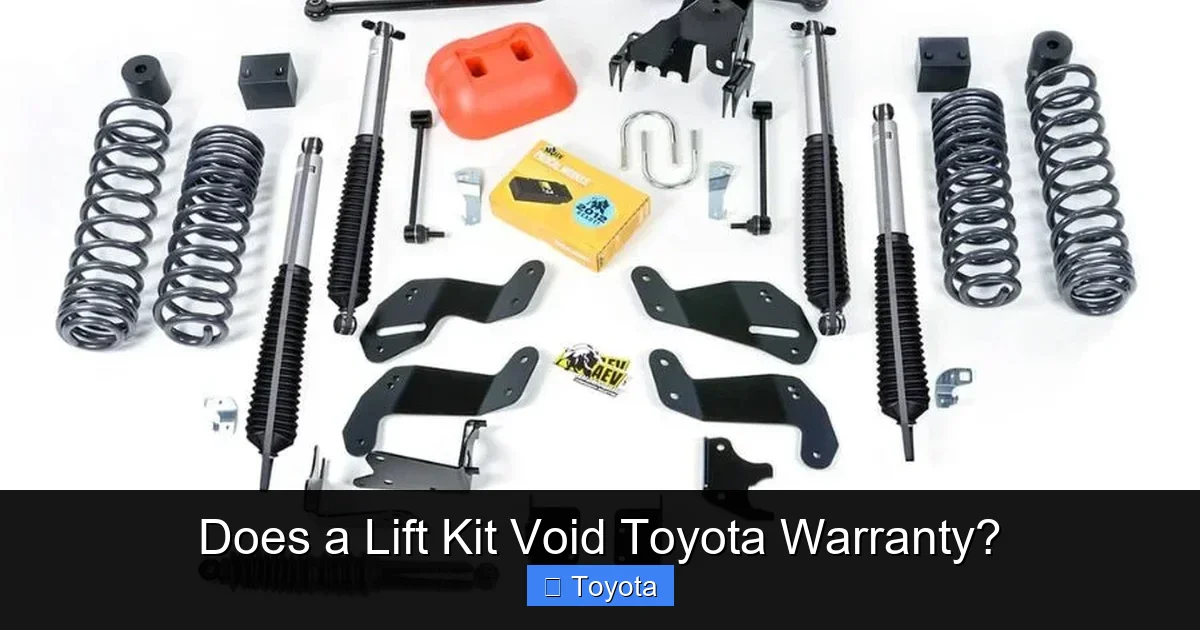
Visual guide about Does a Lift Kit Void Toyota Warranty?
Image source: aautomotives.com
The relationship between lift kits and Toyota’s warranty is not straightforward. While some modifications are explicitly excluded from warranty coverage, others may be permitted under certain conditions. The key factor is whether the lift kit compromises the vehicle’s original design or safety features.
Toyota’s warranty is divided into two main categories: the bumper-to-bumper warranty and the powertrain warranty. The bumper-to-bumper warranty covers most parts of the vehicle, while the powertrain warranty focuses on the engine, transmission, and other drivetrain components. A lift kit could potentially affect either of these warranties, depending on how it’s installed and what parts it modifies.
One common misconception is that any aftermarket modification automatically voids the warranty. In reality, Toyota’s warranty terms state that modifications are only considered voiding if they are deemed unsafe or if they cause damage to the vehicle. This means that a lift kit installed by a certified technician using high-quality parts is less likely to void the warranty than one installed improperly or with substandard components.
Another factor to consider is the type of lift kit. For instance, a suspension lift kit that alters the vehicle’s suspension geometry could potentially affect the alignment or handling, which might be considered a safety issue. On the other hand, a body lift kit, which doesn’t change the suspension, is less likely to have such an impact.
It’s also worth noting that Toyota may require proof of proper installation when a claim is made. If a lift kit is suspected of causing damage, the manufacturer might ask for documentation showing that the kit was installed correctly. This is where professional installation becomes critical.
—
Factors That Determine Whether a Lift Kit Voids the Warranty
Visual guide about Does a Lift Kit Void Toyota Warranty?
Image source: aautomotives.com
Several factors influence whether a lift kit will void Toyota’s warranty. Understanding these factors can help you make an informed decision and avoid potential issues.
1. Quality of the Lift Kit: The quality of the lift kit plays a significant role. High-quality, aftermarket lift kits from reputable brands are less likely to cause problems than low-cost, poorly made kits. A well-designed lift kit that meets or exceeds Toyota’s specifications is more likely to be accepted under warranty.
2. Installation Method: How the lift kit is installed is another critical factor. A certified technician who follows Toyota’s guidelines for installation is more likely to ensure that the modification doesn’t compromise the vehicle’s safety or functionality. DIY installations, on the other hand, carry a higher risk of errors that could lead to warranty issues.
3. Compatibility with Toyota’s Design: Not all lift kits are compatible with every Toyota model. Some kits may not fit properly or may require modifications to the vehicle’s original components. If a lift kit is not designed for your specific Toyota model, it could lead to mechanical issues that might be covered under warranty.
4. Impact on Safety and Functionality: If the lift kit affects the vehicle’s safety features, such as airbags or anti-lock brakes, it could void the warranty. For example, a lift kit that raises the vehicle too high might interfere with the deployment of airbags, which is a serious safety concern.
5. Warranty Terms and Conditions: Toyota’s warranty terms can vary by region and model. It’s essential to review your specific warranty documentation or contact Toyota directly to understand what modifications are allowed. Some models may have stricter rules regarding aftermarket modifications.
—
Toyota’s Official Stance on Lift Kits and Warranty
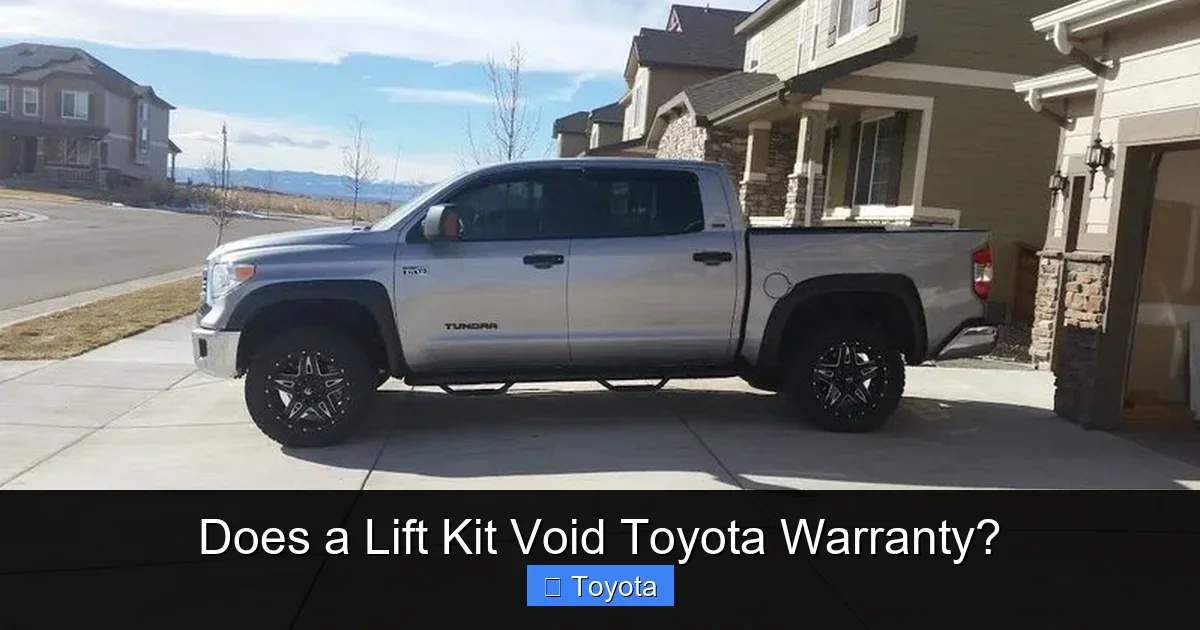
Visual guide about Does a Lift Kit Void Toyota Warranty?
Image source: aautomotives.com
Toyota’s official position on lift kits and warranty coverage is not always clear-cut. The company’s warranty policies are designed to protect consumers, but they also have strict guidelines about modifications. According to Toyota’s warranty documentation, modifications that are not approved by the manufacturer may void the warranty. However, this doesn’t necessarily mean that all lift kits are prohibited.
Toyota’s stance is that modifications should not compromise the vehicle’s original design or safety features. If a lift kit is installed in a way that meets these criteria, it may not void the warranty. However, if the lift kit is considered a “modification that alters the vehicle’s original specifications,” Toyota may refuse to cover any related damage.
It’s important to note that Toyota may require you to prove that the lift kit was installed correctly and that it didn’t cause any damage. This can involve providing documentation from a certified installer or demonstrating that the lift kit was compatible with your vehicle.
In some cases, Toyota may offer a limited warranty on the lift kit itself, but this is not always the case. If you’re considering a lift kit, it’s advisable to check with Toyota directly to understand what is covered and what is not.
—
Real-Life Scenarios: When Lift Kits Do or Don’t Void Warranty
To better understand how lift kits interact with Toyota’s warranty, let’s look at some real-life scenarios.
**Scenario 1: A Properly Installed Lift Kit**
A Toyota owner installs a high-quality suspension lift kit from a reputable brand, using a certified technician. The lift kit is compatible with the vehicle’s specifications and is installed according to Toyota’s guidelines. In this case, the lift kit is unlikely to void the warranty, especially if no damage occurs.
**Scenario 2: A Poorly Installed Lift Kit**
Another owner installs a low-cost, aftermarket lift kit without professional help. The installation is rushed, and the kit is not properly aligned with the vehicle’s suspension. Over time, this leads to mechanical issues, such as worn-out components or improper handling. In this case, Toyota may void the warranty, as the lift kit is considered a modification that compromised the vehicle’s safety or functionality.
**Scenario 3: A Body Lift Kit with No Safety Issues**
A third owner installs a body lift kit, which only raises the vehicle’s body without altering the suspension. The kit is installed correctly, and there are no safety concerns. Since the body lift kit doesn’t affect the vehicle’s mechanical components, it is less likely to void the warranty.
These examples highlight the importance of quality, proper installation, and compatibility when considering a lift kit.
—
Tips to Protect Your Toyota Warranty When Installing a Lift Kit
If you’re determined to install a lift kit on your Toyota, there are steps you can take to minimize the risk of voiding the warranty.
1. Choose a Reputable Lift Kit Brand: Opt for lift kits from well-known manufacturers that are known for quality and compatibility. Brands like Rough Country, FabTech, and Skyjacker are often recommended for their reliability.
2. Use a Certified Technician: Always have the lift kit installed by a certified technician who is familiar with Toyota vehicles. This ensures that the installation meets Toyota’s standards and reduces the risk of errors.
3. Document the Installation: Keep records of the installation process, including receipts, photos, and any documentation from the technician. This can be useful if you need to make a warranty claim in the future.
4. Check Toyota’s Warranty Terms: Review your specific warranty documentation or contact Toyota directly to understand what modifications are allowed. Some models may have different rules, so it’s essential to be informed.
5. Avoid Over-Modifying: Stick to the lift kit’s intended use. Avoid making additional modifications that could further complicate the vehicle’s warranty status.
—
Conclusion: Making an Informed Decision
In conclusion, a lift kit does not automatically void Toyota’s warranty. The outcome depends on several factors, including the quality of the lift kit, how it’s installed, and whether it affects the vehicle’s safety or functionality. While there are risks involved, a properly installed lift kit from a reputable brand is less likely to cause issues.
Toyota’s warranty policies are designed to protect consumers, but they also require that modifications be safe and compatible with the vehicle’s original design. By understanding these guidelines and taking the necessary precautions, Toyota owners can enjoy the benefits of a lift kit without compromising their warranty coverage.
If you’re considering a lift kit, it’s crucial to do your research, choose a reliable product, and work with a certified professional. This approach not only helps protect your warranty but also ensures that your vehicle remains safe and reliable.
—
Frequently Asked Questions
Does a lift kit void Toyota’s warranty for all models?
Not necessarily. Toyota’s warranty terms vary by model and region. Some models may have stricter rules, but a lift kit installed properly and safely is less likely to void the warranty.
Can I install a lift kit myself without voiding the warranty?
While it’s possible, DIY installations carry a higher risk of errors that could lead to warranty issues. It’s generally safer to have a certified technician handle the installation.
What type of lift kit is safest for my Toyota?
Body lift kits are generally safer because they don’t alter the suspension. However, suspension lift kits can be safe if installed by a professional using high-quality parts.
How can I check if my lift kit is compatible with my Toyota?
Consult the lift kit manufacturer’s guidelines and ensure the kit is designed for your specific Toyota model. You can also contact Toyota directly for confirmation.
Will Toyota cover damage caused by a lift kit?
Only if the lift kit was installed correctly and didn’t compromise the vehicle’s safety or functionality. If the lift kit is deemed unsafe, Toyota may refuse coverage.
Should I inform Toyota if I install a lift kit?
It’s a good idea to inform Toyota or your dealership about any modifications. This can help avoid surprises if you need to make a warranty claim in the future.