How Long Do Toyota Tpms Sensors Last?
Toyota TPMS sensors typically last 5-7 years or 100,000-150,000 miles, depending on driving conditions and battery life. Regular maintenance and timely replacements ensure optimal tire pressure monitoring and safety.
If you’ve ever wondered, “How long do Toyota TPMS sensors last?” you’re not alone. These small but critical components monitor your tire pressure to keep you safe on the road. But like any vehicle part, they don’t last forever. Understanding their lifespan, signs of wear, and replacement costs can save you time, money, and headaches down the road.
Toyota TPMS (Tire Pressure Monitoring System) sensors are designed to alert you when your tires are underinflated. They’re built to last, but factors like driving habits, weather, and maintenance play a big role in their longevity. In this article, we’ll break down everything you need to know about Toyota TPMS sensors, including how long they last, what affects their lifespan, and when it’s time to replace them.
Key Takeaways
- Lifespan: Toyota TPMS sensors generally last 5-7 years or 100,000-150,000 miles before needing replacement.
- Battery Life: The internal battery in TPMS sensors powers the device for 5-10 years, but harsh driving conditions may shorten this.
- Signs of Wear: Look for warning lights, inconsistent readings, or frequent battery replacements as signs of sensor failure.
- Replacement Cost: Replacing TPMS sensors typically costs $50-$200 per sensor, depending on whether you do it yourself or hire a professional.
- Maintenance: Regular tire pressure checks and avoiding road hazards extend TPMS sensor lifespan.
- DIY vs. Professional: While DIY replacements save money, professional installation ensures proper calibration and avoids sensor damage.
📑 Table of Contents
- What Are Toyota TPMS Sensors?
- How Long Do Toyota TPMS Sensors Last?
- Signs That Your Toyota TPMS Sensors Are Failing
- How to Replace Toyota TPMS Sensors
- Factors That Affect Toyota TPMS Sensor Lifespan
- How Much Does It Cost to Replace Toyota TPMS Sensors?
- Tips to Extend the Life of Your Toyota TPMS Sensors
- When Should You Replace Your Toyota TPMS Sensors?
- How to Choose the Right TPMS Sensors for Your Toyota
- Conclusion
What Are Toyota TPMS Sensors?
Toyota TPMS sensors are small, battery-powered devices installed in each tire to monitor air pressure. They send real-time data to your car’s computer, which then displays a warning light on your dashboard if pressure drops below the recommended level. This system helps prevent flats, improves fuel efficiency, and enhances driving safety.
There are two types of TPMS sensors: direct and indirect. Direct sensors measure actual tire pressure using a built-in pressure sensor, while indirect systems use wheel speed data to estimate pressure changes. Most modern Toyota models use direct TPMS sensors for more accurate readings.
These sensors are typically mounted inside the tire, either on the wheel rim or inside the tire itself. They’re designed to withstand normal driving conditions, but extreme temperatures, road hazards, and battery degradation can affect their performance over time.
How Long Do Toyota TPMS Sensors Last?
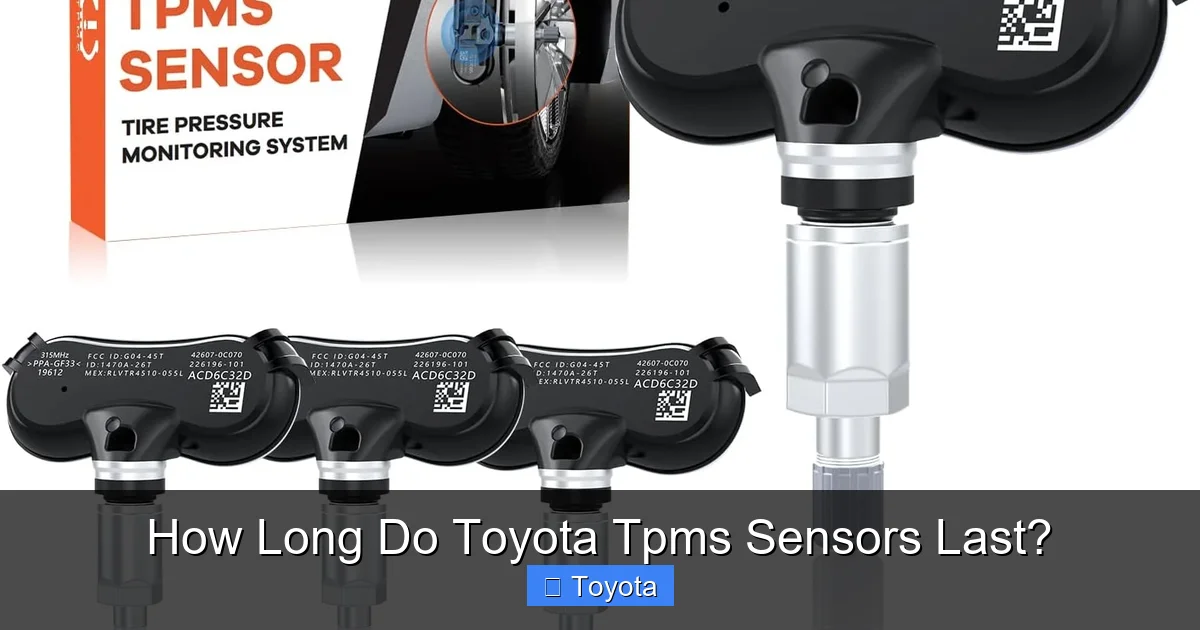
The lifespan of a Toyota TPMS sensor depends on several factors, including the type of sensor, driving conditions, and battery life. On average, TPMS sensors last between 5 to 7 years or 100,000 to 150,000 miles. However, some sensors may fail sooner, while others can last longer with proper care.
Visual guide about How Long Do Toyota Tpms Sensors Last?
Image source: m.media-amazon.com
The internal battery in TPMS sensors is non-replaceable, meaning once it dies, the entire sensor must be replaced. The battery typically lasts 5 to 10 years, but harsh driving conditions—like frequent potholes, off-road driving, or extreme temperatures—can shorten this lifespan. If you notice your TPMS warning light flashing more often, it could be a sign that the battery is dying.
Another factor that affects sensor longevity is tire changes. If you switch between seasonal tires (e.g., summer and winter), your TPMS sensors may wear out faster. Each time you install new tires, the sensors are removed and reinstalled, which can cause wear and tear. Over time, this repeated handling can weaken the sensor’s internal components.
If you’re unsure how long your TPMS sensors have been in use, check your vehicle’s maintenance records. Toyota recommends replacing TPMS sensors every 5-7 years or when you notice signs of failure. Regular tire pressure checks and proper maintenance can help extend their lifespan.
Signs That Your Toyota TPMS Sensors Are Failing
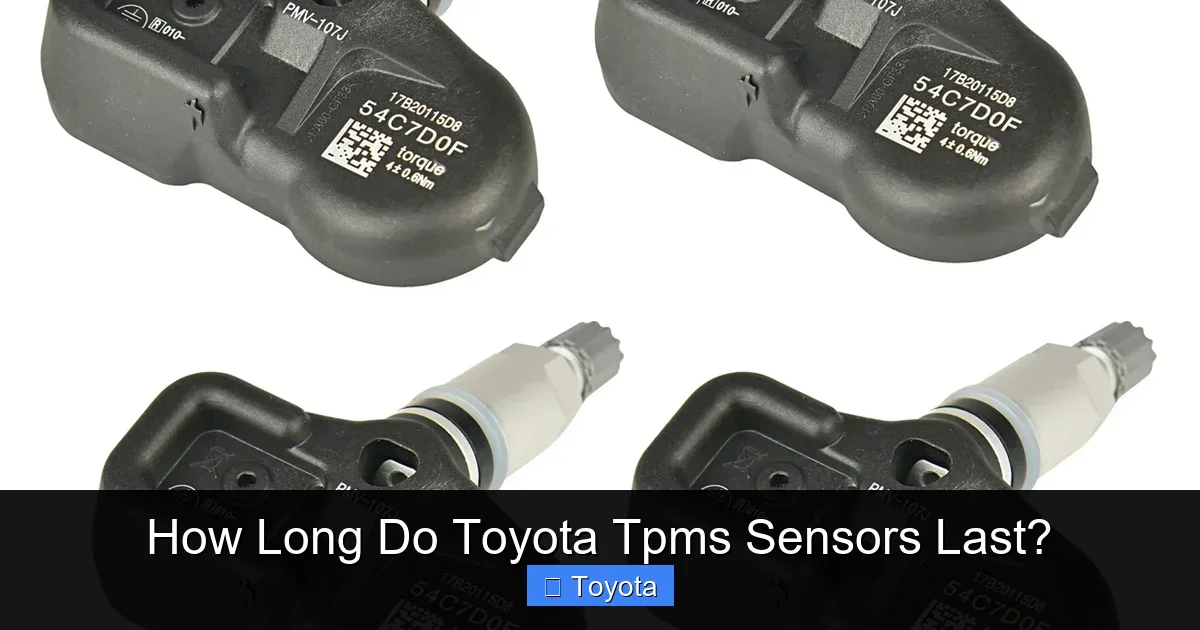
Knowing when your Toyota TPMS sensors are failing is crucial for maintaining tire safety. Here are some common signs that your sensors may need replacement:
Visual guide about How Long Do Toyota Tpms Sensors Last?
Image source: aautomotives.com
- TPMS Warning Light: If the TPMS light on your dashboard stays on or flashes intermittently, it could indicate a failing sensor. This light typically illuminates when tire pressure is low, but if it stays on even after inflating your tires, the sensor itself may be faulty.
- Inconsistent Readings: If your tire pressure readings fluctuate without a clear reason, your TPMS sensors may be malfunctioning. This can lead to inaccurate pressure data and unsafe driving conditions.
- Low Tire Pressure Alerts: If your car frequently alerts you to low tire pressure even when the tires are properly inflated, the sensors may be faulty. This can cause unnecessary tire replacements or repairs.
- Battery Replacement: Since TPMS sensors use internal batteries, you’ll eventually need to replace them. If your sensors are older than 5-7 years, it’s a good idea to have them checked during routine maintenance.
- Sensor Damage: Physical damage from road hazards, such as potholes or curbs, can break TPMS sensors. If you notice bent or cracked sensors during tire changes, they’ll need to be replaced.
If you experience any of these issues, it’s time to have your TPMS sensors inspected. Ignoring these signs can lead to tire damage, reduced fuel efficiency, and even accidents due to improper tire pressure.
How to Replace Toyota TPMS Sensors
Replacing Toyota TPMS sensors is a straightforward process, but it requires the right tools and knowledge. Here’s a step-by-step guide to help you replace your sensors:
- Purchase Replacement Sensors: Buy genuine Toyota TPMS sensors or high-quality aftermarket alternatives. Make sure they’re compatible with your specific Toyota model and year.
- Remove Old Sensors: Use a TPMS tool to remove the old sensors from your tires. This tool helps prevent damage to the sensor’s valve stem during removal.
- Install New Sensors: Carefully install the new sensors onto the tire valves. Ensure they’re properly seated and tightened to the correct torque specification.
- Reset the TPMS System: After installation, you’ll need to reset the TPMS system. This can be done using a TPMS reset tool or by following your vehicle’s specific reset procedure.
- Check for Proper Function: Once the system is reset, inflate your tires to the recommended pressure and check that the TPMS warning light turns off. If it stays on, double-check the sensor installation.
If you’re not comfortable performing this task yourself, consider having a professional mechanic replace your TPMS sensors. They have the right tools and expertise to ensure proper installation and calibration.
Factors That Affect Toyota TPMS Sensor Lifespan
Several factors can influence how long your Toyota TPMS sensors last. Understanding these can help you maximize their lifespan and avoid premature failure:
Driving Conditions
Your driving habits and environment play a significant role in TPMS sensor longevity. Frequent driving on rough roads, potholes, or off-road terrain can cause physical damage to the sensors. Additionally, extreme temperatures—both hot and cold—can affect battery performance and sensor accuracy.
Tire Changes
If you regularly switch between seasonal tires, your TPMS sensors will experience more wear and tear. Each time you remove and reinstall the sensors, the internal components can degrade. To minimize this, consider keeping the same set of tires year-round if possible.
Battery Degradation
The internal battery in TPMS sensors is designed to last 5-10 years, but it’s not immune to degradation. Factors like frequent short trips, extreme weather, and sensor age can cause the battery to drain faster. Once the battery dies, the sensor stops working and must be replaced.
Maintenance Habits
Regular tire maintenance, such as checking pressure and rotating tires, can help extend TPMS sensor life. Keeping your tires properly inflated reduces strain on the sensors and ensures accurate readings. Additionally, avoiding harsh driving conditions and road hazards can prevent physical damage.
How Much Does It Cost to Replace Toyota TPMS Sensors?
The cost of replacing Toyota TPMS sensors varies depending on whether you do it yourself or hire a professional. Here’s a breakdown of the typical costs:
- DIY Replacement: If you purchase the sensors yourself, you can expect to spend $50-$150 per sensor. This includes the cost of the sensor and any necessary tools. DIY replacement is a cost-effective option for those with basic mechanical skills.
- Professional Replacement: If you take your vehicle to a mechanic or dealership, the total cost can range from $100-$300 per sensor. This includes the sensor price, labor fees, and any additional tools or services required.
- Used Sensors: Some drivers opt for used TPMS sensors to save money. However, used sensors may not last as long and could have hidden issues, so it’s important to inspect them carefully before installation.
If you’re unsure about the replacement process, it’s best to consult a professional. Improper installation can lead to sensor failure, inaccurate readings, or even tire damage.
Tips to Extend the Life of Your Toyota TPMS Sensors
While TPMS sensors have a limited lifespan, there are several steps you can take to prolong their durability:
- Regular Tire Pressure Checks: Checking your tire pressure monthly helps ensure accurate TPMS readings and reduces strain on the sensors.
- Avoid Harsh Driving Conditions: Minimize driving on rough roads, potholes, and curbs to prevent physical damage to the sensors.
- Use Quality Sensors: Invest in high-quality TPMS sensors, whether OEM or aftermarket, to ensure reliability and longevity.
- Keep Sensors Clean: Dirt, grime, and corrosion can interfere with sensor performance. Clean the sensors periodically to maintain accuracy.
- Replace Batteries When Needed: While you can’t replace the internal battery, replacing the entire sensor when it fails ensures continued performance.
By following these tips, you can maximize the lifespan of your Toyota TPMS sensors and avoid unexpected failures. Regular maintenance and awareness of your vehicle’s warning signs are key to keeping your TPMS system in good working order.
When Should You Replace Your Toyota TPMS Sensors?
Knowing when to replace your Toyota TPMS sensors is essential for maintaining tire safety and vehicle performance. While these sensors are designed to last several years, they can fail due to battery depletion, physical damage, or wear and tear. Here are some key indicators that it’s time for a replacement:
- Persistent TPMS Warning Light: If the TPMS warning light on your dashboard stays on after inflating your tires to the correct pressure, it could indicate a faulty sensor. This is one of the most common signs that your sensor is failing.
- Inconsistent or Inaccurate Readings: If your tire pressure readings fluctuate without a clear reason, your sensors may be malfunctioning. This can lead to incorrect pressure alerts and unsafe driving conditions.
- Frequent Battery Replacements: Since TPMS sensors use non-replaceable internal batteries, you’ll eventually need to replace the entire sensor. If you’ve had to replace sensors multiple times, it may be time for a full replacement.
- Physical Damage: If your sensors are bent, cracked, or corroded, they need to be replaced immediately. Physical damage can render the sensors unusable and compromise tire safety.
- Age of the Sensors: Even if your sensors are functioning properly, it’s a good idea to replace them every 5-7 years. Over time, the internal components degrade, and older sensors may not perform as reliably.
If you notice any of these signs, it’s important to schedule a TPMS sensor inspection. Ignoring these issues can lead to tire damage, reduced fuel efficiency, and even accidents due to improper tire pressure.
How to Choose the Right TPMS Sensors for Your Toyota
When replacing your Toyota TPMS sensors, choosing the right ones is crucial for optimal performance. Here are some factors to consider when selecting sensors:
- OEM vs. Aftermarket: Original Equipment Manufacturer (OEM) sensors are designed specifically for Toyota vehicles and are guaranteed to fit correctly. Aftermarket sensors are often more affordable but may vary in quality. Look for reputable brands that offer compatibility with your Toyota model.
- Compatibility: Always verify that the sensors you purchase are compatible with your specific Toyota model and year. Using incompatible sensors can lead to installation issues and inaccurate readings.
- Warranty: Check the warranty offered by the sensor manufacturer. Some brands provide extended warranties that cover defects or failures, giving you peace of mind.
- Installation Requirements: Some sensors require special tools for installation, while others are easier to install. If you’re not confident in your DIY skills, opt for sensors that are easy to install or have professional installation options.
By selecting the right sensors and ensuring proper installation, you can maintain accurate tire pressure monitoring and avoid unnecessary repairs.
Conclusion
Understanding how long Toyota TPMS sensors last and when to replace them is essential for maintaining tire safety and vehicle performance. These sensors typically last 5-7 years or 100,000-150,000 miles, but factors like driving conditions, battery life, and maintenance habits can influence their longevity. By recognizing the signs of sensor failure and following proper replacement procedures, you can ensure your TPMS system continues to function effectively.
If you’re unsure about the condition of your TPMS sensors, consult a professional mechanic. They can perform a diagnostic check and recommend the best course of action. Regular tire maintenance, proper sensor selection, and timely replacements will keep your Toyota running smoothly and safely.
Frequently Asked Questions
How long do Toyota TPMS sensors last?
Toyota TPMS sensors typically last between 5 to 7 years or 100,000 to 150,000 miles, depending on driving conditions and battery life. The internal battery usually lasts 5-10 years, but harsh driving conditions can shorten this lifespan.
Can I replace a Toyota TPMS sensor myself?
Yes, you can replace a Toyota TPMS sensor yourself if you have the right tools and knowledge. However, improper installation can lead to sensor failure or inaccurate readings, so professional installation is recommended for those who are unsure.
What happens if my Toyota TPMS sensor fails?
If your Toyota TPMS sensor fails, the system may not alert you to low tire pressure, increasing the risk of tire damage, reduced fuel efficiency, and unsafe driving conditions. It’s important to replace faulty sensors as soon as possible.
How much does it cost to replace a Toyota TPMS sensor?
The cost to replace a Toyota TPMS sensor ranges from $50 to $300 per sensor, depending on whether you purchase and install it yourself or hire a professional. OEM sensors are more expensive than aftermarket options.
Do I need to replace all TPMS sensors at once?
No, you don’t have to replace all TPMS sensors at once. However, if one sensor fails, it’s a good idea to check the others, as they may be approaching the end of their lifespan. Replacing multiple sensors at the same time can save time and money in the long run.
How do I reset the TPMS system after replacing sensors?
Resetting the TPMS system after replacing sensors typically requires a TPMS reset tool or following your vehicle’s specific reset procedure. You can also take your vehicle to a professional mechanic for proper calibration and testing.