What Is Eco Heat/cool on Toyota Rav4?
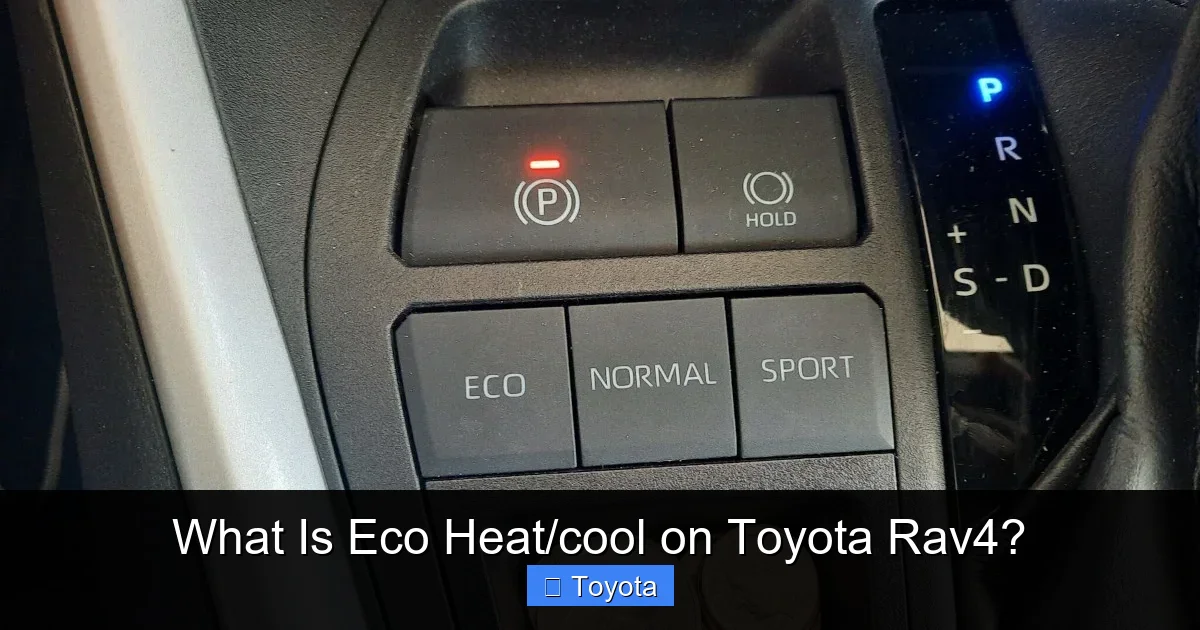
Eco Heat/Cool on Toyota RAV4 is an advanced climate control system designed to optimize fuel efficiency while maintaining cabin comfort. This feature intelligently balances temperature regulation with energy conservation, reducing strain on your engine and enhancing overall vehicle performance. Understanding how it works can help you save money and drive more sustainably.
Key Takeaways
- Eco Heat/Cool Function: Automatically adjusts climate control settings to minimize fuel consumption while maintaining driver comfort.
- Energy Efficiency: Reduces engine load by optimizing HVAC system operation without sacrificing temperature control.
- Fuel Savings: Can improve fuel economy by up to 10% during highway driving when used correctly.
- System Components: Integrates with Toyota’s Hybrid Synergy Drive for seamless energy management.
- Activation: Accessible via the climate control touchscreen or physical buttons depending on trim level.
- Optimal Use: Most effective during moderate weather conditions and steady-speed driving.
- Maintenance Impact: Regular HVAC system servicing ensures peak efficiency of Eco Heat/Cool features.
📑 Table of Contents
- Understanding Eco Heat/Cool on Toyota RAV4
- The Technology Behind Eco Heat/Cool
- Advantages of Using Eco Heat/Cool Mode
- When and How to Use Eco Heat/Cool Effectively
- Troubleshooting Common Issues with Eco Heat/Cool
- Maximizing Your RAV4’s Efficiency Features
- Maintenance Considerations for Optimal Performance
Understanding Eco Heat/Cool on Toyota RAV4
When you first glance at the climate controls in a Toyota RAV4, you might notice something different from other vehicles. The Eco Heat/Cool mode isn’t just another button – it represents Toyota’s commitment to combining comfort with efficiency. This feature intelligently manages your vehicle’s heating and cooling systems to reduce fuel consumption while maintaining a comfortable cabin environment.
Let me explain how this works in simple terms. Your RAV4’s HVAC (heating, ventilation, and air conditioning) system typically runs at full capacity when you crank up the heat or A/C. The Eco mode acts like a smart traffic cop, directing the system to operate more efficiently by adjusting fan speeds, temperature settings, and even engine RPM as needed.
What Makes Eco Heat/Cool Unique?
Unlike manual climate controls, this system uses sensors to monitor outside temperature, cabin conditions, and driving patterns. It then automatically adjusts settings to maintain your desired comfort level while using the least amount of energy possible. Think of it as having a personal assistant who knows exactly how to keep you cool without wasting energy.
The system works particularly well with Toyota’s hybrid models, where every ounce of efficiency counts. Even in non-hybrid RAV4s, you’ll notice improved fuel economy when using this feature during appropriate driving conditions.
The Technology Behind Eco Heat/Cool

Visual guide about What Is Eco Heat/cool on Toyota Rav4?
Image source: aautomotives.com
Under the dashboard, your RAV4 houses a sophisticated network of components working together to deliver this efficiency. The system includes:
- A dedicated climate control computer that processes sensor data
- Smart actuators that adjust airflow and temperature delivery
- Engine monitoring systems that coordinate HVAC operation
- Precision temperature sensors throughout the cabin
These components communicate constantly, creating a dynamic system that adapts to your driving style and environmental conditions. When you engage Eco Heat/Cool mode, you’re essentially asking your vehicle to be more thoughtful about energy usage.
How It Reduces Engine Load
Here’s where things get interesting. Traditional A/C systems can significantly reduce fuel efficiency because the compressor draws power directly from the engine. In Eco mode, the system might:
- Reduce maximum cooling capacity during light driving conditions
- Adjust blower motor speeds to minimum effective levels
- Coordinate with engine management systems to optimize RPM
- Prioritize airflow to driver zones when passengers aren’t demanding maximum cooling
This coordination means your engine doesn’t have to work as hard to maintain performance, translating directly into better fuel economy.
Advantages of Using Eco Heat/Cool Mode

Visual guide about What Is Eco Heat/cool on Toyota Rav4?
Image source: aautomotives.com
The benefits of this system go far beyond simple fuel savings. Let’s explore why many RAV4 owners consider this feature essential:
Improved Fuel Economy
Studies show that proper use of Eco Heat/Cool can improve fuel efficiency by 5-10% during typical driving conditions. This isn’t just a marketing claim – it’s the result of careful engineering. When your HVAC system operates more efficiently, it reduces the electrical load on your alternator and minimizes the parasitic losses that traditionally sap fuel economy.
For drivers who frequently navigate stop-and-go traffic or long highway commutes, these savings can add up quickly. Over a year, an average RAV4 owner might save $200-400 in fuel costs by using Eco mode appropriately.
Enhanced Driver Comfort
Paradoxically, the more efficient system often provides better comfort. By intelligently managing airflow, the system can deliver consistent temperatures without the boom-bust cycles you might experience with manual controls. The climate stays stable even as external conditions change.
Additionally, reduced fan noise from lower blower speeds creates a quieter cabin environment – something many drivers appreciate during longer drives or when trying to concentrate on the road.
Environmental Benefits
Every gallon of fuel saved reduces emissions of carbon dioxide and other pollutants. By using Eco Heat/Cool, you’re not just saving money – you’re actively reducing your environmental impact. This aligns perfectly with Toyota’s broader sustainability goals and appeals to environmentally conscious drivers.
When and How to Use Eco Heat/Cool Effectively
Visual guide about What Is Eco Heat/cool on Toyota Rav4?
Image source: aautomotives.com
Understanding when to engage this mode maximizes its benefits. Here are some practical scenarios:
Highway Driving
During steady-speed highway travel, Eco Heat/Cool performs exceptionally well. The system can maintain optimal cabin temperatures without the constant adjustments needed in city driving. Simply set your desired temperature and let the system work its magic.
Mild Weather Conditions
On days with temperatures between 55-75°F (13-24°C), the system can maintain comfort with minimal energy input. This is when you’ll see the greatest fuel savings. In extreme heat or cold, the system may need to operate at higher capacities, reducing its efficiency benefits.
Empty or Lightly Occupied Vehicles
When driving alone or with minimal passengers, the system can focus resources where they’re most needed. This targeted approach further enhances efficiency compared to cooling or heating an entire vehicle uniformly.
How to Activate the Mode
Activation is straightforward:
- Press the “ECO” button on the climate control panel
- On touchscreen-equipped models, select the Eco icon from the climate menu
- The system indicator light will illuminate when active
- Adjust temperature settings as usual – the system will manage efficiency automatically
It’s important to note that some models allow you to combine Eco mode with other driving modes like EV (electric vehicle) mode in hybrids for even greater efficiency.
Troubleshooting Common Issues with Eco Heat/Cool
Even well-designed systems can encounter problems. Here’s how to address common concerns:
System Not Activating
If the Eco mode won’t engage, check that:
- The climate control system isn’t in manual override mode
- Temperature settings aren’t at extreme limits
- The vehicle is moving (some systems require motion to activate)
A quick reset of the infotainment system often resolves connectivity issues.
Reduced Effectiveness
Over time, HVAC performance can decline due to:
- Clogged cabin air filters restricting airflow
- Failing actuators that can’t adjust properly
- Low refrigerant levels in the A/C system
Regular maintenance, including replacing the cabin air filter every 12,000-15,000 miles, keeps the system operating at peak efficiency.
Inconsistent Temperatures
If cabin temperatures feel inconsistent, it might indicate:
- Sensor calibration issues
- Actuator motor problems
- Thermostat malfunction
A visit to a Toyota dealer can diagnose these issues quickly, often resolving them with software updates or component replacement.
Maximizing Your RAV4’s Efficiency Features
The Eco Heat/Cool system works best when combined with other efficiency practices:
Pair with Eco Driving Mode
Most RAV4 models offer a separate Eco driving mode that optimizes throttle response and transmission shifting. Using both driving and climate Eco modes together creates a comprehensive efficiency approach.
Precondition Your Vehicle
Use your smartphone app (where available) to pre-cool or pre-heat your vehicle while plugged in. This reduces the need for the system to work as hard once you start driving.
Monitor System Performance
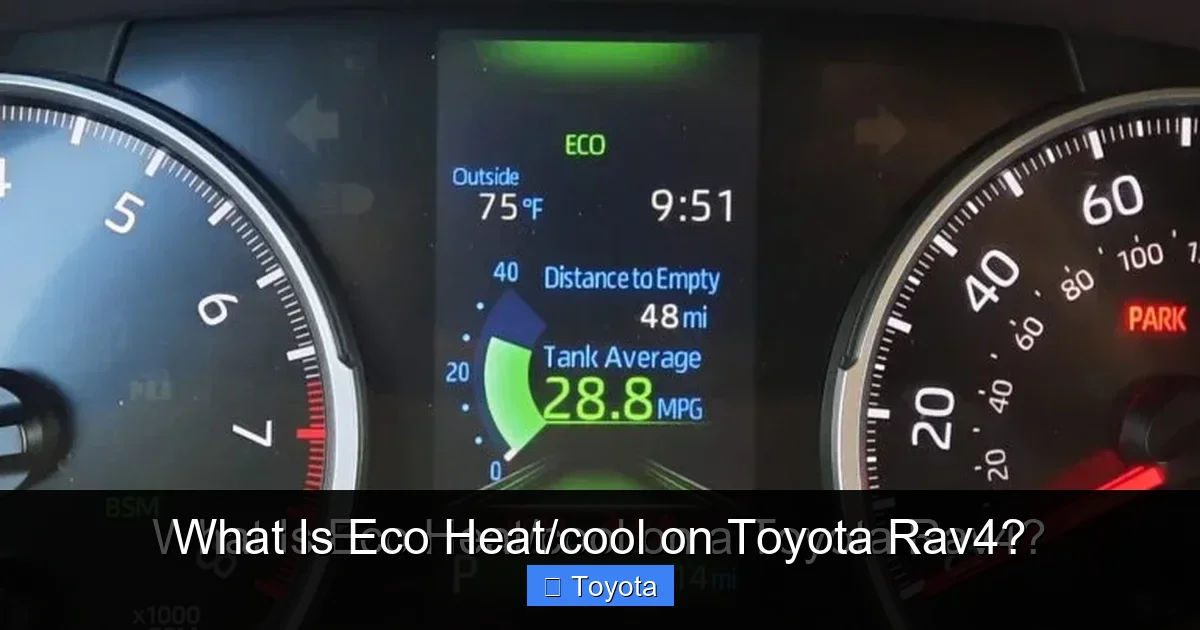
Many newer RAV4 models display real-time fuel efficiency data. Use this feedback to adjust your driving habits and identify when Eco Heat/Cool is making the biggest impact.
Plan for Weather Changes
On days with expected temperature swings, set your climate system to auto mode rather than trying to manually adjust throughout the day. The system is designed to handle gradual changes efficiently.
Maintenance Considerations for Optimal Performance
Keeping your HVAC system in top condition ensures maximum benefit from Eco Heat/Cool:
Cabin Air Filter Replacement
A clean cabin air filter allows maximum airflow efficiency. Toyota recommends replacement every 12,000-15,000 miles or annually, whichever comes first. In dusty environments, more frequent changes may be necessary.
HVAC System Servicing
Professional servicing every 24,000-30,000 miles ensures proper refrigerant levels and component function. This maintenance prevents efficiency losses that could reduce the effectiveness of Eco mode.
Sensor Calibration
If you notice inconsistent performance, a dealer can recalibrate the climate control sensors. This is especially important after battery replacements or electrical system repairs.
Frequently Asked Questions
What does Eco Heat/Cool mean on a Toyota RAV4?
Eco Heat/Cool is an intelligent climate control mode that automatically adjusts heating and air conditioning settings to maximize fuel efficiency while maintaining cabin comfort. It reduces engine load by optimizing HVAC operation based on driving conditions and temperature needs.
How does Eco Heat/Cool improve fuel economy?
By reducing the energy demands on your engine, this system can improve fuel efficiency by 5-10% during typical driving conditions. Less energy used for climate control means more efficient overall vehicle operation.
Can I use Eco Heat/Cool in extreme weather?
While the system works best in moderate temperatures, it remains functional in extreme conditions. However, you may notice reduced efficiency benefits when the system needs to operate at maximum capacity to maintain comfort.
Is Eco Heat/Cool different from regular climate control?
Yes, Eco mode actively manages system components to reduce energy consumption, while regular manual mode typically runs components at maximum capacity regardless of actual needs.
How do I know if Eco Heat/Cool is working properly?
Monitor your fuel economy readings and listen for reduced fan noise. Consistent performance and the Eco indicator light staying on when activated are good signs of proper operation.
Does Eco Heat/Cool work with all Toyota RAV4 trims?
Most RAV4 trims from 2019 onwards include this feature, though exact implementation may vary by model year and trim level. Check your owner’s manual for specific details about your vehicle’s capabilities.
Should I use Eco Heat/Cool all the time?
For best results, use Eco mode during highway driving and moderate weather conditions. In heavy traffic or extreme temperatures, switching to regular climate control may provide better immediate comfort.
=== END OF ARTICLE ===