How to Reset Tire Pressure Light on Toyota Sienna
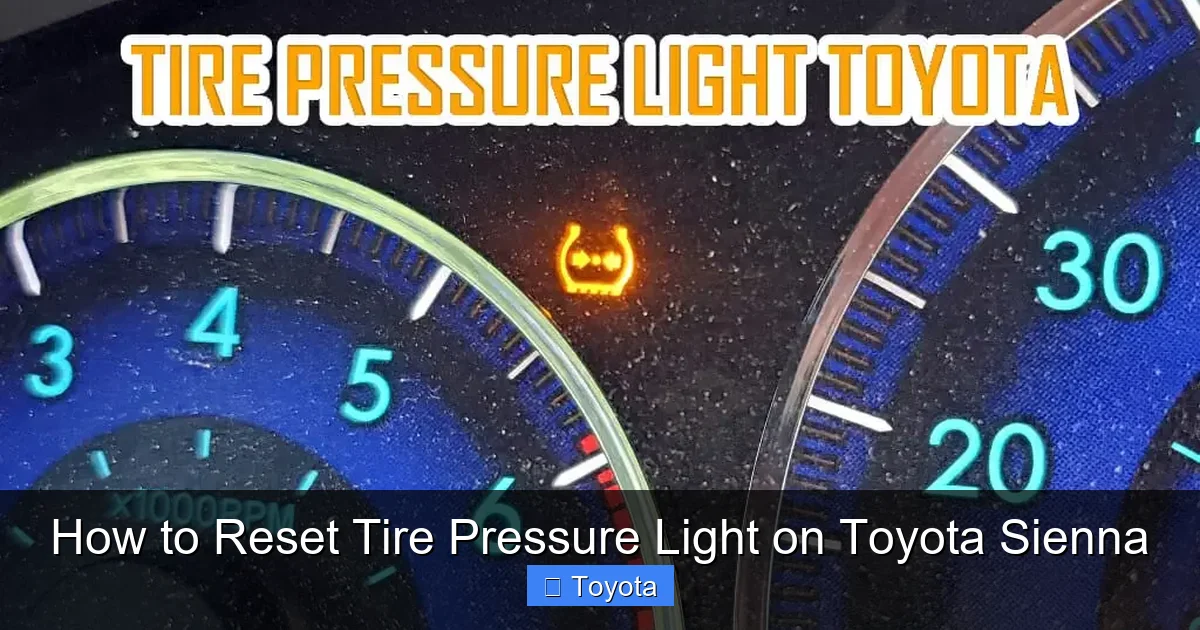
Resetting the tire pressure light on your Toyota Sienna is a simple yet essential task to keep your vehicle running smoothly. This guide walks you through the exact steps, offers handy tips, and explains why maintaining proper tire pressure matters. By the end, you’ll know how to keep that warning light off and your tires in top condition.
Key Takeaways
- Check tire pressure first: Always verify that each tire is at the manufacturer’s recommended PSI before resetting the light.
- Use the correct reset procedure: The Sienna’s reset button is located on the instrument panel, not the steering wheel.
- Reset within 30 minutes: If you wait too long after inflating, the system may not acknowledge the change.
- Watch for false alarms: A faulty sensor can trigger the light; replace it if the reset fails.
- Regular maintenance: Check tires monthly and after long trips to avoid future warnings.
📑 Table of Contents
Introduction
Picture this: you’re heading out on a family road trip in your Toyota Sienna, everything feels smooth, and then that familiar amber light flickers on your dash. It’s the tire pressure monitoring system (TPMS) warning you that one or more tires are under‑inflated—or worse, that the sensor itself is acting up. For many drivers, that glowing orange or red light can feel like a nagging reminder that something is amiss.
But don’t stress. Resetting the tire pressure light on a Toyota Sienna is a quick, hassle‑free process that can be done in the comfort of your own driveway. In this guide, we’ll walk you through every step, from checking your tire pressure to using the onboard reset button and troubleshooting common hiccups. By the end, you’ll be confident that your Sienna’s TPMS is back to its normal, silent‑watching state.
Why Tire Pressure Matters
Fuel Efficiency
Under‑inflated tires increase rolling resistance, meaning your engine has to work harder to move the vehicle. This can drop your miles per gallon by up to 3%—not a huge number, but over time it adds up.
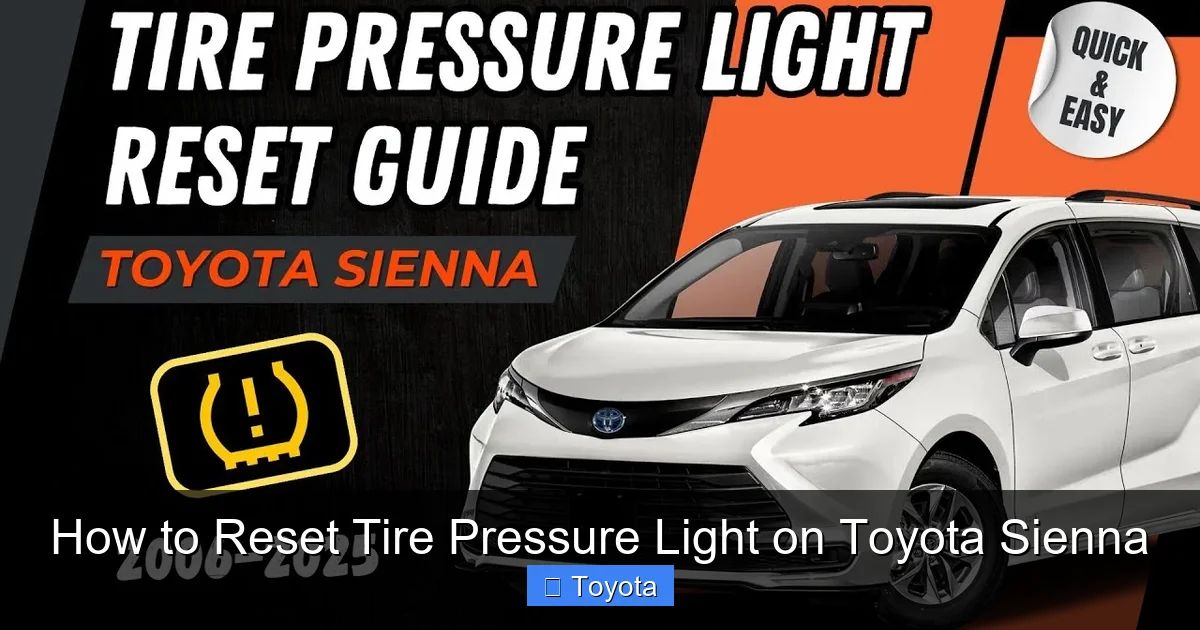
Visual guide about How to Reset Tire Pressure Light on Toyota Sienna
Image source: i.ytimg.com
Safety and Handling
Proper tire pressure is essential for optimal grip, braking, and steering response. Too low, and you risk tire blowouts or uneven wear; too high, and you lose traction and feel “bouncy.”
Longevity of Tires
Consistent pressure helps your tires wear evenly. If one tire is consistently under‑inflated, it will wear out faster, forcing an early replacement and more expense.
Step‑by‑Step: How to Reset the Tire Pressure Light on Toyota Sienna
Step 1: Verify Tire Pressure
Before you touch anything, make sure each tire—front, rear, and spare—is inflated to the correct PSI. The recommended pressure is usually printed on a sticker inside the driver’s door jamb or in your owner’s manual.
- Use a reliable gauge: A digital or analog gauge will give you a quick read.
- Check all four tires: Don’t forget the spare; some Sienna models use a run‑flat spare that also requires correct pressure.
- Adjust as needed: If any tire is below the recommended level, inflate it to match the others.
Step 2: Turn On the Ignition (but don’t start the engine)
Insert the key into the ignition and turn it to the “ON” position. The dashboard lights should come on, but the engine should remain off. This prepares the TPMS system for the reset.
Step 3: Locate the TPMS Reset Button
On most Toyota Sienna models, the reset button is hidden behind the driver’s side steering column or below the instrument cluster. Here’s how to find it:
- Look for a small black or gray button with a tire icon.
- If you can’t find it, consult your owner’s manual or use the “How To Adjust Headlights On 2015 Silverado” guide for a quick reference on locating hidden buttons in Toyota vehicles.
Step 4: Press and Hold the Reset Button
Press the button and keep it held for about 10–15 seconds. You’ll notice the TPMS warning light on the dash blink once, then stay off. If it stays on, release the button and try again.
Step 5: Wait for the System to Recalibrate
After releasing the button, give the system a minute or two to reset. The light should remain off. If it flickers or comes back on, double‑check your tire pressures and repeat the reset.
Step 6: Drive a Short Distance
Once the light is off, drive the Sienna for about 10–15 minutes. This allows the TPMS to confirm that the sensor data is stable. After the drive, the warning should stay off.
Common Issues and How to Fix Them
Problem: The Light Doesn’t Stay Off
Possible causes include:
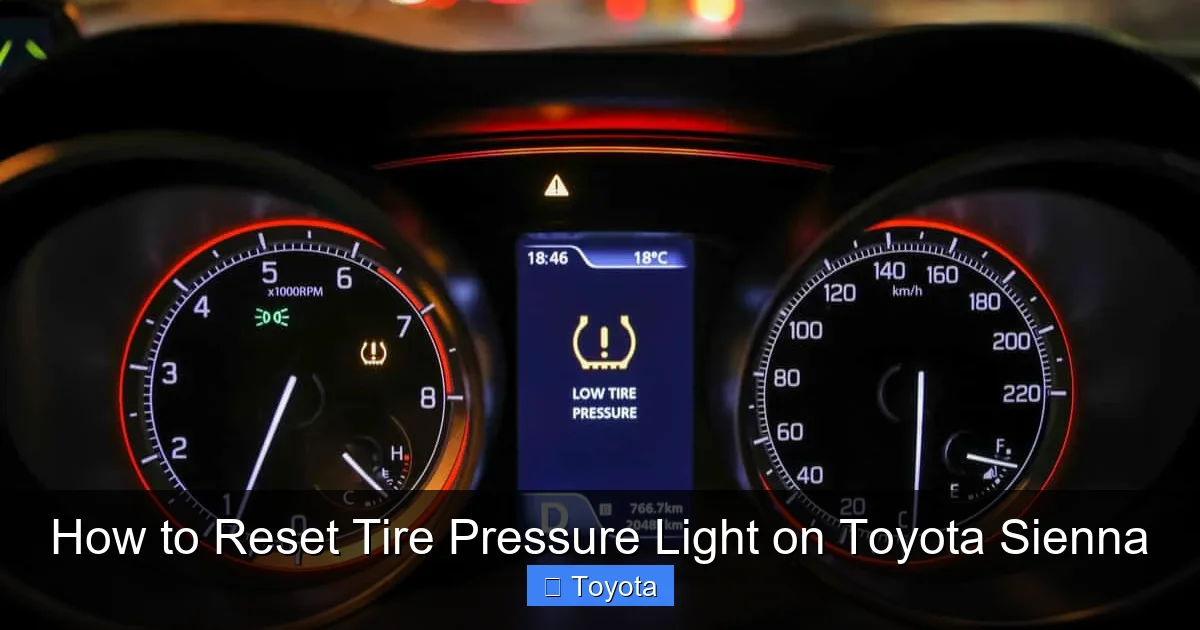
Visual guide about How to Reset Tire Pressure Light on Toyota Sienna
Image source: mechanicbase.com
- Incorrect tire pressure: Even a minor deviation can trigger the light.
- Faulty sensor: If a sensor is damaged, the light will persist.
- Battery low: A weak car battery can affect TPMS performance.
Solution: Re‑check pressures, replace the sensor if necessary, and ensure the battery is in good condition.
Problem: The Reset Button Is Missing
Some newer Sienna models have moved the reset function to the infotainment screen. If you can’t find a physical button:
- Navigate to the “Vehicle” menu on the touchscreen.
- Look for “TPMS” or “Tire Pressure” settings.
- Follow the on‑screen prompts to reset.
Problem: The Light Flickers Instead of Turning Off
Flickering often indicates a sensor communication issue. Try:
- Resetting the car’s computer by disconnecting the battery for 10 minutes.
- Checking for software updates via the Toyota Care app.
- Consulting a dealer for a professional diagnosis.
Preventing Future Tire Pressure Warnings
Routine Inspections
Make it a habit to check tire pressure monthly, especially before long trips. A quick 5‑minute check can save you from unexpected warnings.
Use a Quality Inflator
Low‑quality inflators can provide inaccurate readings. Invest in a reliable gauge or one that plugs into your phone for real‑time feedback.
Keep Tires Clean
Dirty tires can mask pressure changes. A quick wash will help you see tread wear and potential damage.
Know Your Tires
Every tire brand and model has its own optimal pressure. If you’ve recently upgraded your tires, check the new recommendation.
Don’t Ignore the Light
Even if the light stays off briefly, if you notice a sudden change in handling or fuel economy, it’s worth re‑checking the pressures.
Related Tips for Your Sienna
While you’re maintaining your vehicle, consider these handy guides from our site:
- How to Replace Windshield Wipers On A Car – Keep your view clear, especially in snowy conditions.
- How To Break In A New Car Toyota – If you’ve just bought a Sienna, follow these steps for optimal performance.
- How To Get Air Freshener Smell Out Of Car – Fresh interiors complement your well‑maintained vehicle.
Conclusion
Resetting the tire pressure light on a Toyota Sienna is a quick task that can save you time, money, and potential safety risks. By following the steps above—checking your tire pressure, using the reset button, and driving a short distance to confirm—the warning light should stay off and your Sienna will be ready for whatever adventures you plan.
Remember, the TPMS is there to protect you. Treat it with the same care you give to your engine and brakes. Regular tire checks, proper inflation, and timely sensor replacements keep your Sienna running smoothly for years to come.
Frequently Asked Questions
What causes the tire pressure light to come on in a Toyota Sienna?
The light typically indicates that one or more tires are below the recommended PSI, a faulty sensor, or a communication error between the sensor and the vehicle’s computer.
Can I reset the TPMS without a physical button?
Yes. On newer Sienna models, the reset function is accessed through the infotainment screen under the vehicle or tire pressure menu.
How long does the reset process take?
Pressing and holding the reset button for 10–15 seconds, then waiting a minute or two for the system to recalibrate, usually completes the reset within a few minutes.
What if the tire pressure light stays on after resetting?
Double‑check that all tires are at the correct PSI. If the light persists, a sensor may be faulty and needs replacement or professional diagnostic.
Is it safe to drive with the tire pressure light on?
It’s not recommended. Driving with under‑inflated tires can lead to poor handling, increased wear, and even blowouts. Address the issue promptly.
How often should I check my tire pressure?
At least once a month and before any long trip. A quick monthly check helps avoid surprises and maintains optimal vehicle performance.