How to Check the Awd System on a Toyota Highlander

Checking the AWD system on your Toyota Highlander is simple and can save you costly repairs. This guide walks you through each step, from visual inspections to functional tests, ensuring your SUV stays ready for any road condition.
Key Takeaways
- Point 1: Regularly inspect the AWD components to catch wear early.
- Point 2: Use the correct tools and follow the manufacturer’s procedure.
- Point 3: Test AWD engagement on a safe surface before driving.
- Point 4: Pay attention to warning lights and error codes.
- Point 5: Keep fluid levels topped up and replace them on schedule.
- Point 6: Document any findings and address issues promptly.
- Point 7: Refer to trusted resources for deeper guidance.
📑 Table of Contents
- Introduction: Why Knowing How to Check the Awd System on a Toyota Highlander Matters
- Preparing Your Vehicle for Inspection
- Checking Physical Components
- Testing AWD Functionality
- Interpreting Warning Lights and Error Codes
- Maintenance Tips to Keep the AWD System Healthy
- Conclusion: Keep Your Toyota Highlander Ready for Anything
Introduction: Why Knowing How to Check the Awd System on a Toyota Highlander Matters
Owning a Toyota Highlander means you have a reliable, family‑friendly SUV that can handle everything from city traffic to light off‑road adventures. One of the key features that gives the Highlander its versatility is the All‑Wheel Drive (AWD) system. Understanding how to check the Awd System on a Toyota Highlander helps you maintain optimal traction, improve fuel efficiency, and avoid expensive repairs down the road.
Many owners wait until a warning light flashes before they think about the AWD system. By then, the damage may already be done. This article will walk you through a simple, step‑by‑step process that you can perform at home with basic tools. Whether you’re a seasoned DIYer or a first‑time car owner, the instructions below will empower you to keep your Highlander’s AWD running smoothly.
Preparing Your Vehicle for Inspection
Gather the Right Tools and Safety Gear
Before you begin, make sure you have the following items on hand:
Visual guide about How to Check the Awd System on a Toyota Highlander
Image source: autoalmanac.com
- Jack and jack stands or a lift
- Torque wrench
- Flashlight or work light
- Clean rags and a small container for fluids
- Owner’s manual for reference specifications
Safety is paramount. Park the Highlander on a flat surface, engage the parking brake, and allow the engine to cool. Disconnect the battery if you plan to work near electrical components.
For a deeper dive into vehicle preparation, you might find it helpful to read how to check brake pads in your car, which shares similar safety practices.
Warm Up the Engine
Running the engine for about 5‑10 minutes ensures that fluids are at operating temperature. This makes it easier to spot leaks and gives an accurate reading of fluid levels. Once warmed, turn off the engine and let it sit for a couple of minutes before checking any fluid reservoirs.
Checking Physical Components
Inspect the AWD Drivetrain Components
The AWD system in the Toyota Highlander relies on several mechanical parts: the front differential, rear differential, transfer case, and driveshafts. Begin by locating these components under the vehicle. Use your flashlight to look for:
Visual guide about How to Check the Awd System on a Toyota Highlander
Image source: thecarhow.com
- Cracks or excessive rust on the differential housings
- Leaking oil or fluid around seals
- Loose or worn‑out mounting bolts
Any signs of damage should be addressed immediately. If you notice fluid leaks, note the color and amount; this can help diagnose the source later.
When examining the drivetrain, it’s also a good idea to clean the engine bay to remove grime that can hide potential problems.
Check the Transfer Case Fluid
The transfer case distributes power between the front and rear axles. Locate the transfer case fill plug (usually near the rear of the transmission). Using the recommended fluid type, check the level:
- Remove the fill plug.
- Insert a clean dipstick or funnel to see if the fluid reaches the “full” mark.
- If low, add the correct fluid until it just begins to seep out of the plug hole.
Regular fluid changes prevent overheating and wear. Refer to the maintenance schedule in your owner’s manual for the recommended interval.
Testing AWD Functionality
Perform a Simple Engagement Test
Now that the physical components look healthy, it’s time to test the system’s operation. Follow these steps:
Visual guide about How to Check the Awd System on a Toyota Highlander
Image source: i.ytimg.com
- Place the vehicle in “Park” and start the engine.
- Shift the transmission into “Neutral.”
- Locate the AWD selector (often on the console or steering column).
- Move the selector to “AWD” or “4WD” mode.
- With the vehicle still in neutral, gently apply the accelerator to feel the engine load.
- Observe if the rear wheels begin to turn (you may need a helper to look at the rear wheels).
If the rear wheels spin, the AWD system is engaging correctly. If not, there may be an electronic or mechanical fault that requires further diagnosis.
Road Test on a Safe Surface
Find an empty parking lot or a low‑traction surface like a gravel driveway. Drive slowly and attempt to turn sharply. A properly functioning AWD system will provide better grip, allowing the vehicle to maintain control. Listen for any unusual noises that could indicate a binding differential.
Interpreting Warning Lights and Error Codes
Understanding the AWD Warning Light
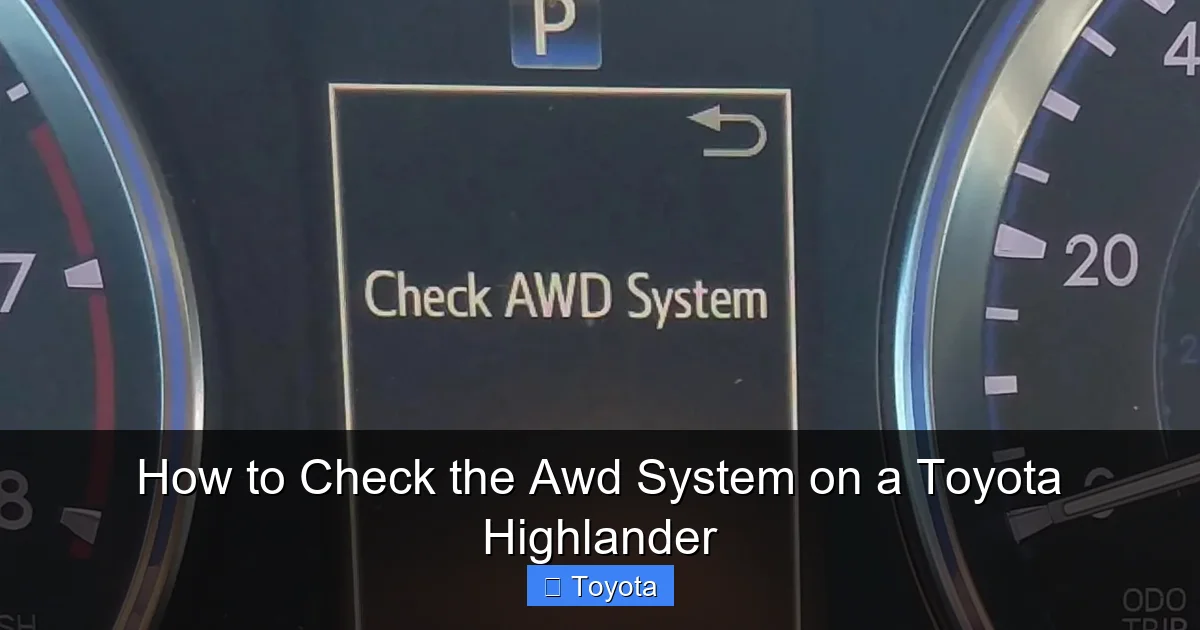
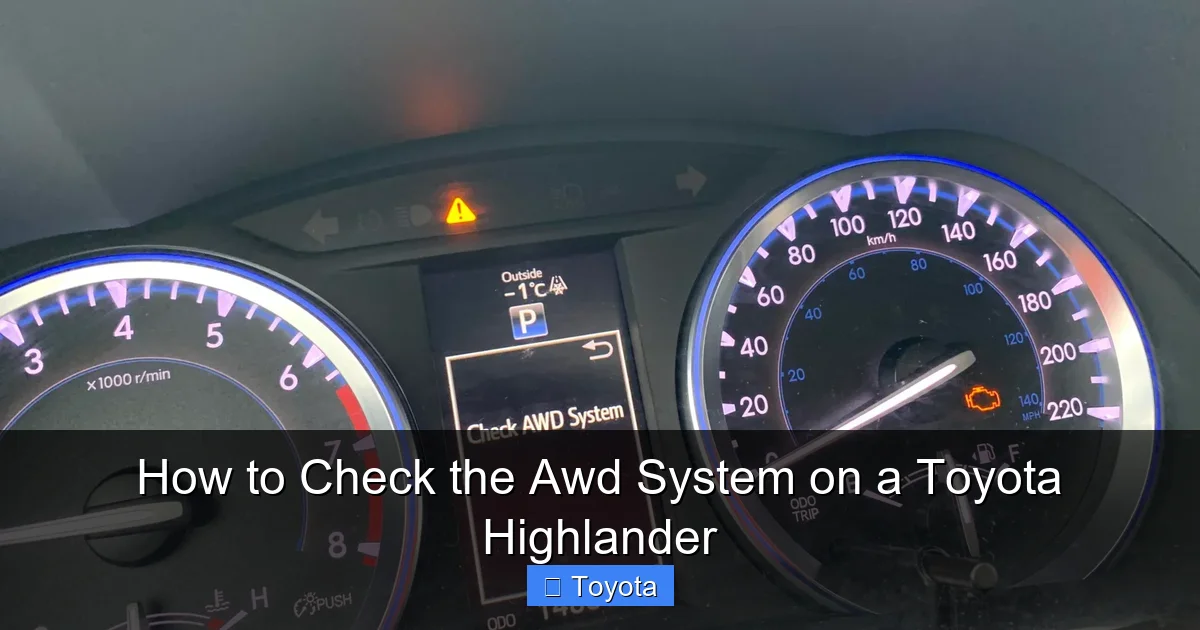
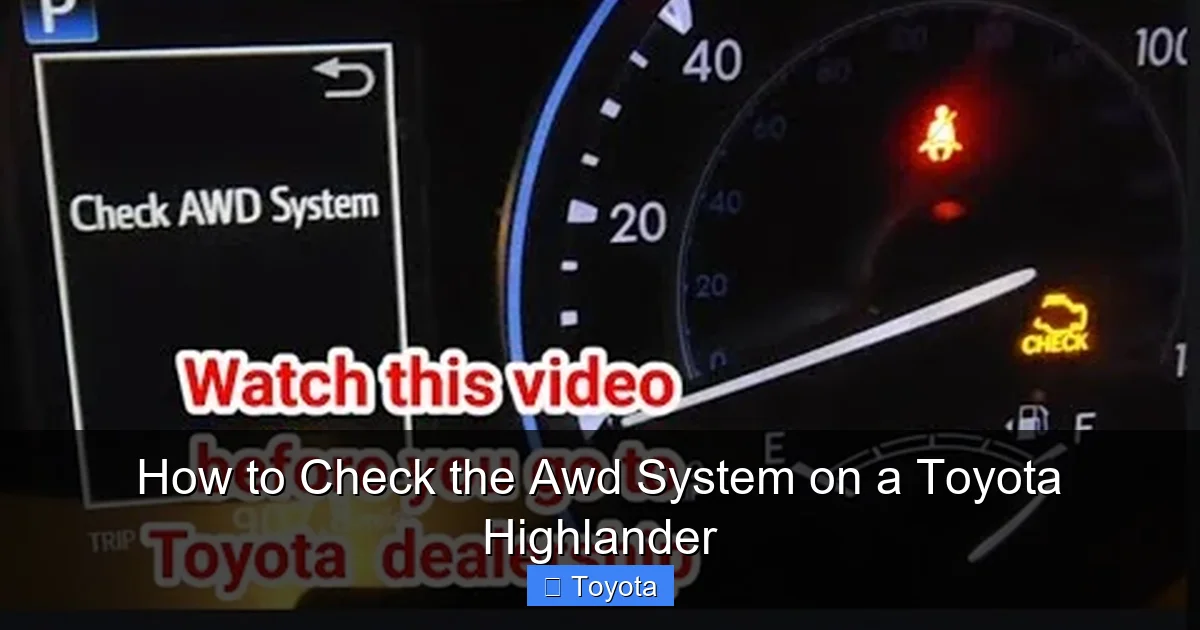
Your Highlander’s dashboard includes an AWD warning indicator. When this light illuminates, it signals that the vehicle’s computer has detected a problem in the AWD system. Common triggers include:
- Low fluid levels
- Sensor malfunctions
- Electrical connectivity issues
Use an OBD‑II scanner to read any stored trouble codes. Common codes related to AWD include:
- P0600 – General electrical malfunction
- C1234 – Transfer case sensor fault
Document the codes and consult a repair manual or a qualified technician for further guidance.
When to Seek Professional Help
Some issues are beyond DIY repair, especially those involving internal sensor failures or complex electronic control modules. If you’re unsure about any diagnosis, it’s safest to visit a certified Toyota service center.
Maintenance Tips to Keep the AWD System Healthy
Regular Fluid Changes
Follow the manufacturer’s recommended intervals for transfer case fluid, front differential oil, and rear differential oil. Typically, these fluids should be changed every 30,000‑50,000 miles, but heavy‑duty use may require more frequent changes.
Keeping fluids clean reduces wear on gears and bearings, extending the life of the entire AWD system.
Inspect Seals and Gaskets Annually
Over time, seals can dry out and crack, leading to fluid leaks. During routine maintenance, ask the technician to inspect all AWD‑related seals. Replace any that show signs of wear.
Protect the System from Harsh Conditions
If you frequently drive on dirt roads, snow, or salted highways, give the AWD components extra attention. Wash the undercarriage regularly to remove corrosive salts, and consider applying a rust‑inhibiting spray to exposed metal parts.
Document Your Findings
Maintaining a log of inspections, fluid levels, and any repairs helps you track the health of the AWD system over time. This record can be valuable when selling the vehicle or when discussing service history with a mechanic.
Conclusion: Keep Your Toyota Highlander Ready for Anything
Knowing how to check the Awd System on a Toyota Highlander empowers you to stay ahead of potential problems and maintain the performance you expect from a reliable SUV. By following the steps outlined in this guide — preparing safely, inspecting physical components, testing functionality, interpreting warning signals, and performing regular maintenance — you’ll ensure that your AWD system remains robust and responsive.
Remember, a well‑maintained AWD system not only improves traction and handling but also contributes to better fuel efficiency and longer vehicle lifespan. Take the time to perform these checks periodically, and you’ll enjoy worry‑free drives on any road, rain or shine.
Further Reading
For additional car‑care tips, explore these related articles:
- How To Check Brake Pads In Your Car
- How To Clean A Car Engine Bay
- How To Diagnose A Car Battery Problem
Frequently Asked Questions
What is How to Check the AWD System on a Toyota Highlander?
How to Check the AWD System on a Toyota Highlander is an important topic with many practical applications.