Why Does My 2011 Toyota Sienna Say Check Vsc System
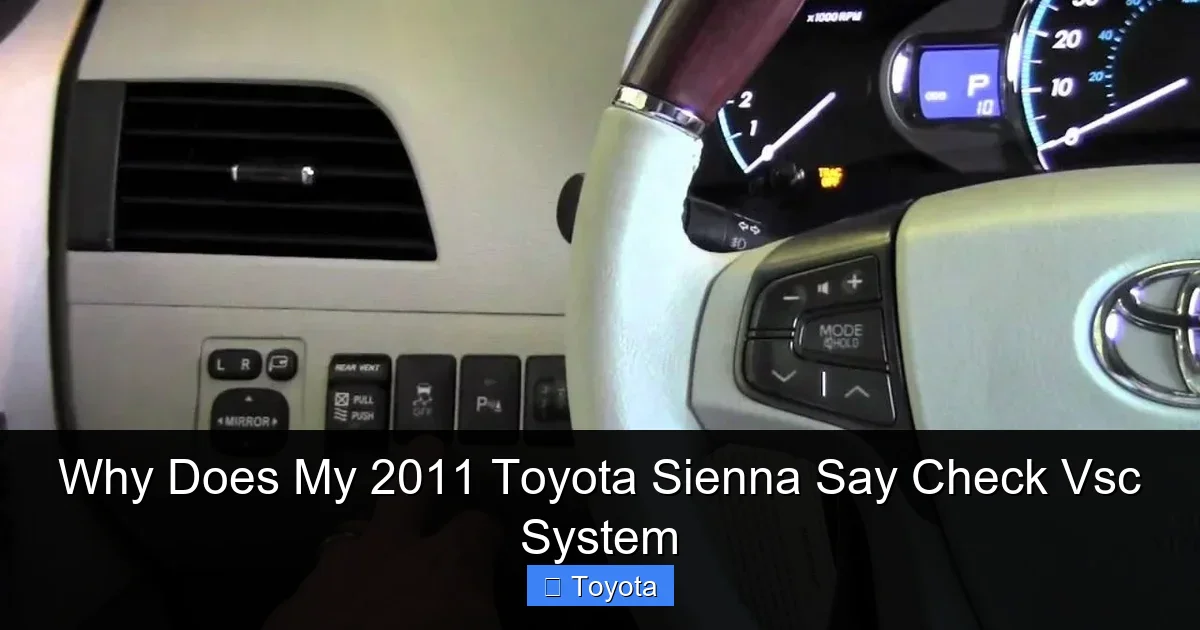
The 2011 Toyota Sienna’s “Check VSC System” warning indicates a potential issue with its Vehicle Stability Control, which is critical for safety. This alert could stem from faulty sensors, brake problems, or system malfunctions, requiring prompt attention to maintain your van’s performance and safety features.
Key Takeaways
- VSC (Vehicle Stability Control): A safety system that prevents skidding and maintains traction during turns or slippery conditions.
- Common Causes: Faulty wheel speed sensors, brake system issues, or problems with the ABS (Anti-lock Braking System).
- DIY Checks: Inspect brake pads, tire pressure, and sensor connections for obvious issues before seeking professional help.
- Professional Diagnosis: Visit a mechanic if the warning persists, as complex diagnostics may be required.
- Cost Considerations: Repairs can range from $100 to $1,000, depending on the faulty component.
- System Reset: Disconnecting the battery may temporarily clear the warning but doesn’t fix the underlying issue.
- Safety First: Never ignore the warning; driving with a compromised VSC system risks accidents.
📑 Table of Contents
Understanding VSC in Your 2011 Toyota Sienna
The Vehicle Stability Control (VSC) system in your 2011 Toyota Sienna is a critical safety feature designed to prevent skidding and maintain control during sharp turns or adverse driving conditions. This system works alongside the Anti-lock Braking System (ABS) to automatically apply individual brakes and adjust engine power when it detects a loss of traction. If you see the “Check VSC System” warning light, it means the system has detected a malfunction that could compromise your vehicle’s stability and safety.
What Does the VSC System Do?
The VSC system uses sensors to monitor wheel speed, steering angle, and vehicle tilt. When it detects a discrepancy, it intervenes by applying brakes to specific wheels and reducing engine power. For example, if you’re taking a sharp turn on a wet road and the rear wheels begin to slide, the VSC will automatically brake the outer front wheel to keep the vehicle aligned with your intended path. This system is especially crucial in icy or rainy conditions, where traction is limited.
Why the Warning Light Appears
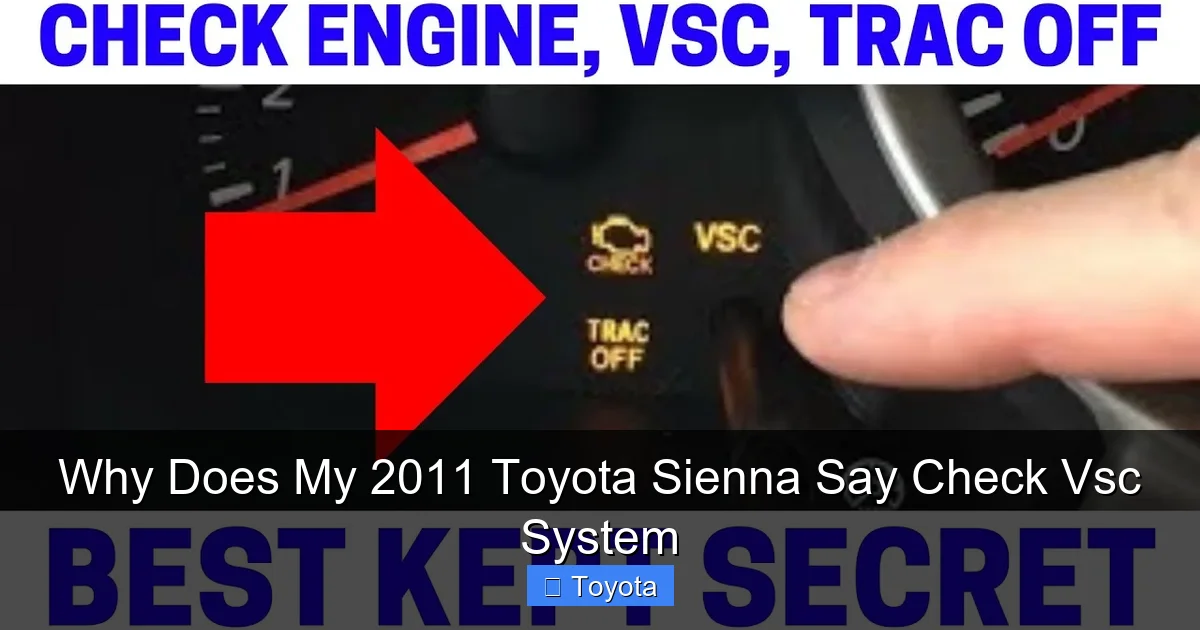
The “Check VSC System” warning typically appears alongside other dashboard lights, such as the ABS or traction control indicators. This simultaneous activation suggests a broader system failure rather than an isolated issue. The warning could be triggered by:
- Faulty wheel speed sensors
- Low brake fluid levels
- damaged ABS sensors
- Electrical system faults
- Issues with the VSC control module
Common Causes of the Check VSC Warning
While the warning can be unsettling, most issues are fixable. Below are the most frequent culprits behind the “Check VSC System” alert in a 2011 Toyota Sienna.
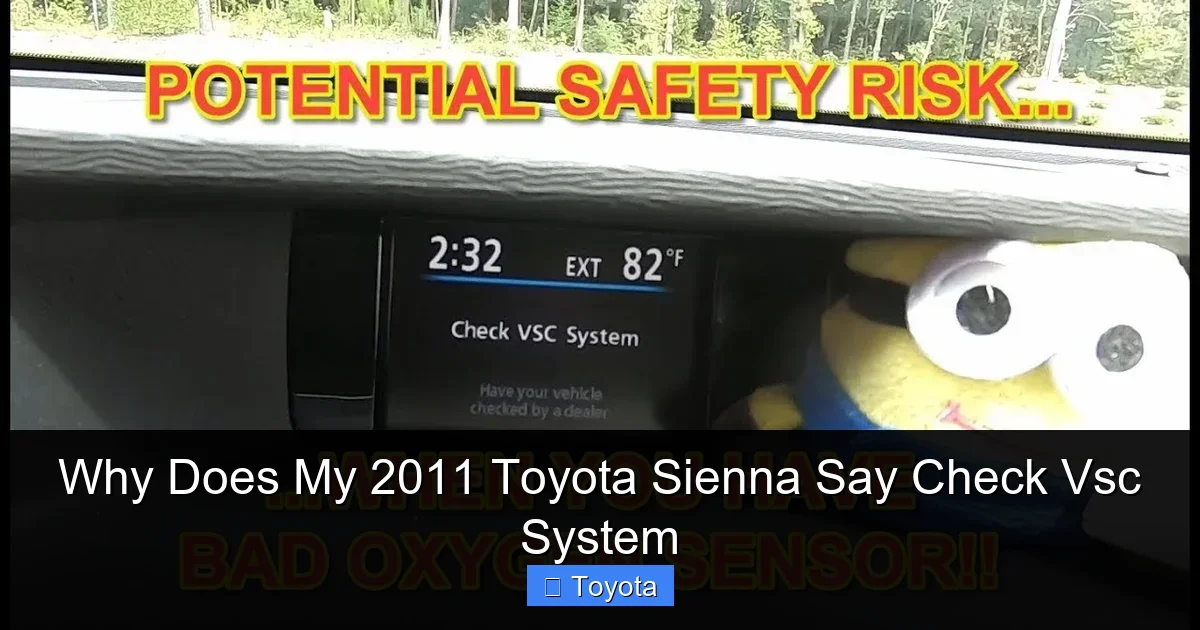
Visual guide about Why Does My 2011 Toyota Sienna Say Check Vsc System
Image source: aautomotives.com
Faulty Wheel Speed Sensors
Wheel speed sensors, located near each wheel, send data to the VSC computer about your vehicle’s speed and rotation. If one sensor fails, the system can’t accurately assess traction, triggering the warning. A common sign of a faulty sensor is erratic ABS behavior, such as the ABS light flickering or the system activating unexpectedly during braking.
Brake System Problems
Brake-related issues are another frequent cause. If your brake pads are worn down, or if the brake fluid is low or contaminated, the VSC system may detect inconsistent braking performance. In severe cases, a stuck caliper or brake hose could prevent proper wheel rotation, leading to system alerts.
Electrical or Sensor Malfunctions
The VSC system relies on multiple sensors and electronic components. A damaged or loose connection in the ABS sensor wiring harness, or a failing VSC control unit, can disrupt communication between the system and the dashboard. Additionally, issues with the steering angle sensor or yaw rate sensor (which monitors vehicle tilt) may also trigger the warning.
DIY Troubleshooting Steps
Before rushing to a mechanic, you can perform basic checks to identify potential issues. These steps may help resolve minor problems or narrow down the cause of the warning.
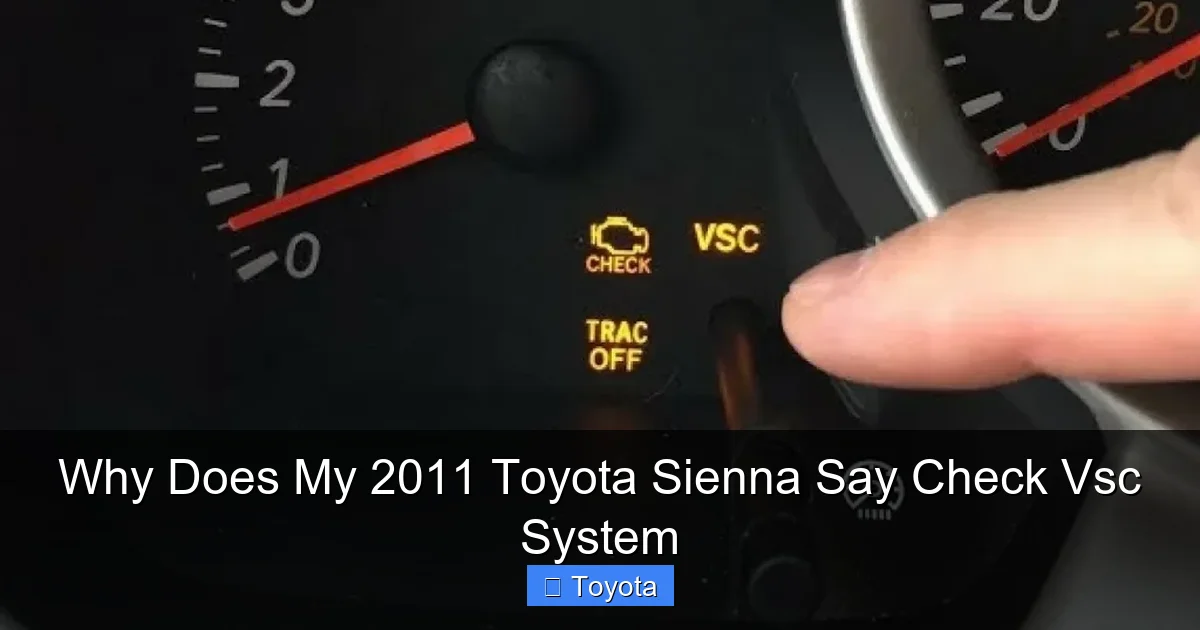
Visual guide about Why Does My 2011 Toyota Sienna Say Check Vsc System
Image source: gossipvehiculo.com
Check Brake Pads and Fluid Levels
Start by inspecting your brake pads for excessive wear. If they’re near the minimum thickness, replace them immediately. Next, check the brake fluid level in the reservoir under the hood. If it’s low, top it up with the correct type (consult your owner’s manual). A significant drop in fluid could indicate a leak, which requires professional attention.
Inspect Tire Pressure and Sensors
Underinflated or overinflated tires can confuse the VSC system. Ensure all tires are inflated to the recommended PSI (found on the driver’s door jamb). Also, examine the wheel speed sensors for dirt, corrosion, or physical damage. Clean them gently with a soft brush and electrical contact cleaner if needed.
Reset the System (Temporarily)
If the warning appeared after a minor incident (e.g., hitting a pothole), try resetting the system. Disconnect the negative battery terminal for 15–20 minutes to clear error codes. Reconnect it and start the engine. This may temporarily silence the warning, but it won’t fix the root cause.
When to Seek Professional Help
If DIY checks don’t resolve the issue, or if the warning persists, it’s time to consult a mechanic. Here’s why professional intervention is essential:
Visual guide about Why Does My 2011 Toyota Sienna Say Check Vsc System
Image source: i.ytimg.com
Complex Diagnostics
A qualified technician can use diagnostic tools to read fault codes stored in the vehicle’s computer. These codes pinpoint the exact component or system causing the problem. For instance, a P0500 code indicates a vehicle speed sensor issue, while P0600 suggests a communication error in the VSC control module.
Replacing Damaged Components
Common repairs involve replacing faulty sensors, brake parts, or wiring harnesses. For example, a damaged ABS sensor might cost $100–$200 to replace, while a VSC control module could run $500–$1,000. How to Check Brake Pads in Your Car is a helpful guide if you suspect brake-related issues.
Safety Considerations
Driving with a compromised VSC system increases the risk of accidents, especially in challenging conditions. A mechanic can also check related systems, such as the suspension, to ensure everything is functioning properly. For example, if your vehicle’s suspension is worn, it could affect sensor accuracy, leading to false VSC warnings.
Cost Breakdown for VSC Repairs
Repair costs for a 2011 Toyota Sienna’s VSC system vary widely, depending on the issue. Here’s a rough estimate:
Wheel Speed Sensor Replacement
$150–$300 per sensor, including labor. This is one of the most common fixes.
Brake System Repairs
Brake pad replacement: $100–$300. Brake fluid flush: $100–$150. Caliper or rotor repairs: $200–$500.
VSC Control Module
$500–$1,000 for the part, plus labor. This is an expensive repair and should be diagnosed carefully.
Diagnostic Fees
Most mechanics charge $100–$150 for diagnostic services, which is often applied toward the total repair cost if you proceed with the fix.
Resetting the VSC System
If the warning light is a false alarm (e.g., caused by a temporary sensor glitch), you can attempt to reset the system. Follow these steps:
- Turn off the engine and engage the parking brake.
- Disconnect the negative battery terminal for 15–20 minutes.
- Reconnect the terminal and tighten the bolt.
- Start the engine and drive for 5–10 minutes to allow the system to recalibrate.
Note that this method only clears the warning temporarily. Persistent issues require a professional diagnosis.
Preventing Future VSC Issues
Regular maintenance can help prevent VSC system failures. Here are some tips:
- Schedule Routine Inspections: Have a mechanic check brake pads, sensors, and fluid levels every 12,000 miles.
- Drive Safely: Avoid aggressive driving, which can stress the VSC system.
- Address Small Issues Promptly: Don’t ignore squealing brakes or strange dashboard lights—they may escalate into costly repairs.
Frequently Asked Questions
What does VSC stand for in a Toyota Sienna?
VSC stands for Vehicle Stability Control. This system helps maintain vehicle stability by automatically applying brakes and adjusting engine power during turns or slippery conditions.
Can I drive my Sienna with the Check VSC warning on?
While you can technically drive with the warning, it’s unsafe. The VSC system is critical for preventing skids and maintaining control. Ignoring the alert could lead to accidents, especially in adverse weather.
How do I reset the VSC system in my Sienna?
To reset the system, disconnect the negative battery terminal for 15–20 minutes, then reconnect it. Start the engine and drive for 5–10 minutes. This clears the warning temporarily but doesn’t fix underlying issues.
What parts are most likely faulty when the VSC light is on?
Common faulty components include wheel speed sensors, brake pads, and the VSC control module. Electrical issues in the ABS system or wiring harnesses are also frequent culprits.
How much does it cost to fix a VSC warning?
Costs range from $100 for basic sensor replacements to over $1,000 for VSC control module repairs. Diagnostics typically cost $100–$150. Suspension system comparisons can help you understand related repairs.
Is the Check VSC warning dangerous?
Yes, it’s a safety risk. The VSC system is designed to prevent loss of control. Driving with a disabled VSC increases the likelihood of skidding or hydroplaning, particularly in rain or snow.
=== END OF ARTICLE ===