Car Squealing When Reversing and Turning
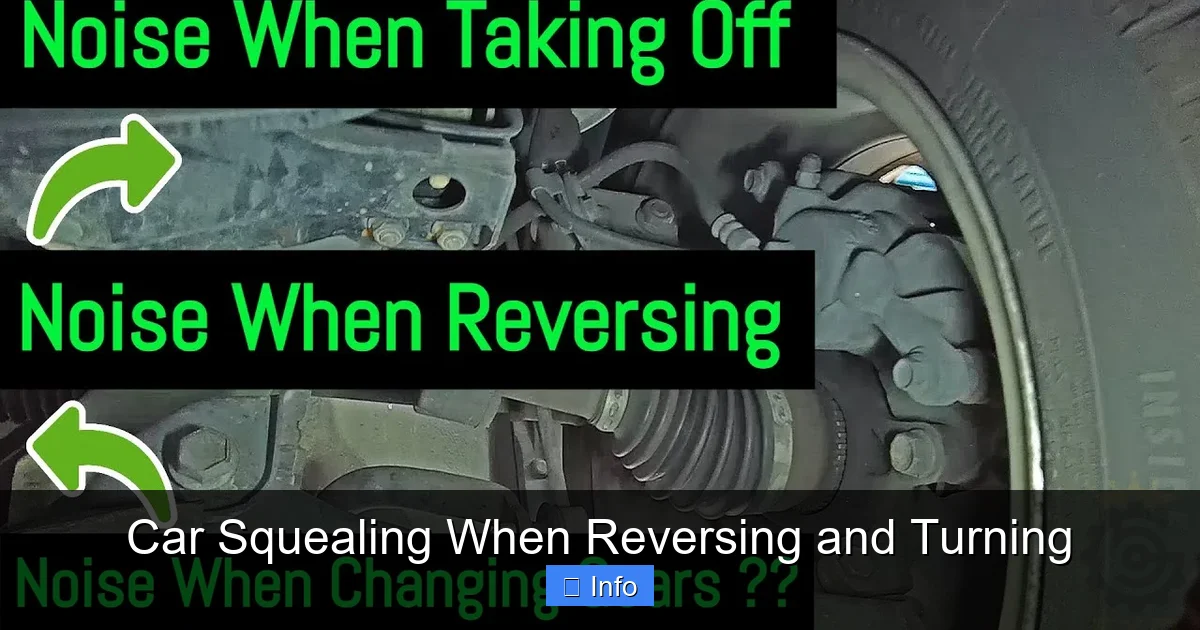
Car squealing when reversing and turning is often a sign of brake wear or moisture, but it can be fixed with simple checks and maintenance.
Key Takeaways
- Identify the source: Most squeals come from brake pads, rotors, or moisture.
- Check for wear: Thin pads or worn rotors cause high‑pitched noise when braking.
- Keep brakes dry: Water or humidity can amplify squealing during reverse maneuvers.
- Inspect tires and wheels: Improper inflation or worn tires affect braking performance.
- Perform regular maintenance: Routine inspections prevent squealing and extend brake life.
- Use quality parts: High‑quality brake components reduce noise and improve safety.
- Seek professional help if needed: Persistent squealing may indicate deeper issues that need a mechanic.
📑 Table of Contents
Introduction
If you hear Car Squealing When Reversing And Turning, you might wonder what’s causing it. That high‑pitched noise can be annoying, but it’s usually a clue that something in the brake or wheel system needs attention. In this article we’ll explore why Car Squealing When Reversing And Turning happens, the common reasons behind it, and easy steps you can take to silence the sound and enjoy a smoother drive.
Whether you drive a compact sedan, a family SUV, or a sporty coupe, the physics are the same: the brakes and wheels experience sudden loads when you back up and turn. That extra stress can expose worn parts, trapped moisture, or even tire pressure issues. Let’s dive into the details and get your ride back to a quiet, smooth experience.
Common Causes of Squealing
Worn Brake Pads
One of the main triggers of Car Squealing When Reversing And Turning is worn brake pads. As the friction material thins, the metal backing can contact the rotor, producing a high‑pitched squeal. This noise often becomes louder when you apply the brakes while moving backward, because the pads are forced to work harder to slow the vehicle. If you notice the squeal getting worse each time you back up, inspect the pads for thickness. Replacing them is usually the quickest fix and will silence the noise. In addition, worn pads can cause uneven wear on the rotors, leading to further noise and reduced braking efficiency.
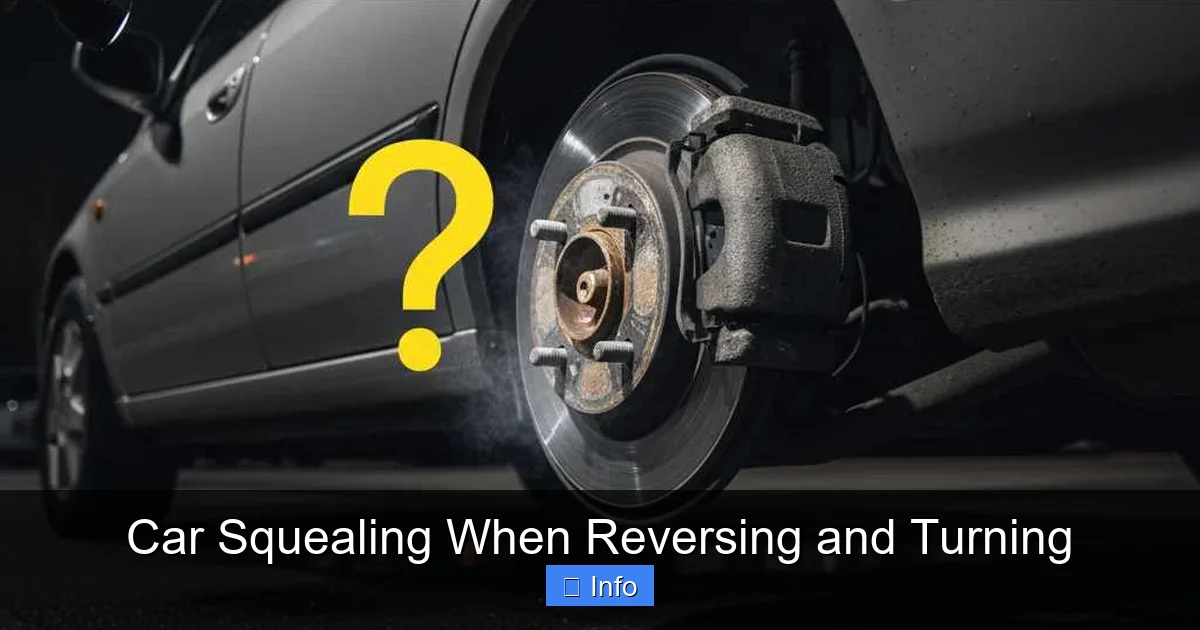
Visual guide about Car Squealing When Reversing and Turning
Image source: cdn.thedailyautomotive.com
Brake Dust and Moisture
Another frequent cause of Car Squealing When Reversing And Turning is moisture trapped on the rotors and pads. After a rainy day or when the car has been parked in a humid environment, a thin layer of water can form on the rotor surface. This reduces friction and makes the pads vibrate, resulting in a squeal as they try to grip the rotor. Cleaning the rotors and allowing the brakes to dry often eliminates the noise. You can also use a brake‑cleaning spray to remove dust that mixes with moisture, which is especially helpful after winter driving.
Improper Tire Pressure
Improper tire pressure can also lead to Car Squealing When Reversing And Turning. Under‑inflated or over‑inflated tires affect how the wheels turn and how the brakes are applied. When the tires are not at the correct pressure, the car may pull or skid slightly while reversing, forcing the brakes to work unevenly. This uneven braking can cause the pads to chatter and squeal. Checking tire pressure regularly and keeping it within the manufacturer’s recommended range helps prevent this type of squeal. For best results, use a reliable inflator such as the best car tire inflators to maintain optimal pressure.
Diagnosing the Issue
Listen to the Sound
When you notice Car Squealing When Reversing And Turning, start by listening to the exact sound pattern. Is it a sharp, intermittent squeak or a continuous high‑pitched whine? A sharp squeak that appears only when you press the brake pedal lightly often points to worn pads or dust. A continuous whine that persists even when you’re not braking may indicate a problem with the brake caliper or rotor. Taking note of the timing and intensity helps narrow down the cause and guides you toward the right solution.
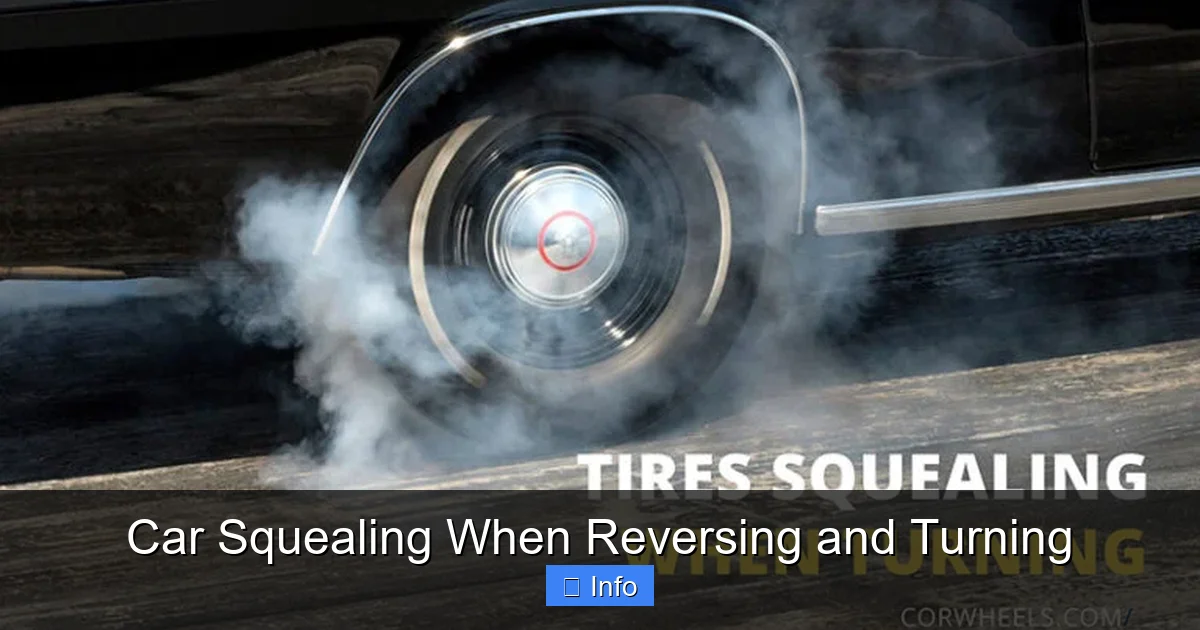
Visual guide about Car Squealing When Reversing and Turning
Image source: corwheels.com
Visual Inspection
During a visual check, look for signs that explain Car Squealing When Reversing And Turning. Open the wheel and look at the brake pads through the spokes. If the pad material looks thin—less than a quarter of an inch—it’s time for a replacement. Also check the rotors for scoring, rust, or uneven wear. Moisture on the rotor surface can appear as a shiny, wet look, especially after a wash. A quick visual check can reveal a lot before you even start the engine, and it often uncovers the simple cause of the squeal.
Solutions and Fixes
Replace Brake Pads
If your inspection shows thin or worn pads, replacing them is the most effective solution for Car Squealing When Reversing And Turning. Choose high‑quality pads that match your vehicle’s specifications. While you’re at it, consider having the rotors resurfaced or replaced if they show deep grooves or excessive wear. This combination often silences the noise completely. If you’re doing the job yourself, having a sturdy workbench like the best car seat stroller systems can make the job easier and safer.
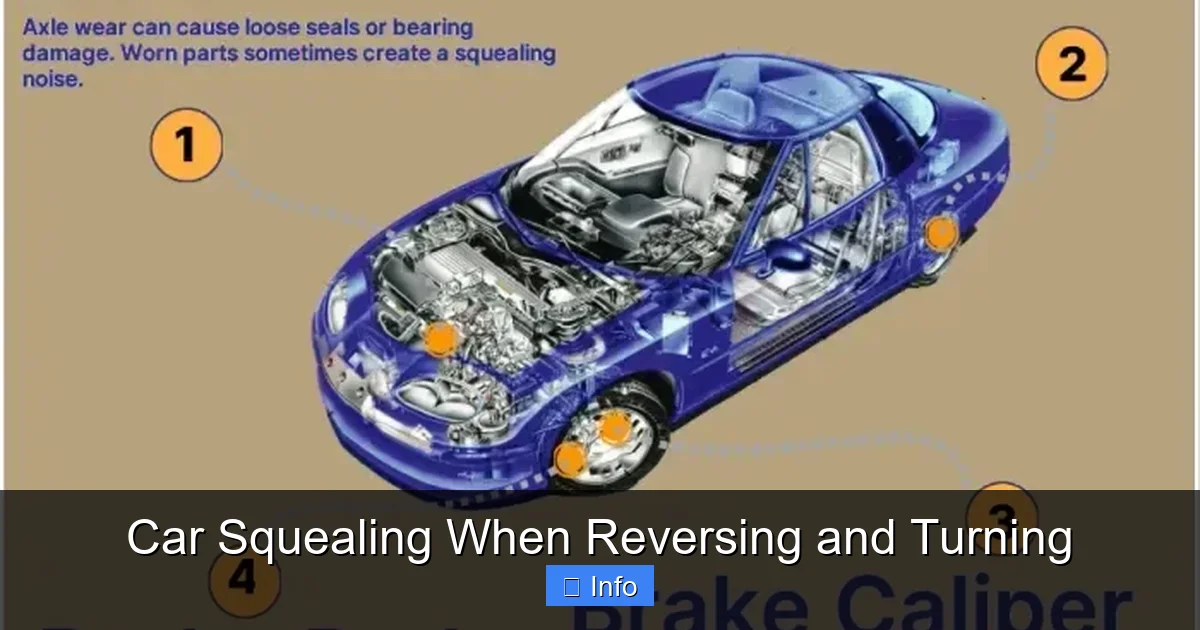
Visual guide about Car Squealing When Reversing and Turning
Image source: autotechiq.com
Clean and Lubricate Brake Components
For minor squealing caused by dust or moisture, a thorough cleaning can help. Use a brake cleaner spray to remove dust from the rotors and pads, then dry the components. Some mechanics apply a small amount of high‑temperature brake grease to the back of the pads or the caliper slides to reduce vibration. This simple step can make a big difference in eliminating squeal and restoring quiet operation. Regular cleaning also prolongs the life of your brake hardware.
Preventive Maintenance Tips
Regular Inspections
Schedule a brake inspection at least once a year, or more often if you drive in harsh conditions. During the inspection, the mechanic will check pad thickness, rotor condition, and caliper movement. Catching wear early prevents the squeal from developing and saves you money on more extensive repairs later. Regular inspections also help you stay ahead of other issues that could cause Car Squealing When Reversing And Turning. In addition, ask the technician to examine the brake fluid condition, as contaminated fluid can affect pad performance.
Keep Brakes Dry
After washing your car, especially the wheel wells, dry the brakes with a clean cloth or drive gently for a few minutes to evaporate moisture. Avoid parking for long periods in damp spots without driving, as this can lead to rust and moisture buildup that aggravates squealing. Keeping brakes dry is a simple habit that reduces the chance of Car Squealing When Reversing And Turning. You can also use a soft brush to remove excess water from the rotor surface after a wash.
Use Quality Parts
When replacing any brake component, opt for OEM or reputable aftermarket parts. High‑quality pads and rotors are designed to handle the stresses of reversing and turning without excessive vibration. This not only reduces noise but also improves overall braking performance and safety. Using quality parts can minimize Car Squealing When Reversing And Turning and extend the life of your brake system. Look for parts with good reviews and warranty coverage to ensure durability.
When to Seek Professional Help
Signs of Serious Problems
If the squeal is accompanied by a grinding sound, reduced braking power, or a pulsating brake pedal, the issue may be more serious than simple pad wear. These symptoms could indicate warped rotors, stuck calipers, or internal brake hardware failure. In such cases, it’s wise to have a qualified mechanic perform a full brake system diagnosis. Persistent Car Squealing When Reversing And Turning despite basic fixes should prompt a professional visit. A mechanic can also check for brake fluid leaks, which can contribute to noise.
Choosing a Trusted Mechanic
Look for a shop that specializes in brake service and has good reviews for honesty and quality work. A trustworthy mechanic will explain the root cause of the squeal, provide a clear repair plan, and use the right parts. This transparency helps you avoid unnecessary expenses and ensures the fix lasts. If you need a reliable professional, consider shops that also offer services like best car tire inflators for optimal tire pressure, which can indirectly support brake performance. Additionally, a well‑maintained brake system complements other safety upgrades such as car stereos with backup cameras, giving you confidence while reversing.
Conclusion
Car squealing when reversing and turning is usually a symptom of brake wear, moisture, or tire pressure issues, but it’s rarely a sign of a catastrophic failure. By listening carefully, inspecting the brakes, and performing regular maintenance, you can often silence the noise yourself. If the problem persists or you notice other brake‑related symptoms, don’t hesitate to consult a professional. Keeping your brakes in top shape not only eliminates the squeal but also enhances safety for every drive.
For more tips on vehicle comfort and safety, check out our guide on best cooling car seat covers for comfort and style, and learn how proper tire care with best car tire inflators can keep your brakes performing optimally. Additionally, a clean engine air supply from best car air filters supports overall vehicle health, and a reliable car stereo with backup camera can make reversing safer and less stressful.
Frequently Asked Questions
What is Car Squealing When Reversing And Turning?
Car Squealing When Reversing And Turning is an important topic with many practical applications.