How to Bypass Blower Motor Relay
Bypassing a blower motor relay is easier than you think. This guide walks you through the symptoms, tools, and step‑by‑step instructions. Follow them and restore cool air fast.
Key Takeaways
- Identify the problem: Use symptoms like no airflow or intermittent operation to spot a bad relay.
- Gather basic tools: You only need a screwdriver, multimeter, and a jumper wire.
- Safety first: Disconnect the battery before touching any wiring.
- Follow the bypass steps: Connect the blower motor directly to power to test.
- Test before reinstalling: Verify airflow and voltage before putting the relay back.
- Avoid common mistakes: Don’t force connectors and double‑check polarity.
- Know when to replace: If the motor still won’t run, the relay isn’t the only issue.
📑 Table of Contents
Why the Blower Motor Relay Matters
The blower motor relay is a small switch that controls power to the AC blower. Without it, the fan can’t spin. When the relay fails, you get weak or no airflow. This can make a hot day feel miserable. Many drivers think the problem is the motor itself. Often, it’s just the relay that needs a quick fix.
How the Relay Works
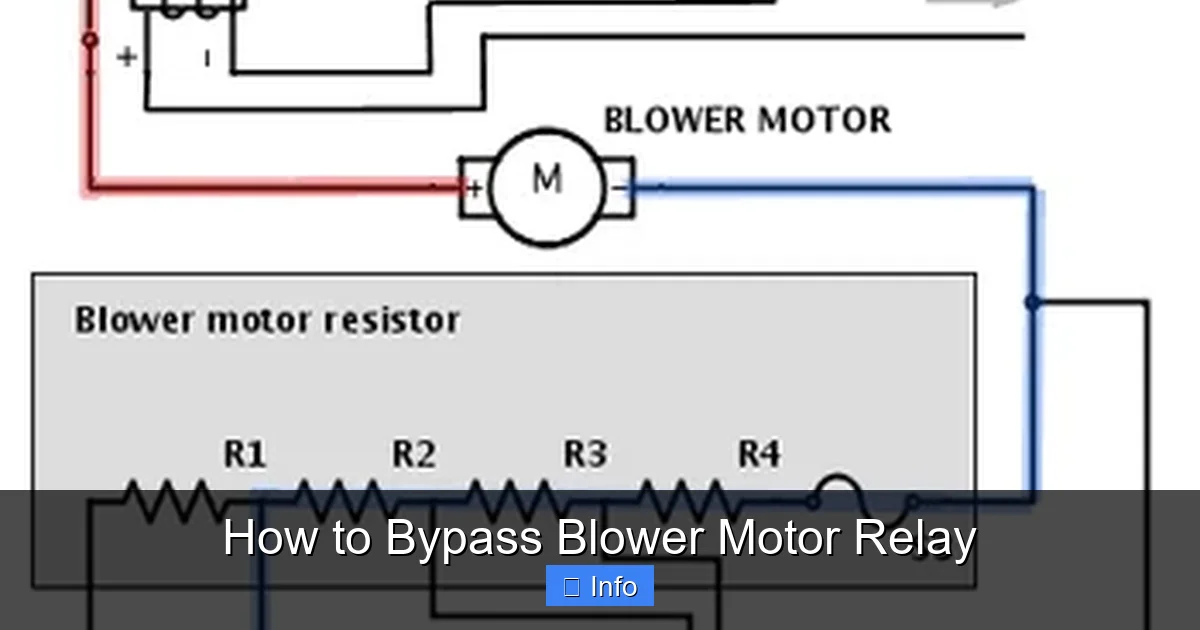
The relay uses a low‑current signal from the climate control module. That signal triggers the relay to close a high‑current circuit. The circuit then sends battery voltage to the blower motor. If the coil or contacts wear out, the circuit stays open. No power reaches the motor, and the AC blows warm air.
Symptoms of a Bad Blower Motor Relay
Look for these signs before you start any work:
Visual guide about How to Bypass Blower Motor Relay
Image source: vehq.com
- No airflow when the AC is turned on.
- Intermittent operation – the fan starts then stops.
- Clicking sound from the fuse box when you adjust the temperature.
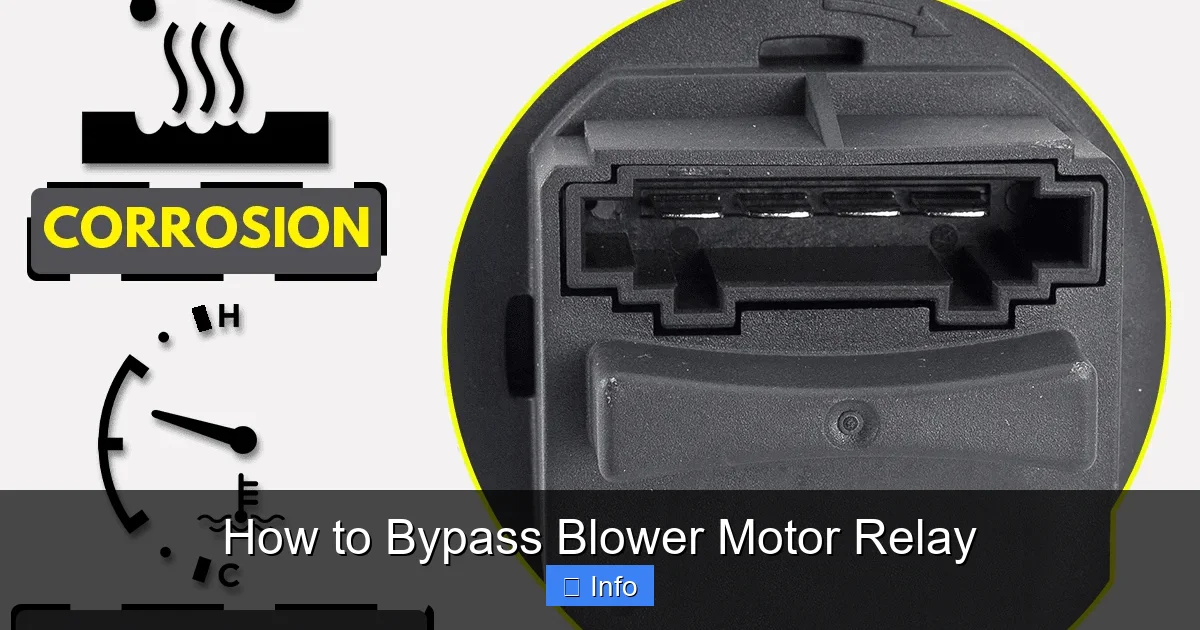
- Overheating of the relay housing.
If you notice any of these, the relay is a prime suspect. You can confirm with a simple voltage test.
Tools and Safety Precautions
Working on automotive electrics is safe if you follow basic rules. Here’s what you need:
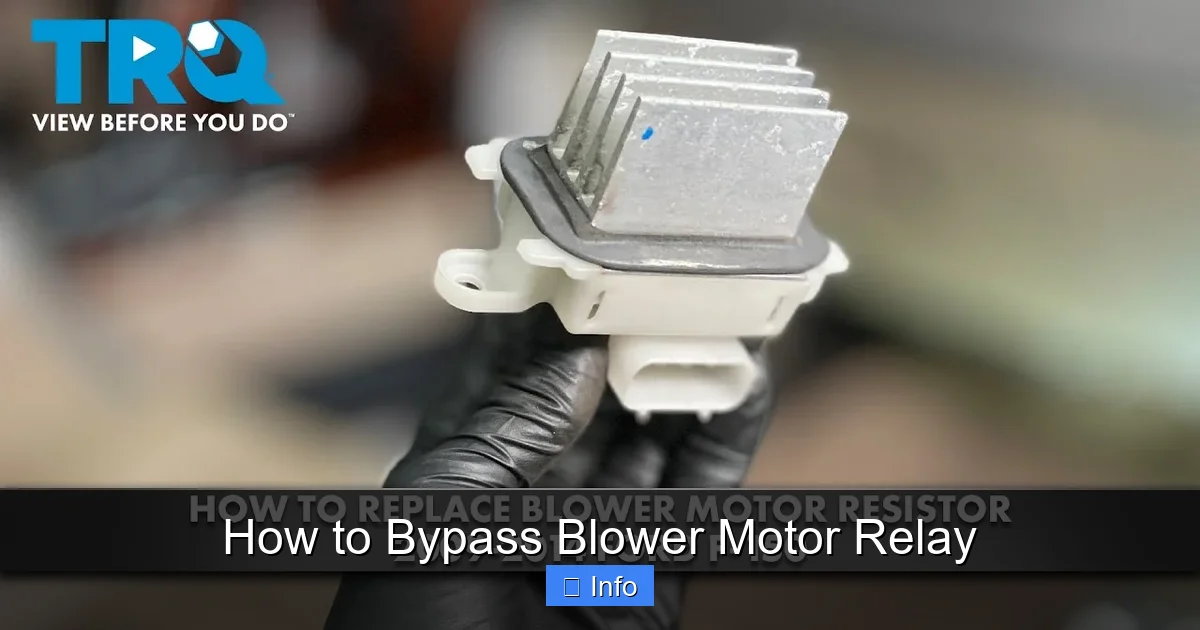
Visual guide about How to Bypass Blower Motor Relay
Image source: i.ytimg.com
- A flat‑head screwdriver.
- A Phillips screwdriver.
- A digital multimeter.
- A jumper wire or a piece of insulated copper.
- Protective gloves.
- Safety glasses.
Before you touch any wires, disconnect the negative battery terminal. This prevents accidental shorts. Also, work in a well‑ventilated area. If you feel unsure, consider calling a professional.
For more detailed advice on handling electrical components, check out our guide on how to clean a car engine bay. It covers safety tips that apply to any under‑dash work.
Why Safety Gear Is Essential
Even a small spark can damage sensitive electronics. Gloves protect your hands from sharp edges. Glasses keep debris out of your eyes. Never work alone if you’re dealing with high voltage.
Step‑by‑Step Guide to Bypass the Relay
Now that you’re ready, follow these steps to bypass the relay and test the blower motor.
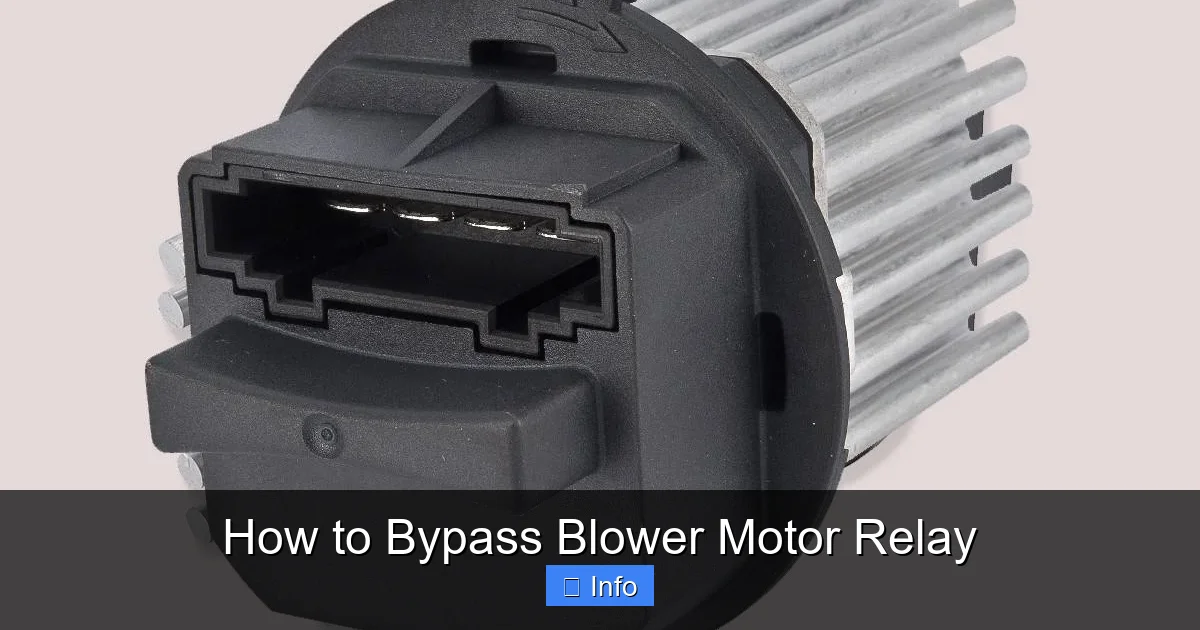
Visual guide about How to Bypass Blower Motor Relay
Image source: vehq.com
1. Locate the Relay
The blower motor relay is usually in the fuse box under the dashboard. Look for a small black box labeled “Blower” or “Fan”. Refer to your vehicle’s owner manual for the exact location.
2. Remove the Relay
Press the tab on the relay and pull it straight out. Set it aside on a clean surface. Do not force it; the pins can break.
3. Identify the Power Pins
Using the owner manual or a wiring diagram, find the two pins that supply power to the blower motor. These are usually labeled “30” and “87”. The coil pins are “85” and “86”.
4. Prepare the Jumper
Take a short piece of insulated copper wire. Strip about ½ inch of insulation from each end. This will be your temporary bypass.
5. Connect the Bypass
Attach one end of the jumper to the “30” pin (battery power). Attach the other end to the “87” pin (motor output). This creates a direct power path, effectively bypassing the relay.
6. Reconnect the Battery
Re‑attach the negative battery terminal. Turn the ignition to the “ON” position without starting the engine.
7. Test the Blower
Set the AC to the highest fan speed. If the blower spins, the motor is fine. If not, the motor may be bad. If it does spin, you have successfully bypassed the relay.
8. Re‑install the Relay (Optional)
If the bypass works, you can either keep the jumper in place temporarily or replace the relay. To replace, simply insert the original relay back into the socket.
For a deeper dive into adjusting related components, you might find our article on how to adjust a throttle body useful, especially if you’re also troubleshooting airflow issues.
Testing the Bypass and Re‑installing the Relay
After you’ve confirmed the motor works, it’s time to verify everything is safe.
Check Voltage
Using a multimeter, measure the voltage at the motor terminals while the fan is on. It should read close to 12 volts. Any significant drop indicates a wiring issue.
Listen for Unusual Noises
A healthy blower motor sounds smooth. Grinding or squealing noises mean something is wrong. Stop the test and inspect the motor and fan blades.
Re‑connect the Relay Properly
If you decide to reinstall the relay, make sure the pins align correctly. Push it in until you hear a click. Re‑connect the battery and test the AC again.
Common Mistakes to Avoid
Even experienced DIYers can slip up. Here are the top pitfalls:
- Skipping the battery disconnect. This can cause shorts and damage the ECU.
- Using the wrong pins. Double‑check the wiring diagram before connecting.
- Forcing connectors. Bent pins can ruin the relay or socket.
- Ignoring corrosion. Clean any rust or debris from the socket before re‑installing.
- Overlooking the fuse. A blown fuse can mimic a relay failure.
If you’re unsure about any step, it’s safer to consult a professional mechanic.
When to Replace the Relay Instead of Bypassing
Bypassing is a temporary test. If the motor runs fine with the jumper, you can drive the car. However, the relay should still be replaced. A failed relay can cause intermittent problems later. Buy a replacement that matches the OEM specifications. Install it following the same steps you used to remove it.
Final Thoughts
Now you know how to bypass a blower motor relay safely and effectively. The process is simple, requires only a few tools, and can save you a costly repair. Remember to always prioritize safety, double‑check connections, and test before you seal everything back up. With these steps, you’ll be back to enjoying cool air in no time.
Frequently Asked Questions
What symptoms indicate a bad blower motor relay?
Common signs include no airflow, intermittent fan operation, a clicking sound from the fuse box, and overheating of the relay housing.
Can I bypass the relay permanently?
Bypassing is meant for testing only. Permanent bypass can overload the wiring and should be avoided; replace the relay as soon as possible.
Do I need to disconnect the battery?
Yes, always disconnect the negative battery terminal before working on any electrical components to prevent shorts.
How do I know which pins to jumper?
Refer to your vehicle’s wiring diagram; typically pins 30 and 87 supply power to the blower motor.
Is a multimeter necessary for this job?
A multimeter helps verify voltage and confirm the bypass is working correctly, but it isn’t strictly required for a basic test.
Can a bad relay damage the blower motor?
Usually not, but repeated relay failures can cause the motor to overheat if it receives inconsistent power.