How Do I Know Which Radiator Cap to Buy
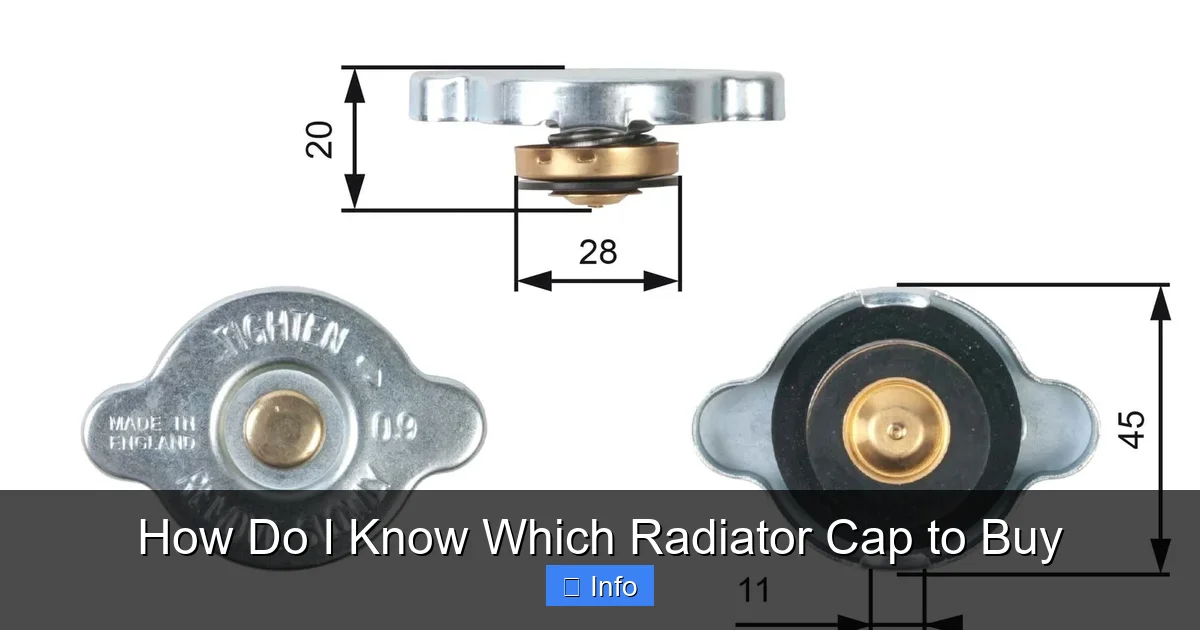
Choosing the correct radiator cap is essential for maintaining proper engine cooling pressure and preventing overheating. This guide walks you through pressure ratings, thread sizes, and vehicle-specific requirements so you can confidently select the right cap. Follow our tips to avoid common mistakes and keep your cooling system running smoothly.
If you’ve ever stared at a radiator cap and wondered How Do I Know Which Radiator Cap To Buy, you’re not alone. Many drivers overlook this small but vital component until the engine starts to overheat or coolant leaks appear. The radiator cap does more than just seal the system; it maintains the correct pressure, raises the coolant’s boiling point, and allows excess pressure to escape safely. Getting the wrong cap can lead to overheating, blown head gaskets, or even radiator damage.
In this article we’ll break down everything you need to know to answer the question How Do I Know Which Radiator Cap To Buy with confidence. We’ll cover the basics of how a cap works, how to find your vehicle’s exact specifications, what pressure ratings and thread sizes mean, and how to choose a cap that will last. By the end, you’ll have a clear checklist to follow the next time you need a replacement.
Remember, the radiator cap is part of a larger cooling system. Keeping the engine bay clean, checking hoses, and monitoring coolant levels all contribute to optimal performance. If you’re unsure about any step, a quick look at your owner’s manual or a trusted mechanic can save you time and money.
Key Takeaways
- Know the pressure rating: Match the cap’s psi (usually 13 or 16) to your engine’s specifications to avoid over‑ or under‑pressurization.
- Check thread size and direction: Ensure the cap’s threads fit your radiator neck exactly; a mismatch can cause leaks.
- Consult the owner’s manual: It lists the exact cap part number, pressure, and thread details for your make and model.
- Inspect the old cap: If the original is still present, note its markings (pressure, part number) as a quick reference.
- Choose quality materials: Metal caps with durable seals last longer than cheap plastic alternatives, especially in high‑heat environments.
- Buy from reputable sources: OEM or trusted aftermarket brands reduce the risk of failure and ensure proper fit.
- Test after installation: Run the engine, watch for leaks or pressure loss, and re‑check the cap after the first drive.
📑 Table of Contents
Understanding Radiator Cap Basics
Before diving into part numbers, it helps to know what the cap actually does. When you ask yourself How Do I Know Which Radiator Cap To Buy, start with the cap’s core functions.
What Does a Radiator Cap Do?
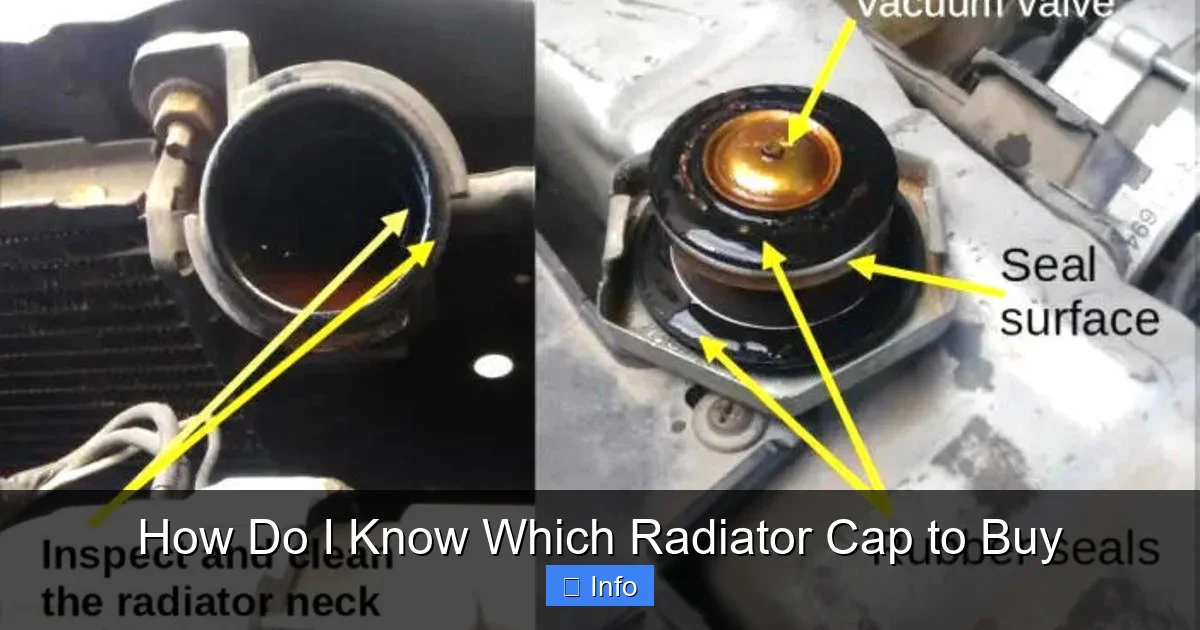
The radiator cap seals the cooling system, but it’s not a simple plug. It contains a pressure valve and a vacuum valve. When the engine heats up, coolant expands and pressure builds. The pressure valve opens at a preset limit (usually 13 psi or 16 psi) to let excess coolant flow into the overflow tank. When the engine cools, the vacuum valve opens to draw coolant back from the tank, preventing air pockets. This cycle keeps the system at the right pressure and temperature.
If you’re still wondering How Do I Know Which Radiator Cap To Buy, think about pressure. A cap that opens too early will bleed off pressure too soon, lowering the coolant’s boiling point and risking overheating. A cap that holds too much pressure can stress hoses, the radiator, or even the heater core. Matching the factory spec is the safest route.
Pressure Ratings Explained
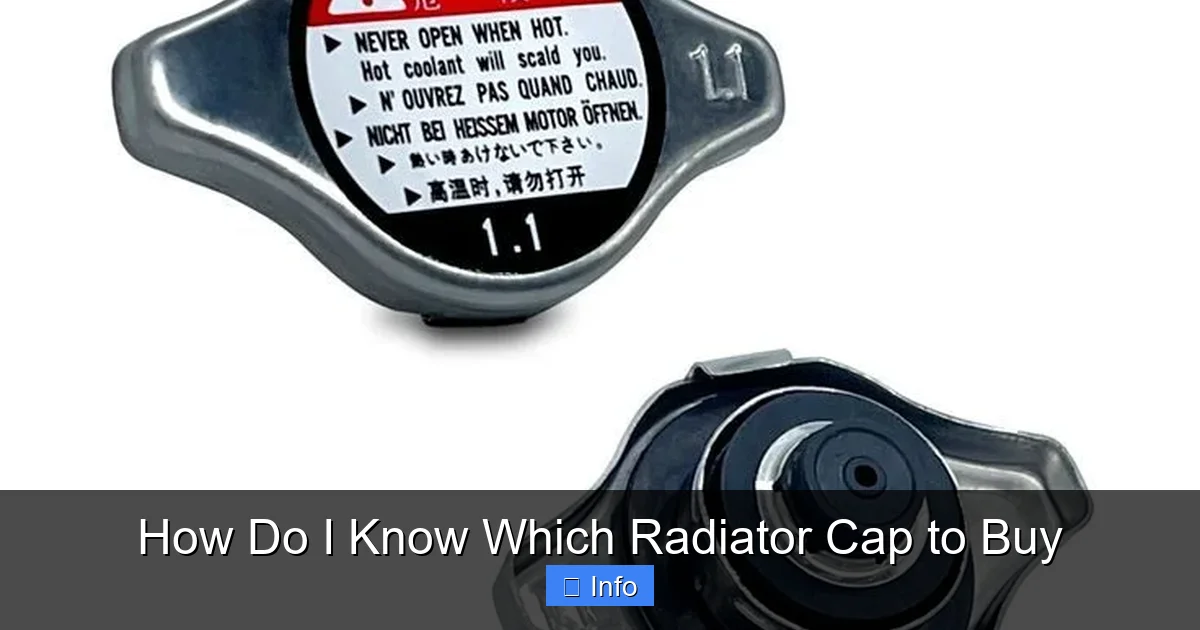
Most passenger cars use either a 13 psi or a 16 psi cap. Some high‑performance or diesel engines may require 18 psi or higher. The pressure rating is stamped on the top of the cap, often alongside the part number. When you’re trying to figure out How Do I Know Which Radiator Cap To Buy, locate that number first.
Why does pressure matter? Coolant’s boiling point rises about 3 °F for each psi of pressure. At 15 psi, the boiling point of a 50/50 coolant mix is roughly 265 °F instead of 223 °F at atmospheric pressure. That extra margin prevents the coolant from turning into steam inside the engine block, which would cause hot spots and potential damage.
For a quick reference, see our 13 vs 16 psi radiator cap comparison. It shows how the two most common ratings affect boiling point and system safety.
Identifying Your Vehicle’s Specifications
Now that you understand what the cap does, the next step in answering How Do I Know Which Radiator Cap To Buy is to find the exact specifications for your car, truck, or SUV.
Visual guide about How Do I Know Which Radiator Cap to Buy
Image source: natrad.com.au
Checking the Owner’s Manual
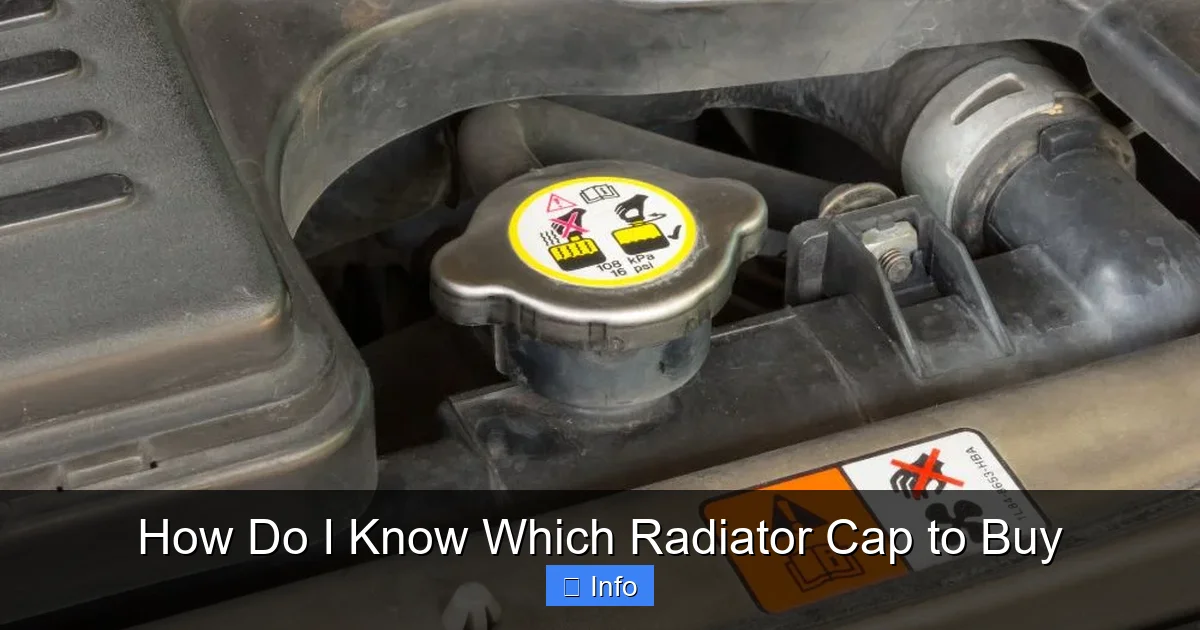
The owner’s manual is the most reliable source. Look in the “Maintenance” or “Cooling System” section. You’ll usually find a line like “Radiator Cap: 13 psi, Part No. XYZ123.” Write down both the pressure rating and the part number. If you can’t locate the manual, many manufacturers offer PDF versions online.
When you read the manual, you’ll see the answer to How Do I Know Which Radiator Cap To Buy right there: use the exact part number or match the pressure and thread specs listed.
Looking at the Existing Cap
If the original cap is still on the radiator, inspect it closely. Most caps have the pressure rating (e.g., “13”) and sometimes a part number or manufacturer logo stamped on the metal top. Note any markings, then compare them to replacement options.
Be careful: a worn or corroded cap may have illegible stamps. In that case, rely on the manual or measure the threads yourself (we’ll cover that next). This step often clarifies How Do I Know Which Radiator Cap To Buy when you’re unsure about the manual’s accuracy.
Matching Pressure Ratings and Thread Types
Even if you know the pressure rating, you still need to make sure the cap physically fits. This is where thread size and direction come into play.
Visual guide about How Do I Know Which Radiator Cap to Buy
Image source: i.pinimg.com
Common Pressure Ratings (13 psi, 16 psi, etc.)
As mentioned, 13 psi and 16 psi dominate the market. Some older vehicles use 7 psi or 10 psi, while certain turbocharged or diesel engines may need 20 psi+. When you ask How Do I Know Which Radiator Cap To Buy, verify the exact psi required for your engine’s operating temperature and altitude.
High‑altitude driving reduces atmospheric pressure, which can affect the cap’s effective pressure. If you live above 5,000 feet, some experts recommend a slightly higher‑rated cap to compensate. Always cross‑check with the manufacturer’s guidance.
Thread Size and Direction
Radiator necks use either metric or SAE threads, and they can be right‑hand (standard) or left‑hand (rare). The most common thread is a 1.25‑inch diameter with 14 threads per inch (TPI) right‑hand. However, some European models use a M45×3 metric thread.
To measure, use a caliper or a thread gauge. Measure the outer diameter of the threads on the radiator neck, then count the threads per inch (or pitch for metric). When you’re trying to solve How Do I Know Which Radiator Cap To Buy, a mismatch here will cause the cap to either not seat properly or to cross‑thread, leading to leaks.
If you’re not comfortable measuring, take the old cap to an auto parts store. Most clerks can match it by sight or with a thread‑checking tool.
Evaluating Material and Build Quality
Pressure rating and threads are critical, but the cap’s construction also affects longevity and performance.
Visual guide about How Do I Know Which Radiator Cap to Buy
Image source: images.saymedia-content.com
Metal vs. Plastic Caps
Most OEM caps are made of brass, stainless steel, or aluminum with a rubber or silicone seal. Plastic caps are lighter and cheaper but can become brittle over time, especially in hot engine bays. When you ponder How Do I Know Which Radiator Cap To Buy, consider the climate and how long you plan to keep the vehicle.
Metal caps generally resist heat cycling better and provide a more consistent seal. If you do a lot of towing, racing, or live in a hot climate, a metal cap is worth the extra cost.
Seals and Springs
The internal spring determines the pressure at which the valve opens. A weak or corroded spring will cause the cap to open too early. The seal (usually a rubber O‑ring) prevents coolant from leaking past the cap. Inspect the seal for cracks, hardening, or deformation.
When buying a replacement, look for caps that advertise “reinforced spring” or “high‑temperature silicone seal.” These features often answer the question How Do I Know Which Radiator Cap To Buy by promising longer service life.
Buying and Installing the Right Cap
With specifications in hand, it’s time to purchase and install the new cap.
Purchasing Tips (OEM vs Aftermarket)
OEM (Original Equipment Manufacturer) caps are made by the same supplier that built the part for your car. They guarantee fit and performance. Aftermarket caps can be just as good if they come from reputable brands like Stant, Gates, or Mishimoto. Avoid no‑name, ultra‑cheap caps; they often fail the pressure test.
When you’re still asking How Do I Know Which Radiator Cap To Buy, check customer reviews for mentions of pressure accuracy and durability. A cap that consistently holds its rated pressure is a good sign.
You can buy caps online, at auto parts chains, or from a dealership. If you order online, verify the seller’s return policy in case the part doesn’t fit.
Installation Steps
Installing a radiator cap is straightforward, but follow these steps to avoid mistakes.
- Make sure the engine is cool. Never remove a hot cap; pressurized coolant can cause severe burns.
- Place a rag over the cap and turn it counter‑clockwise to relieve any residual pressure.
- Remove the old cap and inspect the radiator neck for debris or corrosion.
- Clean the neck with a soft brush if needed.
- Place the new cap on the neck and turn it clockwise until it seats firmly. You should feel a slight resistance as the threads engage.
- Give it a final snug turn—do not over‑tighten, as this can strip the threads.
- Start the engine and let it reach operating temperature. Watch for any coolant leaks around the cap.
- After the first drive, re‑check the cap to ensure it’s still tight.
Following these steps will help you confidently answer How Do I Know Which Radiator Cap To Buy and know that the installation is correct.
Maintenance, Troubleshooting, and Final Tips
Even the best cap needs occasional attention. Knowing what to watch for keeps your cooling system healthy.
Signs of a Failing Cap
A failing cap often shows one or more of these symptoms:
- Coolant leaking from the overflow tank or around the cap neck.
- Engine overheating despite adequate coolant levels.
- Coolant boiling over after short drives.
- A hissing sound from the cap area when the engine is hot.
- Visible corrosion or damage on the cap’s metal top.
If you notice any of these, revisit the question How Do I Know Which Radiator Cap To Buy and replace the cap promptly.
Preventive Care
Simple habits extend cap life:
- Check the coolant level monthly; low levels increase pressure on the cap.
- Flush the cooling system according to the manufacturer’s schedule (usually every 30,000–50,000 mi).
- Use the correct coolant type; mixing incompatible formulas can degrade seals.
- Keep the engine bay clean. Dirt and grit can work into the cap threads and cause wear. For tips, see our guide on cleaning your car engine bay.
- Periodically inspect the cap’s seal for cracks or hardening.
When to Consider a Pressure Test
If you suspect a head gasket leak or intermittent overheating, a cooling system pressure test can reveal whether the cap is holding pressure correctly. Many shops perform this test for a small fee. Knowing how to interpret the results ties back to How Do I Know Which Radiator Cap To Buy because it confirms whether your current cap is doing its job.
You can also learn more about checking compression and pressure with our article on checking compression ratio with a compression test, which covers similar diagnostic principles.
By staying proactive, you’ll rarely have to ask How Do I Know Which Radiator Cap To Buy again—you’ll already have the right part installed and functioning.
Conclusion
Answering How Do I Know Which Radiator Cap To Buy comes down to three core steps: know the required pressure rating, verify the thread size and direction, and choose a quality cap from a trusted source. Start with your owner’s manual or the existing cap, match the specs, and install the new part carefully. Regular inspections and coolant maintenance will keep the cap—and your engine—running cool for miles to come.
Remember, the radiator cap may be small, but its role in regulating pressure and temperature is huge. Treat it with the same care you’d give any other critical engine component, and you’ll avoid the headaches of overheating, leaks, and costly repairs.
Now that you have the roadmap, the next time you wonder How Do I Know Which Radiator Cap To Buy, you’ll have the confidence to pick the perfect cap and get back on the road with peace of mind.
Frequently Asked Questions
What pressure rating should I look for in a radiator cap?
Most passenger vehicles use either a 13 psi or a 16 psi cap. Check your owner’s manual or the existing cap for the exact psi rating your engine requires.
Can I use a cap with a higher pressure rating than recommended?
Using a higher‑rated cap can over‑pressurize the cooling system, risking damage to hoses, the radiator, or the heater core. Always match the manufacturer’s specified pressure.
How do I know if the threads on my radiator neck are metric or SAE?
Measure the outer diameter of the threads and count the threads per inch (or pitch for metric). If you’re unsure, take the old cap to an auto parts store for a quick match.
Is it safe to replace a radiator cap while the engine is warm?
Never remove a hot radiator cap. The system is under pressure, and hot coolant can cause severe burns. Wait until the engine has cooled to ambient temperature.
What are the signs that my radiator cap is failing?
Look for coolant leaks around the cap, overheating despite proper coolant levels, boiling over after short drives, a hissing sound from the cap area, or visible corrosion on the cap itself.
Do I need to replace the radiator cap when I flush the cooling system?
It’s a good practice to inspect the cap during a coolant flush. If the seal shows wear, cracking, or the spring feels weak, replace it at the same time to ensure optimal performance.