Using Toothpaste to Remove Scratches on Car
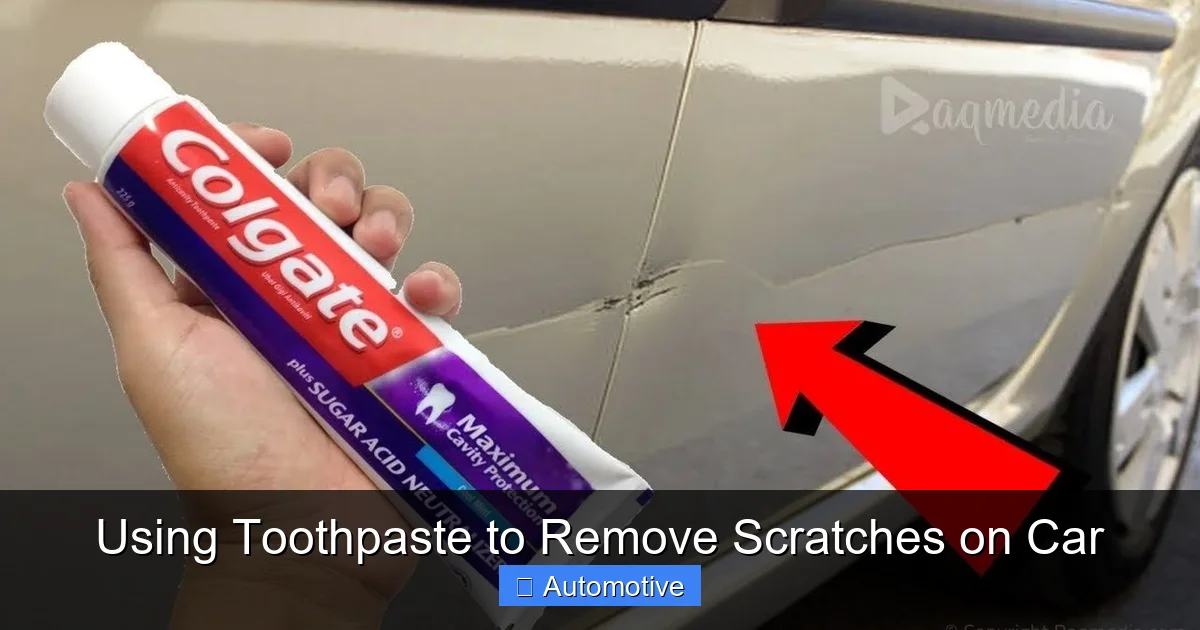
Using toothpaste to remove scratches on car paint is a quick, low‑cost DIY method that can minimize the appearance of minor scuffs. This guide explains why toothpaste works, what materials you need, and step‑by‑step instructions to achieve a smoother finish without professional buffing.
Have you ever noticed a small scratch on your car’s paint and wondered if you can fix it without spending a lot of money? Using toothpaste to remove scratches on car surfaces is a popular DIY trick that many car owners try at home. It is simple, cheap, and can work for minor blemishes, but it is not a magic cure for every type of damage.
In this article we will explain why toothpaste can help, what supplies you need, and how to apply it correctly. We will also discuss the limits of this method and when it is better to seek professional help. By the end, you will feel confident about trying this approach or knowing when to call a pro.
Key Takeaways
- Why it works: Toothpaste contains mild abrasives that can level the clear coat and reduce scratch visibility.
- Best toothpaste type: Use a non‑gel, non‑whitening formula with baking soda or silica for optimal polishing.
- Essential tools: Microfiber cloth, polishing compound, and a soft applicator pad are all you need.
- Technique matters: Apply gentle pressure in circular motions, then wipe away residue immediately.
- Limitations: This method works only on shallow scratches; deep gouges require professional repair.
- Safety tip: Avoid using on matte or vinyl wraps to prevent damage.
📑 Table of Contents
Why Toothpaste Works on Car Paint
To understand why using toothpaste to remove scratches on car paint is possible, you need to know about the structure of automotive paint. Most modern cars have a clear coat layer that protects the color coat underneath. A shallow scratch only affects the clear coat. Toothpaste contains fine abrasives, such as silica or calcium carbonate, which can gently level the clear coat and make the scratch less visible.
The abrasive particles in toothpaste are smaller than those in many polishing compounds, which means they can smooth out the surface without removing too much material. This is why a non‑gel, non‑whitening toothpaste is often recommended; it has a consistent texture that works well for polishing. Some brands even include baking soda, which adds a mild polishing action.
Another reason toothpaste can be effective is that many brands contain mild surfactants that help lift dirt from the surface. These surfactants work together with the abrasives to clean the paint while polishing.
What You Need to Get Started
Before you begin, gather a few simple items. You will need:
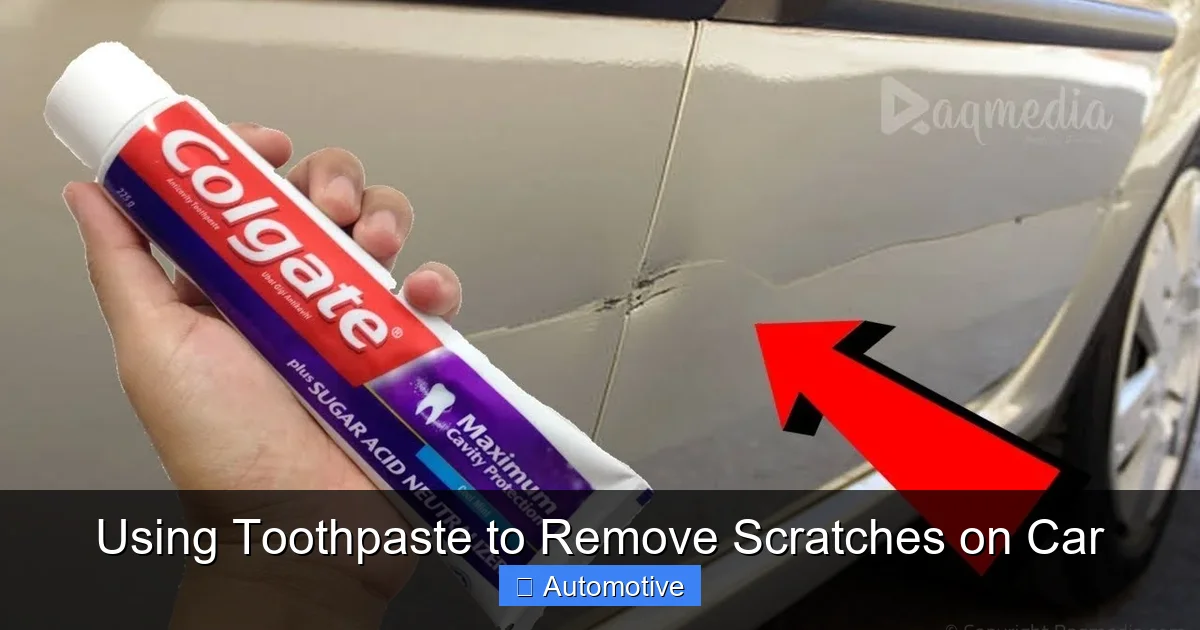
Visual guide about Using Toothpaste to Remove Scratches on Car
Image source: i.ytimg.com
- A tube of plain, non‑gel toothpaste (preferably with baking soda or silica)
- A clean microfiber cloth or a soft applicator pad
- A small bucket of warm water
- Optional: a polishing compound for extra shine
Make sure the area you plan to work on is clean and dry. Any dirt or grit can cause additional scratches when you rub the toothpaste. If you are working on a large panel, consider washing the entire car first to avoid spreading dirt.
In addition to the basic items, having a pair of clean gloves can keep your hands free of chemicals and prevent any oils from transferring to the paint. If you are working on a large area, a bucket with a grid can help keep your cloth clean.
You might also want to have a spray bottle with water to keep the surface lubricated.
Step‑by‑Step Guide to Using Toothpaste
Follow these steps to apply toothpaste to a scratch:
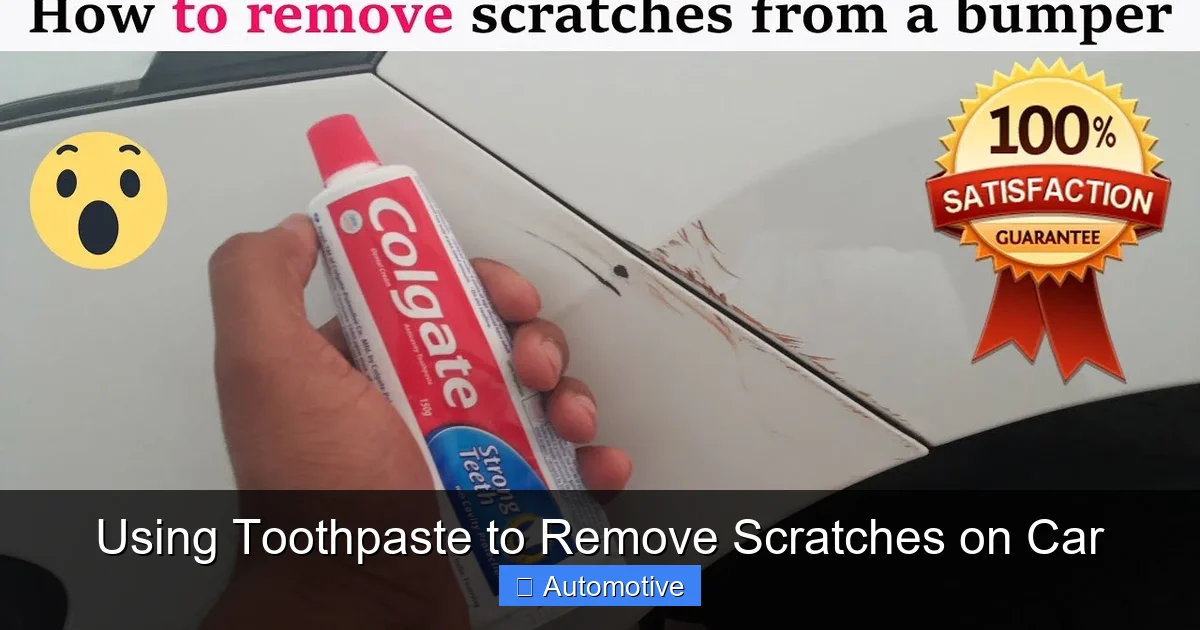
Visual guide about Using Toothpaste to Remove Scratches on Car
Image source: i.ytimg.com
- Wash the scratched area with soap and water, then dry it thoroughly.
- Squeeze a pea‑sized amount of toothpaste onto the microfiber cloth.
- Gently rub the toothpaste into the scratch using circular motions. Apply light pressure; you do not need to scrub hard.
- Continue rubbing for about 30 seconds to one minute. You should see the scratch start to fade.
- Wipe away the residue with a clean, damp cloth. If needed, repeat the process.
- After the area is clean, you can apply a small amount of polishing compound to restore shine.
Remember, the goal is to level the clear coat, not to remove it entirely. Over‑rubbing can thin the paint and cause more damage. If you notice the toothpaste drying out, add a little water to keep it lubricated.
If you are dealing with multiple scratches, repeat the process for each one, but be sure to clean the cloth between scratches to avoid spreading debris. For best results, work on one panel at a time.
If the scratch is on a curved surface, adjust your pressure to follow the contour.
Tips for Best Results
To get the most out of using toothpaste to remove scratches on car paint, keep these tips in mind:
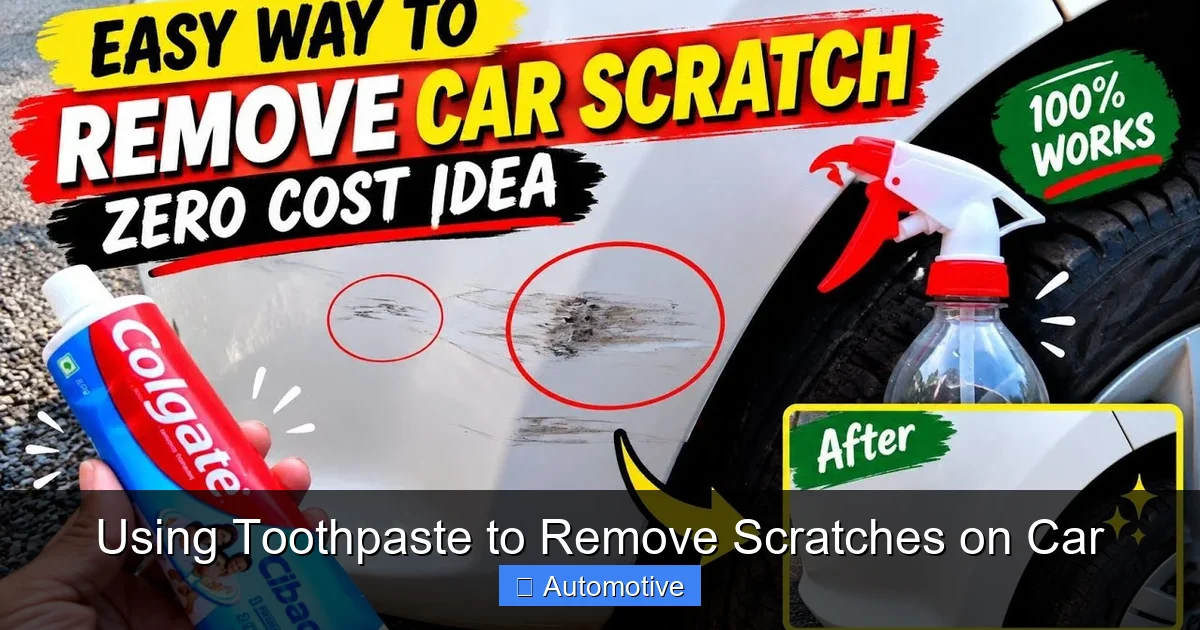
Visual guide about Using Toothpaste to Remove Scratches on Car
Image source: i.ytimg.com
- Work in a shaded area to prevent the toothpaste from drying too quickly.
- Use a clean side of the cloth for each pass to avoid grinding dirt into the paint.
- Test the toothpaste on a small, inconspicuous spot first to ensure it does not dull the finish.
- If the scratch is deep or you can feel it with your fingernail, the method may not be effective.
- After the scratch is less visible, apply a wax or sealant to protect the repaired area.
For a deeper understanding of alternative methods, you might want to read our guide on how to remove scratches from car paint without buffing. This resource explains how to use polishing compounds and other tools that can complement the toothpaste technique.
Consider using a dual‑action polisher if you have one; it can make the job easier and more consistent. However, if you are a beginner, hand application is perfectly fine and gives you more control.
Avoid using paper towels, as they can leave lint and cause micro‑scratches.
Common Mistakes to Avoid
Even though the process is simple, there are a few errors that can make things worse:
- Using gel toothpaste, which can leave a residue and is less effective.
- Applying too much pressure, which can create new swirl marks.
- Skipping the cleaning step, leading to dirt being ground into the paint.
- Ignoring the fact that deep scratches may require professional repair.
Another common oversight is not checking the paint type. Matte or vinyl wraps can be damaged by abrasives, so avoid using toothpaste on those surfaces. If you are unsure, consult the vehicle’s owner manual or a professional. For more on dealing with other paint imperfections, see our article on how to remove tiny black spots on car paint.
Another mistake is applying toothpaste to a hot car surface. Heat can cause the paste to dry quickly and may leave streaks. Always work in a cool, shaded spot.
Do not use abrasive sponges; they can remove too much clear coat.
When to Call a Professional
While using toothpaste to remove scratches on car paint can be a handy fix for minor blemishes, it is not a solution for every problem. If the scratch is deep enough to expose the metal, or if you see the primer, you should take the car to a detailer or body shop. Additionally, if the paint is chipped or the clear coat is missing in a large area, professional repainting may be necessary.
For damage on chrome parts, consider checking the tutorial on how to get deep scratches out of chrome for specialized advice. Professionals have access to higher‑grade compounds and can achieve a factory‑like finish.
Professional detailers often use rotary machines with specialized pads that can remove deeper scratches without damaging the surrounding paint. While this service costs more, it can save you time and ensure a factory‑like finish.
If you are unsure about the severity of the scratch, a quick inspection by a professional can save you from costly repairs.
Conclusion
In summary, using toothpaste to remove scratches on car paint is a low‑cost, easy method that can improve the appearance of shallow scratches. By choosing the right type of toothpaste, applying it gently, and following the steps outlined above, many car owners can achieve satisfactory results. However, it is important to recognize the limits of this technique and to seek professional help when needed. With proper care, your vehicle can keep its sleek look without breaking the bank.
Remember, the key to success is patience and gentle pressure. With a little practice, you will become more confident in using toothpaste to maintain your car’s appearance.
Frequently Asked Questions
Can any type of toothpaste be used?
It is best to use a plain, non‑gel, non‑whitening toothpaste. These types contain mild abrasives that can polish the clear coat without leaving a residue.
How long does the process take?
For a single small scratch, the actual polishing step usually takes about 30 seconds to one minute. The total time, including cleaning and drying, may be around 5 to 10 minutes.
Will toothpaste work on deep scratches?
No, toothpaste can only level shallow scratches that affect the clear coat. If the scratch is deep enough to expose metal or primer, professional repair is required.
Is it safe for all car paint types?
It is generally safe for glossy paint, but you should avoid using it on matte, satin, or vinyl wraps because the abrasives can damage those finishes.
Can I use toothpaste on matte paint?
No, the abrasive particles in toothpaste can dull or scratch matte finishes, so it is not recommended for matte or vinyl surfaces.
What should I do if the scratch reappears?
If the scratch becomes visible again, you can repeat the process. However, if it keeps returning, the clear coat may be too thin and a professional detailer should be consulted.