Is a Cracked Windshield Covered Under Toyota Warranty
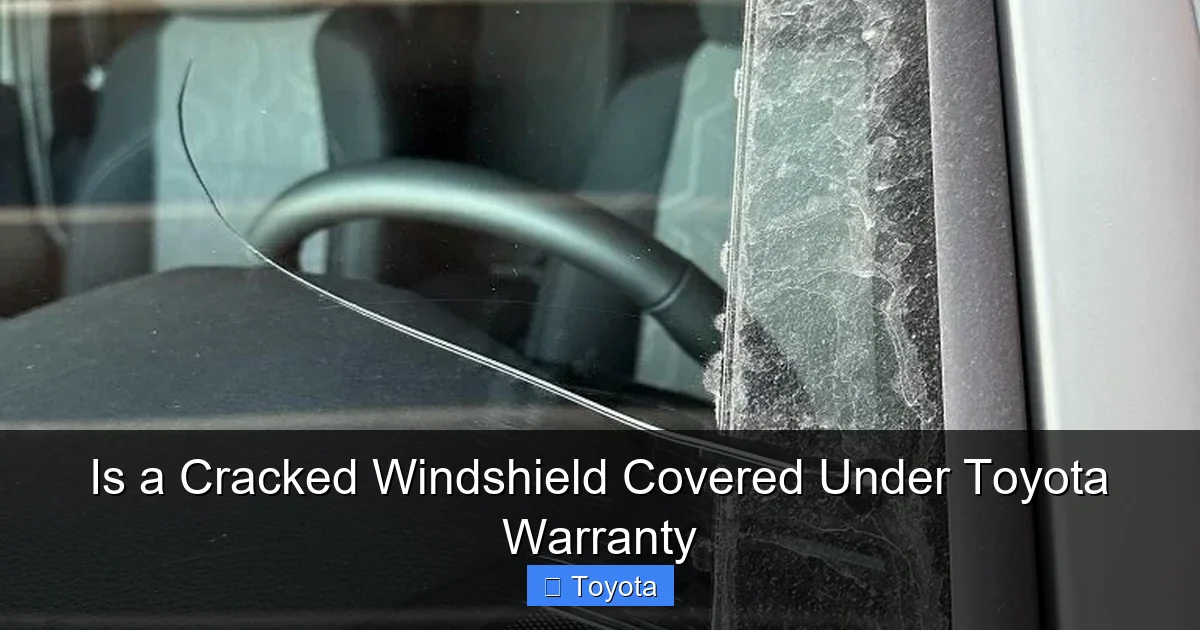
Wondering if a cracked windshield is part of your Toyota warranty? This guide explains coverage, claim steps, and alternatives when the warranty falls short. Learn how to protect your vehicle and keep your peace of mind intact.
Key Takeaways
- Coverage Scope: Toyota’s warranty covers manufacturing defects, but not accidental damage.
- Claim Process: File promptly with a certified dealer and provide documentation.
- Warranty Limits: Replacement windows are covered, but cracks caused by impact are typically out of scope.
- Alternative Options: Extended warranties and third‑party repair shops may fill the gap.
- Prevention: Keep a safe distance from debris and maintain proper tire pressure.
📑 Table of Contents
What Does the Toyota Warranty Cover?
When you buy a new Toyota, you get a comprehensive warranty that protects you from defects in materials and workmanship. The standard warranty lasts five years or 60,000 miles, whichever comes first, and the powertrain warranty covers seven years or 100,000 miles. However, the warranty’s language is clear: it covers problems that arise from manufacturing flaws, not damage caused by accidents or external forces.
Windshields are considered a safety component, and Toyota’s warranty does include a replacement for the glass if invariant manufacturing defects are proven. Butpons, cracks, and chips caused by debris, hail, or careless driving fall outside that coverage.
Manufacturing vs. Accident Damage
Manufacturing defects are issues that occur during the production of the vehicle. Accident damage is any harm that takes place after the vehicle has left the factory. Toyota’s warranty distinguishes between the two, and this is where a cracked windshield often lands.
Common Causes of Windshield Cracks
Windshield damage can happen for many reasons, and understanding them helps you decide whether the warranty will bite.
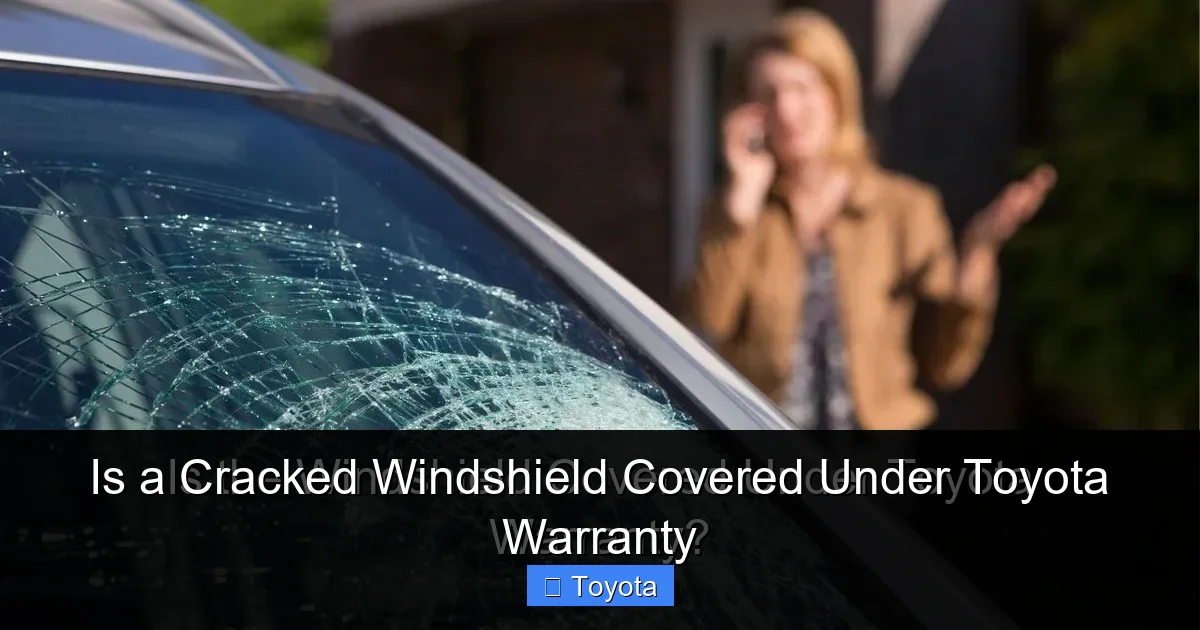
Visual guide about Is a Cracked Windshield Covered Under Toyota Warranty
Image source: aautomotives.com
Road Debris
Even a small piece of gravel can split a windshield. Drivers who maintain a safe distance from traffic and keep their vehicles well serviced reduce this risk.
Hailstorms
Hail can dent or fracture the glass. If a hailstorm hits while your car is parked, the damage is considered accidental.
Temperature Fluctuations
Rapid changes in temperature can cause expansion and contraction of the glass, leading to cracks over time.
Improper Installation or Handling
During manufacturing or a repair, mishandling the glass can leave micro‑cracks that later become visible.
Is a Cracked Windshield Covered Under Toyota Warranty?
This is the core question many owners ask. The short answer: it depends on how the crack happened.
Visual guide about Is a Cracked Windshield Covered Under Toyota Warranty
Image source: aautomotives.com
When the Warranty Covers the Damage
If the windshield crack is a direct result of a manufacturing defect – for example, a flaw in the laminate or a flaw introduced during the factory installation – Toyota’s warranty will replace the glass at no cost to you.
When the Warranty Does Not Cover the Damage
Cracks caused by road debris, hail, or other external forces are considered accidental. In this scenario, Toyota’s warranty does not pay for the repair or replacement. You will need to pay out‑of‑pocket or use other coverage options.
Documentation Matters
When you file a claim, your dealer will ask for evidence of the cause. Photos, a police report, or a third‑party inspection can help prove a defect rather than an accident.
How to File a Warranty Claim for a Windshield
Even if the damage is covered, the process is straightforward if superficial and timely.
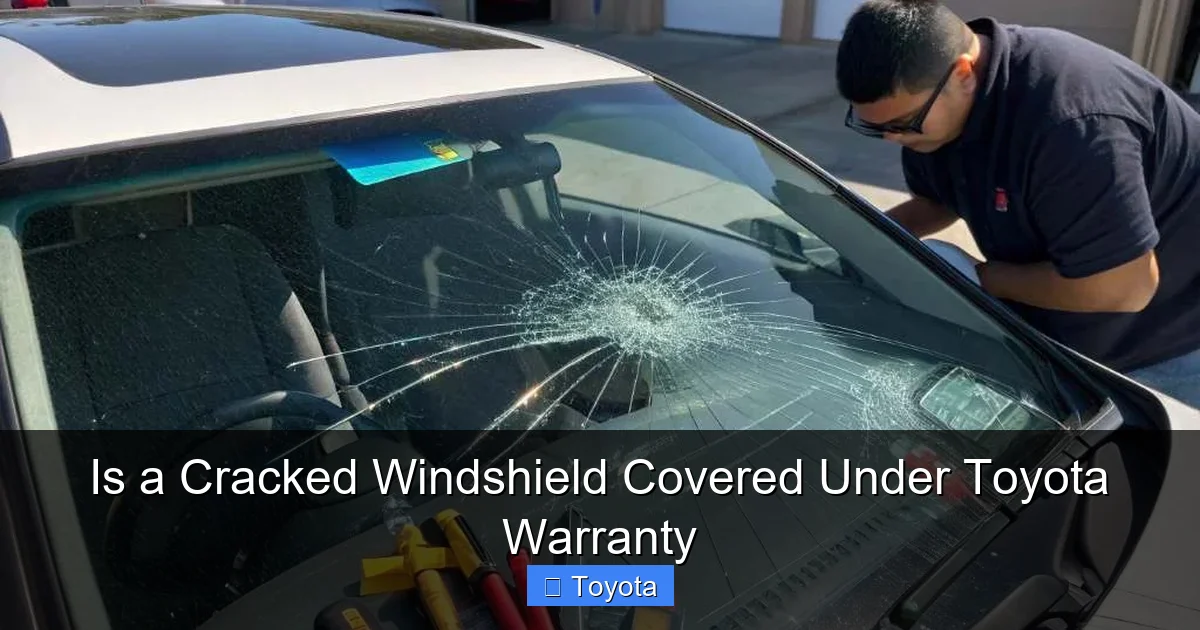
Visual guide about Is a Cracked Windshield Covered Under Toyota Warranty
Image source: tcotreport.com
Step 1 – Contact Your Dealer
Call the dealership where you purchased the car. They will guide you to the warranty department and schedule an inspection.
Step 2 – Inspection and Diagnosis
A technician will evaluate the crack. If they determine a defect, they will record it in Toyota’s warranty system.
Step 3 – Replacement or Repair
For covered defects, the dealer will replace the windshield with a factory‑approved unit. If the dealer cannot replace it on‑site, they will ship the part and set a date for the replacement.
Step 4 – Keep Records
Save copies of all paperwork, including the claim form, repair estimates, and receipts.flagged
It 大连
If the windshield crack is accidental, you still have options. Here are the best alternatives.
Extended Warranty Plans
Some Toyota owners purchase extended warranties that cover additional components, including glass. Check if your extended plan lists windshield coverage.
Third‑Party Repair Shops
Many reputable auto glass shops can replace windshields for a fraction of the cost of a dealer. Look for shops certified by Toyota or that use OEM glass.
Insurance Claims
Collision or comprehensive insurance can cover windshield replacement. Contact your insurer to see if you qualify for a claim.
DIY Repair Kits
For very small chips পাশে, a repair kit can be a cost‑effective solution. However, these kits cannot fix deep cracks.
Preventing Future Windshield Damage
Once you’ve replaced a cracked windshield, it’s wise to adopt habits that keep your glass intact.
Maintain a Safe Distance
Keeping a reasonable gap between your car and traffic reduces the chance of debris striking your windshield.
Check Tire Pressure Regularly
Under‑inflated tires can cause uneven road contact, which may send stones or debris toward幅
the glass.
Use Protective Films
Applying a tempered glass film can absorb minor impacts and prevent cracks from spreading.
Regular Inspections
Have your windshield inspected at least once a year, especially if you live in a hail zone. Early detection of micro‑cracks can stop them from becoming major issues.
Stay Informed About Recall Notices
Occasionally, Toyota issues recalls that cover windshield defects. Sign up for alerts so you’re never caught off guard.
Conclusion
Knowing whether a cracked windshield is covered under Toyota warranty is key to managing costs and staying safe on the road. While manufacturing defects fall under the warranty, accidental damage usually does not. By following the claim process, exploring alternative coverage, and adopting preventive measures, you can protect your vehicle and your wallet. If you’re looking to keep your Toyota running smoothly, consider how much a new Toyota Corolla or a Toyota Rav might cost and weigh that against potential repair expenses. And if you’re ever in doubt, a quick visit to your dealer or a certified auto glass shop can give you peace of mind.
Frequently Asked Questions
What is the standard length of Toyota’s warranty?
Toyota’s standard warranty lasts five years or 60,000 miles, and the powertrain warranty covers seven years or 100,000 miles.
Will Toyota replace a windshield that is cracked from hail?
No, hail damage is considered accidental and is not covered under the standard warranty.
Can I use my insurance to cover a cracked windshield?
Yes, collision or comprehensive coverage often includes windshield replacement. Check with your insurer for details.
What documentation do I need to file a warranty claim?
Photos of the damage, a dealer inspection report, and any proof of a manufacturing defect will support your claim.
Do extended warranties cover windshield replacement?
Some extended warranty plans include windshield coverage. Verify the terms of your specific plan to see if it applies.
Is there a quick fix for a small chip in the windshield?
Small chips can be repaired with a DIY kit or by a professional. However, deep cracks require full replacement.