How to Program Tpms Sensors on Toyota
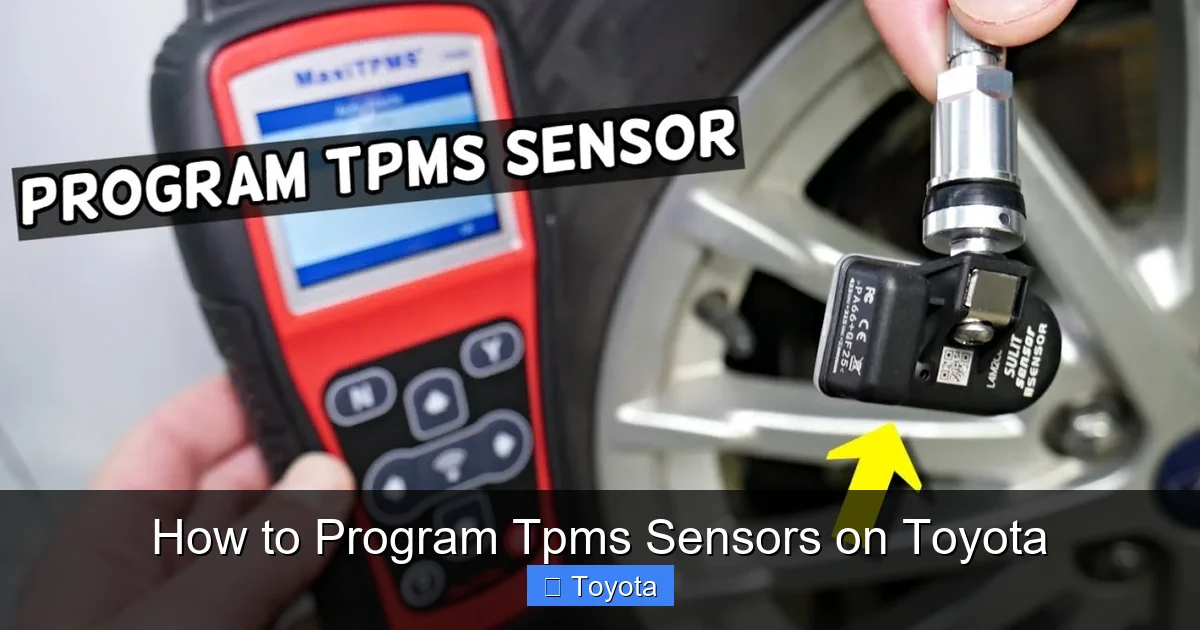
Programming TPMS sensors on Toyota is essential for maintaining your vehicle’s safety and performance. Whether you’re replacing a sensor or syncing new ones, this guide provides clear, actionable steps tailored to Toyota models. Follow our instructions carefully to avoid errors and ensure your TPMS system works flawlessly.
Key Takeaways
- Understand TPMS importance: Properly programmed sensors prevent safety risks and fuel inefficiency.
- Use the right tools: A TPMS programming tool or OBD-II scanner is crucial for accurate setup.
- Follow model-specific steps: Toyota models like Camry or Corolla may require unique programming methods.
- Avoid common mistakes: Don’t skip resetting the system after installation.
- Test after programming: Drive the vehicle to confirm sensors are functioning correctly.
- Seek professional help if needed: Complex systems or persistent errors may require a mechanic.
📑 Table of Contents
Introduction to TPMS Sensors on Toyota Vehicles
Modern Toyota vehicles are equipped with Tire Pressure Monitoring Systems (TPMS) to ensure safety and efficiency. These sensors monitor tire pressure in real-time, alerting drivers when pressure drops below a safe threshold. However, TPMS sensors must be programmed after installation, replacement, or vehicle servicing. If not done correctly, you might face warning lights, inaccurate readings, or even safety hazards. Programming TPMS sensors on Toyota isn’t just a technical task—it’s a critical step to maintain your car’s performance and comply with safety regulations. Whether you’re a DIY enthusiast or a first-time owner, understanding this process can save you time, money, and stress.
Why TPMS Programming Matters for Toyota Owners
Toyota’s TPMS system is designed to work seamlessly with the vehicle’s onboard computer. When new sensors are installed, they need to “learn” the car’s system to transmit data accurately. Without proper programming, the sensors may not sync, leading to false warnings or complete system failure. For example, if you replace a sensor on a 2020 Toyota Camry but skip programming, the dashboard might display incorrect pressure levels or trigger unnecessary alerts. This can be dangerous on the road, especially in adverse weather conditions. Additionally, modern Toyota models often require specific calibration steps, making the programming process unique to each vehicle. Ignoring these steps could void warranties or lead to costly repairs.
Tools and Materials Needed for TPMS Programming
Before diving into the programming process, gather the necessary tools. While some Toyota models allow manual programming without specialized equipment, most require a TPMS programming tool or an OBD-II scanner. These tools are designed to communicate with the vehicle’s ECU (Engine Control Unit) to reset and pair sensors. For instance, a basic TPMS tool might cost around $50-$100, while advanced OBD-II scanners can be more expensive. It’s also wise to have a tire pressure gauge to check each tire’s pressure before starting. Additionally, ensure you have the vehicle’s manual or a reliable online guide specific to your Toyota model. Some owners opt for professional services if they’re uncomfortable with DIY methods, but having the right tools at home can save you from unnecessary expenses.
Common TPMS Tools for Toyota Vehicles
- TPMS Programming Tool: A dedicated device for resetting and pairing sensors. Brands like Torque Pro or Autel offer models compatible with Toyota.
- OBD-II Scanner: Useful for diagnosing issues and programming sensors via the vehicle’s diagnostic port.
- Tire Pressure Gauge: Essential for verifying pressure levels before and after programming.
- Vehicle Manual: Provides model-specific instructions and warnings.
Step-by-Step Guide to Program TPMS Sensors on Toyota
Programming TPMS sensors on Toyota varies slightly depending on the model year and trim. However, the general process involves resetting the system, placing sensors in the vehicle, and confirming the pairing. Let’s break it down step by step.
Step 1: Reset the TPMS System
Start by turning the ignition to the “ON” position without starting the engine. This activates the TPMS system. Use your TPMS tool or OBD-II scanner to initiate a reset. For example, on a 2019 Toyota Corolla, you might need to press a specific button on the tool while the car is in “ON” mode. This step clears any existing data and prepares the system for new sensors.
Step 2: Install or Replace the Sensors
If you’re replacing a sensor, ensure the new one is compatible with your Toyota model. Remove the old sensor carefully, taking note of its position. Install the new sensor, making sure it’s securely attached to the wheel. Some Toyota models require the sensor to be “activated” by driving at a certain speed or time. For instance, a 2021 Toyota RAV4 might need the vehicle to be driven for 10 minutes at 30 mph to activate the sensor.
Step 3: Pair the Sensors with the Vehicle
Once the sensors are installed, use your TPMS tool to pair them with the car. This involves pressing buttons on the tool while the vehicle is in “ON” mode. The tool will send a signal to each sensor, allowing the ECU to recognize them. For example, on a 2022 Toyota Highlander, you might need to press the “Pair” button on the tool for each sensor. It’s crucial to follow the exact sequence provided in your vehicle’s manual to avoid mismatches.
Step 4: Verify the Programming
After pairing, start the engine and check the dashboard for the TPMS warning light. If the light doesn’t illuminate, the sensors are likely programmed correctly. However, if the light stays on, double-check the steps. Some Toyota models require a test drive to confirm functionality. Driving at varying speeds and pressures helps the system calibrate properly.
Step 5: Troubleshooting Common Issues
If the TPMS light remains on, possible causes include faulty sensors, incorrect installation, or system errors. For instance, a 2018 Toyota Camry might have a sensor that’s not compatible with the newer ECU. In such cases, consult the vehicle manual or a professional. Additionally, ensure the battery in the sensor is functional, as low battery can cause communication issues.
Tips for Successful TPMS Programming on Toyota
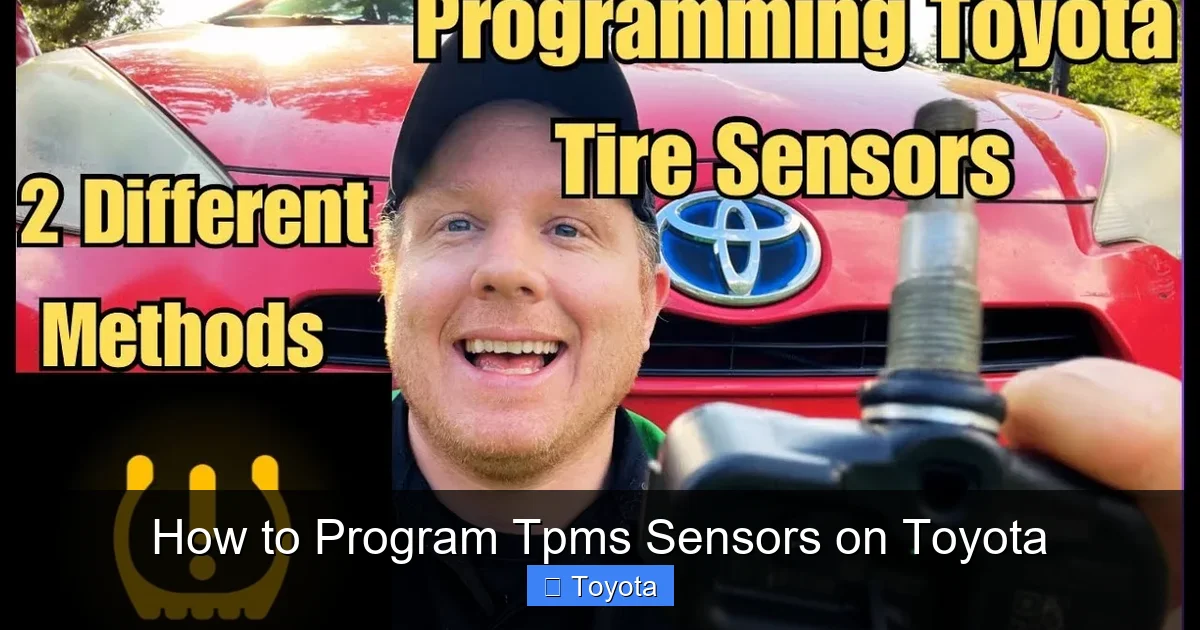
Visual guide about How to Program Tpms Sensors on Toyota
Image source: automotivian.com
Programming TPMS sensors on Toyota can be straightforward if you follow these tips:
Use the Correct Tools for Your Model
Not all TPMS tools work with every Toyota model. For example, a tool designed for older models might not support newer systems. Check the tool’s compatibility with your specific vehicle before purchasing.
Follow the Manufacturer’s Instructions
Each Toyota model has unique programming requirements. Ignoring these can lead to errors. Refer to the owner’s manual or Toyota’s official website for model-specific guidance.
Check Tire Pressure Before Programming
Ensure all tires are inflated to the recommended pressure. Incorrect pressure can cause the system to misread data, leading to failed programming.
Avoid Interference During Programming
Keep the vehicle in a quiet, interference-free environment. Electronic devices or strong signals can disrupt the pairing process.
Don’t Skip the Test Drive
After programming, drive the vehicle to confirm the sensors are working. This step ensures the system adapts to real-world conditions.
When to Seek Professional Help
While DIY programming is possible, some situations require a mechanic’s expertise. If you’re unsure about the steps, have a complex Toyota model, or face persistent TPMS issues, consult a certified technician. For example, programming a 2023 Toyota Land Cruiser might involve advanced diagnostics that a DIY tool can’t handle. Additionally, if the TPMS light continues to flash after programming, a professional can diagnose underlying issues like sensor damage or ECU errors.
Conclusion: Maintaining Your Toyota’s TPMS System
Programming TPMS sensors on Toyota is a vital task that ensures your vehicle’s safety and efficiency. By following the steps outlined above, using the right tools, and adhering to model-specific guidelines, you can avoid common pitfalls. Remember, a well-programmed TPMS system not only prevents dashboard warnings but also contributes to better fuel economy and tire longevity. Whether you’re a seasoned DIYer or a first-time owner, taking the time to learn this process empowers you to maintain your Toyota like a pro. With the right approach, you’ll enjoy peace of mind knowing your vehicle’s tire pressure is always monitored accurately.
Frequently Asked Questions
Why do I need to program TPMS sensors on Toyota?
Programming ensures the sensors communicate with your vehicle’s ECU. Without it, the system may not detect pressure changes, leading to false warnings or safety risks. Toyota’s TPMS requires specific calibration for each model.
Can I program TPMS sensors without a tool?
Some basic models allow manual resetting via the ignition, but most Toyota vehicles require a TPMS tool or OBD-II scanner. Skipping these tools can result in failed programming or inaccurate readings.
How often should I reprogram my TPMS sensors?
Reprogramming is typically needed when replacing sensors or after major servicing. Regular checks of tire pressure and sensor health can prevent the need for frequent reprogramming.
What if the TPMS light stays on after programming?
This could indicate a faulty sensor, incorrect installation, or a system error. Check the sensor’s battery, ensure proper installation, or consult a mechanic for diagnostics.
Are all Toyota TPMS sensors compatible?
No, sensors must match your Toyota model and year. Using incompatible sensors can cause programming failures. Always verify compatibility before purchasing.
Is TPMS programming covered under Toyota’s warranty?
It depends on the situation. If sensors fail due to a defect, warranty may cover replacement. However, improper DIY programming might void the warranty. Always follow manufacturer instructions.
Can I use a generic TPMS tool for my Toyota?
Some generic tools work, but Toyota-specific tools are recommended for accuracy. Check the tool’s compatibility with your model to avoid issues.