How Much Is Toyota Tire and Wheel Protection?
If you are wondering how much is Toyota Tire and Wheel Protection, the cost typically varies based on your vehicle model and the length of the coverage term. Generally, this protection is an optional add-on that provides peace of mind against road hazards like potholes or debris. Investing in this plan can save you significant money on replacement costs for expensive alloy wheels and premium tires.
We have all been there. You are driving down a familiar road, perhaps listening to your favorite podcast or singing along to the radio. Suddenly, you hear that dreaded thud. You feel a jolt through the steering wheel. Your heart sinks because you know what that sound likely means: you just hit a pothole, and your tire or wheel might be ruined.
Tires and wheels are essential, but they are also incredibly vulnerable. Between sharp gravel, deep potholes, and unexpected road debris, damage is almost inevitable over time. This is why many Toyota owners ask, “How much is Toyota Tire and Wheel Protection?” It is a smart question to ask before you drive off the lot.
Understanding the cost and the value of this protection is key to making a wise financial decision for your vehicle. In this guide, we will break down everything you need to know about pricing, what is actually covered, and whether it makes sense for your specific driving habits. Whether you drive a rugged truck or a sleek sedan, knowing these details can save you thousands in the long run.
Key Takeaways
- Variable Pricing: Costs depend on the specific vehicle, the type of tires, and the length of the contract.
- Road Hazard Coverage: The plan covers repairs or replacements due to sudden events like potholes or nails.
- Not Standard: This is an optional protection plan, not a standard feature included in your car purchase.
- OEM Focus: Most plans prioritize using Original Equipment Manufacturer parts to ensure fitment.
- Check the Fine Print: Always review exclusions, such as wear and tear or driver negligence.
📑 Table of Contents
Understanding Toyota Tire and Wheel Protection
Before we dive into the numbers, it is important to understand what this program actually is. Toyota Tire and Wheel Protection is an optional coverage plan designed to help offset the costs of repairing or replacing tires and wheels due to road hazards. It is important to note that this is not a standard part of a new car warranty. Instead, it is a specialized protection plan you can purchase to add an extra layer of security.
What is a Road Hazard?
In the world of tire protection, a “road hazard” is a specific term. It refers to an unexpected event that occurs while you are driving. Common examples include hitting a deep pothole, running over a large rock, or stepping on a nail or screw. These events cause sudden, accidental damage that cannot be prevented through regular maintenance.
What is Not Covered?
It is just as important to know what is not covered. Most plans do not cover “wear and tear.” This means if your tire tread is simply worn down because you have driven 40,000 miles, the protection plan will not pay for a new one. Similarly, damage caused by driver negligence, racing, or off-road driving (unless specifically stated) is usually excluded. You can find more information on general vehicle upkeep by reading about best value tire and wheel options for every driver.
How Much Does It Cost?
If you are looking for a single, universal price tag, you might be disappointed. There is no “one size fits all” price for Toyota Tire and Wheel Protection. Because the cost is tied to the value and complexity of your vehicle’s components, the price fluctuates significantly.
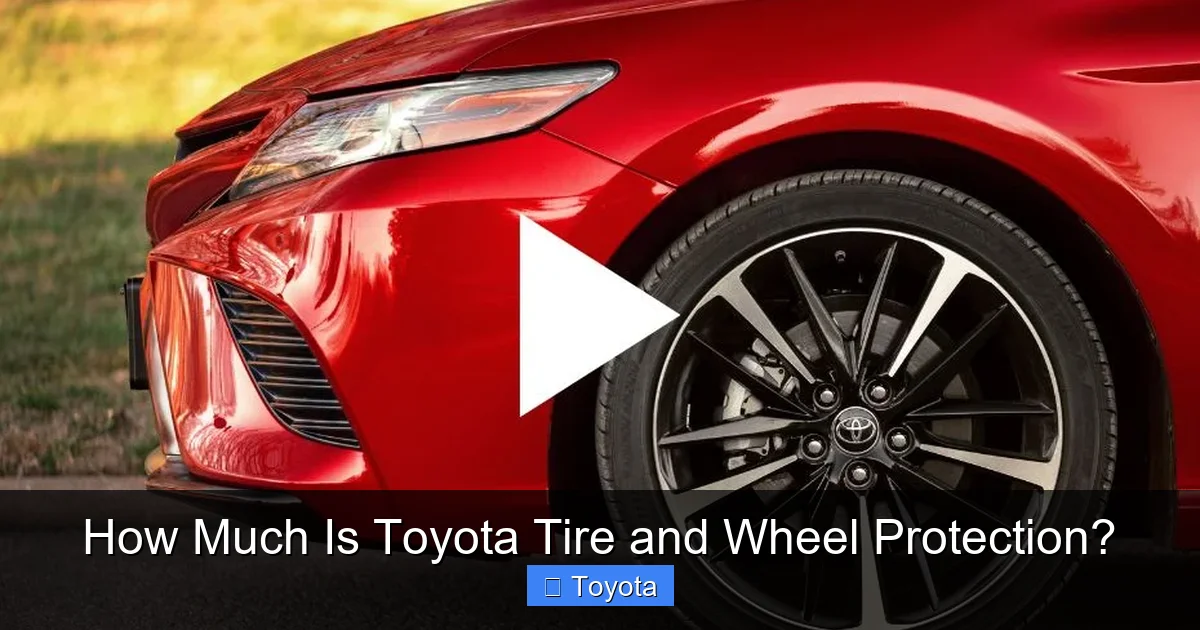
Visual guide about How Much Is Toyota Tire and Wheel Protection?
Image source: toyotafinancial-h.assetsadobe.com
Factors That Influence Pricing
Several key factors determine how much you will pay for this coverage:
- Vehicle Model: A standard Corolla will have much cheaper replacement parts than a high-performance Supra or a heavy-duty Tundra.
- Wheel Size and Material: Larger, specialized alloy wheels are much more expensive to replace than standard steel rims.
- Tire Type: Performance tires or specialized all-terrain tires carry a higher price tag than standard all-season tires.
- Contract Length: A 3-year plan will be much more affordable than a 5-year or 7-year plan.
Estimated Price Ranges
While prices vary by dealership and region, most owners find that these plans fall into a specific range. For a standard sedan, you might see prices ranging from a few hundred to a thousand dollars. For larger vehicles or SUVs, where the wheels are larger and the tires are more expensive, the price can climb higher. It is always a good idea to ask your dealer for a written quote that breaks down the monthly or lump-sum cost before you sign.
Is It Worth the Investment?
This is the million-dollar question. To decide if the cost is worth it, you have to look at your lifestyle and where you drive. Not everyone needs this type of protection, and for some, it might be an unnecessary expense.
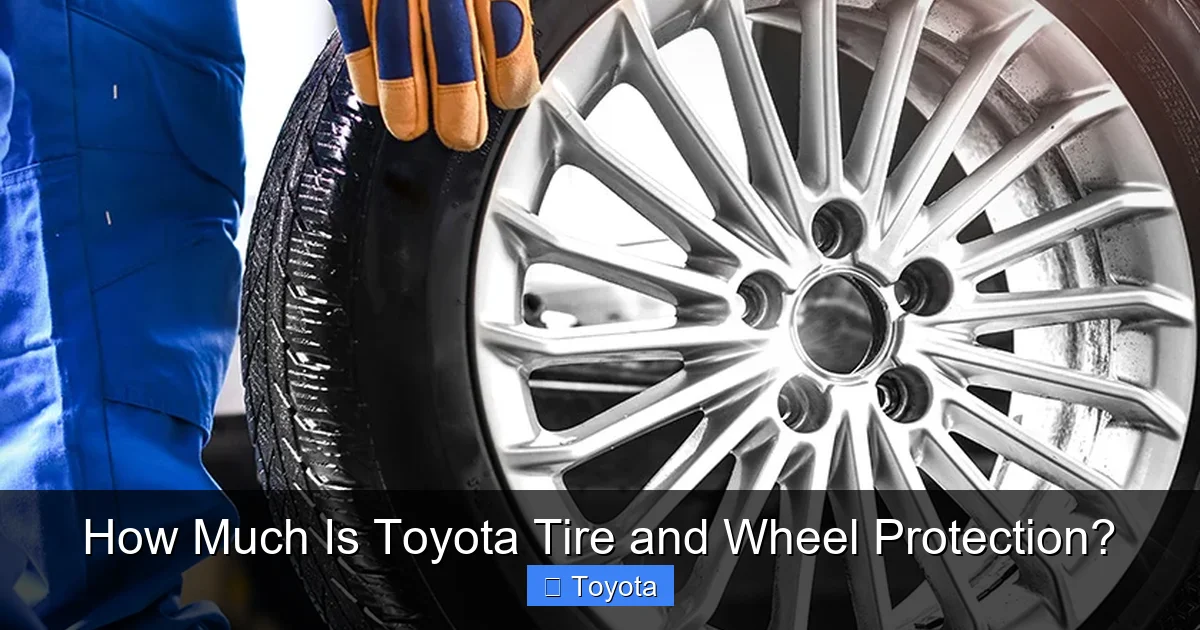
Visual guide about How Much Is Toyota Tire and Wheel Protection?
Image source: safe-guardproducts.com
When It Makes Sense to Buy
If you live in a city with poorly maintained roads, you should strongly consider this protection. Potholes are a constant threat in urban environments. If you frequently drive on unpaved roads or construction zones, the risk of hitting debris increases significantly. Furthermore, if you have purchased a vehicle with expensive, large-diameter wheels, a single pothole could result in a repair bill that far exceeds the cost of the protection plan.
When You Might Skip It
If you primarily drive on well-maintained highways and rarely encounter road debris, you might be better off taking the money you would spend on the plan and putting it into a “repair fund” in a savings account. If your vehicle uses very basic, inexpensive wheels and tires, the cost of the plan might never be “recouped” through claims.
For example, if you are looking at how much is a Toyota Tundra, you might find that the truck’s larger, more rugged wheels make the protection plan much more valuable than it would be on a smaller car. The cost of a single Tundra wheel replacement can be quite high.
Comparing Protection Plans vs. Standard Insurance
A common mistake people make is assuming that their standard auto insurance will cover tire and wheel damage. This is generally not the case. Most standard car insurance policies cover damage resulting from collisions, theft, or natural disasters, but they often exclude “road hazards” like potholes or nails.
The Role of Comprehensive Coverage
Some comprehensive insurance policies might cover a tire if it is damaged in a significant accident, but they rarely cover a single tire hit by a nail. This is a specific gap in standard insurance that Toyota’s specialized protection plan is designed to fill. When you are evaluating your costs, remember that you are paying for a niche service that standard insurance simply does not provide.
Total Cost of Ownership
When calculating the cost of owning a new car, you should look at the total package. This includes the vehicle price, sales tax, dealer fees, and these optional protection plans. For a comprehensive view, you might also want to look into how much is gap coverage insurance, which protects you in a different way. Both are specialized tools designed to mitigate specific financial risks.
Tips for Maximizing Your Coverage
If you decide to purchase Toyota Tire and Wheel Protection, you want to make sure you are getting the most out of it. You shouldn’t just buy it and forget it; you need to be an active participant in maintaining your coverage.
1. Read the Full Contract
Never rely on a salesperson’s verbal summary. Always read the fine print. Look for terms like “limitations,” “exclusions,” and “deductibles.” Some plans may require a deductible per claim, while others might have a limit on the total number of claims you can make.
2. Keep Your Receipts
If you have a claim, you will need proof of the incident. While some plans handle the repair directly through the dealership, having documentation of where and when the damage occurred can help speed up the process. If you ever have to repair a tire outside of the dealership, keep that receipt!
3. Regular Inspections
Don’t wait until you feel a vibration in your steering wheel to check your tires. Regular rotations and pressure checks are part of standard maintenance, but also use these opportunities to look for small nicks or cuts in the sidewalls. Catching a small issue early might allow for a simple repair rather than a total replacement, which is often easier to claim under protection plans.
4. Use Authorized Service Centers
To ensure your claims are processed smoothly, it is best to use Toyota-authorized service centers. They are familiar with the specific requirements and documentation needed by the protection plan provider, which reduces the chance of a claim being denied due to paperwork errors.
Conclusion
Deciding whether to invest in Toyota Tire and Wheel Protection comes down to a simple calculation: the cost of the plan versus the potential cost of a repair. If you drive a vehicle with high-end wheels on unpredictable roads, the plan is likely a very wise investment. The peace of mind knowing that a single pothole won’t result in a massive repair bill is worth its weight in gold.
However, if you drive a standard vehicle on smooth roads and prefer to keep your upfront costs low, you may decide to skip it. The most important thing is to be informed. Don’t let the salesperson rush you. Ask the hard questions, check the exclusions, and make sure the plan fits your specific driving lifestyle. By doing this, you can drive your Toyota with total confidence, knowing you are protected against the unexpected.
Frequently Asked Questions
Does Toyota Tire and Wheel Protection cover all types of damage?
No, it typically only covers sudden and accidental damage from road hazards like potholes or debris. It does not cover damage from wear and tear, driver negligence, or off-road use unless specified.
Can I buy this protection plan after I buy my car?
In many cases, yes, but there is usually a time limit. You typically need to purchase the plan before your original new vehicle limited warranty expires.
Will this plan cover my rims if they get scratched?
Most plans are designed for structural damage or cracks caused by impact. Minor cosmetic scratches or scuffs from curbs are often excluded from coverage.
Is the cost of the plan tax-deductible?
Generally, no. These are considered maintenance or protection expenses rather than business expenses, unless you are using the vehicle for specific business purposes. Consult a tax professional for details.
Do I have to go to a Toyota dealer to use the protection?
While it is highly recommended to use a Toyota dealer to ensure seamless claims processing, some plans may offer limited flexibility. Always check your specific contract for authorized service locations.
Does this plan cover all Toyota models?
Most new Toyota models are eligible, but availability depends on the specific dealership and the type of plan being offered. It is best to ask your dealer for availability for your specific VIN.