Castrol Synthetic Engine Oil for Petrol Car
Choosing the right Castrol synthetic engine oil for petrol car engines can extend engine life and improve performance. This guide covers top Castrol products, viscosity grades, and simple maintenance tips for petrol vehicle owners. Learn how synthetic oil protects your engine in hot and cold weather.
Your petrol car engine is a hardworking machine. It has many metal parts moving fast and rubbing together. Without good oil, those parts wear out quickly. That is why picking the right motor oil matters so much.
Castrol is one of the most trusted names in engine oil. Their synthetic engine oil for petrol car engines is made to protect, clean, and perform. In this guide, we will walk you through everything you need to know about Castrol synthetic oil for your petrol vehicle.
We will explain what synthetic oil is, why petrol engines love it, and how to pick the right product. By the end, you will feel confident choosing the best Castrol synthetic engine oil for petrol car use.
Key Takeaways
- Castrol synthetic engine oil for petrol car engines: offers superior protection against wear, heat, and sludge.
- Better cold starts: synthetic oil flows faster than conventional oil in winter temperatures.
- Longer drain intervals: many Castrol synthetic oils last longer between changes than conventional oil.
- Improved fuel economy: reduced friction helps petrol engines run more efficiently.
- Check your manual: always match the viscosity grade and specification to your car’s requirements.
- Trusted brand: Castrol is a global leader in engine lubrication technology.
📑 Table of Contents
- What Is Castrol Synthetic Engine Oil for Petrol Car?
- Why Petrol Engines Need Synthetic Oil
- Top Castrol Synthetic Oil Options for Petrol Cars
- How to Choose the Right Viscosity Grade
- How Often to Change Oil in Your Petrol Car
- How to Change Oil in Your Petrol Car
- Signs Your Petrol Car Needs an Oil Change
- Common Myths About Synthetic Oil
- Storing and Handling Engine Oil
- Final Thoughts
What Is Castrol Synthetic Engine Oil for Petrol Car?
Castrol synthetic engine oil for petrol car engines is a man-made lubricant. It is not pumped straight from the ground like conventional oil. Instead, it is built using carefully chosen molecules. This gives it a more uniform structure.
Synthetic vs Conventional Oil
Conventional oil comes from crude oil. It contains impurities and uneven molecules. Synthetic oil is refined much further. It flows better in cold weather and resists heat better in summer. For a petrol car, this means smoother starts and less engine wear.
Think of conventional oil like a mix of different-sized marbles. Synthetic oil is more like perfectly round ball bearings. Everything moves with less friction.
How Castrol Makes Synthetic Oil
Castrol uses advanced technology to create synthetic base oils. They add special detergents, anti-wear agents, and antioxidants. The result is an oil that stays stable longer. It does not break down as quickly under pressure.
Castrol synthetic engine oil for petrol car engines also fights sludge. Sludge is that thick, sticky gunk that can clog your engine. With synthetic oil, your engine stays cleaner inside.
Why It Matters for Petrol Engines
Petrol engines run hot and spin fast. They need oil that can keep up. Synthetic oil handles high temperatures without thinning out too much. It also protects during cold starts when most wear happens.
If you drive a modern petrol car, synthetic oil is often the best choice. Many manufacturers now recommend it from the factory.
Why Petrol Engines Need Synthetic Oil
Petrol engines have unique needs. They rely on spark plugs and precise fuel mixtures. Oil plays a big role in keeping everything running right.
Heat Protection for Petrol Engines
Petrol engines generate a lot of heat, especially during long drives or in stop-and-go traffic. Castrol synthetic oil resists thermal breakdown. It keeps its viscosity even when the engine gets hot.
This means your engine parts stay coated with a protective film. Metal does not touch metal. That reduces wear and helps your engine last longer.
Cleaner Engine Parts
Over time, combustion leaves behind deposits. These can build up on valves, pistons, and other parts. Castrol synthetic engine oil for petrol car engines contains detergents that wash away these deposits.
A cleaner engine runs more efficiently. You may notice better throttle response and smoother acceleration.
Better Performance in Extreme Weather
Winter mornings are hard on engines. Oil thickens in the cold, making it harder to pump. Synthetic oil flows faster at low temperatures. It reaches critical engine parts within seconds of starting.
In summer, synthetic oil resists evaporation and oxidation. It does not disappear as quickly as conventional oil. This is great for petrol cars driven in hot climates.
Turbocharged and Direct Injection Engines
Many modern petrol cars have turbochargers or direct injection. These engines run hotter and under more pressure. They need tough oil that can handle the heat.
Castrol synthetic oil is built for these demands. It protects turbo bearings and keeps fuel injectors clean. If your petrol car has a turbo, synthetic oil is a smart choice.
Top Castrol Synthetic Oil Options for Petrol Cars
Castrol offers several synthetic oil lines. Each one is designed for different needs and budgets.
Castrol EDGE
Castrol EDGE is a premium full synthetic oil. It uses Fluid Titanium technology to strengthen the oil film. This reduces metal-to-metal contact under pressure.
EDGE is a great pick for high-performance petrol cars. It also works well for turbocharged engines that run hotter than standard engines.
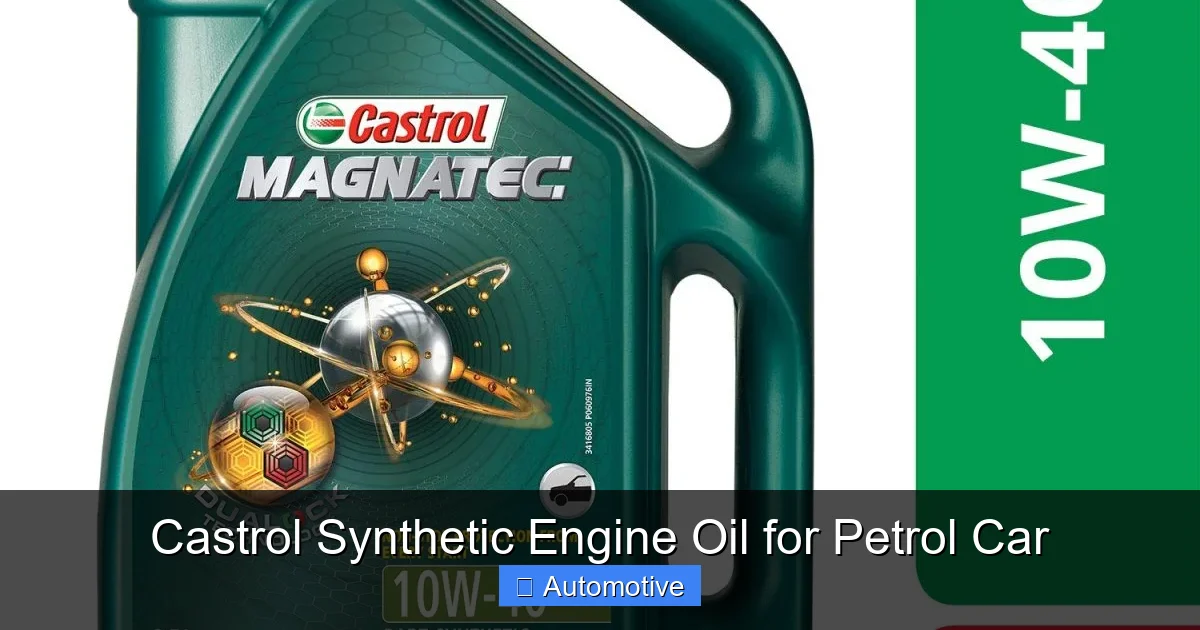
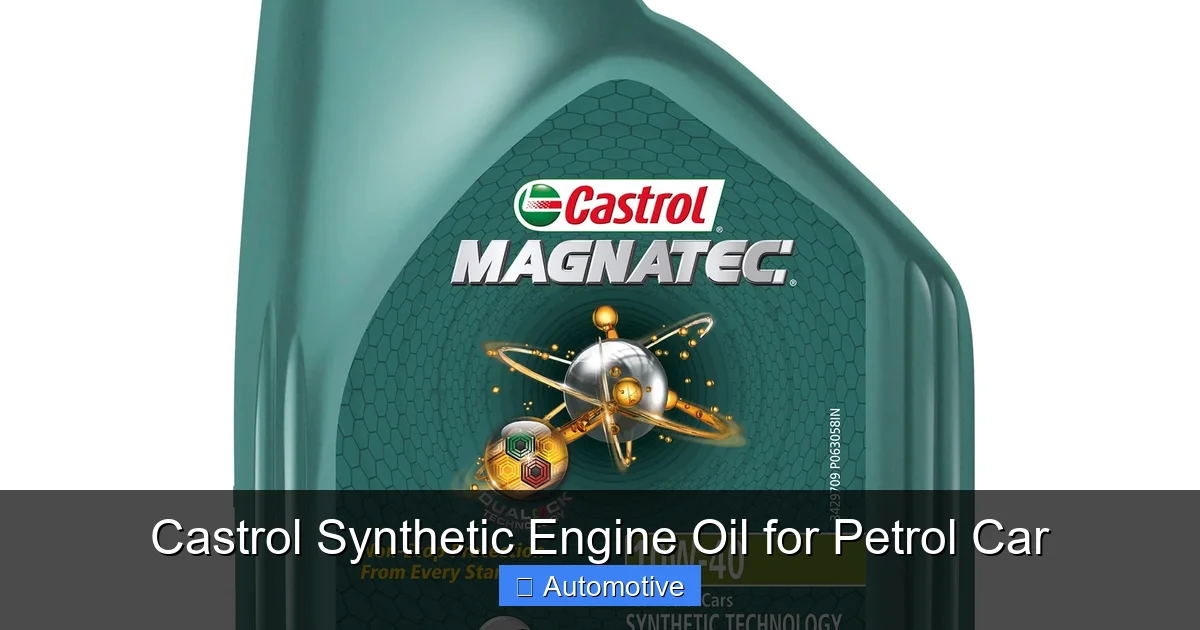
Castrol MAGNATEC
Castrol MAGNATEC uses intelligent molecules that cling to engine parts. Even after you turn off the engine, these molecules stay in place. They provide instant protection at the next start.
This is ideal for city driving with lots of stops. If your petrol car spends time in traffic, MAGNATEC can help reduce wear during frequent restarts.
Castrol GTX Synthetic Blend
If you want a step up from conventional oil without the full synthetic price, Castrol GTX Synthetic Blend is a solid middle ground. It mixes synthetic and conventional base oils.
It offers better protection than regular oil but costs less than full synthetic. This works well for older petrol cars with simple engines.
Matching Oil to Your Car Model
Not every petrol car needs the same oil. A small hatchback has different needs than a large sedan. If you drive a Toyota Corolla, you might want to check out our guide on the best Castrol oil options for Toyota Corolla to see which viscosity and product line fits your engine.
How to Choose the Right Viscosity Grade
Viscosity refers to how thick or thin the oil is. You will see ratings like 5W-30, 5W-20, or 0W-20 on the bottle.
Visual guide about Castrol Synthetic Engine Oil for Petrol Car
Image source: m.media-amazon.com
Understanding 5W-30, 5W-20, and 0W-20
The first number with the W stands for winter. It shows how the oil flows in cold temperatures. A lower number means better cold-weather flow.
The second number shows how the oil flows at high temperatures. A higher number means the oil stays thicker when hot.
Many modern petrol cars use 5W-30 or 0W-20. If you want to learn more about popular options, we reviewed the best 5W-30 synthetic oil options for superior engine performance.
Reading Your Owner’s Manual
Your car’s owner manual is the best source for viscosity. It will tell you exactly what Castrol synthetic engine oil for petrol car engines to use. Always follow the manufacturer’s recommendation.
Using the wrong viscosity can hurt fuel economy or engine protection. It may even void your warranty in some cases.
Climate and Driving Habits
If you live in a very cold area, a 0W-20 oil might be better for winter starts. If you live in a hot climate and drive an older petrol engine, a 10W-30 or 5W-30 might be suitable.
Short trips, towing, and dusty roads are considered severe driving. In these cases, synthetic oil offers extra peace of mind.
How Often to Change Oil in Your Petrol Car
Oil change intervals have changed over the years. Older advice said to change oil every 3,000 miles. Modern synthetic oil often lasts much longer.
Normal vs Severe Service
Most car manuals list two schedules: normal and severe. Normal service means long highway trips in mild weather. Severe service means short trips, extreme heat, dust, or towing.
If you drive under severe conditions, change your oil more often. Synthetic oil still lasts longer than conventional oil, but it is not immortal.
Typical Mileage Intervals
Many Castrol synthetic oils are rated for 5,000 to 10,000 miles. Some can go even longer. Check the bottle and your manual for guidance.
If you are unsure, changing oil every 5,000 to 7,500 miles is a safe bet for most petrol cars.
How to Change Oil in Your Petrol Car
Changing your own oil can save money and give you peace of mind. Here is a simple overview.
Tools You Need
- New Castrol synthetic engine oil for petrol car engines
- New oil filter
- Wrench or socket set
- Oil drain pan
- Funnel
- Gloves and rags
- Jack and jack stands, if needed
Step-by-Step Oil Change Guide
First, warm up your engine for a few minutes. Warm oil drains faster. Then, park on level ground and engage the parking brake.
Locate the drain plug under the oil pan. Place your drain pan underneath and remove the plug. Let the old oil flow out completely.
Next, remove the old oil filter. Apply a little new oil to the rubber gasket on the new filter. Install the new filter by hand.
Replace the drain plug and tighten it. Then, pour the new Castrol synthetic oil into the engine using a funnel. Check your manual for the correct amount.
Start the engine and let it run for a minute. Check for leaks. Turn off the engine and check the dipstick. Add more oil if needed.
Disposing of Used Oil Safely
Never pour used oil down the drain or on the ground. Pour it into a sealed container and take it to a recycling center or auto parts store. Most places accept used oil for free.
Signs Your Petrol Car Needs an Oil Change
Even the best oil does not last forever. Watch for these warning signs.
Dark or Dirty Oil
New oil is amber and clear. Used oil turns dark and gritty. Check your dipstick regularly. If the oil looks like sludge, it is time for a change.
Engine Noise
If you hear knocking or ticking from the engine, your oil may be too thin or too dirty. Fresh Castrol synthetic oil quiets the engine by cushioning moving parts.
Warning Lights
Many petrol cars have an oil pressure or oil change warning light. Do not ignore it. Check your oil level and schedule a change if the light stays on.
Reduced Fuel Economy
Old oil creates more friction. Your engine works harder and burns more fuel. If you notice you are filling up more often, an oil change might help.
High Mileage Engines
Older petrol engines with high mileage may burn a little oil between changes. Check the level often. For these engines, you may want to explore our recommendations for the best Castrol synthetic oil for high mileage vehicles.
Common Myths About Synthetic Oil
There are many myths about synthetic oil. Let us clear up a few.
Myth: Synthetic Oil Causes Leaks
This is not true. Synthetic oil does not cause leaks. If your engine already has a worn seal, synthetic oil might reveal it because it flows better. But it does not create the leak.
Myth: You Cannot Switch Back to Conventional Oil
You can switch between synthetic and conventional oil. There is no rule that locks you into synthetic forever. Just make sure you use the correct viscosity.
Myth: Synthetic Oil Is Too Expensive
Synthetic oil costs more per bottle. But it lasts longer and protects better. Over time, it can save you money on repairs and fuel.
Storing and Handling Engine Oil
Keep your Castrol synthetic engine oil for petrol car engines in a cool, dry place. Avoid direct sunlight. Extreme heat can degrade the additives over time.
Make sure the cap is tight. This keeps out dust and moisture. If you buy oil in bulk, use the oldest bottles first.
Always check the expiration date on the bottle. Most engine oils are good for several years, but fresh oil works best.
Final Thoughts
Choosing the right oil is one of the simplest ways to care for your petrol car. Castrol synthetic engine oil for petrol car engines offers strong protection, cleaner internals, and better performance in all seasons.
Take a moment to check your owner’s manual. Pick the viscosity grade that matches your engine. Then choose a Castrol product that fits your driving style and budget.
Regular oil changes with quality synthetic oil can add years to your engine’s life. Your petrol car will thank you with smoother rides and fewer trips to the mechanic.
Frequently Asked Questions
Is Castrol synthetic engine oil good for petrol car engines?
Yes, Castrol synthetic engine oil for petrol car engines is designed to protect against wear, heat, and sludge. It works well in both older and modern petrol vehicles.
Can I use Castrol synthetic oil in any petrol car?
You should always check your owner’s manual for the correct viscosity and specification. Castrol makes many grades, so pick the one your car requires.
How often should I change Castrol synthetic oil in a petrol car?
Many synthetic oils last between 5,000 and 10,000 miles. Follow your car manufacturer’s schedule and your driving conditions.
Is synthetic oil better than conventional oil for petrol engines?
Synthetic oil generally offers better cold-start protection, heat resistance, and engine cleanliness. It is often the preferred choice for modern petrol cars.
Can I switch from conventional to Castrol synthetic oil?
Yes, you can switch at any oil change. There is no need to flush the engine first. Just use the correct viscosity for your petrol car.
Where can I buy Castrol synthetic engine oil for petrol cars?
Castrol synthetic oil is available at auto parts stores, online retailers, and many service centers. Always buy from a trusted seller to avoid counterfeit products.