Can You Tow a Car with Emergency Brake On
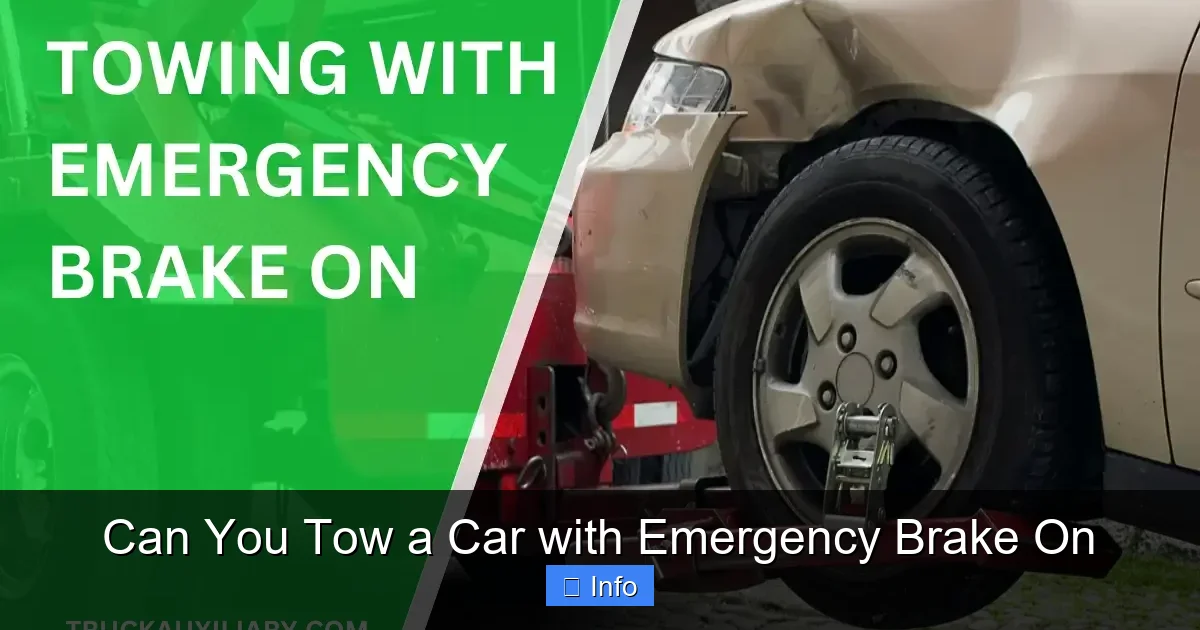
Yes, you can tow a car with the emergency brake on, but it can cause serious damage to the drivetrain and brakes. Always disengage the e‑brake or use a flatbed for safe transport. Follow these steps to avoid costly repairs.
When a car breaks down, the first question many drivers ask is, “Can I just hook up the tow rope and go?” If the problem is the engine or transmission, the answer is usually yes. But what about the emergency brake? That little foot‑operated parking brake can cause big headaches if you ignore it. In this article we will explain what the emergency brake does, why towing with it on is risky, and how to tow safely—whether you have a flatbed, a dolly, or just a sturdy friend with a rope.
Key Takeaways
- Point 1: Towing with the emergency brake engaged can stretch the drivetrain, break the transmission, and overheat brakes.
- Point 2: A flatbed tow truck is the safest method because the wheels are off the ground.
- Point 3: If you must tow with wheels on the ground, make sure the vehicle is in neutral and the e‑brake is fully released.
- Point 4: Pre‑towing inspections help you spot problems like low fluid levels or worn pads.
- Point 5: Disconnecting the battery and using wheel chocks adds extra protection.
- Point 6: Always follow local towing laws and consider professional help for complex situations.
- Point 7: Knowing how much a vehicle can safely tow (e.g., a Ford Raptor) helps you choose the right truck.
📑 Table of Contents
Understanding the Emergency Brake and Towing Basics
What Is an Emergency Brake?
The emergency brake, also called a handbrake or parking brake, is a separate system from the regular hydraulic brakes. It works on the rear wheels with a mechanical linkage or electronic actuator. When you pull the lever or press the button, a set of brake shoes or pads clamp onto the rotor or drum, holding the car still even if the engine is off.
How Towing Works: Flatbed vs. Dolley
Towing comes in two main flavors. A flatbed tow truck lifts the entire vehicle onto a platform, so the wheels never touch the road. A dolly (or tow bar) pulls the driven wheels off the ground while the non‑driven wheels remain on the pavement. Each method has pros and cons, and the emergency brake plays a different role in each.
Why the Type of Tow Matters
If you use a flatbed, the emergency brake is essentially irrelevant because the car is secured by chains and the wheels are locked in place. With a dolly, the driven wheels are free to spin, so an engaged emergency brake can fight against the tow vehicle and damage internal components. Knowing which tow you have helps you decide whether you need to release the brake or call for a flatbed.
Risks of Towing with the Emergency Brake Engaged
Damage to the Drivetrain
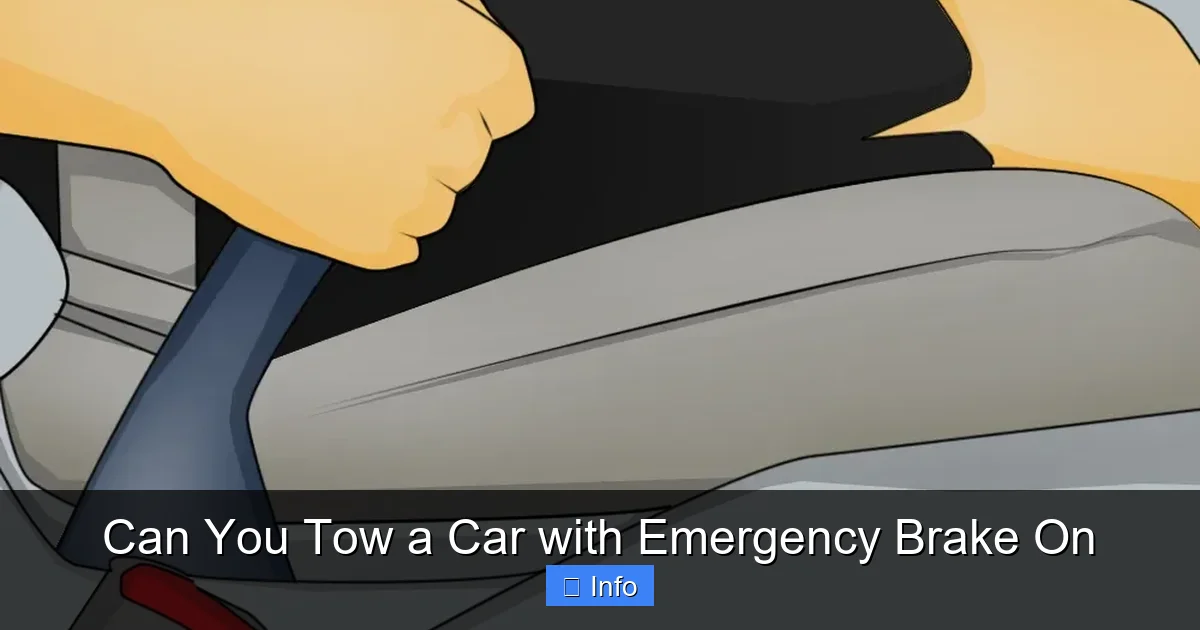
The drivetrain includes the transmission, differential, and axle shafts. When the emergency brake is on, these parts are forced to turn while the wheels are being pulled. This can cause gear grinding, broken gears, or a torn CV joint. The stress is especially high on front‑wheel‑drive cars because the steering rack and axle are directly involved.
Visual guide about Can You Tow a Car with Emergency Brake On
Image source: i2.wp.com
Strain on the Transmission
Modern automatic transmissions rely on fluid pressure to shift smoothly. An engaged parking brake creates a sudden load that can overheat the fluid, cause the bands to slip, or even break them. You may notice slipping, delayed shifts, or a burning smell after the tow.
Potential Brake Failure
The emergency brake uses its own set of shoes or pads. When you tow with it on, those components can overheat, wear out quickly, or even seize. This not only reduces braking effectiveness but can also leave you with a stuck caliper or a broken brake line.
When It Might Be Safe (and How)
Using a Flatbed Tow Truck
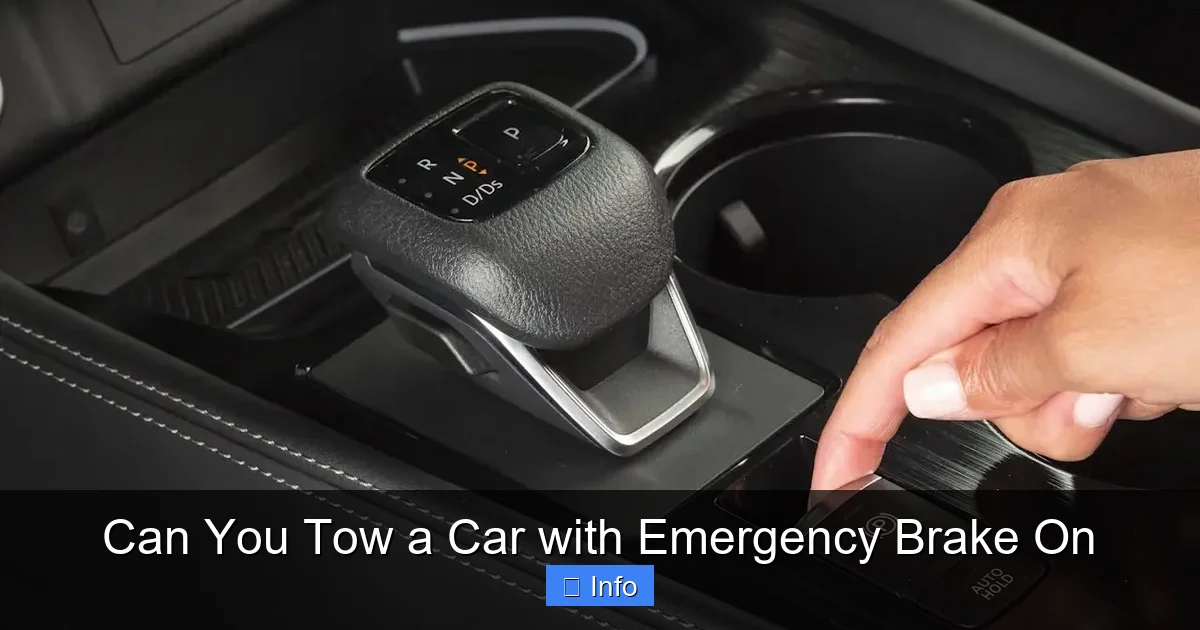
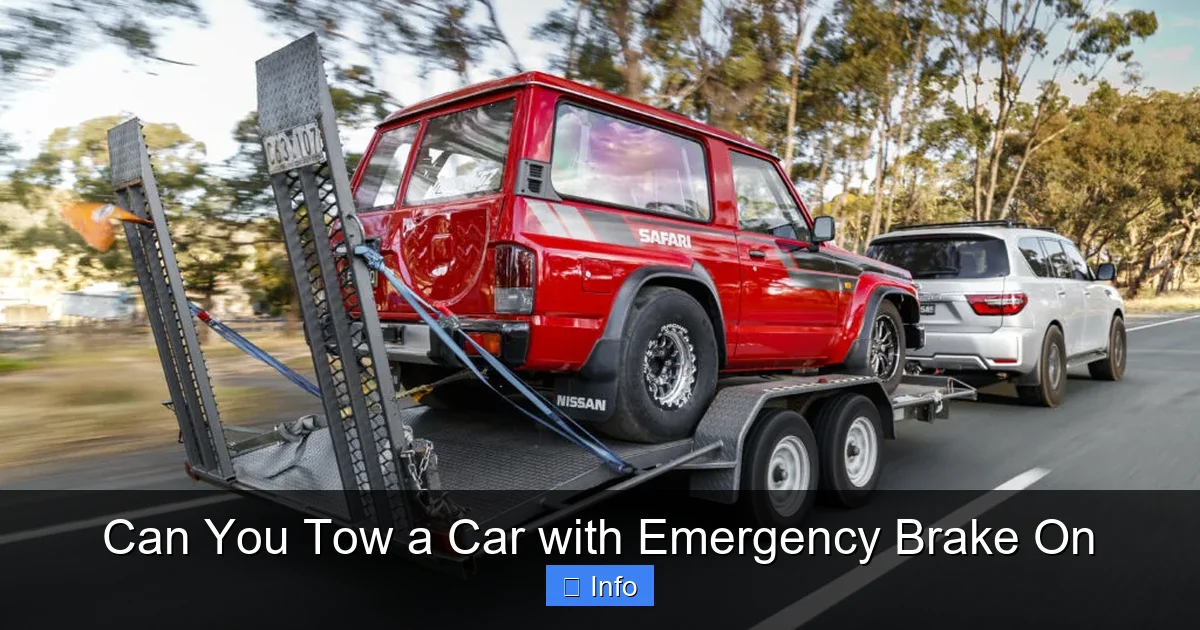
Flatbed towing is the gold standard for safety. The vehicle is secured by heavy-duty straps, the wheels are off the ground, and there is no risk of drivetrain damage. If you have access to a flatbed, always ask for one. It may cost a bit more, but it protects your car and your wallet.
Visual guide about Can You Tow a Car with Emergency Brake On
Image source: truckauxiliary.com
Disengaging the Brake Manually
If you must use a dolly, the first step is to release the emergency brake completely. Pull the lever up (or press the button) and then push it down until you feel the release mechanism click. Make sure the parking brake indicator light on the dash is off before you start towing.
When the Vehicle Is in Neutral
Even with the brake off, you should shift the transmission to neutral. This prevents the drivetrain from trying to drive the tow vehicle. Some older manuals require you to put the car in neutral and also block the wheels to prevent rolling. Always follow the manufacturer’s recommendations.
Step‑by‑Step Guide to Safe Towing
Pre‑Towing Inspection
Before you call for help, walk around the car. Look for fluid leaks, cracked hoses, or damaged tires. Check the battery terminals for corrosion. A quick visual check can save you from a disastrous tow.
Visual guide about Can You Tow a Car with Emergency Brake On
Image source: streetmachine.com.au
Preparing the Vehicle
Make sure the emergency brake is fully released. Put the gear selector in neutral (or park for automatics). Engage wheel chocks behind the wheels that will stay on the ground. If you have time, disconnect the battery to avoid draining it during the tow.
Choosing the Right Towing Method
Call a towing service and ask which method they will use. If they plan to use a dolly, confirm they will release the emergency brake and secure the driven wheels properly. If they offer a flatbed, ask if they will strap the car down tightly. A professional driver will know the safest approach.
During the Tow
Stay calm and keep an eye on the road. Listen for strange noises that could signal drivetrain strain. If you hear grinding or a burning smell, signal the driver to stop immediately. The sooner you react, the less damage you’ll sustain.
Tips to Protect Your Car While Being Towed
Engage Wheel Chocks
Even with the emergency brake off, the wheels that remain on the ground can roll. Place sturdy wheel chocks behind those tires to prevent movement. This is especially important on hills or slippery surfaces.
Disconnect the Battery
A towed vehicle can drain the battery, especially if the alternator is not being powered. Disconnect the negative terminal to preserve charge and prevent electrical issues when you get back on the road.
Use Protective Gear
If you are towing a classic or a high‑value car, consider using protective ramps or a professional towing harness. These accessories distribute weight evenly and reduce the chance of scratches or bodywork damage.
When the tow is complete, inspect your car for any new leaks, unusual noises, or warning lights. If you notice anything out of the ordinary, have a mechanic check the drivetrain and brakes before you drive again. Proper post‑towing care can extend the life of your vehicle and keep you safe on future trips.
In short, towing with the emergency brake on is a risky move that can cost you thousands in repairs. Always release the brake, choose the right towing method, and follow the steps above. For more detailed guidance on towing capacity, see How Much Can A Ford Raptor Tow. Keeping your brakes healthy is also essential, so be sure to How To Check Brake Pads In Your Car. And a clean engine bay helps you spot problems early—read How To Clean A Car Engine Bay for a quick guide.
Frequently Asked Questions
Can you tow a car with the emergency brake engaged?
No. Towing with the e‑brake on forces the drivetrain and brake components to work against the tow vehicle, which can cause severe damage. Always release the brake before towing.
What damage can occur if you ignore the emergency brake while towing?
Potential damage includes broken gears, torn CV joints, overheated transmission fluid, and worn brake shoes. Repairs can be expensive and may void warranties.
Is a flatbed tow truck better than a dolly for a car with the emergency brake on?
Yes. A flatbed lifts the car off the ground, eliminating any strain on the drivetrain and brakes. It is the safest option when the emergency brake has been left engaged.
Do I need to put the car in neutral before towing?
Yes. Neutral prevents the transmission from trying to drive the tow vehicle, which reduces stress on the drivetrain and avoids extra strain on the emergency brake system.
How can I protect my car during a tow?
Use wheel chocks, disconnect the battery, and ensure the emergency brake is fully released. If possible, choose a flatbed tow truck and have a professional secure the vehicle properly.
Should I call a professional if the emergency brake is stuck?
Absolutely. A stuck e‑brake can cause catastrophic damage if you attempt to tow anyway. A tow truck driver or mechanic can safely release it or recommend the best towing method.