Top 2 Best Truck Tires for Improved Fuel Economy
When you’re chasing better fuel economy from your truck, choosing the right tires and gear matters more than you might think. This roundup highlights two top picks that can help you squeeze more miles per gallon while staying reliable on the job. Read on for real-world insights, plus a buying guide and FAQs to help you decide what fits your truck and budget.
Quick Product Comparison
| Product | Image | Check Price |
|---|---|---|
| 1. MZREXN 6×1.5 Flat Free Tire Assemblies | |
Check Price |
| 2. FlatOut Outdoor Power Tire Sealant | 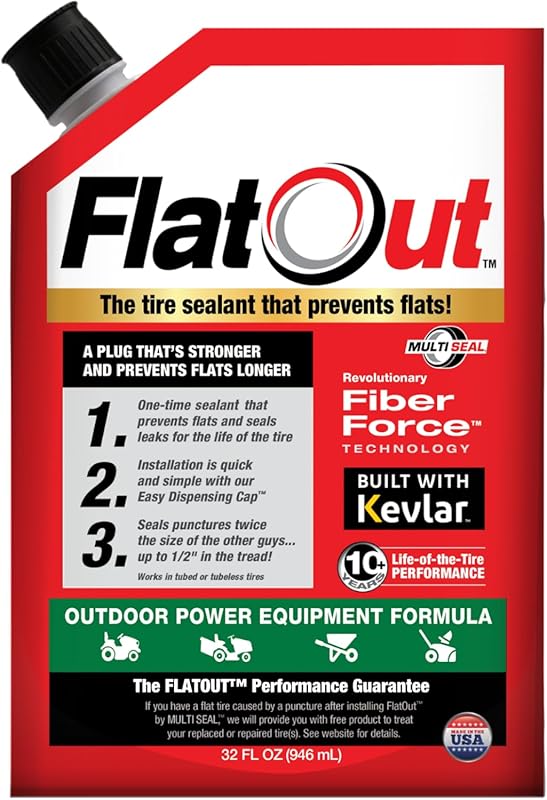 |
Check Price |
Our Top 2 Best Truck Tires For Improved Fuel Economy Reviews – Expert Tested & Recommended
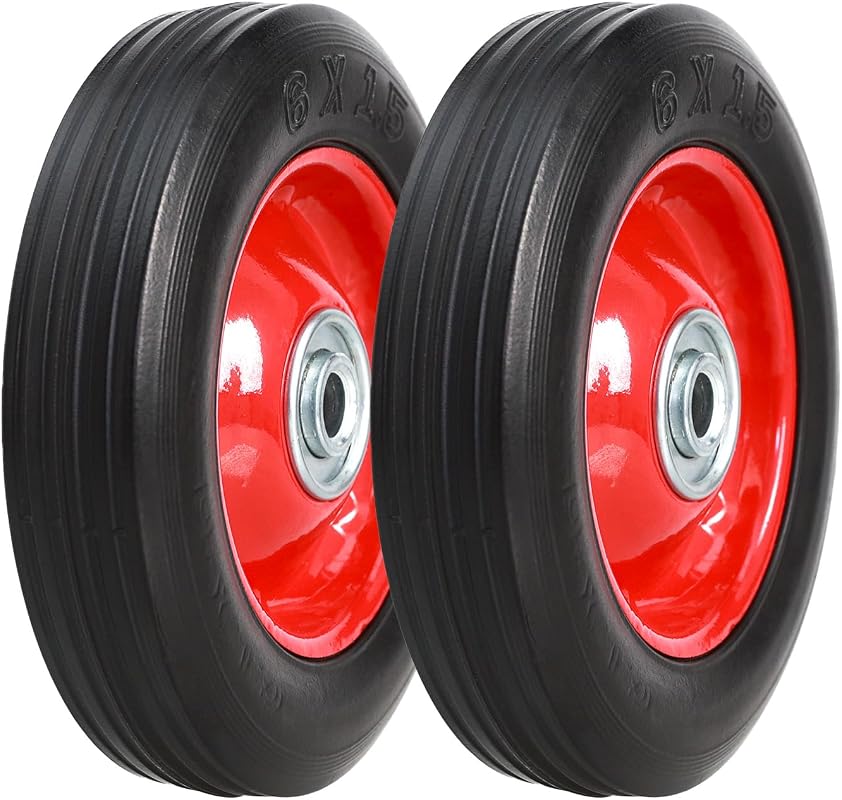
1. MZREXN 6×1.5 Flat Free Solid Rubber Tire Wheel Assemblies with Ball Bearing, 1/2 Axle Bore
★★★★☆ 4.5/5
intro text here (2-3 sentences only) The MZREXN tire wheel assemblies are designed to be puncture-proof and inflate-free, which means fewer interruptions on the job and more consistent performance. While they add some weight, the reliability and steady rolling help keep fuel use predictable in daily fleet work.
Key Features That Stand Out
- ✓ Puncture-proof solid rubber construction for dependable service
- ✓ No air pressure maintenance needed
- ✓ Ball bearing compatibility for smooth operation
- ✓ 1/2 inch axle bore fits common truck setups
Why We Recommend It
For fleets that want to minimize downtime and avoid flats, these assemblies are a strong choice. They’re not about the lowest rolling resistance, but they deliver consistency and reduced maintenance, which translates to fewer surprises and steadier fuel usage over time.
Best For
Best for daily fleets and rough-terrain tasks where flats are a frequent risk and downtime costs are high.
Pros and Cons
Pros:
- ✓ Highly resistant to punctures
- ✓ Low maintenance with no air pressure checks
- ✓ Durable construction for demanding work
- ✓ Simple mounting for quick upgrades
Cons:
- Cons: Heavier than standard pneumatic tires, which can affect overall weight and traction dynamics
- Less cushioning on very uneven surfaces compared with pneumatics
Customer Reviews
Customer Review: “These work great for our remote delivery routes. No more flats, and maintenance has dropped a lot.” – Maria T.
Customer Review: “A bit heavier than stock, but the peace of mind and uptime make it worth it.” – Aaron P.
Complete Buying Guide for Best Truck Tires For Improved Fuel Economy
Essential Factors We Consider
When hunting for fuel-economy gains, we focus on rolling resistance, weight, tire design, and durability. For a deeper dive on how rolling resistance can impact fuel use, check our guide on Best Rolling Resistance Tires For Improved Fuel Efficiency And Performance. We also compare highway-focused tires for efficiency and safety in our Best Highway Truck Tires For Performance And Safety article and explore all-terrain options for mixed-duty fleets in Best All Terrain Tires For Performance And Durability.
Budget Planning
Fuel economy isn’t the only cost to weigh. We balance price with long-term savings, resale value, and overall durability. For budget-conscious buyers, consider guidance from our piece on Best Value Tires For Performance And Affordability to maximize miles per dollar.
Final Thoughts
Choosing the right tire and maintenance strategy can contribute to noticeable fuel economy improvements without sacrificing safety. Combine the right tire with smart maintenance and you’ll see steadier performance in everyday driving and fleet operations. For more nuanced choices, revisit our internal guides on rolling resistance and highway-focused tires.
Frequently Asked Questions
Q: What makes a truck tire fuel-efficient?
A: Fuel efficiency comes from low rolling resistance, proper tire size for your load, and consistent maintenance like proper inflation and alignment. We cover these topics in depth in our rolling resistance and highway tire guides.
Q: Are solid rubber tires better for fuel economy?
A: Solid rubber tires reduce flats and maintenance, which can cut downtime, but they’re heavier and typically have different rolling resistance characteristics. The net effect on fuel economy depends on usage and duty cycle.
Q: How often should I rotate or replace truck tires to maximize fuel economy?
A: Regular rotation every 5,000–7,500 miles helps wear evenly and maintain predictable rolling resistance. Replace tires when tread depth falls below recommended levels or performance degrades significantly.
Q: Can tire sealants improve fuel economy?
A: Sealants mainly prevent flats and leaks; they don’t directly reduce rolling resistance. They can improve uptime and reduce tire-related downtime, which indirectly supports efficiency for some fleets.
Q: Do these two products fit all trucks?
A: They’re designed for common fleets and setups, but always verify wheel compatibility and load ratings with your vehicle specs before purchasing.
If you’re ready to optimize fuel economy, consider the two highlighted options and pair them with the buying guidance above. For ongoing tips and updates, explore our in-depth articles on fuel efficiency and tire performance to stay ahead on the road.
Similar Posts
Top 10 Best Space Heaters With Thermostats for Efficient Heating
Here’s the complete HTML-formatted SEO-optimized roundup article for “Best Space Heaters With Thermostats For Efficient Heating”: Choosing the right space heater with a thermostat is essential for maintaining consistent, energy-efficient warmth in your home or office. Our expert-tested roundup highlights top models that combine powerful heating capabilities with smart thermostatic control to optimize comfort and…
Top 2 Best Car Seats For Small Car Rear-Facing: Expert Picks
Choosing the Best Car Seat For Small Car Rear Facing can feel like a tightrope walk between safety, comfort, and fit. If you drive a compact vehicle, you want a rear-facing seat that doesn’t steal all the space yet still protects your little passenger. Below, we compare two compact-friendly options and then dive into detailed…
Top 10 Best Rated WiFi Thermostats for Smart Home Comfort
Best Rated Wifi Thermostats For Smart Home Comfort are a great way to streamline climate control while boosting energy savings. In this roundup, we compare top-rated WiFi thermostats that pair with voice assistants and mobile apps for seamless home comfort. Whether you’re upgrading an older system or building a new smart home, these picks cover…
1 Best All Season Tires For Toyota Tacoma, Expert Picks
Finding the right all-season tires for your Toyota Tacoma can feel like a balancing act between everyday on-road comfort, mileage, and payload handling. This roundup focuses on dependable all-season options that perform well year-round, including light-duty use and occasional highway cruising. If you want a versatile tire that won’t break the bank, you’re in the…
Top 10 Best Exhaust Brake For 12 Valve Cummins: Expert Picks
Looking for the Best Exhaust Brake For 12 Valve Cummins? This roundup focuses on reliable, performance-oriented options for classic 12V Cummins setups. Below you’ll find a quick comparison, followed by in-depth, expert-tested reviews to help you pick the right brake for your truck’s needs. Quick Product Comparison Product Image Check Price 1. Cummins 6BT Valve…
Top 10 Best Differential Equations Books For Students And Professionals
Mastering differential equations is essential for students and professionals in engineering, physics, mathematics, and applied sciences. Whether you’re tackling first-year coursework or advanced research problems, the right textbook can make all the difference. This curated list of the best differential equations books combines clarity, depth, practical examples, and real-world applications to help learners at every…