Amp Sub Wiring Kit
Looking to power your subwoofer without a hitch? The Amp Sub Wiring Kit bundles all the essential parts and step‑by‑step guidance you need for a clean, reliable install. Read on to learn how to pick the right gauge, avoid common mistakes, and get booming sound fast.
Key Takeaways
- All‑in‑one solution: A quality Amp Sub Wiring Kit includes power, ground, remote, and speaker wires plus fuses and connectors.
- Gauge matters: Choose wire size based on amp wattage and vehicle length to prevent voltage drop.
- Safety first: Proper fuse placement and secure grounding protect your car’s electrical system.
- Installation tips: Route wires away from moving parts and use zip ties for a tidy look.
- Compatibility: Most kits work with both factory and aftermarket amps and subs.
- Cost‑effective: Buying a kit is cheaper than sourcing each part individually.
- Future‑proof: A well‑chosen kit allows easy upgrades to bigger amps or additional subs.
📑 Table of Contents
What Is an Amp Sub Wiring Kit?
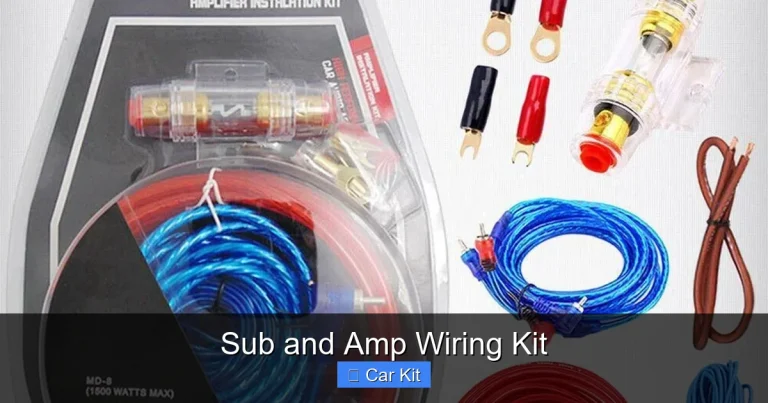
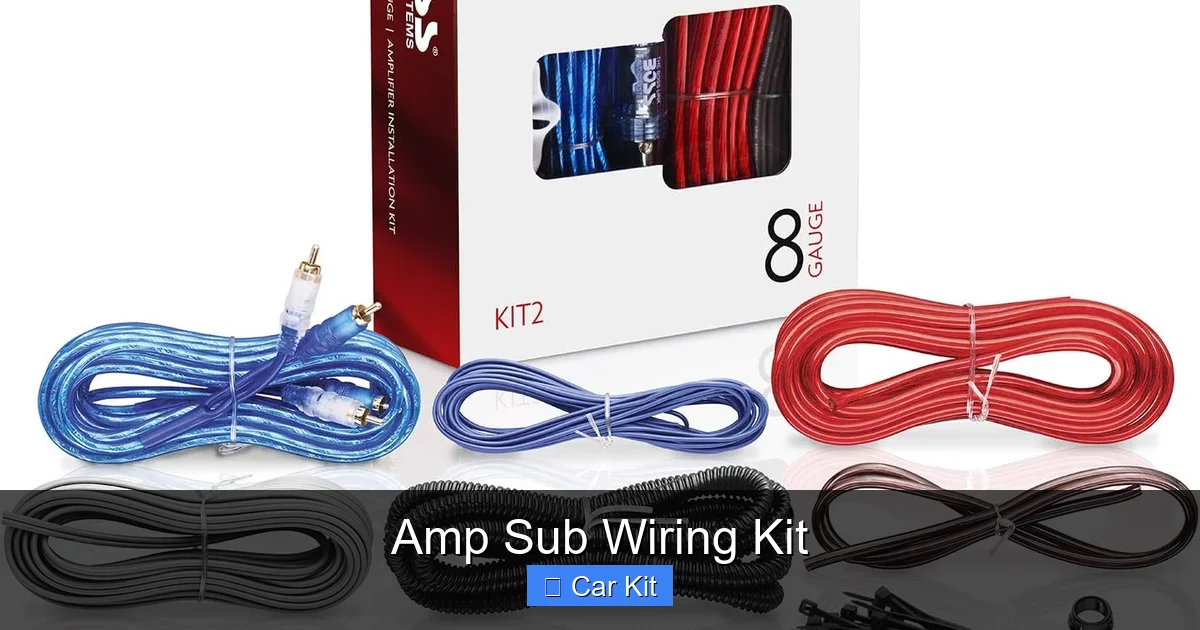
When you’re building a car audio system, the amp and subwoofer are the heart and lungs. They need a strong, clean connection to the battery, the chassis, and each other. An Amp Sub Wiring Kit is a pre‑packaged collection of everything required to make that connection safe and reliable.
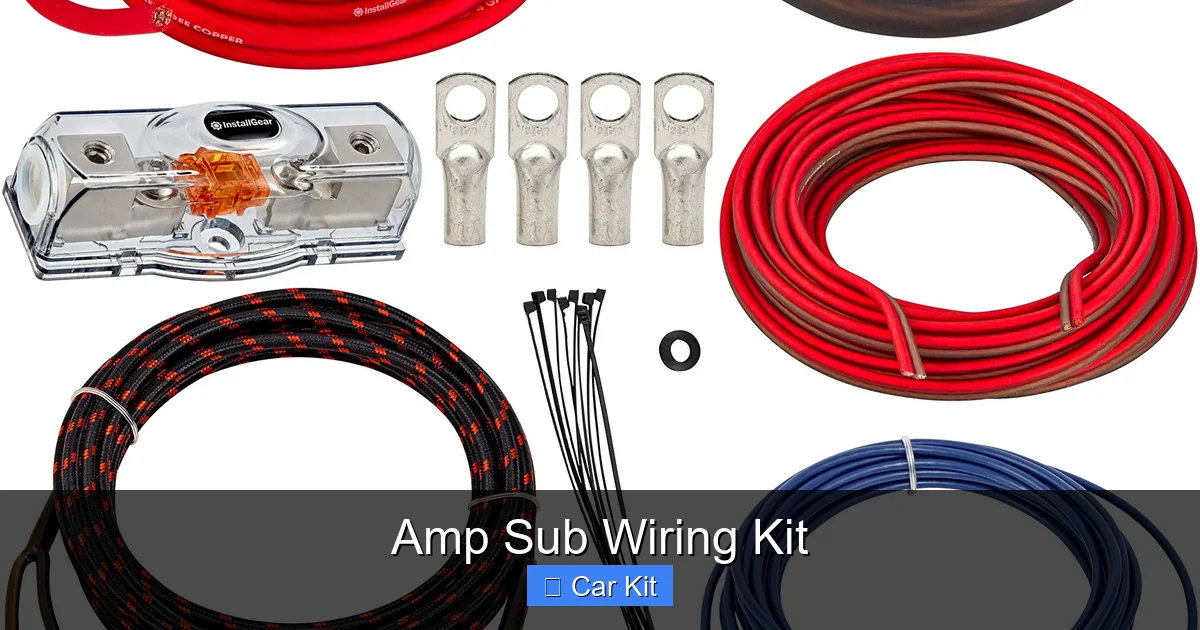
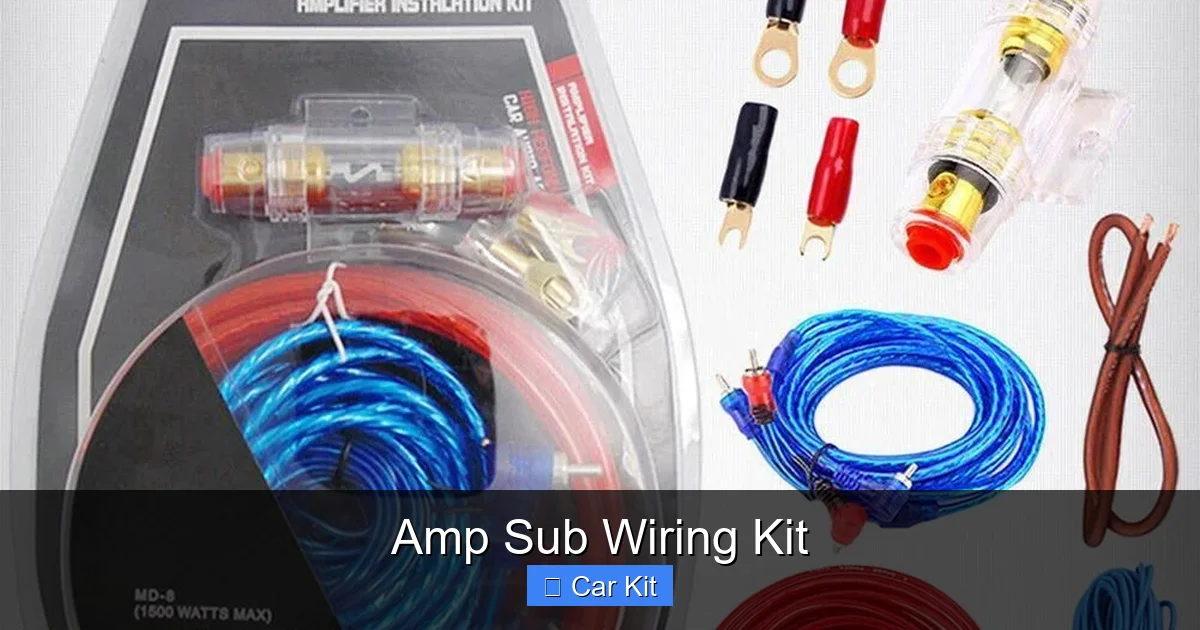
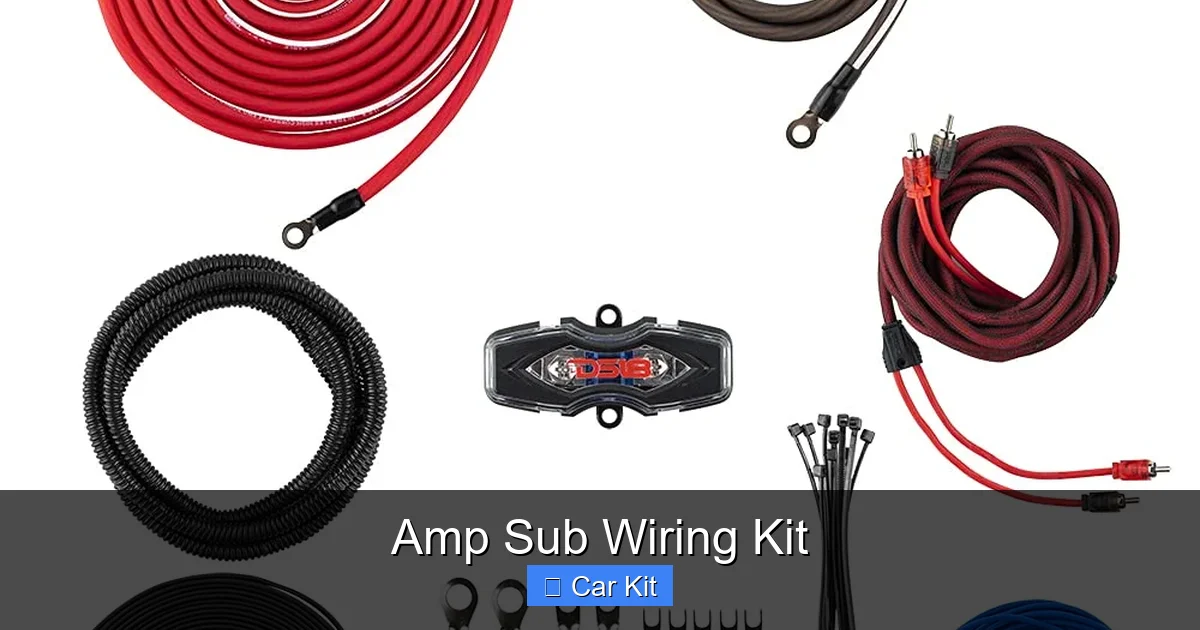
Typical kits contain:
- Power wire (usually 4‑8 gauge)
- Ground wire
- Remote turn‑on lead
- Speaker (high‑level) wire
- Inline fuse holder and fuse
- Ring terminals, spade connectors, and crimp tools
- Heat‑shrink tubing and zip ties
These components are chosen to match common amp power demands, so you don’t have to hunt down each piece separately.
Why You Need a Dedicated Kit Instead of DIY Parts
Consistency and Compatibility
Buying each part on its own can lead to mismatched gauges or incompatible connectors. A kit guarantees that every piece works together, reducing the risk of a loose connection that could fry your amp.
Visual guide about Amp Sub Wiring Kit
Image source: m.media-amazon.com
Time Savings
Imagine spending an afternoon at the hardware store, then returning to the garage only to discover you bought the wrong fuse size. A complete kit eliminates those wasted trips.
Cost Efficiency
Manufacturers buy components in bulk and pass the savings to you. A single purchase often costs less than the sum of individual items.
Choosing the Right Wire Gauge
The most common question is, “What gauge should I use?” The answer depends on two factors: amp wattage and run length (the distance from the battery to the amp).
Visual guide about Amp Sub Wiring Kit
Image source: fevelectronics.com
Rule of Thumb
For a typical 12‑V system:
- Up to 500 W – 8 ga power wire
- 500 W – 1000 W – 4 ga power wire
- 1000 W – 1500 W – 2 ga power wire
- 1500 W – 2000 W – 0 ga power wire
If you live in a hot climate, add one gauge size to keep voltage drop low.
Practical Example
Suppose you have a 1200 W amp and the battery is 4 feet away. A 4 ga wire will keep voltage loss under 3 %, which is acceptable. However, if the run is 10 feet, upgrade to 2 ga to stay within safe limits.
Step‑by‑Step Installation Guide
1. Plan Your Layout
Before you cut anything, sketch a path for the power and ground wires. Keep them away from moving parts, exhaust pipes, and sharp edges.
Visual guide about Amp Sub Wiring Kit
Image source: m.media-amazon.com
2. Install the Fuse
Place the inline fuse holder as close to the battery (+) terminal as possible. Use a fuse rated 1.5 × the amp’s RMS power. For a 1000 W amp, a 30 A fuse is typical.
3. Connect Power and Ground
Crimp the ring terminals onto the ends of the power and ground wires. Tighten them securely on the battery post and a clean metal spot on the chassis. Double‑check that the ground point is free of paint and rust.
4. Run the Remote Turn‑On Lead
This thin wire tells the amp when the head unit is on. Route it through the vehicle’s interior trim and splice it to the head unit’s remote‑on wire (usually a blue or pink wire).
5. Wire the Subwoofer
Use the speaker wire included in the kit. Connect the positive (+) and negative (–) leads to the sub’s terminals, matching polarity to avoid phase issues.
6. Secure Everything
Wrap connections with heat‑shrink tubing, then zip‑tie the wires along the planned route. A tidy install not only looks good but also prevents wear.
7. Test the System
Reconnect the battery, turn on the head unit, and play low‑frequency music. Listen for clean, distortion‑free bass. If anything sounds weak, re‑check your gauge and connections.
Common Mistakes and How to Avoid Them
- Undersized Fuse: A fuse that’s too low will blow during normal operation. Always size the fuse 1.5 times the amp’s RMS draw.
- Loose Ground: A poor ground creates humming and reduces power. Scrape paint, use a star‑drilled bolt, and tighten firmly.
- Wrong Wire Gauge: Using 8 ga for a 1500 W amp will cause voltage drop and heat. Follow the gauge guide above.
- Improper Routing: Running wires near the exhaust can melt insulation. Keep wires insulated and away from heat sources.
- Skipping Heat‑Shrink: Exposed crimps corrode over time. Heat‑shrink adds protection and a professional finish.
Choosing the Best Amp Sub Wiring Kit for Your Car
Not all kits are created equal. Here’s what to look for:
Complete Component List
Make sure the kit includes everything mentioned earlier. Some cheap kits omit the fuse holder, which forces you to buy it later.
Quality of Materials
Look for copper‑clad steel conductors and high‑temperature heat‑shrink. These survive the automotive environment better than cheaper aluminum wires.
Positive Reviews and Brand Reputation
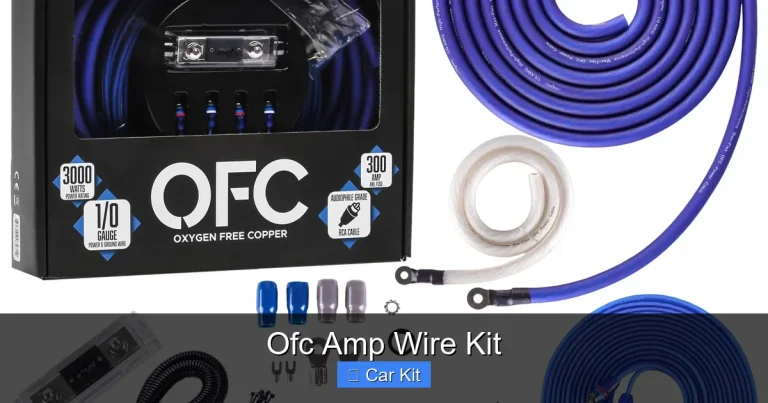
Brands that specialize in car audio, like Good Amp Wiring Kit and Amp Wiring Kit Ofc, often deliver reliable performance.
Gauge Options
If you plan to upgrade later, choose a kit that offers multiple gauge sizes or a larger gauge than you currently need.
Price vs. Value
A $30 kit that cuts corners will cost you more in the long run. Investing $50‑$70 in a well‑reviewed kit saves time and headaches.
Maintaining Your Wiring Over Time
Even the best installation can degrade if you neglect it. Follow these simple maintenance tips:
- Inspect connections every 6 months for corrosion.
- Check the fuse after any power surge.
- Re‑tighten ground bolts if you hear a buzz.
- Replace heat‑shrink if it cracks.
- Upgrade wire gauge if you add more amps or subs.
Regular care keeps your bass booming and your vehicle’s electrical system safe.
Conclusion
The Amp Sub Wiring Kit is the backbone of any solid car audio setup. By selecting the right gauge, installing with care, and avoiding common pitfalls, you can enjoy powerful, distortion‑free bass for years to come. Remember, a tidy, well‑fused, and properly grounded system not only sounds great—it protects your vehicle’s electronics. Whether you’re a first‑time installer or a seasoned enthusiast, the right kit makes the job quicker, cheaper, and far more satisfying.
Frequently Asked Questions
What gauge wire should I use for a 1500 W amp?
For a 1500 W amp, 2 ga power wire is recommended if the run is under 6 feet. If the distance exceeds that, consider stepping up to 0 ga to keep voltage drop minimal.
Can I use a sub wiring kit with a marine amp?
Yes, but marine amps often require waterproof connectors and corrosion‑resistant terminals. Look for a kit labeled Marine Amp Wiring Kit for added protection.
Do I need a separate remote turn‑on wire?
Most amps include a remote turn‑on lead, but the kit supplies the thin wire needed to connect it to the head unit’s remote‑on output.
How often should I replace the fuse?
Replace the fuse only if it blows. Regularly inspect it for signs of corrosion or overheating, especially after installing a higher‑wattage amp.
Is it safe to install the kit myself?
Absolutely, as long as you follow safety steps: disconnect the battery, use the correct gauge, and secure a solid ground. If you’re unsure, consult a professional.
Can I use the same kit for both a subwoofer and a full‑range amp?
Yes, most Amp Sub Wiring Kits include extra speaker wire that can be split between a sub and a full‑range amp, making them versatile for dual‑amp setups.