Subwoofer Amp Kit

Elevate your audio experience with a Subwoofer Amp Kit—an affordable, plug‑and‑play solution that delivers deep, punchy bass without the complexity of a full stereo amp. Whether you’re upgrading a compact car stereo or building a custom home theater, the kit’s powerful amplification and easy installation provide instant, studio-quality bass performance.
Key Takeaways
- Choose proper power: Match amp output to subwoofer rating for optimal performance.
- Check impedance compatibility: Ensure amp and subwoofer impedance align to avoid damage.
- Consider crossover settings: Adjust low-pass filter to match vehicle audio frequency response.
- Use quality cables: Opt for shielded, heavy-duty wire to reduce noise and signal loss.
- Plan installation layout: Position amp for airflow and secure mounting to prevent vibration.
- Test before sealing: Verify sound levels and distortion with a calibration test.
- Maintain regular checks: Inspect connections and firmware updates for long-term reliability.
📑 Table of Contents
Subwoofer Amp Kit
Hey there! If you’re like me, you love the deep rumble that only a good subwoofer can deliver. But that bass boom isn’t just about the speaker itself—it’s about the power that pushes it. That’s where a subwoofer amp kit comes into play. In this post, I’ll walk you through everything you need to know, from what a kit actually contains to how you can choose the right one for your ride. Grab a cup of coffee, buckle up, and let’s dive in.
We’ll cover the essentials: what a subwoofer amp kit is, why you might want one, the key components, how to pick the best option, and a quick guide on installation. By the end, you’ll feel confident picking the right kit and setting it up so that every time you hit the road, that low-end thump feels like it’s coming from the inside of your car.
What Exactly Is a Subwoofer Amp Kit?
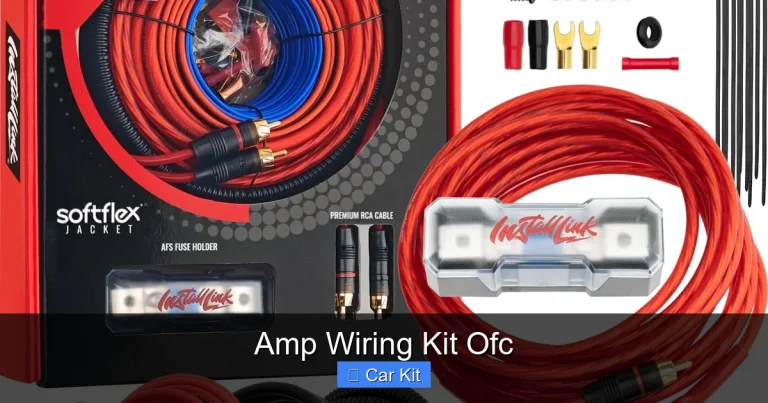
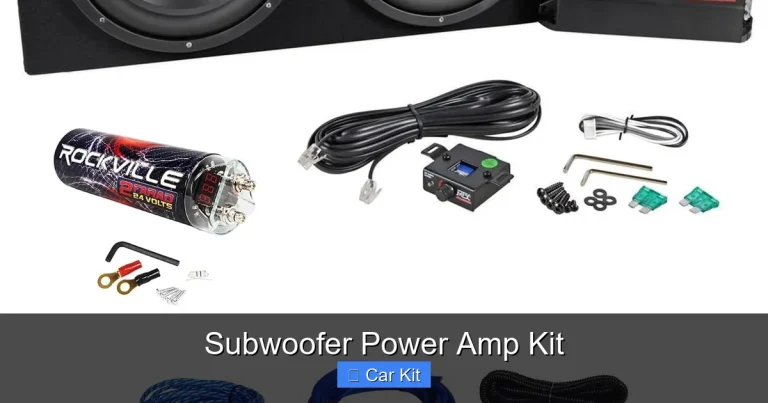
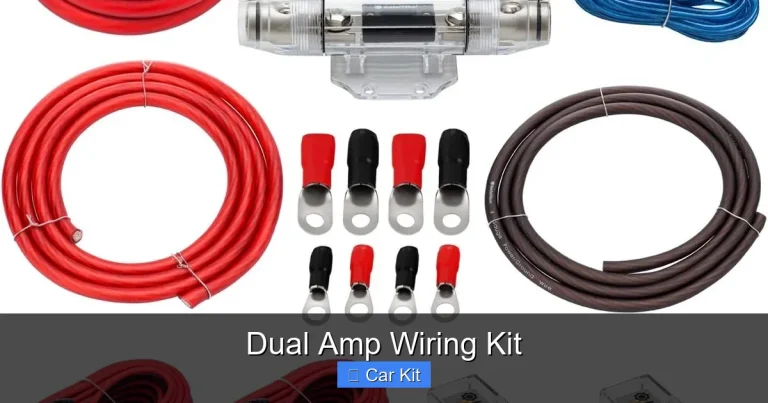
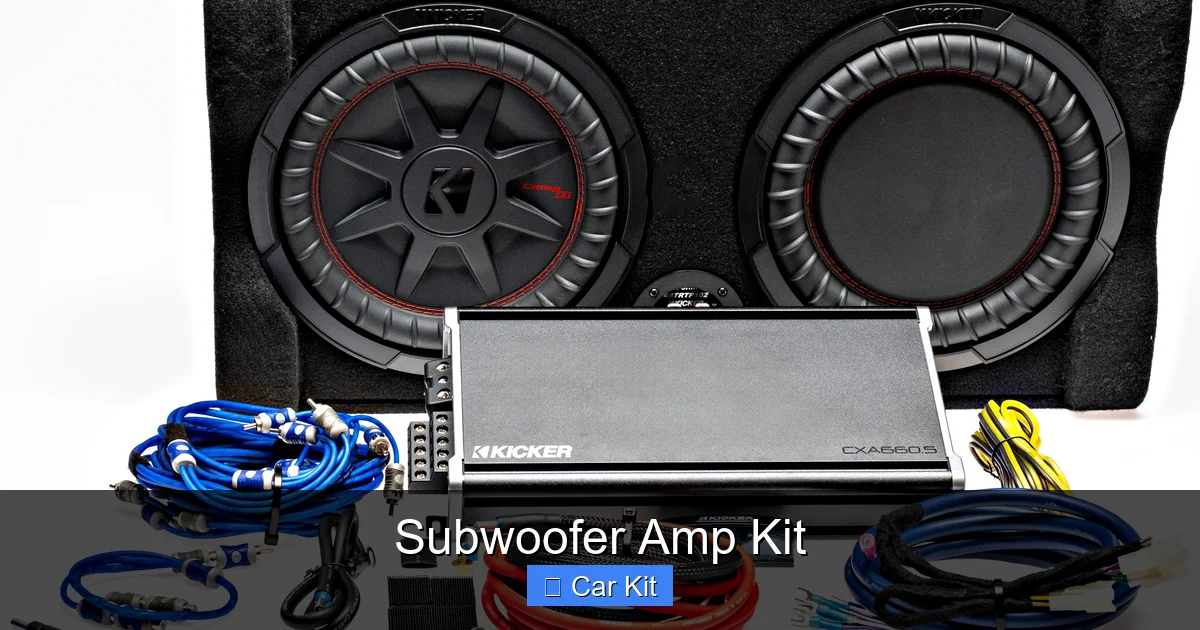
A subwoofer amp kit is a package that equips you with everything needed to power a subwoofer. Think of it as a ready‑to‑go toolbox: it usually includes a power amplifier, a power supply (or a connection to your car’s battery), a ground cable, a fuse, and wiring harnesses. Some kits even come with a mounting bracket, speaker cables, and a manual.

Visual guide about Subwoofer Amp Kit
Image source: m.media-amazon.com
Key Parts of a Typical Kit
- Amplifier – The heart of the kit. It takes the audio signal from your head unit and multiplies it to drive the subwoofer.
- Power Cable – Connects the amp to the battery. Look for gauge size that matches the amp’s power rating.
- Ground Cable – Attaches the amp’s ground to a clean metal point on the chassis.
- Fuse – Protects the wiring and amp from overcurrent.
- Signal Cable – Carries the audio from the head unit to the amp.
- Mounting Bracket or Panel – Keeps the amp secure and organized.
Some kits are designed for a specific subwoofer size or power rating, while others are more universal. If you’re building a custom sound system, a Subwoofer And Amp Kit is a great starting point because it gives you the flexibility to choose your subwoofer later.
Why You Should Consider a Subwoofer Amp Kit
Many people think you can just splice a subwoofer into their car’s factory audio system and call it a day. That’s a big mistake. A subwoofer needs a dedicated power source to perform its best. Here’s why a kit is essential:

Visual guide about Subwoofer Amp Kit
Image source: m.media-amazon.com
1. Power Demands
Subwoofers can draw anywhere from 50 W to over 500 W of power. The factory head unit isn’t built to supply that. A dedicated amp, especially one in a kit, can deliver clean, ripple‑free power.
2. Sound Quality
With a proper amp, you’ll notice tighter bass, less distortion, and a more balanced overall sound. The difference is like switching from a cheap speaker to a studio monitor.
3. Convenience
Buying a kit means you don’t have to hunt for individual parts. It also means everything is matched for voltage, current, and impedance.
4. Safety
A kit usually includes a fuse and proper gauge wiring, reducing the risk of electrical shorts or fires.
Choosing the Right Subwoofer Amp Kit for Your Car
Now that you know why a kit matters, let’s talk about how to pick the perfect one. The process feels a bit like shopping for a new pair of running shoes—size, fit, and purpose matter.
Visual guide about Subwoofer Amp Kit
Image source: trailgridpro.com
1. Power Rating (Wattage)
Check your subwoofer’s power handling. If it’s rated at 200 W RMS, you’ll want an amp that can comfortably deliver at least 250 W. A good rule of thumb is to choose an amp with a 20–30 % higher power rating than the subwoofer’s RMS rating.
2. Voltage Compatibility
Most cars run on 12 V, but some high‑end vehicles use 14.4 V. Make sure the amp is rated for your vehicle’s voltage.
3. Impedance Matching
Subwoofers come in 4 Ω, 8 Ω, or 16 Ω designs. The amp must match the impedance. A mismatch can damage both the amp and the subwoofer.
4. Wiring Gauge
Wiring gauge is critical for safe power delivery. A 4 AWG cable can handle more current than an 8 AWG. If you’re unsure, aim for a kit with 4 AWG or better.
5. Additional Features
- Gain Control – Lets you adjust the amplifier’s output.
- Bass Boost – Enhances low-frequency response.
- Built‑in FIR/SAI filters – Improves signal clarity.
6. Size and Weight
If you have limited trunk space, look for a compact kit. Many newer kits are designed to fit under the seats or behind the rear seats.
Installation Tips and Tricks
Installing a subwoofer amp kit is surprisingly straightforward if you follow a few simple steps. Below is a quick checklist to keep you on track.
1. Plan Your Cable Runs
- Measure the distance from the battery to the amp location.
- Mark a clear path for the power cable to avoid hot or moving parts.
- Keep the signal cable separate from the power cable to reduce interference.
2. Choose a Secure Mounting Location
- Behind the rear seats, under the dash, or in the trunk are common spots.
- Make sure the area can dissipate heat and won’t interfere with other components.
3. Connect the Power Cable
- Attach the positive cable to the battery’s positive terminal.
- Use a dedicated fuse near the battery, inside the fuse box, or close to the amp.
- Run the negative cable to a clean, unpainted metal point on the chassis.
4. Hook Up the Audio Signal
- Use RCA cables or a 3‑way cable if your head unit supports it.
- Connect the left and right channels to the amp’s inputs.
- Trim the cables to the correct length to avoid clutter.
5. Power On and Test
- Check for any loose connections or unusual heat.
- Start the engine and listen to the subwoofer at low volume.
- Gradually increase volume, keeping an eye on the amp’s temperature.
6. Seal and Secure
- Use zip ties or Velcro straps to keep cables tidy.
- Secure the amp with the mounting bracket or a custom enclosure.
- Double‑check all connections after the first drive.
Comparing Popular Subwoofer Amp Kit Options
Below is a quick data table to help you compare three common kit types. Note: Prices and availability vary by region.
| Kit Type | Power (W) | Impedance | Wire Gauge | Key Feature |
|---|---|---|---|---|
| Basic 4‑Channel | 600 | 4 Ω | 4 AWG | Compact Design |
| High‑End 8‑Channel | 1200 | 8 Ω | 2 AWG | Built‑in DSP |
| Modular Multi‑Sub | 2000 | 4 Ω | 1 AWG | Expandable |
Final Thoughts
Choosing and installing a subwoofer amp kit can transform your car’s audio experience from mediocre to studio‑grade. By understanding the power requirements, matching impedance, and following a simple installation guide, you’ll enjoy deep, punchy bass that feels like it’s coming from the very floor of your vehicle. Remember to keep safety in mind—use the correct gauge wiring, include a fuse, and secure all connections.
If you’re ready to start your build, consider exploring a Subwoofer Amp Wiring Kit for a hassle‑free experience. And if you’re still on the fence about the right amp size, a Amp And Subwoofer Wiring Kit might be the ideal middle ground.
Happy driving, and may your bass always be clean and powerful!
Frequently Asked Questions
What is a Subwoofer Amp Kit and why do I need one?
A Subwoofer Amp Kit is a complete package that includes a dedicated amplifier, wiring harnesses, and often a remote control, designed specifically to power a subwoofer. It ensures optimal performance, protects your speaker from damage, and simplifies installation compared to sourcing separate components.
Can I install a Subwoofer Amp Kit myself, or do I need professional help?
Most Subwoofer Amp Kits are engineered for DIY installation with step‑by‑step instructions and plug‑and‑play connectors. If you have basic electrical knowledge and tools, you can typically complete the setup in under an hour, though professionals are recommended for complex vehicle wiring.
How do I choose the right power rating for my Subwoofer Amp Kit?
Match the amp’s RMS power output to the subwoofer’s RMS rating—generally, the amp should deliver 1 to 1.5 times the sub’s RMS watts for clean, distortion‑free bass. Also consider the vehicle’s electrical system; a higher‑current amp may require a upgraded battery or capacitor.
Will a Subwoofer Amp Kit work with any car audio system?
Most kits are compatible with standard 12‑volt automotive systems and can integrate with factory or aftermarket head units. However, you should verify that the kit’s input connections (RCA, speaker level, or high‑level inputs) match the outputs of your existing head unit.
Do I need additional accessories like a capacitor or upgraded wiring with a Subwoofer Amp Kit?
Many kits include the necessary gauge wiring, but high‑power setups often benefit from a capacitor or upgraded battery to prevent voltage sag during heavy bass hits. Check the amp’s current draw specifications to determine if extra accessories are advisable.
How can I protect my subwoofer from damage when using a Subwoofer Amp Kit?
Look for kits that feature built-in protection modes such as overload, short‑circuit, and thermal shutdown. Properly setting the gain and using a low‑pass filter will also prevent clipping, which can quickly ruin a subwoofer.