How to Adjust Throttle Body
Adjusting the throttle body restores smooth idle and improves acceleration without a costly shop visit. This guide walks you through the tools you need, safety tips, and each precise step, so you can confidently tune your engine at home.
Key Takeaways
- Safety first: Disconnect the battery and let the engine cool before touching the throttle body.
- Tools matter: A basic set of screwdrivers, a feeler gauge, and a throttle position sensor (TPS) tester are all you really need.
- Idle speed matters: Proper adjustment brings idle to the manufacturer’s spec, usually between 600‑850 rpm.
- Clean before you adjust: Removing carbon build‑up prevents false readings and ensures a true adjustment.
- Check related components: Faulty spark plugs or a dirty air filter can mimic throttle‑body problems.
- Test drive is essential: A short road test confirms that the adjustment solved the issue.
- Regular maintenance: Re‑checking the throttle body every 12‑18 months keeps performance consistent.
📑 Table of Contents
Introduction: Why the Throttle Body Matters
When you press the gas pedal, a small valve called the throttle body opens to let air into the engine. If that valve is out of sync, the engine can stall, idle rough, or feel sluggish. Many drivers think a throttle‑body problem means a trip to the mechanic, but in most cases a simple adjustment (and a good cleaning) fixes the issue.
In this friendly, step‑by‑step guide we’ll show you how to adjust the throttle body yourself. You’ll learn the signs that tell you it’s time for an adjustment, the exact tools you’ll need, and the safest way to get the job done. By the end, you’ll have a smoother‑running engine and a bit more confidence under the hood.
1. Recognizing the Symptoms
Common warning signs
- Idle speed fluctuates or drops below 600 rpm.
- Engine stalls when coming to a stop.
- Rough acceleration or a “hesitation” feel.
- Check‑engine light flashes with codes P0120‑P0124 (TPS issues).
- Unusual fuel smell or higher fuel consumption.
When to inspect the throttle body
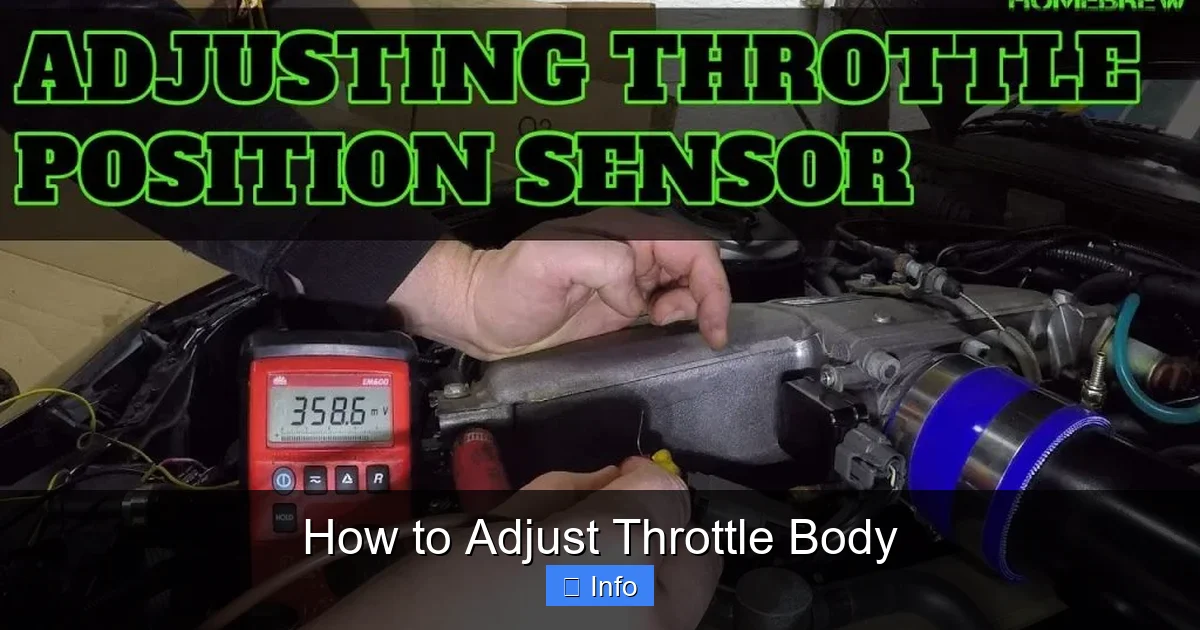
If you notice any of the above, start with a visual inspection. A dirty throttle plate often looks blackened with carbon deposits. Even a clean‑looking throttle can be misaligned, so a proper adjustment check is worth the effort.
Visual guide about How to Adjust Throttle Body
Image source: carpartsfaq.com
2. Gathering the Right Tools
Basic tool list
- Flat‑head and Phillips screwdrivers.
- 12 mm socket set (most throttle bodies use a single bolt).
- Feeler gauge (for measuring the idle air clearance).
- Throttle Position Sensor (TPS) tester or a multimeter.
- Safety gloves and eye protection.
Optional but helpful
A small container for screws, a clean rag, and a can of throttle‑body cleaner. If you’re also looking to freshen up the interior, check out how to clean car upholstery at home while you’re under the hood.
Visual guide about How to Adjust Throttle Body
Image source: i.ytimg.com
3. Preparing Your Vehicle
Safety first
Park on a flat surface, engage the parking brake, and let the engine cool for at least 15 minutes. Disconnect the negative battery cable to avoid any accidental shorts. This step also resets the engine control unit (ECU), giving you a clean slate for testing later.
Visual guide about How to Adjust Throttle Body
Image source: i.ytimg.com
Locate the throttle body
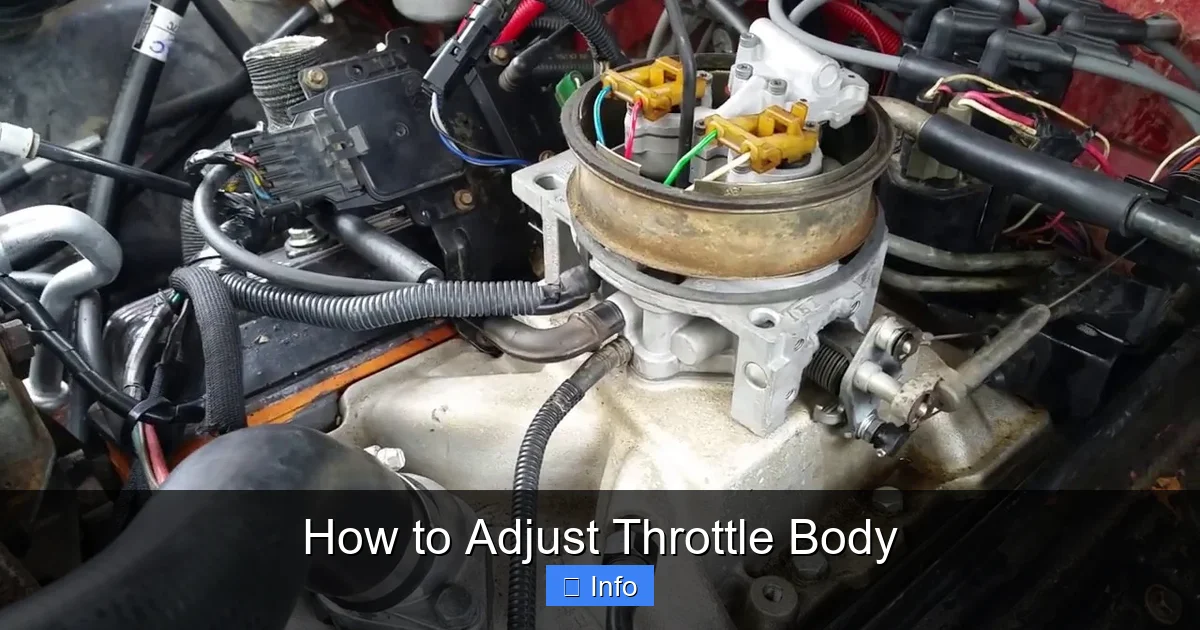
The throttle body sits between the air filter box and the intake manifold. On most modern cars it’s a circular metal housing with a butterfly valve inside. Follow the large intake hose from the air filter to the engine – you’ve found it.
4. Cleaning the Throttle Body (Optional but Recommended)
Why cleaning matters
Carbon buildup can cause the butterfly valve to stick, giving false readings to the TPS. A clean surface ensures your adjustment is accurate and prevents future idle problems.
Step‑by‑step cleaning
- Spray a light coat of throttle‑body cleaner on the valve and surrounding metal.
- Use a soft brush or cloth to gently remove the grime. Avoid scratching the surface.
- Wipe away excess cleaner with a clean rag.
- Allow the area to dry completely (about 5 minutes).
While you’re in the garage, you might also want to clean car headlights at home for a clearer view of the road.
5. Adjusting the Throttle Body
Understanding the adjustment mechanism
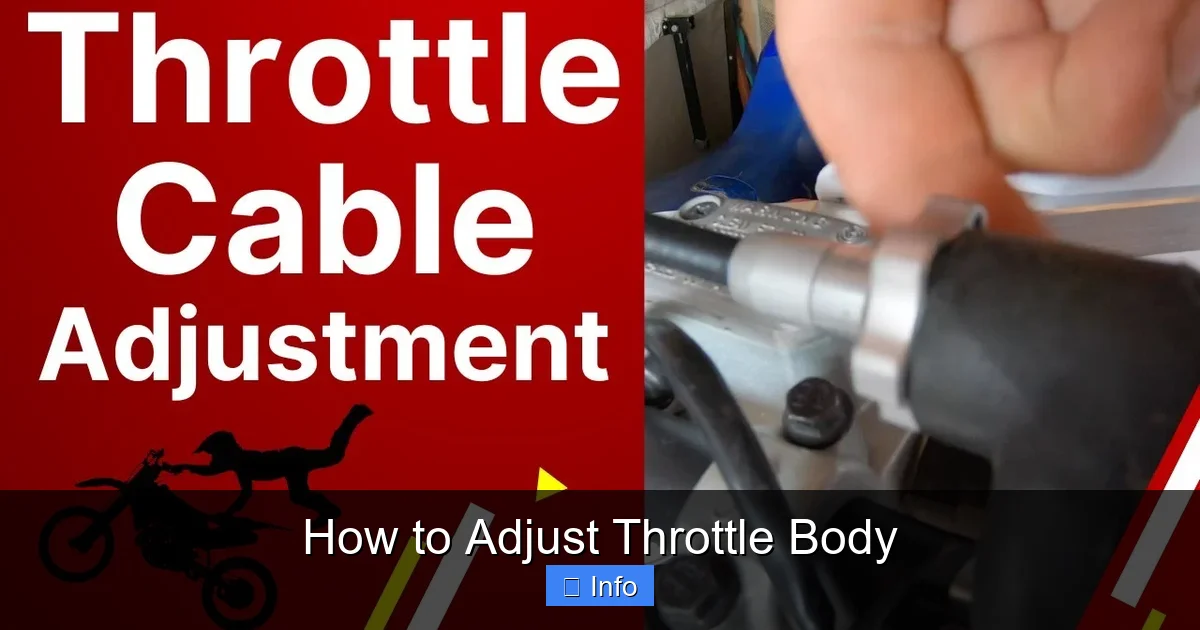
Older vehicles use a mechanical cable that you can tighten or loosen. Newer models have an electronic actuator, but many still allow a manual idle screw adjustment. The goal is to set the idle air bypass (or “idle screw”) so the engine idles at the manufacturer’s specification.
Step‑by‑step adjustment
- Reconnect the battery temporarily (you’ll need power for the TPS test).
- Start the engine and let it reach normal operating temperature.
- Turn off the engine and locate the idle adjustment screw (usually a small knob on the throttle body).
- Using a feeler gauge, set the clearance between the throttle plate and the housing to the spec listed in your service manual (often 0.5‑1.0 mm).
- Turn the screw clockwise to decrease idle speed or counter‑clockwise to increase it. Small turns (¼ turn) are enough.
- Reconnect the battery, start the engine, and watch the tachometer. Aim for the target rpm (e.g., 750 rpm for most cars).
- If the engine still idles unevenly, use a TPS tester to verify the sensor’s voltage range (0.5‑4.5 V). Adjust the screw again if needed.
Fine‑tuning tips
- Make adjustments with the engine at operating temperature; cold engine idle differs from hot.
- If the idle jumps after a minor turn, you’ve likely overshot – back off slightly.
- Some cars require a “learn procedure” after adjustment: turn the key to “ON” (engine off) for a few seconds, then start.
6. Testing Your Work
Initial idle check
With the engine running, let it idle for a minute. The rpm should stay steady within ±25 rpm of the target. Listen for any roughness or vibrations.
Road test
Take the car for a short drive. Pay attention to acceleration response and any stalling when coming to a stop. If everything feels smooth, you’ve succeeded.
When problems persist
If idle is still erratic, consider these other culprits:
- Dirty or clogged air filter – replace it.
- Worn spark plugs – check and replace if necessary.
- Vacuum leaks – inspect hoses for cracks.
- Faulty TPS – a replacement may be required.
For a quick check of related components, you might learn how to check brake pads in your car while you’re already under the hood.
7. Maintenance Tips to Keep the Throttle Body Happy
Regular inspections
Every 12‑18 months, remove the throttle body and give it a light cleaning. This prevents carbon buildup that could throw off the idle again.
Use quality fuel
High‑octane, clean fuel reduces deposits throughout the intake system, including the throttle body.
Replace the air filter
A fresh filter catches dust before it reaches the throttle, extending the life of the valve.
Keep the TPS calibrated
If you ever replace the throttle body or TPS, run a diagnostic scan to reset the ECU’s learning parameters.
Conclusion
Adjusting the throttle body is one of the most rewarding DIY tasks for any car owner. With a few basic tools, a bit of patience, and the steps outlined above, you can restore a steady idle, improve acceleration, and save money on shop fees. Remember to clean the throttle body, set the idle screw precisely, and test both on the stand and on the road. Regular maintenance will keep your engine humming for years to come. Happy driving!
Frequently Asked Questions
What tools do I need to adjust a throttle body?
You’ll need a flat‑head and Phillips screwdriver, a 12 mm socket, a feeler gauge, and a TPS tester or multimeter. Safety gloves and eye protection are also recommended.
Can I adjust the throttle body on any car?
Most gasoline‑engine cars with a throttle body can be adjusted, but the exact method varies. Older models use a manual idle screw, while newer cars may require electronic diagnostics.
How often should I clean the throttle body?
Cleaning every 12‑18 months is a good rule of thumb, especially if you notice idle issues or drive in dusty conditions.
Will adjusting the throttle body improve fuel economy?
Yes, a properly set idle reduces excess fuel consumption at idle, which can slightly improve overall mileage.
What should I do if the engine still stalls after adjustment?
Check for vacuum leaks, a dirty air filter, or a faulty TPS. If the problem persists, a professional diagnostic may be needed.
Is it safe to adjust the throttle body myself?
As long as you follow safety steps—disconnect the battery, let the engine cool, and use the correct tools—adjusting the throttle body is a safe DIY task.