Amp Wire Kit

An amp wire kit is essential for connecting your car amplifier to power sources and speakers. These kits include all necessary wires, fuses, and connectors for proper installation. Choosing the right amp wire kit ensures optimal audio performance and protects your vehicle’s electrical system.
Key Takeaways
- Complete Solution: Amp wire kits provide all necessary components for amplifier installation in one package.
- Gauge Matters: Wire thickness affects power delivery and overall system performance significantly.
- Quality Materials: Oxygen-free copper (OFC) wires offer superior conductivity and durability.
- Proper Installation: Following correct wiring procedures prevents damage and maximizes efficiency.
- System Compatibility: Match your kit to amplifier power requirements for best results.
- Safety Features: Include fuses and proper grounding to protect your vehicle and audio equipment.
- Budget Considerations: Prices vary based on quality and components included in the kit.
📑 Table of Contents
- Understanding Amp Wire Kits: Your Car Audio Connection Guide
- Types of Amp Wire Kits Available Today
- Why Your Car Audio System Needs a Quality Amp Wire Kit
- Installing Your Amp Wire Kit: Step-by-Step Process
- Choosing the Right Amp Wire Kit for Your Setup
- Common Mistakes and How to Avoid Them
- Maximizing Your Amp Wire Kit Investment
Understanding Amp Wire Kits: Your Car Audio Connection Guide
If you’re diving into the world of car audio upgrades, you’ve probably heard about amp wire kits. But what exactly are they, and why do you need one? Think of an amp wire kit as your complete toolkit for connecting an amplifier to your car’s electrical system and speakers. Just like building with LEGO blocks, having the right pieces makes everything fit together perfectly.
An amp wire kit isn’t just a random collection of wires thrown in a box. It’s carefully engineered to deliver power efficiently while protecting your investment. When you install a car amplifier without proper wiring, you’re asking for trouble – poor sound quality, potential damage, and frustrated nights troubleshooting issues. With the right amp wire kit, you get peace of mind knowing every connection is secure and optimized.
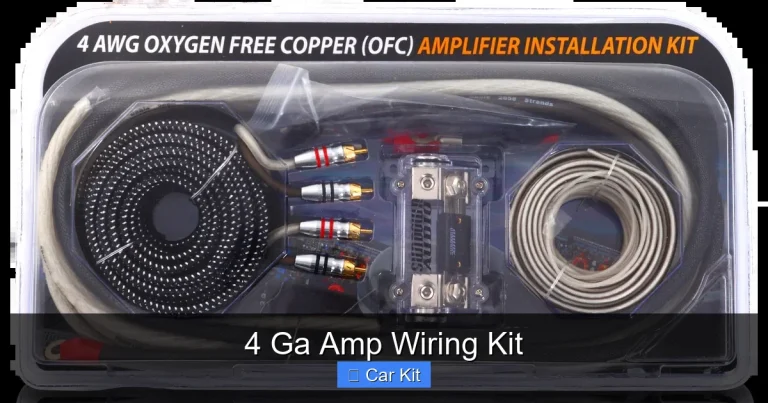
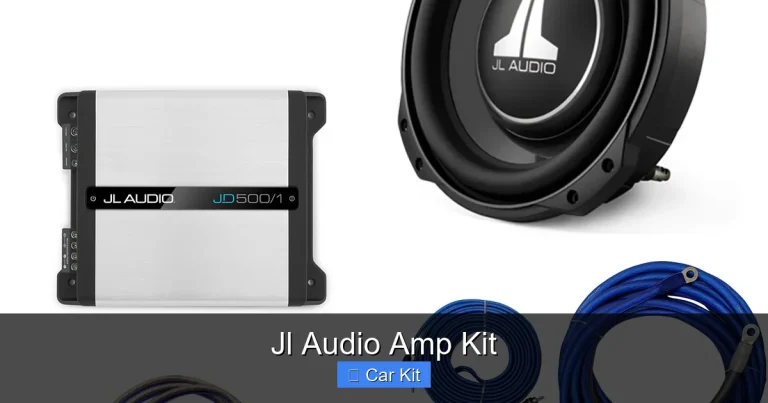
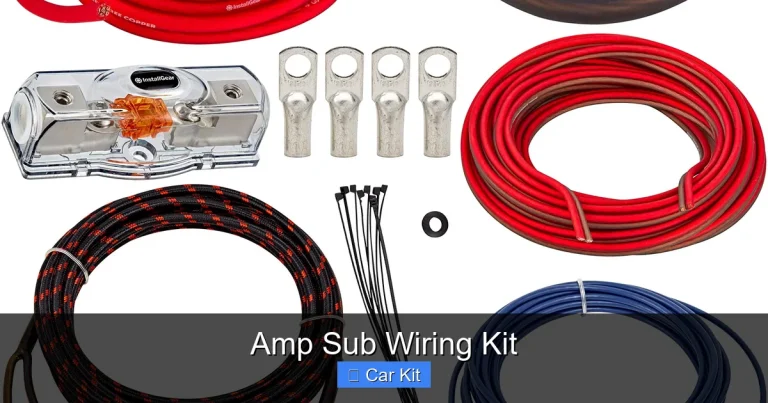
These kits typically include power cables, ground wires, RCA cables, speaker wire, and fuse holders. Each component plays a crucial role in your audio system’s performance. The power cable brings electricity from your battery to the amp. Ground wires complete the circuit safely. RCA cables carry low-level signals from your head unit. Speaker wires connect your amp to your speakers or subwoofer. Fuse holders protect against electrical surges that could fry your expensive equipment.
Types of Amp Wire Kits Available Today
Power Wire Gauge Variations
The most important decision when choosing an amp wire kit is selecting the right wire gauge. Think of wire gauge like water pipes – thicker pipes carry more water with less restriction. Similarly, thicker wires carry more electrical current with less resistance. Common options include 8-gauge, 4-gauge, and 0-gauge wire kits, each suited for different power requirements.
For amplifiers under 500 watts RMS, an 8-gauge kit usually suffices. If you’re pushing 500-1000 watts, 4-gauge becomes more appropriate. High-powered systems exceeding 1000 watts benefit from 0-gauge wire kits. The key is matching your kit to your specific amplifier’s power output for optimal performance.
Material Quality Differences
Not all amp wire kits are created equal when it comes to materials. Copper-clad aluminum (CCA) kits cost less but don’t conduct electricity as well as oxygen-free copper (OFC) versions. OFC wire offers better conductivity, meaning more power reaches your amplifier instead of being lost as heat. While CCA might save money upfront, OFC pays dividends in long-term performance.
Some premium kits even feature silver-coated OFC for maximum conductivity. These represent the pinnacle of amp wire kit technology but come with higher price tags. Your choice depends on budget and performance expectations. For most car audio enthusiasts, quality OFC wire strikes the perfect balance between cost and performance.
Specialized Kit Options
Beyond standard power and ground wires, specialized amp wire kits exist for specific applications. Subwoofer-focused kits emphasize heavy-duty power delivery. Marine-grade kits resist corrosion from saltwater environments. Motorcycle-specific kits accommodate limited space and unique mounting requirements. Each variation addresses particular challenges while maintaining core functionality.
Why Your Car Audio System Needs a Quality Amp Wire Kit
Performance Enhancement Benefits
A quality amp wire kit transforms your listening experience. Poor wiring creates bottlenecks that choke your amplifier’s potential. You might have invested in premium speakers and a powerful amp, but subpar wiring undermines everything. Proper gauge selection ensures your amplifier receives consistent power even during demanding musical passages.
Think about headlights dimming when you crank up the bass. This happens because inadequate power wiring forces your amplifier to draw excessive current through undersized wires. A properly sized amp wire kit eliminates this problem by providing ample current flow without voltage drops.
Protection Against Electrical Damage
Your vehicle’s electrical system isn’t designed to handle raw amplifier power directly. Amp wire kits include protective elements like inline fuses that prevent catastrophic failures. Without proper fusing, electrical shorts could damage your car’s wiring harness or start fires. Quality kits position fuses strategically to interrupt dangerous current flows quickly.
Grounding problems cause mysterious issues that frustrate DIY installers. Poor ground connections create noise, distortion, and unreliable operation. Amp wire kits include appropriately sized ground wires that establish solid connections to your vehicle’s chassis. This simple step prevents countless headaches down the road.
Long-term Reliability Advantages
Cheap wiring degrades quickly under automotive conditions. Heat, vibration, and moisture take their toll on inferior materials. Premium amp wire kits use durable insulation that withstands years of service. You won’t find yourself replacing corroded connections or dealing with intermittent problems caused by brittle wire.
Professional installers consistently recommend quality amp wire kits for good reason. They’ve seen firsthand how poor wiring choices lead to callbacks and warranty claims. Investing in a reputable amp wire kit protects both your audio investment and your sanity.
Installing Your Amp Wire Kit: Step-by-Step Process

Visual guide about Amp Wire Kit
Image source: dynamic-media-cdn.tripadvisor.com
Preparation and Safety First
Before touching any wires, disconnect your battery’s negative terminal. This prevents accidental short circuits that could damage electronics or cause injury. Always work in well-ventilated areas away from flammable materials. Gather basic tools: wire strippers, crimpers, screwdrivers, and electrical tape.
Plan your wire routing carefully. Power wires should run directly from battery to amplifier location. Avoid sharp edges that could damage insulation over time. Use existing grommets where possible to maintain firewall integrity. Take photos during disassembly to simplify reassembly later.
Power Wire Installation
Start with the power wire, typically red in color. Strip about 3/8 inch of insulation from both ends. Install the inline fuse holder close to the battery connection point. Connect the fuse holder using appropriate terminals – never solder directly to battery terminals. Secure connections prevent intermittent operation and potential fire hazards.
Route power wires away from heat sources and moving parts. Zip ties keep everything organized and prevent rattles. Leave some slack near the amplifier for vibration isolation. Tight connections resist corrosion better than loose ones, so ensure all terminals fit snugly.
Ground and Signal Connections
Ground wires connect to clean, unpainted metal surfaces near your amplifier. Scrape away paint or coatings to expose bare metal. Use star washers to bite through oxidation for solid electrical contact. Poor grounding causes most noise and reliability issues in car audio installations.
RCA cables carry low-level signals from head units to amplifiers. Route these away from power wires to minimize interference. Secure connections prevent signal loss and intermittent operation. Label connections during installation to simplify future troubleshooting.
Choosing the Right Amp Wire Kit for Your Setup
Matching Kit to Amplifier Power
Your amplifier’s power output determines minimum wire gauge requirements. Check your amp’s specifications for RMS power ratings rather than peak numbers. RMS represents continuous power handling – the real measure for wire sizing calculations. Under-sizing creates dangerous situations; over-sizing wastes money unnecessarily.
Consider future expansion possibilities when selecting wire gauge. Running 0-gauge power wire now accommodates later amplifier upgrades without rewiring. This forward-thinking approach saves time and money as your audio system evolves.
Brand Reputation and Quality Indicators
Established brands like Kicker offer reliable amp wire kits backed by warranties and customer support. Their products undergo rigorous testing to ensure consistent performance. While cheaper alternatives exist, proven brands reduce installation risks and compatibility concerns.
Look for certifications like UL listing or compliance with automotive standards. These indicate independent verification of safety and performance claims. Read customer reviews focusing on long-term reliability rather than initial impressions.
Budget-Friendly vs. Premium Options
Quality doesn’t always require premium pricing. Many mid-range amp wire kits offer excellent performance at reasonable costs. Evaluate what each kit includes – some bundle RCA cables and speaker wire while others sell components separately. Calculate total system costs including all necessary accessories.
Consider your skill level when choosing kit complexity. Beginners benefit from comprehensive kits with clear instructions. Experienced installers might prefer component-based approaches allowing custom configurations.
Common Mistakes and How to Avoid Them
Incorrect Gauge Selection
Using undersized wire creates voltage drops that reduce amplifier performance. Your amp might produce half its rated power due to inadequate wiring. Always verify gauge requirements before purchasing any amp wire kit. Online calculators help determine proper sizing based on amplifier specifications and wire length.
Over-sizing isn’t necessarily problematic but wastes money on unnecessary copper. Research your specific application to find the sweet spot between performance and cost-effectiveness.
Improper Grounding Techniques
Many installers make the mistake of grounding to seat bolts or other convenient but inadequate locations. These points often connect to painted surfaces or isolated metal sections. Proper grounding requires clean, direct connections to vehicle chassis. Test connections with multimeter to verify low resistance paths.
Routing Errors That Cause Problems
Running power and signal wires together creates interference and noise issues. Separate these runs by at least six inches where possible. Never route wires through door hinges or other areas experiencing repeated flexing. These locations cause premature wire failure and intermittent problems.
Maximizing Your Amp Wire Kit Investment
Proper Maintenance Practices
Regular inspection prevents minor issues from becoming major problems. Check connections periodically for signs of corrosion or loosening. Tighten terminals as needed but avoid over-tightening which can damage threads. Replace damaged sections promptly rather than risking system-wide failures.
Keep documentation showing wire sizes and connection points. This information proves invaluable during future modifications or troubleshooting sessions. Digital photos serve as excellent reference materials for complex installations.
Upgrade Path Planning
Plan your amp wire kit installation with future growth in mind. Running larger gauge wire initially accommodates amplifier upgrades without rewiring. This approach saves significant time and money as your audio system evolves. Consider dual amplifier installations requiring additional power capacity.
Professional Installation Considerations
While DIY installation offers satisfaction and savings, complex systems benefit from professional expertise. Experienced installers understand subtle details affecting long-term reliability. They carry specialized tools ensuring clean, professional results. Weigh the value of your time against potential installation costs.
Some amp wire kits include installation guides walking through basic procedures. These resources help confident DIY enthusiasts tackle projects successfully. However, don’t hesitate seeking professional help when facing unfamiliar situations.
Investing in a quality amp wire kit pays dividends in system performance and reliability. Whether you choose a comprehensive kit or individual components, proper wiring forms the foundation of any great car audio system. Take time researching options and understanding your specific requirements. The perfect amp wire kit exists for every application – you just need to find it.
Remember that your amp wire kit represents more than mere wire and connectors. It’s the lifeline connecting your amplifier to your vehicle’s electrical system. Choose wisely, install carefully, and enjoy years of trouble-free audio performance. Your ears – and your car – will thank you for making informed decisions today.
Frequently Asked Questions
What does an amp wire kit include?
An amp wire kit typically includes power cables, ground wires, RCA signal cables, speaker wire, inline fuses, and various connectors. Some kits bundle additional accessories like distribution blocks or battery terminals. Check individual product specifications for complete component lists.
How do I determine the correct wire gauge for my amp wire kit?
Match wire gauge to your amplifier’s RMS power output and distance from battery. Generally, 8-gauge suits systems under 500 watts, 4-gauge handles 500-1000 watts, and 0-gauge works for systems exceeding 1000 watts. Online calculators provide precise recommendations based on your specific application.
Can I use an amp wire kit for multiple amplifiers?
Dual amplifier installations require specialized amp wire kits with distribution blocks and adequate wire gauge. Running separate power wires to each amplifier often proves more reliable than sharing single large cables. Consider your total system power requirements when planning multi-amplifier setups.
Are oxygen-free copper (OFC) wires worth the extra cost in amp wire kits?
OFC wires offer superior conductivity compared to copper-clad aluminum alternatives. They resist corrosion better and provide more consistent power delivery over time. While initially more expensive, OFC amp wire kits typically deliver better long-term performance and reliability for serious car audio enthusiasts.
What’s the difference between 4-gauge and 0-gauge amp wire kits?
0-gauge wires are significantly thicker than 4-gauge, allowing higher current flow with less resistance. This makes them suitable for high-powered amplifiers exceeding 1000 watts RMS. 4-gauge kits work well for moderate systems between 500-1000 watts. Choose based on your amplifier’s specific power requirements.
Where can I buy a quality amp wire kit?
Quality amp wire kits are available from car audio specialty retailers, online stores, and some electronics suppliers. Popular brands offer kits at various price points to suit different budgets and applications. Compare features, warranties, and customer reviews before making your final selection.