Wiring Kit Amp
A wiring kit amp is essential for connecting your amplifier to your car’s electrical system safely and efficiently. Whether you’re upgrading your sound system or installing a new amplifier, the right wiring kit ensures optimal performance and prevents damage. This guide covers everything from types and installation to choosing the best kit for your setup.
Key Takeaways
- Understanding Wiring Kit Amp Basics: Learn the fundamental components and purpose of a wiring kit amp for your car audio system.
- Choosing the Right Gauge Size: Discover how to select the correct wire gauge based on your amplifier’s power requirements.
- Types of Wiring Kit Amps: Explore different configurations like 4-gauge, 8-gauge, and dual amp kits to match your setup.
- Installation Best Practices: Get step-by-step guidance on safely installing your wiring kit amp with minimal hassle.
- Common Mistakes to Avoid: Avoid pitfalls like incorrect connections or mismatched components that can harm your system.
- Where to Buy Quality Kits: Find trusted sources and brands for durable, high-performance wiring kit amps.
📑 Table of Contents
Understanding the Basics of Wiring Kit Amp
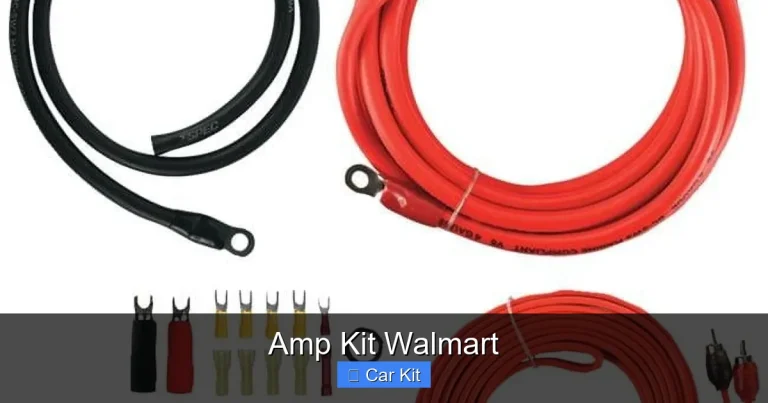
If you’re diving into car audio upgrades, you’ve probably heard the term “wiring kit amp” thrown around. But what exactly does it mean? Simply put, a wiring kit amp is a collection of cables, connectors, and accessories designed to connect your amplifier to your vehicle’s electrical system. Without the right kit, even the best amplifier won’t perform as expected. It’s like trying to drive a sports car with a bicycle engine – it just doesn’t work!
Think of a wiring kit amp as the circulatory system of your car audio setup. Just as blood carries oxygen throughout your body, these kits carry power from your battery to your amplifier. The quality of this connection directly impacts your system’s efficiency, clarity, and safety. Poor wiring can lead to overheating, blown fuses, or even damage to your components. That’s why choosing the right kit isn’t just about convenience – it’s about protecting your investment.
Why Gauge Size Matters
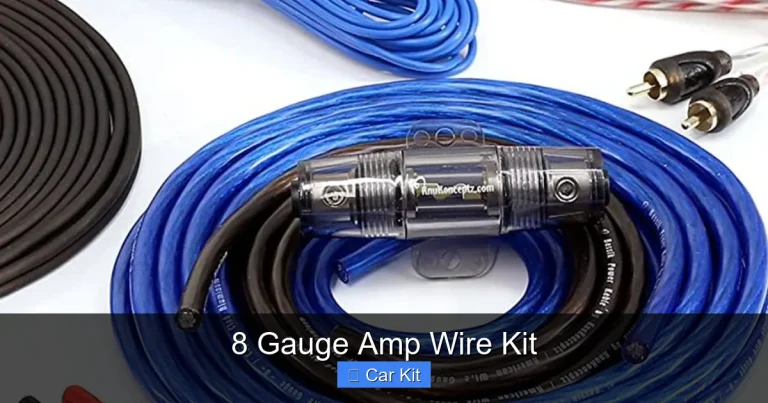
The gauge size of your wiring kit amp refers to the thickness of the power cables. Thicker wires (lower gauge numbers) handle more current without resistance. For example, a 4-gauge wire is thicker than an 8-gauge wire. If your amplifier demands high power, using an undersized wire is like trying to drink a thick milkshake through a thin straw – it just won’t flow properly. Check out our guide on 4 gauge wiring kit for amp to learn more about optimal sizing.
Types of Wiring Kit Amps for Different Setups
Not all wiring kit amps are created equal. Depending on your amplifier’s power and your vehicle’s requirements, you’ll need different configurations. Let’s break down the most common types to help you choose the right one.
Single Amplifier Kits
These kits are designed for one amplifier and typically include power cables, ground wires, RCA cables, and fuse holders. They’re perfect for basic setups where you’re powering a single subwoofer or component speakers. If you’re working with a 1000-watt amplifier, consider a 1000W amp wiring kit for optimal performance.
Dual Amplifier Kits
For those with multiple amplifiers, dual amp wiring kits provide separate circuits for each unit. This prevents power drain and ensures both amplifiers receive adequate current. If you’re running a multi-channel system, a dual amp wiring kit is a must-have. It keeps your system organized and reduces the risk of electrical interference.
High-Power Kits for Large Systems
If you’re pushing serious wattage – think 2000W or more – you’ll need heavy-duty wiring. These kits often use 0-gauge or 2-gauge wires to handle the immense current. For extreme setups, check out our amp wiring kit 2000W guide to ensure your system can keep up.
How to Choose the Right Wiring Kit Amp for Your Vehicle
Selecting the perfect wiring kit amp isn’t as straightforward as picking the flashiest option. Here’s how to make an informed choice that aligns with your system’s needs.
Calculate Your Power Requirements
Start by determining your amplifier’s peak and RMS power ratings. This will dictate the minimum wire gauge you need. For instance, a 1200-watt system might require a 1200 watt amp wiring kit. Always err on the side of caution – using a larger gauge than necessary won’t hurt, but undersizing can cause serious issues.
Consider Your Vehicle’s Electrical System
Your car’s alternator and battery must support the additional load from your amplifier. If you’re adding a high-powered system, you might need to upgrade these components too. For example, a 3000-watt setup would benefit from a 3000 watt amp wiring kit paired with a robust electrical foundation.
Brand Reputation and Build Quality
Stick to reputable brands known for durability. Brands like Scosche and Stinger offer reliable options. A good amp wiring kit often includes oxygen-free copper (OFC) wiring for better conductivity. Check out our Scosche amp wiring kit review to see why quality matters.
Step-by-Step Installation Guide for Wiring Kit Amp
Installing a wiring kit amp can seem daunting, but with the right approach, it’s a manageable DIY project. Here’s how to do it safely and effectively.
Preparation Steps
Before you start, gather all necessary tools: wire strippers, crimpers, a drill, and a multimeter. Disconnect your car battery to prevent electrical shocks. Plan your cable route – avoid sharp edges or moving parts that could damage the wires. For a smooth installation, follow a good amp wiring kit guide that includes detailed diagrams.
Connecting the Power Cable
Run the power cable from your battery to the amplifier, ensuring it’s fused near the battery. Strip the ends, attach ring terminals, and secure them with crimpers. Connect the ground wire to a clean, unpainted metal spot on your car’s chassis. Double-check all connections with a multimeter before powering up.
Installing RCA and Remote Turn-On Wires
RCA cables carry the audio signal from your head unit to the amplifier. Route them away from power cables to avoid interference. The remote turn-on wire connects to your head unit’s remote output, allowing the amp to power on with your stereo. If you’re unsure about compatibility, consult a amp wiring kit nearby specialist for advice.
Common Issues and Troubleshooting Tips
Even with careful installation, problems can arise. Here’s how to identify and fix common issues with your wiring kit amp.
Blown Fuses or Tripped Breakers
If your system keeps blowing fuses, it’s likely due to an undersized wire or a short circuit. Double-check your connections and ensure the fuse rating matches your amplifier’s specifications. Using a 8 gauge amp wiring kit for high-power systems can resolve this issue.
Weak Bass or Distorted Sound
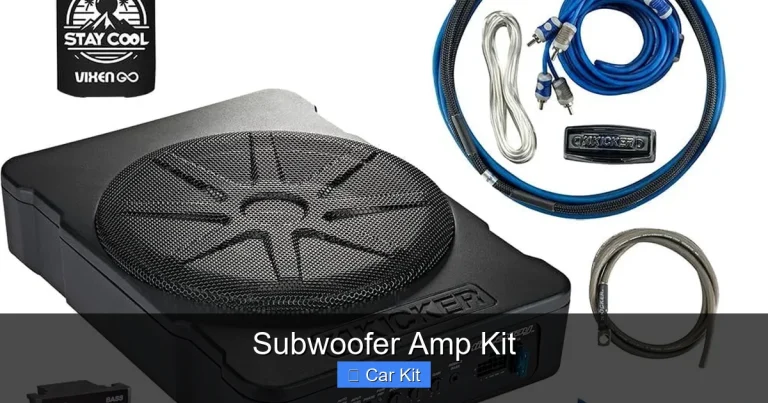
Poor grounding or loose connections often cause weak bass. Ensure your ground wire is securely attached to bare metal. Also, check RCA cables for damage or interference. If you’re using a subwoofer, verify your subwoofer amp wiring kit is properly configured.
Overheating Components
Overheating usually stems from excessive current draw or inadequate ventilation. Make sure your amplifier has enough space for airflow. If the problem persists, consider upgrading to a higher-gauge wire like a 0 gauge amp wiring kit to reduce resistance.
Maintaining Your Wiring Kit Amp for Longevity
To keep your wiring kit amp performing at its best, regular maintenance is key. Here’s how to extend the life of your system.
Regular Inspections
Check your wiring kit amp periodically for signs of wear, such as frayed wires or corroded terminals. Clean connections with a wire brush and apply dielectric grease to prevent oxidation. If you notice any damage, replace the affected components immediately.
Upgrading When Necessary
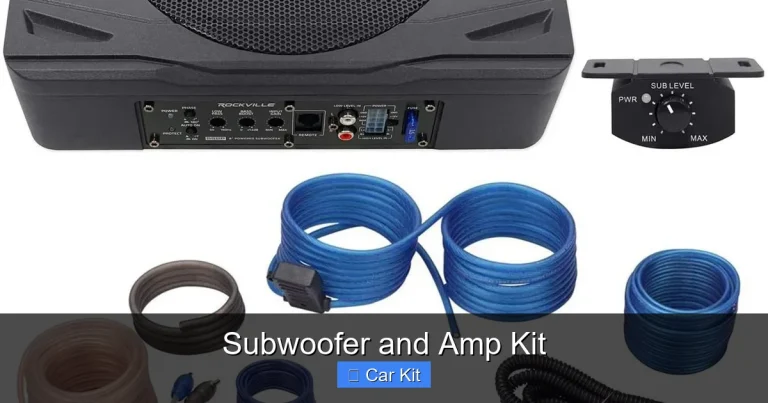
As your audio system evolves, your wiring kit amp might need an upgrade too. For example, adding a second amplifier would require a subwoofer and amp wiring kit. Stay ahead of your system’s needs to avoid performance bottlenecks.
Professional Tuning
While DIY installation is possible, professional tuning can optimize your system’s performance. A technician can ensure your wiring kit amp is calibrated correctly, preventing issues like clipping or distortion. If you’re unsure, seek help from a local installer.
In conclusion, a wiring kit amp is more than just a bundle of wires – it’s the backbone of your car audio system. By understanding your needs, choosing the right components, and maintaining your setup, you can enjoy crystal-clear sound without compromising safety. Whether you’re a beginner or a seasoned enthusiast, investing in a quality wiring kit amp pays dividends in performance and peace of mind.
Frequently Asked Questions
What is a wiring kit amp?
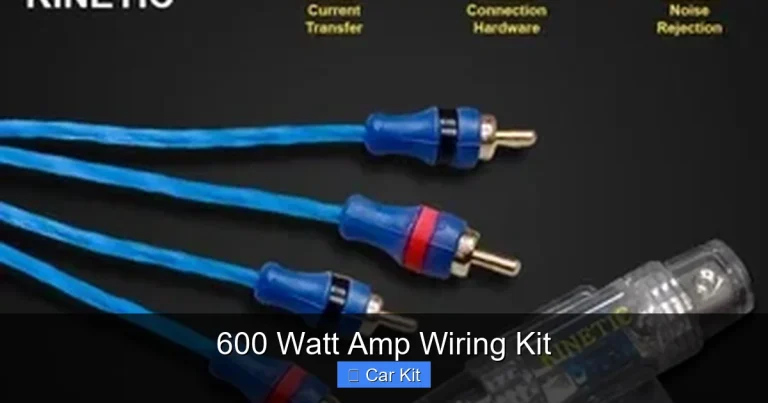
A wiring kit amp is a collection of cables and accessories that connect your amplifier to your vehicle’s electrical system. It ensures safe power delivery and optimal audio performance. These kits typically include power cables, ground wires, RCA cables, and fuse holders.
How do I choose the right gauge size for my wiring kit amp?
The gauge size depends on your amplifier’s power requirements. For systems under 1000W, an 8-gauge wire may suffice. For higher power, opt for 4-gauge or 0-gauge cables. Always consult your amplifier’s manual for specific recommendations.
Can I install a wiring kit amp myself?
Yes, with the right tools and precautions. Disconnect your battery, plan your cable routes, and follow a step-by-step guide. If you’re unsure, consider consulting a professional to avoid risks like electrical shorts or component damage.
What are common mistakes to avoid when installing a wiring kit amp?
Avoid using undersized wires, poor grounding, and routing power cables near audio signals. Always use a fuse near the battery and double-check connections. Forgetting to disconnect the battery is another frequent error that can lead to shocks or damage.
Where can I buy a quality wiring kit amp?
Trusted sources include auto parts stores, online retailers, and specialized audio shops. Brands like Scosche and Stinger offer reliable options. For convenience, you can find amp wiring kit Walmart or other local stores with a wide selection.
How often should I inspect my wiring kit amp?
Inspect your wiring kit amp every 6-12 months for wear or damage. Look for frayed wires, loose connections, or signs of overheating. Regular checks help prevent issues and extend the life of your car audio system.