Electric Air Conditioner Compressor for Car
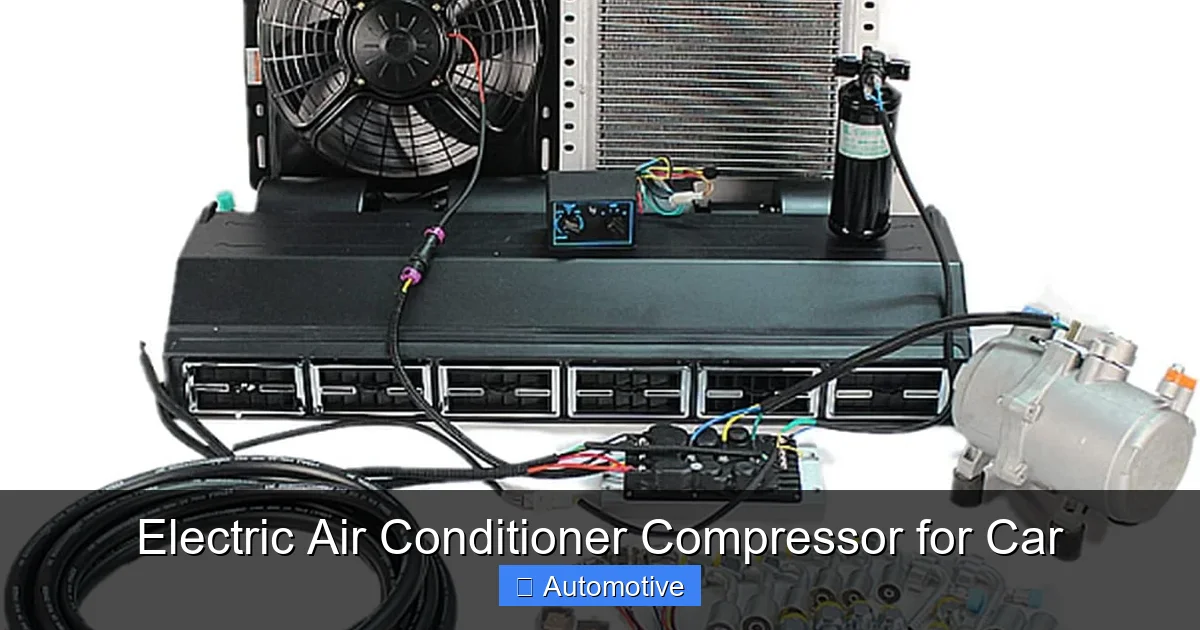
An electric air conditioner compressor for car powers your vehicle’s cooling system without relying on the engine. It runs on electricity, making it ideal for hybrids and electric vehicles. Learn how it works, why it matters, and when to replace it.
Key Takeaways
- Electric independence: An electric air conditioner compressor for car systems runs on electricity, not a belt connected to the engine.
- Hybrid and EV friendly: It can keep the cabin cool even when the engine is shut down, which is essential for hybrid and electric vehicles.
- Better efficiency: Removing the belt-driven load from the engine can improve fuel economy and reduce emissions.
- Quieter performance: Electric compressors tend to operate more quietly than traditional belt-driven units.
- Warning signs: Warm air from vents, strange noises, and failure to turn on are common signs of compressor trouble.
- Professional replacement: Replacing the compressor involves refrigerant recovery and recharging, so it is best left to a qualified technician.
📑 Table of Contents
- What Is an Electric Air Conditioner Compressor for Car?
- How Does an Electric Car AC Compressor Work?
- Electric vs. Traditional Belt-Driven Compressors
- Benefits of an Electric Air Conditioner Compressor for Car
- Common Signs Your Electric AC Compressor Is Failing
- Maintenance Tips and Replacement Considerations
- Buying an Electric AC Compressor: What to Look For
- Cost and Installation: What to Expect
- Conclusion
What Is an Electric Air Conditioner Compressor for Car?
If you have ever stepped into a parked car on a scorching afternoon and felt instant relief from the air vents, you know how valuable a good AC system is. The part that makes that cold air possible is the compressor. For decades, most cars used a compressor driven by a belt connected to the engine. Today, many vehicles use something newer and smarter: an electric air conditioner compressor for car cooling systems.
This compressor does not need a spinning belt to do its job. Instead, it uses an electric motor to pressurize refrigerant and push it through the air conditioning loop. Because it runs on electricity, it can operate even when the engine is turned off. That is especially useful in hybrid and fully electric vehicles, where the engine may shut down frequently to save energy.
In this article, we will explain what an electric car AC compressor is, how it works, how it compares to older belt-driven models, and what you should know about maintenance and replacement. Whether you drive a traditional gas car or a modern electric vehicle, understanding this part can help you stay cool and avoid costly surprises.
The Basic Job of a Car AC Compressor
You can think of the compressor as the heart of your vehicle’s air conditioning system. Its main job is to take low-pressure refrigerant gas and compress it into a high-pressure, high-temperature gas. That hot gas then moves to the condenser, where it sheds heat and becomes a liquid. Next, it flows to the evaporator inside the dashboard, where it absorbs heat from the cabin air and turns cold. Finally, the blower fan pushes that cold air into your car.
If the compressor stops working, the refrigerant stops moving. When refrigerant stops moving, you get warm air instead of cold air. It really is that simple.
Why Electric Matters
An electric air conditioner compressor for car applications changes the way cooling works because it is independent of engine speed. In a traditional setup, the compressor only spins as fast as the engine allows. At a stoplight or during idle, cooling can feel weaker. An electric compressor runs off the vehicle’s electrical system, so it can deliver steady performance no matter what the engine is doing.
How Does an Electric Car AC Compressor Work?
It might seem strange to run a compressor on electricity without draining the battery immediately. The secret is in the design of the motor and the way the car manages power.
Visual guide about Electric Air Conditioner Compressor for Car
Image source: m.media-amazon.com
The Role of the Electric Motor
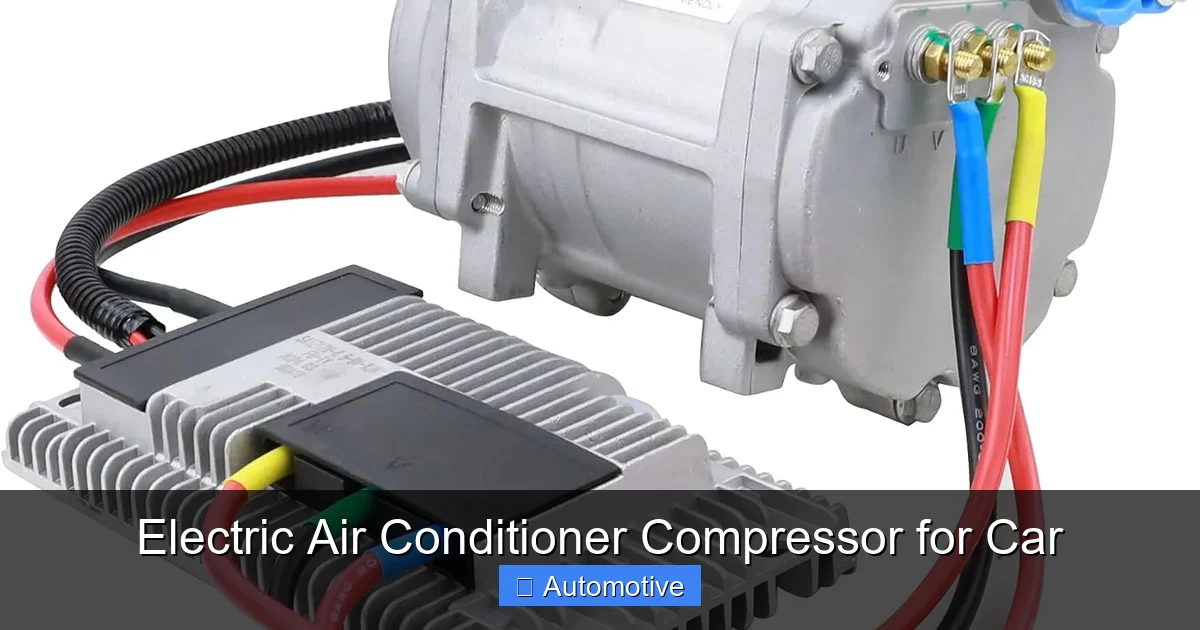
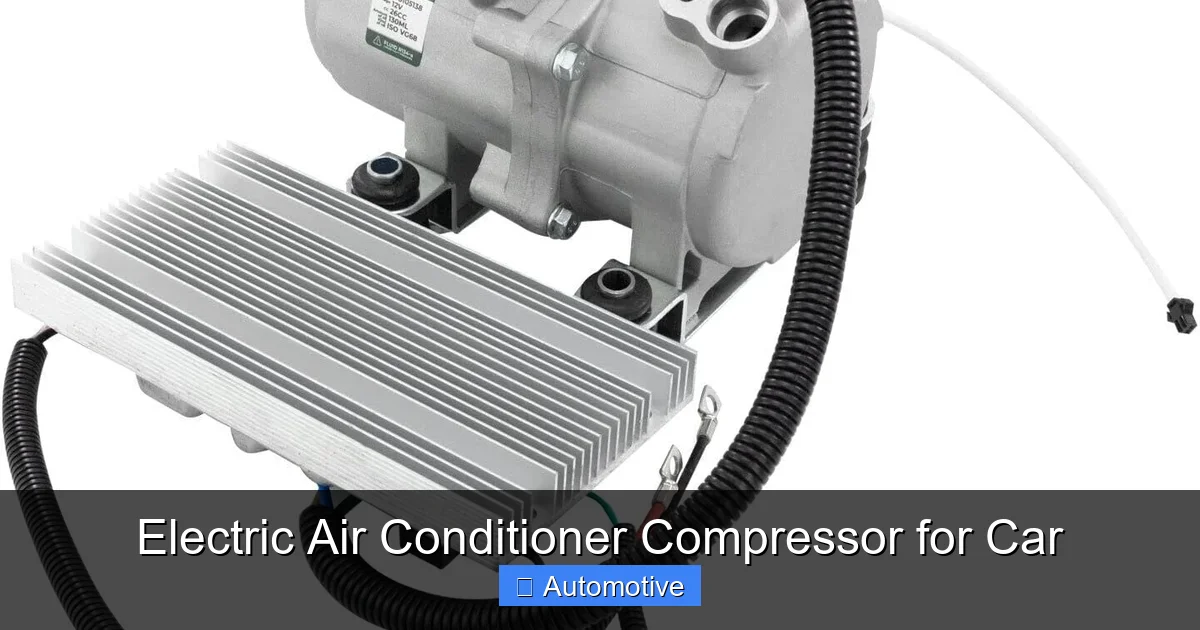
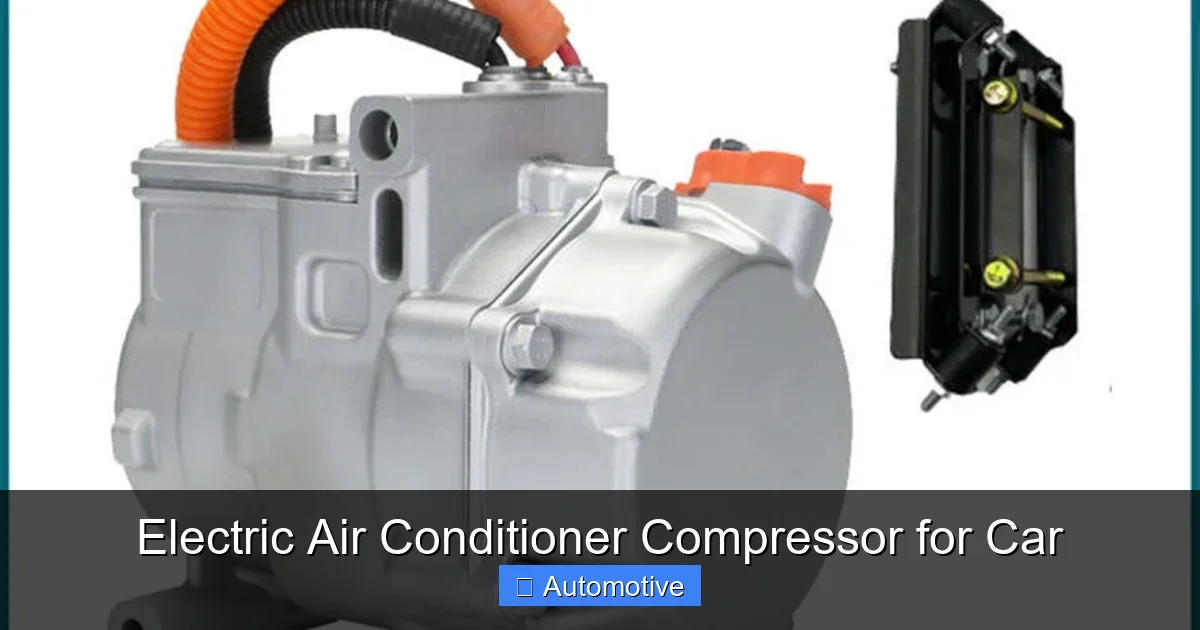
Inside the compressor housing, there is a compact electric motor. When you press the AC button, a signal wakes up the motor. It spins a scroll or piston mechanism that compresses the refrigerant. The process is mechanically similar to a traditional compressor, but the power source is completely different.
Instead of a serpentine belt, the motor receives electricity from the car’s battery or high-voltage system. In many hybrid vehicles, the compressor can run off the high-voltage battery pack even when the gasoline engine is shut down at a red light.
Power Source and Voltage
Voltage depends on the vehicle. Conventional cars often use a 12-volt electrical system with an inverter that adjusts power for the compressor. Hybrid and electric cars often use high-voltage DC power, sometimes several hundred volts, to run the motor efficiently.
Because the compressor has its own dedicated motor, it can run at variable speeds. The car’s computer tells the motor exactly how fast to spin based on your temperature setting. That means smoother cooling, less energy waste, and quieter operation.
Integration with Climate Control
An electric compressor does not work alone. It communicates with sensors, control modules, and the climate control system. If you set the dashboard to 72 degrees, the system monitors cabin temperature and adjusts compressor speed to match. If you want to explore how climate control components work together, check out these best air conditioner thermostats for efficient climate control.
The Inverter and Controller
Most electric compressors use an inverter to convert DC power from the battery into the AC power the motor needs. A controller manages this process and protects the motor from overloads. If the inverter or controller fails, the compressor will not run even if the motor itself is healthy. Diagnosing these electronic components usually requires a professional scan tool.
Electric vs. Traditional Belt-Driven Compressors
Not every vehicle on the road has switched to electric compressors yet. Many older cars and some entry-level models still rely on belt-driven units. Knowing the difference helps you understand why automakers are making the change.
Visual guide about Electric Air Conditioner Compressor for Car
Image source: m.media-amazon.com
Traditional Compressors Rely on the Engine
A belt-driven compressor connects to the engine through a serpentine belt and pulley. When the engine runs, the belt spins the compressor. An electromagnetic clutch engages the unit when you turn on the AC.
The downside is that the compressor places a mechanical load on the engine. When the AC kicks in, you might feel a slight loss of power or notice a small drop in fuel economy. Also, if the engine is off, the compressor cannot run. That limits the effectiveness of stop-start systems.
Electric Compressors Work Independently
An electric air conditioner compressor for car models removes that mechanical link. Because it runs on electricity, it does not steal power from the crankshaft. This reduces engine load and can improve fuel efficiency, especially in stop-and-go traffic.
More importantly, it allows the AC to keep running while the engine is off. In a hybrid at a red light, the engine may shut down to save fuel, but the cabin stays cool because the electric compressor keeps circulating refrigerant.
Durability and Design Differences
Traditional compressors have more moving parts exposed to engine heat and vibration. Electric compressors are usually sealed units built for specific refrigerants and electrical environments. They tend to run quieter and can last a long time with proper care.
Benefits of an Electric Air Conditioner Compressor for Car
Why does it matter whether your compressor is electric or belt-driven? The advantages affect your comfort, your fuel budget, and the environment.
Visual guide about Electric Air Conditioner Compressor for Car
Image source: img.lazcdn.com
Better Fuel Efficiency
Because an electric compressor does not drag on the engine, the engine does not have to work as hard to turn it. That can lead to better gas mileage, particularly in city driving where the AC cycles on and off often. Over the life of the vehicle, those savings can be noticeable.
Ideal for Hybrid and Electric Vehicles
If you drive a hybrid or electric car, an electric compressor is practically essential. These vehicles frequently shut off the internal combustion engine entirely. Without an electric compressor, you would lose air conditioning every time the engine stopped.
Electric vehicles are becoming more common, and many shoppers wonder how much for an electric car before making a purchase. Part of what makes those cars practical for daily life is technology like electric AC compressors that keep passengers comfortable without burning gasoline.
Quieter Operation
Belt-driven compressors can be noisy. You might hear a clunk when the clutch engages or a whine as the belt spins. Electric compressors tend to run more quietly because there is no belt slipping and less vibration transferred into the cabin.
Precise Temperature Control
Variable speed operation means the system can fine-tune cooling output. Instead of blasting cold air and then shutting off completely, an electric compressor can ramp up or down gradually. This keeps cabin temperature steady and reduces those annoying swings between too cold and too warm.
Reduced Emissions
Less engine load means less fuel burned and fewer tailpipe emissions. One car might not make a huge difference, but millions of vehicles with electric compressors contribute to cleaner air overall.
Common Signs Your Electric AC Compressor Is Failing
Like any car part, an electric compressor can wear out or fail. Catching the problem early can save you from a sweaty ride and a more expensive repair bill.
Warm Air Blowing from Vents
The most obvious sign is warm or hot air when the AC is turned on. If the compressor is not pressurizing refrigerant, the system cannot cool the air. You might hear the blower fan running, but the air never gets cold.
Strange Noises Under the Hood
Listen for grinding, whining, or clicking sounds when the AC is on. A failing electric motor can make unusual noises. A seized internal mechanism might cause a loud buzz before the unit stops completely.
AC System Won’t Turn On
If pressing the AC button does nothing, the compressor might not be receiving power. It could be a blown fuse, a bad relay, or a faulty compressor motor. A technician can test the electrical connection to find the culprit.
Refrigerant Leaks
Oily residue around AC lines or fittings can signal a leak. Without enough refrigerant, the compressor can overheat and fail. Running a compressor with low refrigerant is one of the fastest ways to kill it.
Frequent Cycling On and Off
If the compressor turns on and off rapidly, it could indicate an electrical issue, low refrigerant, or a pressure sensor problem. Short cycling puts extra wear on the motor and should be checked promptly.
Maintenance Tips and Replacement Considerations
You do not need to be a mechanic to keep your AC system healthy. A few simple habits can extend the life of your electric air conditioner compressor for car use.
Run the AC Regularly
Even in winter, run your AC for a few minutes every couple of weeks. This keeps the refrigerant oil circulating and lubricates the compressor seals. Letting the system sit for months can cause seals to dry out and leak.
Keep the System Clean
Debris around the condenser and radiator can reduce efficiency. Make sure the front grille is clear of leaves, bugs, and dirt. A clean condenser helps the compressor do its job with less effort.
Check Refrigerant Levels
Low refrigerant forces the compressor to work harder. If you notice cooling performance dropping, have a professional check the pressure and top off the refrigerant if needed. Do not ignore small leaks, because they turn into big problems.
Cabin Air Filter Matters
A clogged cabin air filter restricts airflow and makes the AC system work harder. Replacing the filter regularly is an easy way to support your compressor and keep the air fresh.
When to Replace the Compressor
Compressors do not last forever. If the motor is burned out, the internal mechanism is seized, or the unit is leaking internally, replacement is usually the best option. Replacing a compressor involves recovering refrigerant, removing the old unit, installing the new one, and recharging the system.
Cost varies by vehicle, but labor is often the biggest part of the bill. Because electric compressors are more complex than older belt-driven models, parts can be pricier too. Still, the long-term efficiency and comfort benefits usually justify the investment.
Choosing a Replacement
If you need a new compressor, match it to your vehicle’s make, model, and year. Electric compressors are not universal. You also want to use the correct refrigerant type and compressor oil specified by the manufacturer. Using the wrong fluid can damage the new unit quickly.
Buying an Electric AC Compressor: What to Look For
Shopping for a replacement compressor can feel overwhelming if you are not familiar with the specifications. Here are a few things to keep in mind.
Vehicle Compatibility
Always verify that the compressor fits your exact vehicle. An electric air conditioner compressor for car models is designed for specific mounting points, electrical connectors, and refrigerant types. Buying the wrong one will waste time and money.
Refrigerant Type
Newer vehicles often use R-1234yf refrigerant, while older models may use R-134a. The compressor must be compatible with the refrigerant in your system. Mixing refrigerants can cause serious damage.
Brand and Warranty
Look for reputable brands with good reviews. A solid warranty can give you peace of mind, especially since AC work involves specialized tools and refrigerant handling.
New vs. Remanufactured
New compressors cost more but come with full reliability. Remanufactured units can save money, but quality varies. If you choose remanufactured, buy from a trusted supplier with a clear warranty.
Cost and Installation: What to Expect
Replacing an electric compressor is not a simple driveway job for most people. Here is what you should know about cost and labor.
Parts Cost
Electric compressors tend to cost more than traditional belt-driven units because they include an electric motor and electronics. Prices vary widely based on the vehicle, but expect parts to be a significant portion of the total bill.
Labor Cost
Labor is often the biggest expense. The technician must recover the old refrigerant, remove components to access the compressor, install the new unit, evacuate the system, and recharge it with fresh refrigerant. This process takes several hours in most cases.
DIY vs. Professional
Unless you have experience with automotive AC systems and the proper equipment, it is best to leave this job to a professional. Handling refrigerant requires certification in many places, and mistakes can be costly or dangerous.
Conclusion
An electric air conditioner compressor for car systems is more than just a modern convenience. It is a key piece of technology that keeps you comfortable, supports hybrid and electric vehicles, and helps your car run more efficiently. By understanding how it works and watching for early warning signs, you can avoid being stuck without AC on a hot day.
Regular maintenance, like running the system occasionally and replacing the cabin air filter, goes a long way. And when replacement becomes necessary, choosing the right part and having it installed properly will keep your car cool for years to come.
Stay cool out there, and enjoy the ride.
Frequently Asked Questions
What is the main difference between an electric and belt-driven AC compressor?
An electric compressor runs off the vehicle’s electrical system and does not need the engine to spin a belt. A belt-driven compressor relies on the engine and only works when the engine is running.
Can an electric AC compressor run when the car is turned off?
Yes. Because it uses electricity rather than engine power, it can keep circulating refrigerant even with the engine off, which is common in hybrid and electric cars.
How do I know if my electric car AC compressor is bad?
Common signs include warm air from the vents, strange noises when the AC is on, or the system not turning on at all. A professional can test the motor and electrical connections to confirm the issue.
Is replacing an electric AC compressor expensive?
It can be. Parts are often pricier than traditional compressors, and labor costs add up because the system must be evacuated and recharged. Still, it is usually worth it for reliable cooling.
Can I replace an electric AC compressor myself?
It is not recommended for most people. Handling refrigerant requires special tools and certification, and mistakes can damage the system or cause injury. A qualified technician is the safer choice.
How often should I service my car’s AC system?
It is smart to have the system checked every year or two, especially before summer. Regular cabin air filter changes and occasional AC use in winter also help keep the compressor healthy.