Car Parking Rules in Housing Society Mumbai
Navigating car parking rules in housing society Mumbai can be tricky, but knowing your rights and responsibilities makes it easier. This guide covers the legal framework, common society regulations, visitor parking norms, and how to handle disputes effectively.
Living in a Mumbai housing society often means dealing with limited parking space. Whether you own a compact hatchback or a spacious SUV, understanding the car parking rules in housing society Mumbai is crucial for a hassle-free experience. These rules are not just arbitrary decisions by the managing committee; they are backed by state laws and model bye-laws designed to ensure fairness and order. In this comprehensive guide, we will walk you through everything you need to know, from the legal basis of parking allotment to handling visitor parking and resolving disputes.
Mumbai’s high population density makes parking a premium commodity. Many societies have more cars than designated spots, leading to friction among residents. Knowing the rules helps you protect your rights and avoid penalties. We will also share practical tips to secure your spot and keep your vehicle safe. Let’s dive in.
Key Takeaways
- Legal Framework: The Maharashtra Ownership Flats Act (MOFA) and model bye-laws govern parking allocation in Mumbai housing societies.
- Allotment Process: Parking spots are typically allotted by the managing committee via draw of lots or seniority, not sold or permanently owned.
- Visitor Parking: Societies must reserve a percentage of spots for visitors, usually with time limits and entry logs.
- Commercial Vehicles: Most societies prohibit parking of commercial vehicles, trucks, or buses in residential stalls.
- EV Charging: New guidelines encourage societies to install EV charging points, but installation requires committee approval.
- Dispute Resolution: Internal grievance cells, the registrar of societies, or consumer courts can resolve parking conflicts.
- Security Measures: Installing a hidden GPS tracking device adds an extra layer of security for your parked vehicle.
📑 Table of Contents
- Understanding the Legal Framework for Parking in Mumbai Housing Societies
- Common Parking Rules and Regulations in Mumbai Societies
- Visitor Parking and Temporary Parking Guidelines
- Dealing with Parking Disputes and Violations
- Tips for Securing Your Parking Spot and Vehicle
- Future Trends: EV Charging and Smart Parking Solutions
- Conclusion
Understanding the Legal Framework for Parking in Mumbai Housing Societies
The primary legislation governing housing societies in Maharashtra is the Maharashtra Cooperative Societies Act, 1960, and the Maharashtra Ownership Flats Act (MOFA), 1963. These acts empower societies to frame their own bye-laws, which must conform to the model bye-laws prescribed by the state government. The model bye-laws specifically address parking space allotment, usage, and penalties.
Role of the Managing Committee
The managing committee is the elected body responsible for day-to-day administration. It has the authority to allot parking spaces, set rules for visitor parking, and impose fines for violations. However, the committee cannot act arbitrarily. All decisions must be taken in a properly convened meeting and recorded in the minutes. The committee must also follow the principles of natural justice, meaning every member has a right to be heard before a decision affecting them is made.
Ownership vs. License to Use
A critical distinction exists between owning a parking slot and having a license to use it. In most Mumbai societies, the parking space remains the common property of the society. The member gets a license to park a specific vehicle in a designated spot. This license is revocable and non-transferable. You cannot sell, gift, or bequeath the parking spot independently of your flat. If you sell your flat, the parking license typically transfers to the new owner, subject to society rules.
Supreme Court and High Court Judgments
Several court rulings have clarified parking rights. The Supreme Court has held that developers cannot sell parking stalls as independent units. They are part of the common areas. The Bombay High Court has reiterated that societies must allot parking fairly, preferably by draw of lots, and cannot favor certain members. These judgments form the backbone of car parking rules in housing society Mumbai today.
Common Parking Rules and Regulations in Mumbai Societies
While each society can customize its bye-laws, certain rules are almost universal across Mumbai. Familiarize yourself with these standard regulations to avoid surprises.
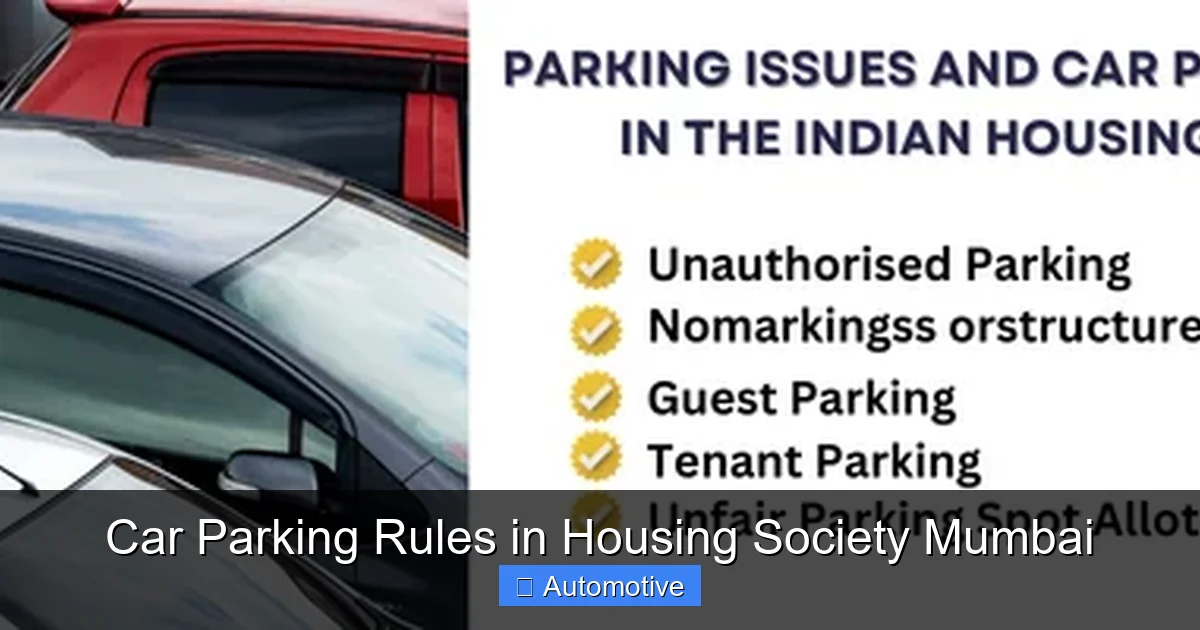
Visual guide about Car Parking Rules in Housing Society Mumbai
Image source: omaxe.com
Allotment Methods
Societies generally use one of three methods to allot parking:
- Draw of Lots: Considered the fairest method. All eligible members participate in a random draw.
- Seniority Basis: Members who have resided longer get priority. This can disadvantage new buyers.
- One Car Per Flat: Many societies restrict allotment to one vehicle per flat, regardless of how many cars the family owns.
Vehicle Restrictions
Most societies allow only private, non-commercial vehicles. The following are typically banned from residential parking areas:
- Commercial goods vehicles (tempos, trucks, vans used for business)
- Buses and mini-buses
- Auto-rickshaws and taxis
- Vehicles exceeding a certain length or height (often 16 feet length, 6.5 feet height)
Parking Etiquette and Maintenance
Rules often cover how you park and maintain your spot:
- Park strictly within the marked lines. Overlapping into adjacent spots is a violation.
- Do not use the parking area for storage, washing, or repairs.
- Keep the area clean. Oil leaks must be cleaned immediately.
- Major repairs are prohibited; only minor top-ups (air, water) are allowed.
Penalties for Violations
The managing committee can impose fines for rule breaches. Common penalties include:
- Wrong parking: Rs 500–Rs 2,000 per instance.
- Parking commercial vehicle: Rs 2,000–Rs 5,000.
- Blocking another resident’s spot: Rs 1,000 plus towing charges if applicable.
- Repeated offenses can lead to suspension of parking license for a defined period.
Visitor Parking and Temporary Parking Guidelines
Visitor parking is a frequent source of conflict. The model bye-laws mandate that societies reserve a certain percentage of parking spaces for visitors. This is usually 10–15% of total spots, but it varies by society size and layout.
Visual guide about Car Parking Rules in Housing Society Mumbai
Image source: i.ytimg.com
Visitor Pass System
Most societies issue visitor passes at the security gate. The process typically involves:
- Resident informs security in advance or at the time of arrival.
- Visitor’s vehicle details (number, type) are logged.
- A time-stamped pass is issued, often valid for 4–6 hours.
- Overnight parking may require special permission from the committee.
Time Limits and Overstay Charges
Visitor spots are meant for short stays. Overstaying attracts hourly charges after the free period. Some societies clamp or tow vehicles that exceed the limit significantly. Always brief your guests on the society’s specific timings to avoid embarrassment and fines.
Event Parking
For large gatherings (weddings, festivals), societies may allow temporary use of common areas like the compound or garden for parking. This requires a written application to the committee at least 7–10 days in advance. The applicant usually bears the cost of any damage restoration.
Dealing with Parking Disputes and Violations
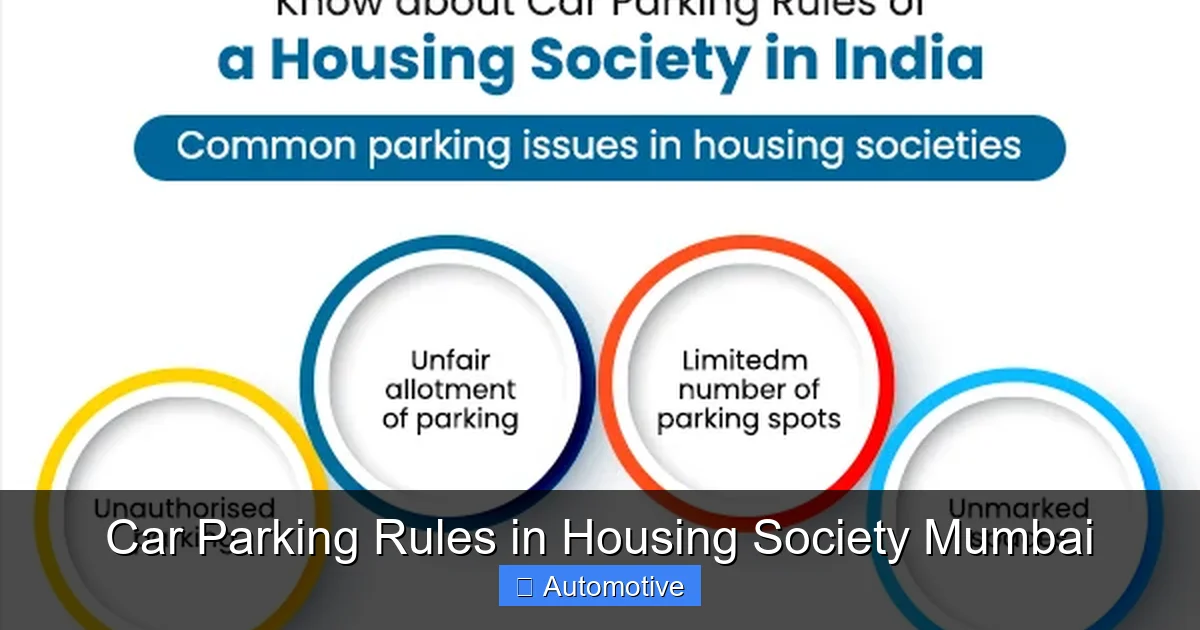
Disputes are inevitable when demand exceeds supply. Here is a step-by-step approach to resolve them amicably and legally.
Visual guide about Car Parking Rules in Housing Society Mumbai
Image source: imagecdn.99acres.com
Internal Grievance Redressal
Start by writing a formal complaint to the secretary or chairman. Attach evidence: photos, timestamps, witness statements. The committee must acknowledge and act within a reasonable time (usually 15–30 days). Attend the hearing if called. Many disputes get resolved at this stage.
Approaching the Registrar of Societies
If the committee is biased or inactive, you can file a complaint with the Registrar of Cooperative Societies. The Registrar has quasi-judicial powers and can direct the committee to follow the bye-laws. This is faster and cheaper than court.
Consumer Court and Civil Court
For disputes involving deficiency in service (e.g., builder promised two parking spots but gave one), approach the consumer court. For title or ownership disputes, a civil suit is appropriate. However, litigation is time-consuming and expensive. Consider it a last resort.
Towing Rules
Societies often hire tow trucks for unauthorized vehicles. But can they tow your car? Yes, if the bye-laws permit and due process is followed. However, towing must be done carefully to avoid damage. If you ever face a situation where your car is towed with the parking brake engaged, know that it can cause transmission damage. For more on this, read our article on whether a car can be towed with the parking brake on.
Tips for Securing Your Parking Spot and Vehicle
Beyond knowing the rules, proactive steps can save you headaches. Here are practical tips gathered from experienced Mumbai residents.
Document Everything
Keep a copy of the allotment letter, society bye-laws, and any correspondence regarding parking. Take dated photos of your spot, the markings, and any obstructions. This evidence is invaluable during disputes.
Install a Dashcam or Parking Camera
A dashcam with parking mode records any hit-and-run or vandalism while you are away. Some models send alerts to your phone. It is a small investment for peace of mind.
Maintain Your Car Battery
If you travel frequently or have a second car that sits parked for weeks, the battery may die. A portable jump starter can be a lifesaver. Check out our review of the best car battery portable jump starter to find a reliable one.
Use a Steering Lock and Gear Lock
Visible anti-theft devices deter thieves. Even in a gated society, thefts occur. A sturdy steering lock adds a physical barrier that takes time to defeat.
Coordinate with Neighbors
Build a rapport with neighbors who park next to you. They can watch your spot when you are away and alert you to any issues. A WhatsApp group for the parking floor works wonders for quick communication.
Know Your Rights on Repairs
If your car gets a dent or scratch in the society parking due to poor lighting, uneven surface, or another resident’s negligence, the society may be liable. Document the hazard and send a legal notice if the committee ignores your complaint. For minor dents, you might try DIY fixes. Our guide on how to fix a dent in your car without professional help can save you money on small repairs.
Future Trends: EV Charging and Smart Parking Solutions
Mumbai is pushing for electric vehicle adoption. The Maharashtra EV Policy 2023 mandates that new residential buildings reserve 20% of parking for EV charging. Existing societies are encouraged to retrofit charging points.
Installing a Charging Point
If you own an EV or plan to buy one, submit a written request to the committee. The society cannot unreasonably deny permission, but they can set conditions: dedicated meter, safety certification, and cost-bearing by the applicant. Coordinate with other EV owners to share infrastructure costs.
Smart Parking Management Systems
Many large societies are adopting app-based parking management. Features include:
- Digital visitor passes with QR codes.
- Real-time spot availability.
- Automated billing for overstays.
- License plate recognition at entry/exit.
These systems reduce manual errors and corruption. Advocate for such a system in your next general body meeting.
Shared Mobility and Car-Free Zones
Some progressive societies are experimenting with car-free zones on certain days, promoting cycling and walking. They also tie up with car-sharing platforms to reduce the number of privately owned cars. Stay open to these ideas; they can increase the value of your parking spot in the long run.
Conclusion
Navigating car parking rules in housing society Mumbai requires a blend of legal awareness, practical etiquette, and proactive security measures. The laws are on your side if you know them. The managing committee derives its power from the bye-laws, not from whim. By documenting your allotment, respecting visitor norms, and using technology to protect your vehicle, you can turn a potential daily stressor into a managed aspect of society life. Remember, a well-parked car is a happy car, and a well-informed resident is a happy resident. Drive safe, park smart.
Frequently Asked Questions
Can a housing society in Mumbai sell a parking spot to a member?
No, a housing society cannot sell a parking spot. Parking spaces are common areas. The society can only grant a license to use a specific spot, which is revocable and non-transferable independently of the flat.
What is the typical visitor parking time limit in Mumbai societies?
Most societies allow visitor parking for 4 to 6 hours free of charge. Overnight parking usually requires prior written permission from the managing committee and may attract a nominal fee.
Can the managing committee tow my car without notice?
The committee cannot tow a member’s car without due process. They must issue a warning notice and follow the penalty procedure outlined in the bye-laws. Towing is typically reserved for unauthorized or abandoned vehicles after due notice.
Are electric vehicle charging points mandatory in existing societies?
As per the Maharashtra EV Policy 2023, new buildings must reserve 20% parking for EV charging. For existing societies, installation is encouraged but not mandatory. A member can request installation, and the committee cannot unreasonably deny it.
What should I do if another resident parks in my allotted spot?
First, politely inform the resident. If it persists, write a complaint to the secretary with date, time, and photos. The committee can fine the violator. Do not block their car or retaliate; that weakens your legal position.
Can I rent out my parking spot to an outsider?
Generally, no. The license to use a parking spot is personal to the member and tied to the flat. Renting it to a non-resident violates most society bye-laws and can lead to revocation of the license.