What to Check When Buying a Second Hand Car
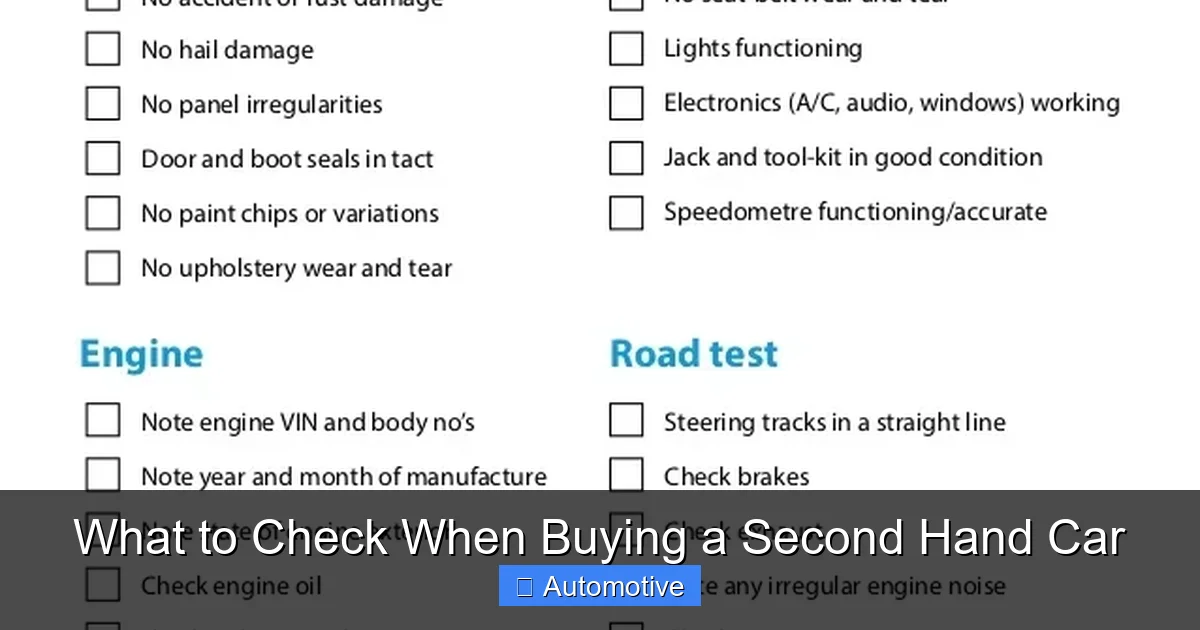
Buying a used car without a proper checklist can lead to costly surprises. This guide walks you through the essential inspections, from engine health to bodywork red flags, helping you make a confident purchase.
Buying a second hand car can feel overwhelming, but with the right checklist it doesn’t have to be. Many buyers step onto a lot or message a seller unsure of what really matters under the glossy paint and comfortable seats. The excitement of a potential new ride often clouds the practical steps needed to avoid a lemon. In this guide, we’ll walk you through the exact what to check when buying a second hand car, breaking down each area so you can negotiate with confidence and drive away happy. Think of this as a friend sitting beside you, pointing out the small details that sellers might skip. From the moment you first look at the vehicle to the final test drive, you’ll know exactly what to inspect, what to ask, and what to walk away from. Let’s dive in and make your used car purchase a smooth, stress-free experience.
One of the first things to evaluate is the vehicle’s overall condition from the outside. A quick visual scan can reveal a lot about how the car was cared for and whether it has suffered damage that wasn’t fully repaired. Look beyond the shine of a fresh wax coat; bring a flashlight and check each panel carefully.
Key Takeaways
- Point 1: Always inspect the exterior in good lighting to spot paint mismatches, dents, or rust that may hide collision history.
- Point 2: Check tire tread depth and pressure evenly; uneven wear can signal alignment issues or neglected maintenance.
- Point 3: Open the hood and look for clean oil, coolant levels, and any signs of leaks or corroded batteries.
- Point 4: Take a test drive on varied roads to test brakes, acceleration, steering response, and any unusual noises.
- Point 5: Request the vehicle’s service history and VIN report to verify accidents, ownership changes, and recall status.
- Point 6: Test all interior electronics, including lights, windows, AC, and infotainment, before committing to the purchase.
- Point 7: Trust your gut—if something feels off or the seller pressures you quickly, it’s okay to walk away.
📑 Table of Contents
Exterior Inspection
Start by strolling around the car under daylight or strong overhead lights. Look for color differences between panels, which could indicate previous repairs after an accident. Run your hand along the edges of doors, fenders, and the trunk; if the paint feels rough or uneven, it may have been sanded and repainted. Check the gaps between body panels—they should be consistent and symmetrical. Uneven gaps often suggest frame damage or poor reassembly. Also, inspect the glass for chips or cracks, and make sure all lights function properly, including headlights, taillights, and turn signals. If you’re unsure about assessing stopping power, check out our guide on how to check brake pads to understand what wear patterns to look for.
Paint and Bodywork
Pay close attention to the hood, roof, and bumpers. These areas are commonly repainted after minor collisions. Look for overspray on rubber seals or plastic trim, which is a telltale sign of a body shop visit. Magnetic inspection can sometimes reveal body filler underneath the paint, but a simple way is to look for orange-peel texture inconsistencies. Rust should be examined especially around wheel wells, the lower doors, and the rear bumper. Surface rust can be cleaned, but deep corrosion compromises structural integrity.
Tire and Wheel Condition
Tires tell a story of alignment and suspension health. Check the tread depth using a penny or a dedicated gauge; if you can see the top of Lincoln’s head, the tread is too shallow and replacement is imminent. Look for uneven wear across the face of the tire; one-sided wear often points to alignment issues, while center wear may indicate overinflation. Also, inspect the sidewalls for bulges, cuts, or dry rot, which could lead to a blowout. Make sure the spare tire, if equipped, is also in serviceable condition. Proper tire pressure is crucial; you can learn how to check tire pressure for a typical model to ensure you’re getting a safe setup.
Interior and Electronics
Step inside and treat the cabin like a second exterior. The interior condition often reflects how the previous owner maintained the mechanical components. Sit in each seat and adjust it to your liking; check for excessive wear, tears, or stains that might suggest high mileage or neglect. Open and close every door, including the rear hatch, to ensure latches engage smoothly and seals are intact.
Visual guide about What to Check When Buying a Second Hand Car
Image source: hsmagazinekenya.s3.us-east-2.amazonaws.com
Upholstery and Odors
Sniff for musty or smoky smells, which can be difficult and expensive to remove later. Upholstery that looks overly clean or freshly shampooed might be hiding water damage or mold. Test the seat adjusters, headrests, and any built-in heating or ventilation functions. If the car has leather seats, check for cracks or peeling, which age quickly in sunny climates.
Electronics and Controls
Flip every switch. Turn on the headlights, high beams, fog lights, and hazard signals. Test the windshield wipers and washers to ensure they clear the glass effectively. Crank up the radio and test the Bluetooth connectivity, if equipped. Operate the power windows up and down; they should move smoothly without hesitation or unusual noise. Activate the air conditioning and heating; feel for strong airflow and verify that temperature changes are noticeable. A blend door that sticks can cause uneven heating, but you can learn how to get a blend door unstuck if you encounter this issue later.
Trunk and Cargo Area
Lift the trunk floor and check for moisture, rust, or spare tire condition. Ensure the cargo cover, if present, fits properly and isn’t torn. A dry, clean trunk often correlates with a well-maintained vehicle overall.
Under the Hood
Pop the hood when the engine is cold. This is your chance to see the heart of the car and catch obvious red flags before a test drive. You don’t need to be a mechanic to spot many common issues; a keen eye goes a long way.
Fluid Levels and Condition
Check the engine oil dipstick first. The oil should be amber to brown and sit between the minimum and maximum marks. If it’s black, gritty, or smells burnt, the oil hasn’t been changed regularly, which is a major concern. Coolant should be bright green, orange, or pink, and filled to the appropriate line. Milky or rusty coolant indicates internal leakage. Brake fluid and power steering fluid reservoirs should be clear and filled; low levels can signal leaks or worn components. Transmission fluid, if accessible, should be reddish and not smell burnt.
Battery and Belts
Inspect the battery for corrosion on the terminals, which can prevent starting. Clean terminals with a wire brush if needed, but heavy corrosion may indicate an old battery nearing replacement. Look at the serpentine belt for cracks, fraying, or glazing; a worn belt can fail unexpectedly, leaving you stranded. Squeeze the belt lightly; it should have some give but not feel overly soft or brittle.
Air Filter and Hoses
A clean air filter ensures optimal engine performance. If it’s clogged with dust and debris, the engine has to work harder, reducing fuel efficiency. Squeeze radiator hoses gently; they should feel firm but not rock-hard or soft and mushy, which would signal deterioration. These small checks can save you from costly repairs down the road.
Test Drive Essentials
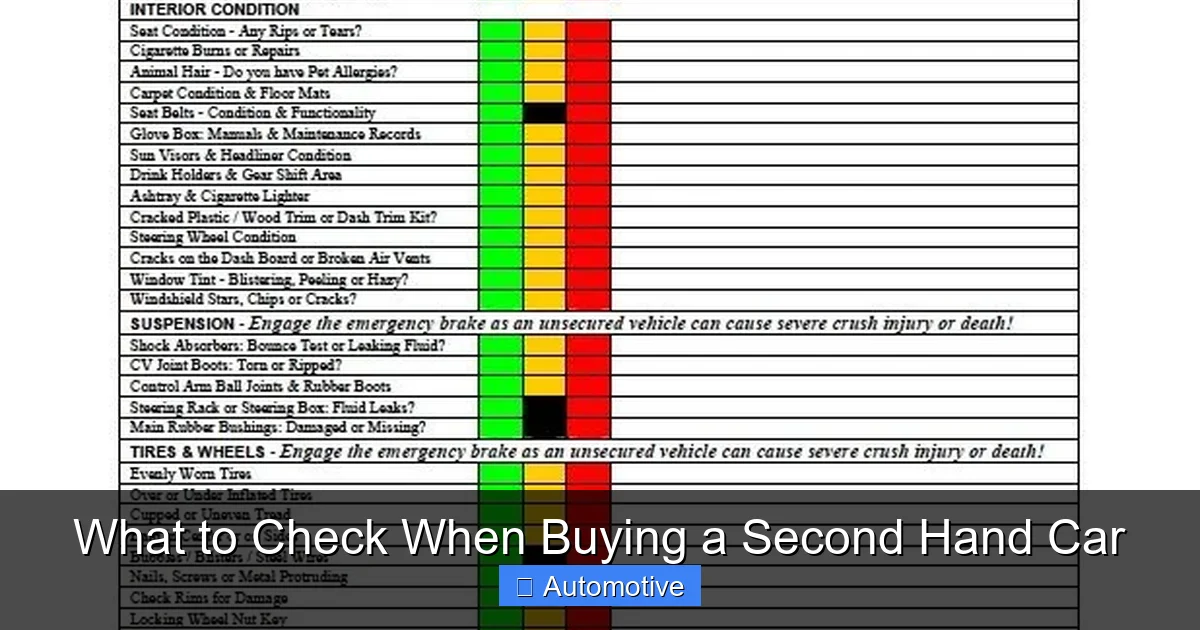
No used car purchase is complete without a thorough test drive. This is where you experience how the car actually performs, not just how it looks sitting still. Plan a route that includes city streets, highway merging, and stop-and-go traffic to get a well-rounded feel.
Visual guide about What to Check When Buying a Second Hand Car
Image source: i.pinimg.com
Engine Start and Idle
Turn the key or push the start button. The engine should fire up quickly without excessive cranking. Listen for smooth idling; any rough, sputtering, or loud ticking sounds could point to ignition, fuel, or valvetrain issues. Rev the engine slightly and listen for consistent power delivery without hesitation.
Braking, Steering, and Acceleration
Test the brakes at low speed first, then firm up at higher speeds. The car should stop straight without pulling to one side. A spongy brake pedal or grinding noises are red flags. Steering should feel responsive and centered; listen for clunks or vibrations when turning over bumps. Acceleration should be linear and powerful enough for safe merging; hesitation or sluggish response may indicate engine or transmission problems.
Transmission and Shifting
If the car has an automatic, note how smoothly it shifts through gears. Hesitation, jerking, or RPMs racing without speed gain suggests transmission trouble. For manual transmissions, test the clutch engagement point and ensure gear changes are crisp without grinding. Listen for any whining or clunking sounds that change with speed or gear selection.
Suspension and Road Feel
Drive over speed bumps or rough patches and pay attention to how the car absorbs impacts. Excessive bouncing, bottoming out, or clunking noises can warn of worn shocks, struts, or bushings. A well-suspended car feels composed and stable, even on uneven surfaces.
Documentation and History
Even a visually perfect car can hide a problematic past. Paperwork is your safety net, providing transparency and helping you make an informed decision. Never skip this step, no matter how convincing the seller’s story seems.
Service Records
Ask for complete service history, including oil changes, brake replacements, and major repairs. A well-documented booklet or digital records show that the owner cared for the vehicle. Gaps in maintenance can lead to unexpected failures, so weigh the cost of catching up on missed services into your negotiation.
Vehicle History Report
Run the VIN through a reputable history service to uncover title issues, accidents, flood damage, or odometer rollbacks. Cross-check the reported mileage with the actual odometer reading; discrepancies are a major warning sign. Also, look for recall notices and verify if any have been addressed. A clean report doesn’t guarantee a perfect car, but it dramatically reduces risk.
Title and Ownership
Verify that the title is clear and matches the seller’s name. A salvage or rebuilt title means the car was declared a total loss by an insurance company, which can affect insurance rates and resale value. Ensure all pages are present and that the VIN on the title matches the car’s VIN on the dashboard and door jamb. If anything feels off, ask questions or consult a trusted mechanic before proceeding.
Red Flags to Walk Away From
Sometimes the best decision is to keep looking. Certain signs indicate it’s time to politely end the conversation and move on to the next candidate.
- Price too good to be true: If the asking price is significantly below market value, there’s usually a reason—hidden damage, mechanical failure, or legal issues.
- Seller refuses a pre-purchase inspection: A reputable owner will allow you to bring a mechanic of your choice. Resistance is a major warning sign.
- Inconsistent stories: Vague answers about maintenance, previous owners, or the car’s history suggest something is being hidden.
- Pressure tactics: High-pressure sales tactics (“act now or lose this deal”) often mask problems the seller doesn’t want you to discover.
- Multiple warning lights on the dashboard: While some may be minor, a cluster of illuminated symbols often indicates neglected maintenance or serious faults.
Trust your intuition. If something doesn’t sit right, it probably isn’t the right fit. There are plenty of quality used cars out there; patience pays off.
Final Checklist Before You Buy
Before handing over keys or money, run through this quick final list. Print it or keep it on your phone for peace of mind.
- Exterior paint and body gap consistency
- Tire tread depth and even wear
- Fluid levels and battery condition under the hood
- All interior electronics and controls functional
- Smooth engine start, idle, and acceleration
- Brakes stopping straight and firmly
- Test drive on varied road types
- Service history and vehicle history report reviewed
- Clear title matching the VIN
- No pressure to decide on the spot
Completing these steps gives you a powerful advantage. You’ll walk into the negotiation informed, confident, and ready to spot a great deal from a dud. Remember, a little time spent checking now saves a lot of money and stress later.
Buying a second hand car is a significant investment, but it doesn’t have to be daunting. By following this comprehensive what to check when buying a second hand car guide, you’re equipping yourself with the knowledge to evaluate any vehicle like a pro. From the first glance at the paint to the final signature on the title, each checkpoint brings you closer to a purchase you’ll feel good about for years to come. Safe travels and happy car hunting!
Frequently Asked Questions
What should I look for first when inspecting a used car?
Start with the exterior under good lighting, checking for paint mismatches, rust, and uneven panel gaps that may signal past repairs or collision damage.
How can I tell if a used car has been in an accident?
Look for inconsistent paint shades, overspray on trim, uneven panel gaps, and signs of rust around repaired areas; a vehicle history report can also reveal accident history.
Is a test drive really necessary when buying a second hand car?
Yes, a test drive is essential; it lets you evaluate the engine, transmission, brakes, steering, and overall comfort, revealing issues that a static inspection cannot show.
What documents should I request from the seller?
Request the vehicle’s service records, a recent vehicle history report using the VIN, and the original title to verify ownership and check for salvage or rebuilt status.
How do I check if the tires are in good condition?
Use a tread depth gauge or the penny test; look for uneven wear patterns, cracks, or bulges on the sidewalls, and ensure the spare tire is also serviceable.
Can I negotiate the price based on what I find during inspection?
Absolutely; any issues discovered—such as worn brakes, low tire tread, or missing service records—are valid points to request a price reduction or have the seller address the problems before purchase.