Depreciation Reimbursement in Car Insurance
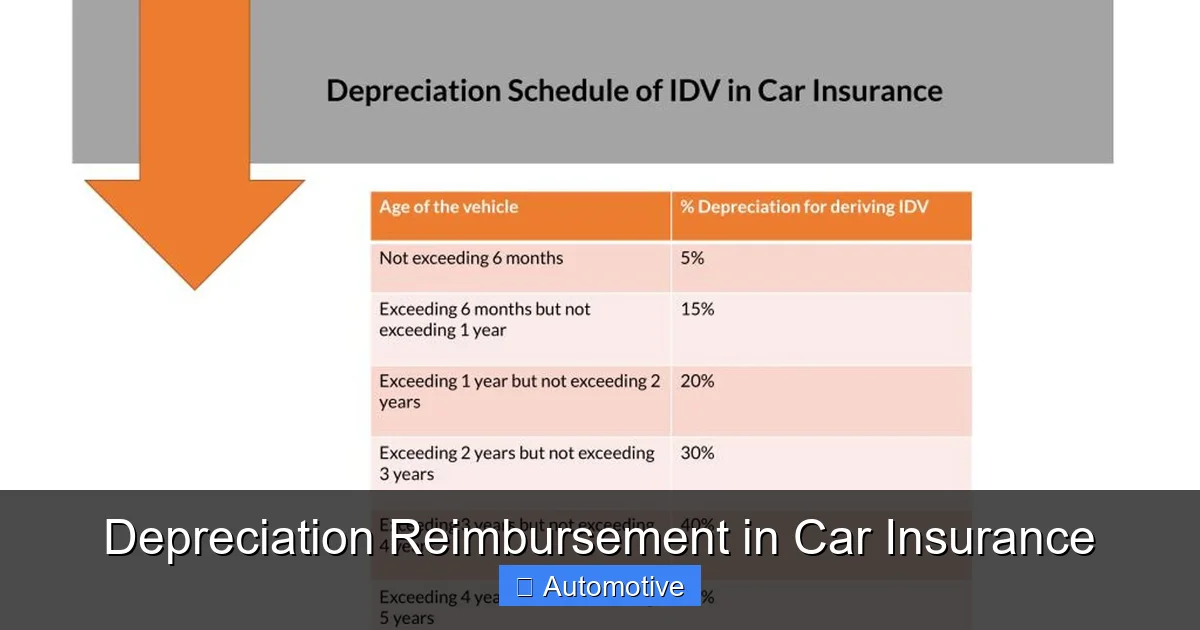
Depreciation reimbursement in car insurance covers the gap between a vehicle’s actual cash value and its replacement cost after a total loss. By claiming this benefit, you avoid paying the depreciation that occurred before the accident. Knowing when and how to file a claim can save you thousands of dollars.
When an accident results in a total loss, the settlement from your insurer may not cover the full price you originally paid. This gap exists because vehicles lose value over time, a phenomenon known as depreciation. Depreciation reimbursement in car insurance is a specific coverage that can help you recover that lost value, ensuring you are not left paying out of pocket for a vehicle you can no longer drive.
In this article, we will explore what this coverage entails, how it works, and practical steps you can take to maximize your benefit. Whether you are shopping for a new policy or filing a claim after a loss, understanding these details can protect your finances.
Key Takeaways
- Point 1: Depreciation reimbursement is an optional add‑on that pays the difference between a car’s actual cash value and its replacement cost.
- Point 2: It only applies when the vehicle is declared a total loss, typically when repair costs exceed a set percentage of its value.
- Point 3: Eligibility may be limited by vehicle age, policy type, and the maximum benefit stated in your contract.
- Point 4: The payout is calculated by subtracting the actual cash value from the estimated replacement cost, then applying any deductible.
- Point 5: You can maximize your benefit by choosing comprehensive coverage, maintaining your car’s value, and acting quickly after a loss.
📑 Table of Contents
What Is Depreciation Reimbursement?
Definition
Depreciation reimbursement in car insurance is an optional endorsement that covers the difference between the actual cash value (ACV) of a vehicle and its replacement cost after a total loss. The ACV reflects the car’s market value at the time of the accident, which is usually lower than the original purchase price because of wear, age, and mileage. This coverage is designed to prevent policyholders from being stuck with a financial shortfall when their vehicle is deemed a total loss.
Why It Matters
Without this coverage, you would receive only the ACV, which could be thousands of dollars less than the price of a comparable new car. This gap can force you to finance the remainder out of pocket or accept a lower‑value replacement, leaving you with a financial burden that could have been avoided. In many cases, the difference can exceed the amount of your deductible, making the add‑on a valuable investment.
Historical Context
The concept of depreciation reimbursement emerged in the 1990s as insurance companies sought to offer more comprehensive protection. Prior to its introduction, policyholders often faced significant out‑of‑pocket costs when their vehicles were totaled. Over time, regulators and consumer advocacy groups pushed for clearer disclosure of these benefits, leading to the standardized language seen in modern policies. It is worth noting that the reimbursement you receive may have tax implications, so consulting a tax professional is advisable.
Comparison with Other Coverages
Depreciation reimbursement is often compared to gap insurance, which also covers the difference between the vehicle’s value and the remaining loan balance. While gap insurance focuses on protecting the lender, depreciation reimbursement benefits the policyholder directly. Understanding the distinctions can help you choose the right protection for your situation.
How Does It Work?
Triggering Events
The coverage activates when your vehicle is declared a total loss by the insurance company. This typically happens when repair costs exceed a certain percentage of the car’s ACV, often set at 70‑80% in many states. Once a total loss is confirmed, the insurer calculates the ACV and then determines the replacement cost based on a comparable vehicle in your area. To get a sense of the overall expense, you might consider how much car insurance costs on average, which can help you weigh the value of adding this endorsement.

Visual guide about Depreciation Reimbursement in Car Insurance
Image source: policybachat.com
Payment Structure
The depreciation reimbursement amount is the difference between these two figures, which is then paid to you, minus any deductible you have chosen. Some policies also include a limit on the maximum benefit, so it is important to review your contract carefully. For example, if your car’s ACV is $15,000 and the replacement cost is $18,000, the reimbursement would be $3,000, subject to any deductible. Consider a scenario where a five‑year‑old SUV with an ACV of $20,000 is totaled; if the replacement cost is $24,000, the depreciation reimbursement would be $4,000, assuming no deductible.
State Variations
Insurance regulations differ by state, and some jurisdictions require insurers to offer depreciation reimbursement as part of comprehensive coverage. In contrast, other states treat it as an optional add‑on. It is advisable to check your state’s insurance department website to understand the specific rules that apply to your policy.
Examples from Different Vehicles
The amount of depreciation reimbursement can vary widely depending on the type of vehicle. Luxury cars typically experience steeper depreciation, potentially resulting in larger reimbursement claims. In contrast, reliable used cars may have a smaller gap, making the add‑on less critical but still valuable for peace of mind.
Eligibility and Limits
Policy Conditions
Not every policy includes depreciation reimbursement automatically. You must either purchase it as a separate endorsement or select a comprehensive or collision coverage that incorporates it. Some insurers limit eligibility to vehicles that are less than a certain age, typically five years, and may require the car to be properly maintained. Additionally, the coverage may be excluded for vehicles used primarily for commercial purposes or those with a salvage title. Always read the fine print of your policy to understand any exclusions or limitations that could affect your eligibility.
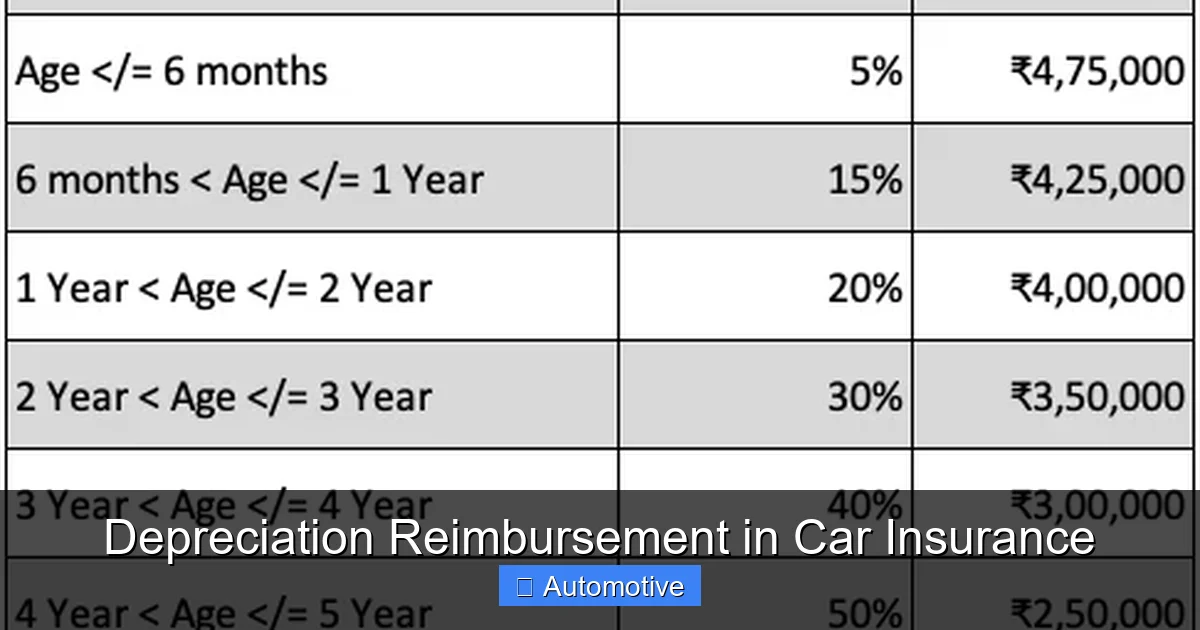
Visual guide about Depreciation Reimbursement in Car Insurance
Image source: getmoneyrich.com
Maximum Payout
Each policy sets a maximum benefit, which may be a fixed dollar amount or a percentage of the vehicle’s original purchase price. It is crucial to review your policy documents to understand these caps, as they directly affect how much you can recover. For instance, a policy with a $5,000 limit will not cover a $7,000 depreciation gap, leaving you responsible for the remaining $2,000. In such situations, you might explore other options, such as what happens if you wreck a financed car without insurance, to understand the broader financial implications.
Common Reasons for Denial
Claims can be denied if the vehicle was not properly maintained, if the damage resulted from an excluded event such as a racing incident, or if the policyholder fails to provide required documentation. Understanding these pitfalls can help you avoid them and ensure a smooth claims process.
How to Increase Eligibility
To improve your chances of qualifying for depreciation reimbursement, keep your vehicle well‑maintained, avoid modifications that reduce value, and maintain a clean title. Some insurers also offer lower premiums if you install anti‑theft devices or take a defensive driving course, which can indirectly support eligibility.
Calculating Your Payout
Determining Actual Cash Value
The actual cash value is typically calculated using factors such as the vehicle’s make, model, year, mileage, and condition. Insurers often use valuation guides like the Kelley Blue Book or similar databases to arrive at a fair market value. This figure forms the baseline for the reimbursement calculation. It is advisable to obtain a copy of the valuation report to verify that the numbers reflect your car’s true worth.
Visual guide about Depreciation Reimbursement in Car Insurance
Image source: i0.wp.com
Estimating Replacement Cost
The replacement cost is the amount required to purchase a comparable vehicle in your area. This can be influenced by local demand, availability, and optional features. To get a realistic estimate, you can research how much you can trade your car in for, which provides insight into current market prices. how much you can trade your car in for
Depreciation Curves
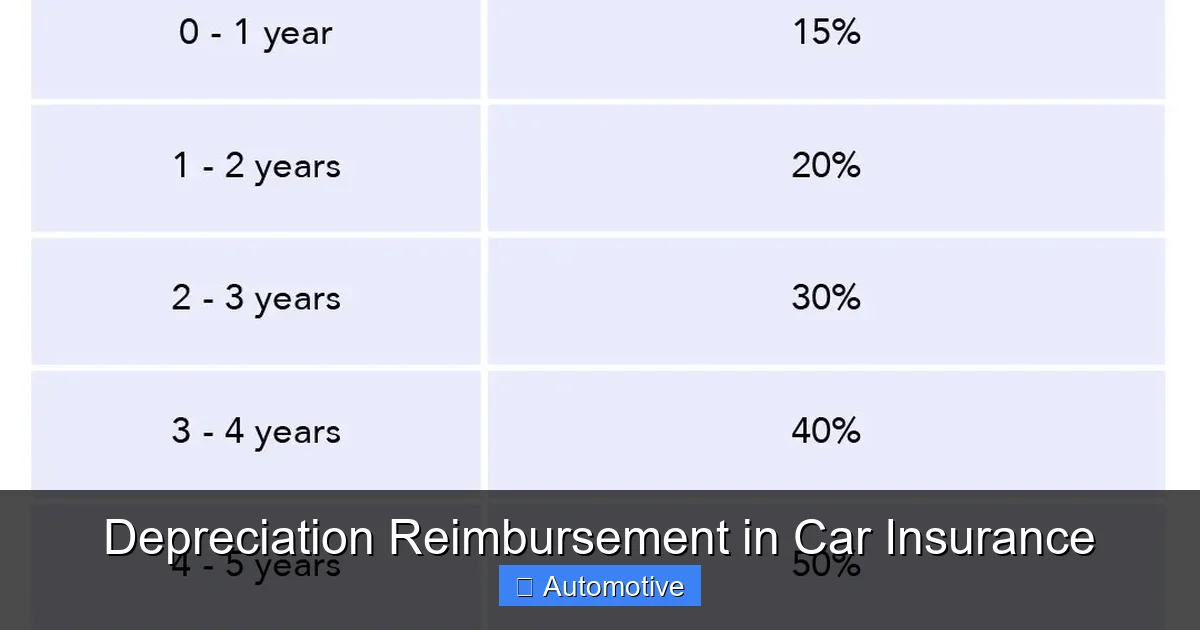
Depreciation is not linear; vehicles typically lose a significant portion of their value in the first few years. For example, a new car may depreciate 20% in the first year and 15% thereafter. Recognizing this pattern can help you anticipate the potential reimbursement amount and decide whether to increase your coverage limit. For instance, a 2018 sedan that originally cost $30,000 might have an ACV of $18,000 after three years. If a comparable replacement is priced at $21,000, the reimbursement would be $3,000.
Using Online Calculators
Many insurance websites provide online tools that estimate your vehicle’s ACV and potential reimbursement. By entering details such as make, model, year, and mileage, you can get a quick approximation. These calculators are useful for comparing different scenarios before you file a claim.
Filing a Claim
Required Documentation
To successfully claim depreciation reimbursement, you will need to provide several documents, including the police report, proof of the vehicle’s value, repair estimates, and any photographs of the damage. Having these items ready can speed up the process and reduce the likelihood of delays. It is also helpful to keep a record of all communications with the insurer, including dates and names of representatives. Maintaining a folder with all relevant documents can streamline the process if you need to provide additional information.
Timeline
Most insurers require you to file a claim within a specific timeframe after the accident, often 30 to 90 days. After submission, the adjuster will review the information and may request additional details. Once approved, the reimbursement is typically paid directly to you or applied toward a new vehicle purchase. Prompt filing ensures that you meet the deadline and avoids potential denial of the claim.
Appealing a Decision
If your claim is denied or the reimbursement amount is unsatisfactory, you have the right to appeal. This usually involves submitting additional evidence, such as independent appraisals or repair shop quotes. Familiarize yourself with your insurer’s appeal process and any deadlines for filing.
Digital Tools
Several mobile apps allow you to upload documents, track claim status, and communicate with your adjuster in real time. Using these tools can expedite the process and ensure that you never miss a deadline. Check if your insurer offers a dedicated app or online portal.
Maximizing Your Reimbursement
Choosing the Right Coverage
When selecting a policy, consider adding comprehensive or collision coverage that includes depreciation reimbursement. Compare quotes from multiple providers, and pay attention to the maximum benefit and any exclusions. A policy with a higher limit can provide greater financial protection. Additionally, look for discounts based on safety features, driver history, or bundling with other insurance products. Shopping around for the best rate can also uncover hidden benefits, such as a higher maximum payout or a lower deductible.
Maintaining Vehicle Value
Regular maintenance, timely repairs, and keeping detailed service records can help preserve your car’s value. In the event of a total loss, a well‑maintained vehicle may have a higher ACV, reducing the depreciation gap you need to cover. Simple steps like washing the exterior, protecting the paint, and addressing minor dents promptly can make a noticeable difference over time.
Bundling Discounts
Many insurers offer discounts when you bundle depreciation reimbursement with other coverages, such as homeowners or renters insurance. This can reduce your overall premium while still providing the necessary protection. Be sure to ask your agent about available bundles and any eligibility requirements.
Reviewing Policy Annually
Insurance needs change over time, so it is wise to review your policy each year. Life events such as moving, buying a new car, or changing your driving habits may affect the adequacy of your depreciation reimbursement coverage. Adjusting your limits accordingly can maintain optimal protection.
Common Mistakes
One frequent error is assuming that depreciation reimbursement is automatic with comprehensive coverage. Another mistake is delaying the claim, which can result in missed deadlines. By avoiding these pitfalls, you can secure the full benefit available under your policy.
In summary, depreciation reimbursement in car insurance serves as a vital safety net that bridges the gap between a vehicle’s depreciated value and its replacement cost. By understanding how it works, meeting eligibility requirements, and following the claim process, you can ensure that you are not left with a significant out‑of‑expense after an accident. Review your policy regularly, maintain your vehicle, and consider the coverage limits to maximize your protection.
Frequently Asked Questions
What is depreciation reimbursement in car insurance?
It is an optional add‑on that pays the difference between a vehicle’s actual cash value and its replacement cost after a total loss. This helps you avoid paying out of pocket for the depreciation that occurred before the accident.
How is the payout calculated?
The insurer determines the actual cash value using factors like make, model, and mileage, then estimates the replacement cost of a comparable vehicle. The reimbursement amount is the difference between these two figures, minus any deductible you have selected.
When does depreciation reimbursement apply?
It applies only when your vehicle is declared a total loss, which usually happens when repair costs exceed a set percentage of the car’s value. Once a total loss is confirmed, the coverage can be triggered.
Is depreciation reimbursement included in all policies?
No, it is not automatically included in every policy. You typically need to purchase it as an endorsement or choose a comprehensive or collision coverage that contains it.
What documents are needed to file a claim?
You will need the police report, proof of the vehicle’s value, repair estimates, and photos of the damage. Having these items ready helps speed up the claims process.
Can I increase my depreciation reimbursement limit?
Yes, many insurers allow you to raise the maximum benefit, often in exchange for a higher premium. Review your policy options and consider your vehicle’s age and value when deciding.