Loss of Personal Belongings in Car Insurance
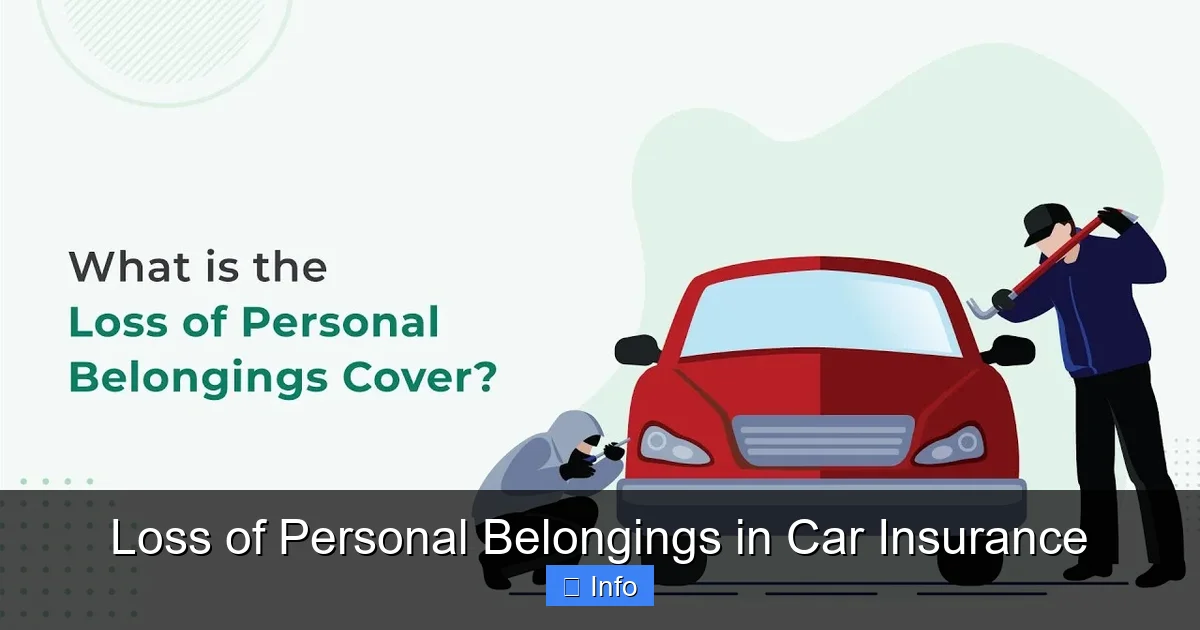
Loss of personal belongings in car insurance typically isn’t covered by standard liability or collision policies. However, comprehensive coverage may reimburse you for items stolen or damaged due to events like theft, vandalism, or natural disasters. Always review your policy details and take proactive steps to secure valuables in your vehicle.
Key Takeaways
- Standard car insurance won’t cover personal items: Liability and collision coverage only protect your vehicle and others’ property, not your belongings.
- Comprehensive coverage is your best bet: It covers theft, vandalism, and natural disasters, including personal items stolen from your car.
- Documentation is critical: Keep receipts and photos of valuables to speed up claims and prove ownership.
- Exclusions apply: Cash, wear-and-tear damage, and high-value items like jewelry may not be fully covered.
- Take preventive steps: Lock your car, hide valuables, and consider additional insurance like renters or umbrella policies.
- Filing a claim has trade-offs: Weigh the cost of your deductible against the value of stolen items before claiming.
📑 Table of Contents
Understanding Car Insurance Coverage Types
Imagine this: You return to your car after a quick errand, only to find a shattered window and your laptop gone. It’s a nightmare scenario, but one that’s more common than you’d think. While most drivers know they need car insurance, few understand what it actually covers—especially when it comes to personal belongings. Let’s break down the basics.
Liability vs. Collision vs. Comprehensive
Car insurance typically includes three main types of coverage: liability, collision, and comprehensive. Liability is the only type required by law in most states, and it covers damage you cause to others’ property or injuries to other drivers. Collision, as the name suggests, covers damage to your car from accidents, regardless of fault. Comprehensive, however, is the key here—it protects against non-collision events like theft, vandalism, and natural disasters.
Here’s the catch: Neither liability nor collision covers personal items stolen from your car. That’s where comprehensive coverage steps in. If you want reimbursement for a stolen laptop, phone, or other valuables, you’ll need to have comprehensive insurance in place.
Why Comprehensive Matters
Comprehensive coverage is often overlooked, but it’s a crucial part of protecting your finances. For example, if a thief breaks into your car and steals your laptop, comprehensive could cover the cost of repairs to your car (like fixing the window) and the value of the stolen item. However, there are limits and conditions, which we’ll explore next.
What’s Covered Under Comprehensive?
Comprehensive coverage is designed to handle the unexpected. It covers events like theft, vandalism, fire, floods, and even falling objects. But when it comes to personal belongings, the coverage isn’t as straightforward as you might hope.
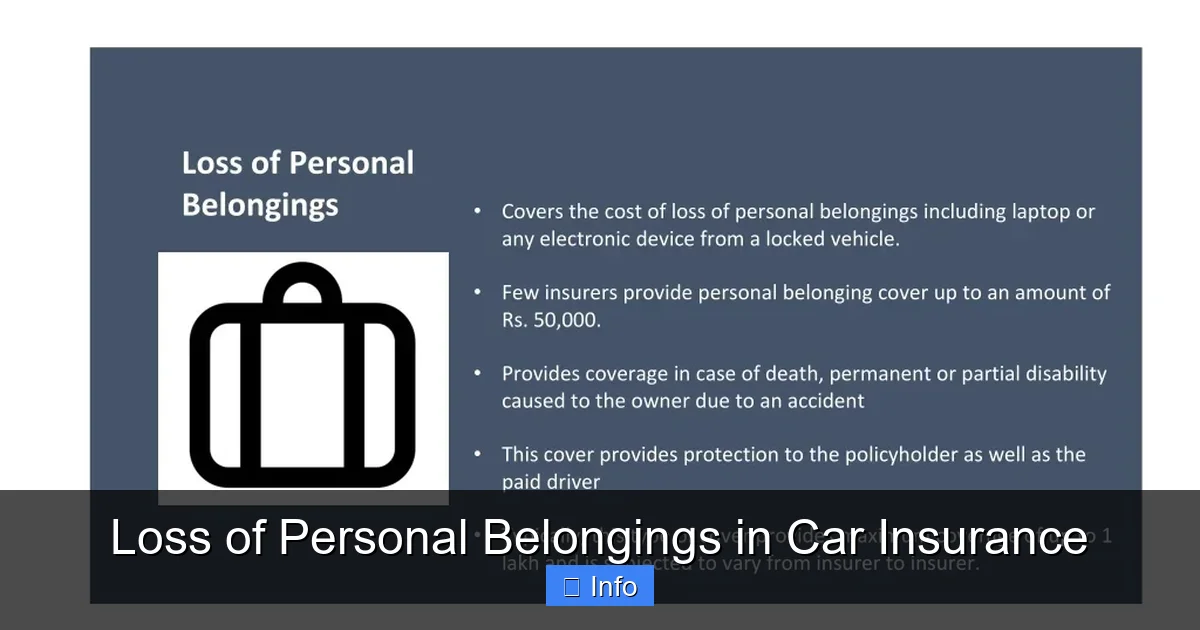
Visual guide about Loss of Personal Belongings in Car Insurance
Image source: image5.slideserve.com
Personal Property Coverage Explained
If you have comprehensive coverage, your insurer may reimburse you for items stolen from your car, but there are important details to note. Most policies cap personal property coverage at a percentage of your car’s value—often 10% to 20%. For example, if your car is worth $20,000, you might only be reimbursed up to $2,000 to $4,000 for stolen items.
Additionally, insurers often require proof of ownership. Keep receipts, photos, or serial numbers for valuable items like laptops, cameras, or jewelry. Without documentation, your claim could be denied or reduced.
Common Covered Items
Typical items that may be covered include electronics (laptops, tablets), clothing, tools, and even gym bags. However, high-value items like jewelry or art may require additional coverage, such as a scheduled personal property endorsement. Always check your policy limits and exclusions before assuming something is covered.
Common Exclusions and Limitations
Just as important as knowing what’s covered is understanding what’s not. Comprehensive coverage has its limits, and insurers often exclude certain items or situations.
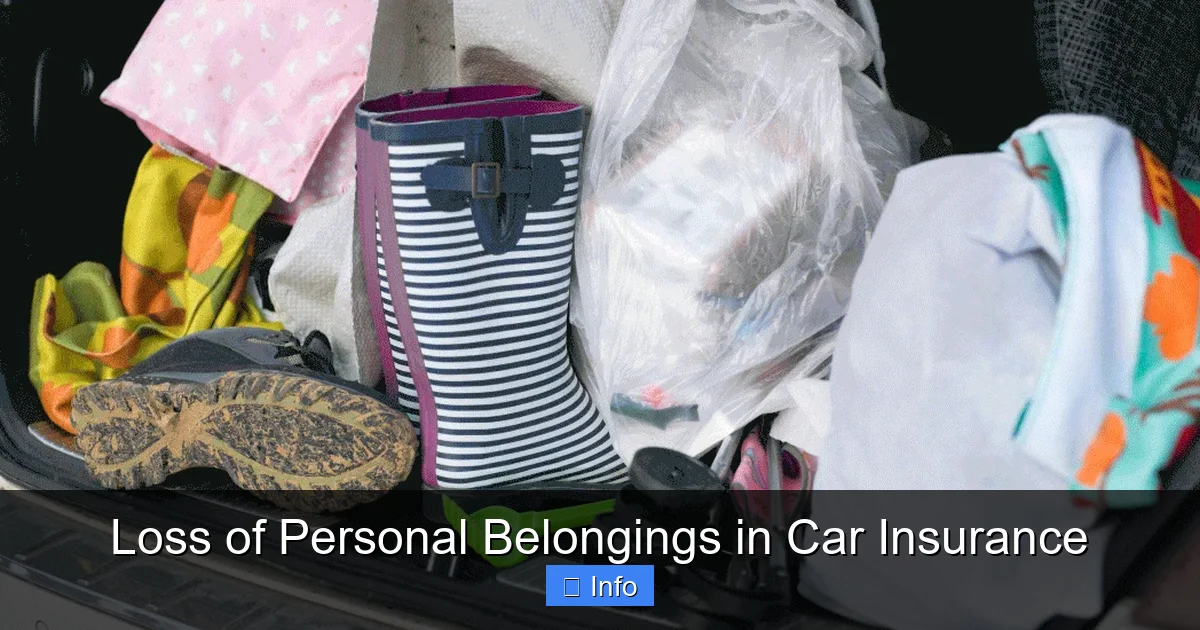
Visual guide about Loss of Personal Belongings in Car Insurance
Image source: images.ctfassets.net
Items That Are Typically Excluded
Cash, checks, and other paper currency are almost never covered. Similarly, wear-and-tear damage—like fading or scratches from normal use—is excluded. High-value items such as jewelry, furs, or art may also fall under sub-limits, meaning you’d only be reimbursed a fraction of their actual value unless you’ve added extra coverage.
For example, if you leave a $5,000 necklace in your car and it’s stolen, your insurer might only reimburse $1,000 unless you’ve scheduled the item separately. Always review your policy’s fine print to avoid surprises.
Other Limitations
Most insurers also require you to report theft within a certain timeframe—usually 24 to 48 hours. Delaying the report could jeopardize your claim. Additionally, if your car is financed or leased, your lender may require comprehensive coverage, but they’ll also have a say in how claims are handled.
Steps to Take When Items Are Stolen
If you discover your car has been broken into, acting quickly is key. Here’s what you should do immediately after realizing your belongings are missing.
Visual guide about Loss of Personal Belongings in Car Insurance
Image source: ida-cms-production.nyc3.cdn.digitaloceanspaces.com
File a Police Report
First and foremost, contact the police. Even if your car was parked in a public area, filing a report creates an official record. This document will be essential for your insurance claim. Be sure to get a copy of the report or note the case number for your insurer.
Additionally, if your car was damaged during the theft—like a broken window—mention this in the report. Some insurers require police involvement for claims related to theft or vandalism.
Contact Your Insurance Company
Once the police report is filed, reach out to your insurance provider. Most companies have 24/7 claims hotlines, and many allow you to file online or via mobile apps. Be prepared to provide details like the date, time, location, and a list of stolen items.
Before filing, check your deductible. If the value of the stolen items is close to or less than your deductible, it might not be worth claiming. For example, if your deductible is $500 and you lost a $400 tablet, you’d be better off paying out of pocket.
Document Everything
Take photos of your car’s condition, including any damage. If you have receipts or serial numbers for the stolen items, include those in your claim. The more evidence you provide, the faster your insurer can process your request.
Don’t forget to inform your lender or leasing company if your car is financed. They may have specific requirements for handling theft-related damage.
How to Protect Your Belongings
While insurance is a safety net, prevention is always better. Here are practical steps to reduce the risk of theft or loss.
Lock Up and Hide Valuables
Never leave valuables visible in your car. Even a quick trip to the store can be enough time for a thief to target your vehicle. Store items in the trunk or glove compartment, or better yet, take them with you.
Use anti-theft devices like steering wheel locks or GPS trackers. These can deter criminals and help law enforcement recover your car if it’s stolen. For more tips, check out our guide on gifts for frequent drivers, which includes security-focused accessories.
Review Your Policy Regularly
Car insurance needs change over time. If you’ve added expensive items to your car—like a high-end stereo system—make sure your coverage reflects their value. Visit our page on how much car insurance costs to understand factors that affect premiums and coverage options.
Consider additional insurance like renters or umbrella policies. These can provide extra protection for personal belongings, especially if your car insurance limits are too low.
Invest in a Dashcam
A dashcam can provide evidence if your car is broken into or stolen. Some models even record when the car is off, capturing footage of suspicious activity. For more on this, read our article on what happens if you wreck a financed car without insurance, which covers the importance of proper coverage.
When to File a Claim
Filing a claim isn’t always the best choice. Consider these factors before deciding to report a loss.
Weigh the Deductible vs. Value
If the value of your stolen items is close to or less than your deductible, you’ll save money by paying out of pocket. For example, if your deductible is $500 and you lost a $400 tablet, you’d be better off replacing it yourself.
Impact on Premiums
Filing a comprehensive claim can increase your premiums, especially if you’ve had multiple claims in the past. However, a single theft claim might not raise rates significantly. Check with your insurer to see how claims affect your premium.
Alternatives to Claiming
If your items are replaceable and the value is low, you might choose to absorb the cost. For high-value items, consider adding them to a scheduled personal property policy or using a home insurance rider.
Conclusion
Losing personal belongings in your car is stressful, but understanding your coverage can make the process less painful. While standard car insurance won’t reimburse you for stolen items, comprehensive coverage offers a safety net—if you know its limits and requirements. By documenting your valuables, filing police reports promptly, and taking preventive measures, you can minimize losses and speed up claims. Remember, insurance is a tool, not a guarantee. Stay proactive, review your policies regularly, and don’t hesitate to consult an agent for personalized advice.
Frequently Asked Questions
Does car insurance cover personal items stolen from my car?
Standard car insurance policies (liability and collision) do not cover personal items. However, comprehensive coverage may reimburse you for items stolen due to theft, vandalism, or natural disasters, subject to policy limits and deductibles.
What types of personal belongings are covered?
Comprehensive coverage typically includes electronics, clothing, and tools, but high-value items like jewelry may require additional endorsements. Cash and wear-and-tear damage are usually excluded.
How do I file a claim for stolen items?
File a police report first, then contact your insurer. Provide documentation like receipts and photos, and be prepared to pay your deductible. Claims may affect your premium, so weigh the cost before filing.
Can I get coverage for high-value items in my car?
Yes, by adding a scheduled personal property endorsement to your policy. This ensures full reimbursement for specific items like jewelry or art, which might otherwise fall under sub-limits.
What should I do immediately after discovering a theft?
Contact the police, document the scene with photos, and notify your insurer. Avoid touching damaged items or evidence until authorities arrive, and keep all receipts related to the incident.
Is comprehensive coverage worth the cost?
It depends on your car’s value and where you live. If you park in high-crime areas or own a newer car, comprehensive can save you thousands in repairs or replacements after theft or vandalism.