How to Start an Automatic Car with a Dead Battery
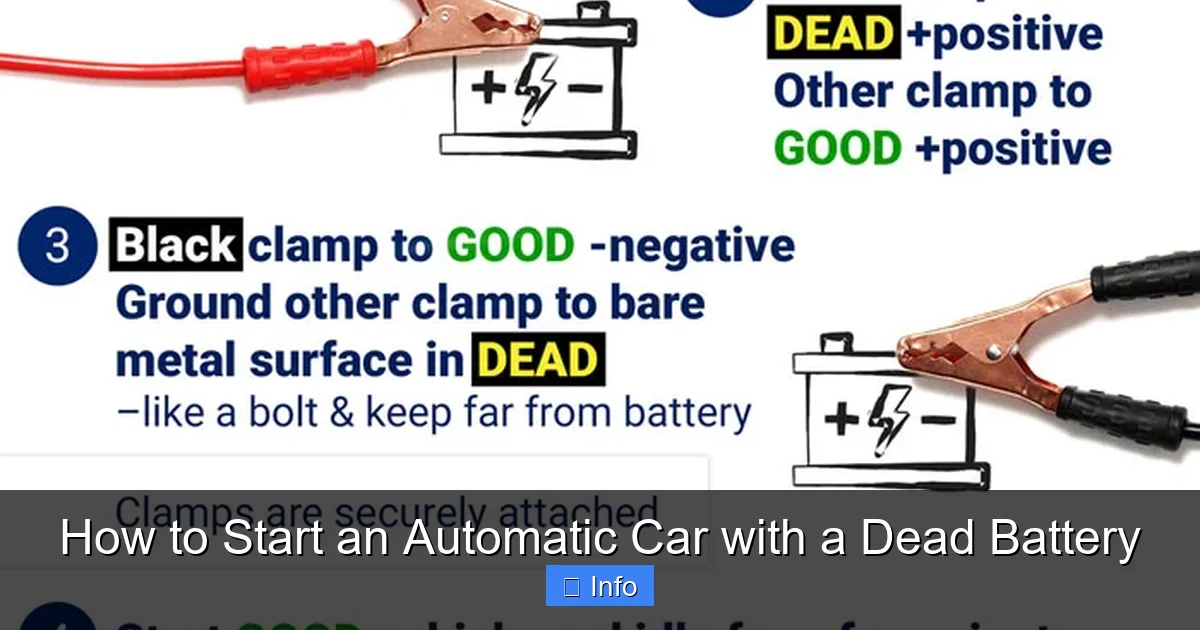
Starting an automatic car with a dead battery is possible with the right tools and precautions. This guide shows you how to jump‑start safely, use a portable jump starter, and what to do if those methods fail. Follow these steps to get back on the road quickly and avoid damaging your vehicle’s electrical system.
How to Start an Automatic Car with a Dead Battery
Finding yourself with a dead battery can be frustrating, especially when you need to get somewhere fast. The good news is that learning how to start an automatic car with a dead battery is straightforward if you have the right tools and follow a few safety steps. This article walks you through the most reliable methods, explains why batteries die, and offers tips to keep your car running smoothly.
Key Takeaways
- Safety first: Always wear gloves and eye protection, and keep flammable materials away from the battery.
- Jumper cables work best: Connect the red clamp to the dead battery’s positive terminal, then to the donor battery’s positive; connect black to the donor’s negative and a grounded metal point on the dead car.
- Portable jump starters are convenient: A fully charged jump starter can start most automatic cars without another vehicle.
- Hybrid and electric vehicles need special care: Consult the owner’s manual before attempting any jump‑start procedure on a hybrid.
- Prevent future dead batteries: Turn off accessories when the engine is off, check battery terminals for corrosion, and test the battery voltage regularly.
- Know when to call for help: If the car won’t start after multiple attempts or you smell smoke, seek professional assistance.
📑 Table of Contents
Understanding Why Car Batteries Die
Before you try to start your vehicle, it helps to know what caused the battery to lose charge. Common reasons include leaving lights on, extreme cold, a faulty alternator, or simply an old battery that can no longer hold a charge.
Common Causes of Battery Drain
- Headlights, interior lights, or accessories left on overnight.
- Parasitic drain from aftermarket electronics.
- Cold weather reducing the battery’s chemical efficiency.
- Aging battery (typically 3‑5 years old) losing capacity.
- Alternator not recharging the battery while driving.
Signs Your Battery Is Failing
You might notice slow cranking, dim headlights, or a clicking sound when you turn the key. If the dashboard battery light illuminates, it’s a clear warning that the charging system needs attention.
Preparing to Jump‑Start Your Automatic Car
Preparation is key to a safe and successful jump‑start. Gather the necessary equipment, position the vehicles correctly, and follow a strict order when connecting cables.
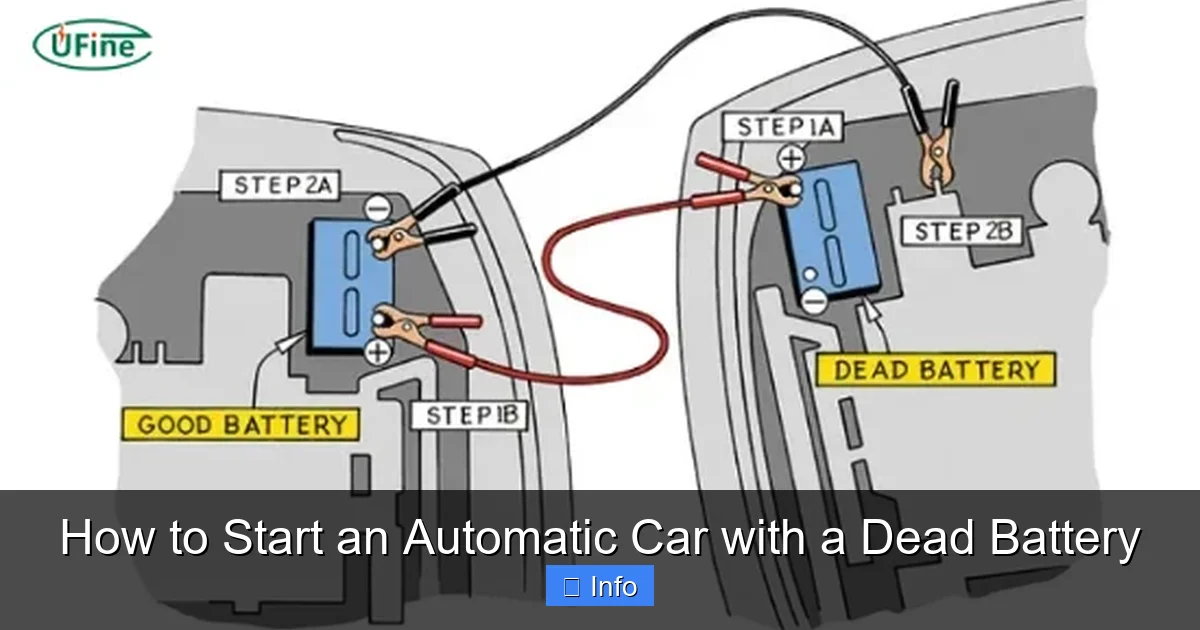
Visual guide about How to Start an Automatic Car with a Dead Battery
Image source: ufinebattery.com
What You’ll Need
- A set of heavy‑duty jumper cables (at least 4‑gauge thickness).
- A donor vehicle with a fully charged battery, or a portable jump starter.
- Safety gloves and goggles.
- A wire brush or baking soda solution for cleaning corroded terminals (optional but helpful).
Positioning the Vehicles
Park the donor car close enough that the jumper cables reach both batteries, but ensure the vehicles do not touch. Put both cars in park (or neutral for a manual) and engage the parking brakes. Turn off all accessories in both vehicles, including radios, lights, and climate control.
Cleaning the Battery Terminals
If you see white or greenish corrosion on the terminals, clean them with a wire brush or a mixture of baking soda and water. This improves conductivity and reduces the risk of sparks.
Jump‑Starting with Jumper Cables
Using jumper cables is the most common method for learning how to start an automatic car with a dead battery. Follow these steps carefully to avoid damaging the electrical systems.
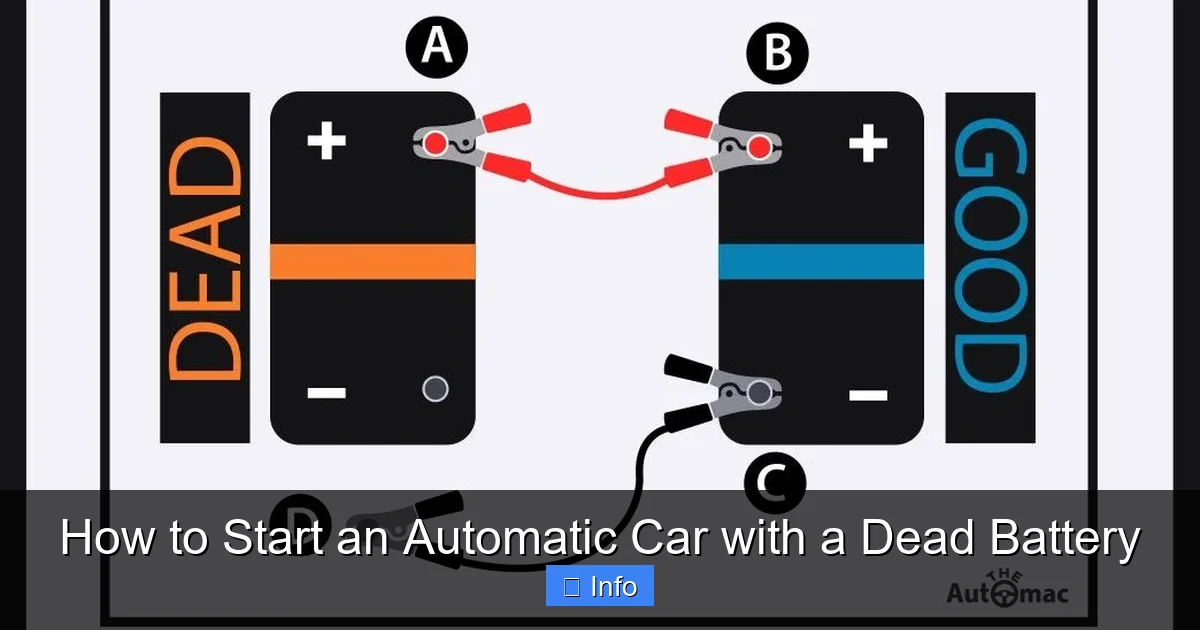
Visual guide about How to Start an Automatic Car with a Dead Battery
Image source: i.pinimg.com
Step‑by‑Step Connection Process
- Identify the positive (+) and negative (–) terminals on both batteries. The positive terminal usually has a red cover or a plus sign.
- Attach one red clamp to the dead battery’s positive terminal.
- Connect the other red clamp to the donor battery’s positive terminal.
- Attach one black clamp to the donor battery’s negative terminal.
- Connect the remaining black clamp to an unpainted metal surface on the engine block or chassis of the dead car—this acts as a ground and reduces spark risk near the battery.
- Double‑check that none of the clamps are touching each other or any moving parts.
Starting the Engine
Start the donor vehicle and let it run for about two minutes to transfer charge. Then try to start the automatic car with the dead battery. If it cranks slowly, wait a bit longer and try again. Once the engine starts, keep it running for at least 15 minutes to allow the alternator to recharge the battery.
Removing the Cables Safely
Remove the clamps in the reverse order: first the black clamp from the grounded metal, then the black clamp from the donor battery’s negative, followed by the red clamp from the donor battery’s positive, and finally the red clamp from the dead battery’s positive. Keep the clamps apart as you remove them to avoid accidental short circuits.
Using a Portable Jump Starter
A portable jump starter is a compact battery pack that can start your car without needing another vehicle. This method is especially useful if you’re alone or in a remote location.
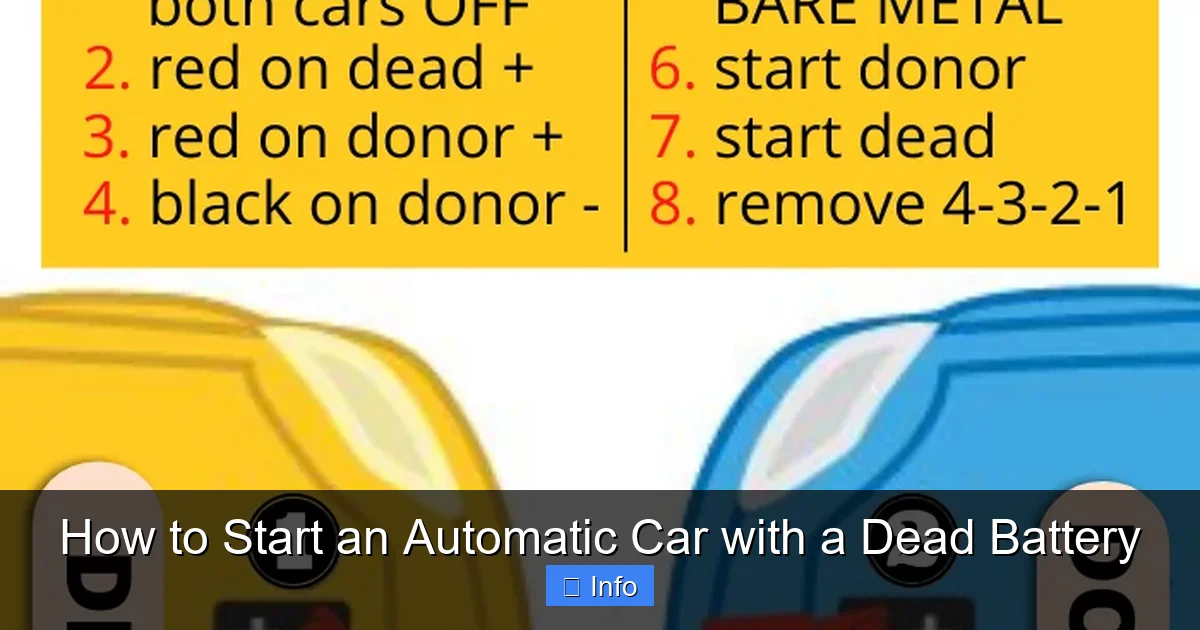
Visual guide about How to Start an Automatic Car with a Dead Battery
Image source: i.pinimg.com
Choosing the Right Jump Starter
Look for a unit with at least 400 peak amps for most four‑cylinder engines, and 600+ amps for larger V6 or V8 models. Ensure it includes safety features like reverse polarity protection and overload safeguards.
How to Connect and Start
- Turn off the jump starter and your car’s ignition.
- Attach the red clamp to the dead battery’s positive terminal.
- Attach the black clamp to a clean, unpainted metal point on the engine block or chassis.
- Turn on the jump starter.
- Attempt to start the car. If it doesn’t start immediately, wait 10‑15 seconds and try again.
- Once the engine runs, turn off the jump starter and disconnect the clamps (black first, then red).
- Recharge the jump starter according to the manufacturer’s instructions.
Advantages and Limitations
The main advantage is independence—you don’t need a Good Samaritan with a running car. However, portable jump starters have limited capacity; if the battery is completely dead or the car has a large engine, you may need a more powerful unit or a traditional jump‑start.
Push‑Starting an Automatic Car: Myths and Realities
Many drivers wonder if they can push‑start an automatic transmission the way they can with a manual. The short answer is: it’s not recommended and usually impossible.
Why Push‑Starting Doesn’t Work on Automatics
Automatic transmissions rely on a torque converter that requires hydraulic pressure to engage gears. When the engine is off, there is no pressure, so the wheels cannot turn the engine over. Attempting to push‑start can damage the transmission.
What to Do Instead
If you have a dead battery and no jumper cables or jump starter, your best options are to call roadside assistance, use a tow truck to get to a service station, or ask someone for a jump‑start. Some newer models have a manual key start feature; you can check our guide on how to start a Toyota Camry with a manual key for reference if your vehicle supports it.
After the Engine Starts: Charging and Prevention
Getting the car running is only half the battle. You need to ensure the battery receives a proper charge and take steps to avoid future dead‑battery situations.
Let the Alternator Do Its Job
Keep the engine running for at least 20‑30 minutes after a jump‑start. Driving at moderate speeds (around 45‑55 mph) helps the alternator generate enough voltage to recharge the battery fully. Avoid idling for long periods, as the alternator produces less charge at low RPMs.
Test the Battery Voltage
Use a multimeter to check the battery’s voltage. A fully charged battery should read about 12.6 volts with the engine off, and between 13.7 and 14.7 volts while the engine is running. If the voltage stays low, the alternator may be faulty.
Preventive Maintenance Tips
- Turn off all lights, radio, and accessories before exiting the vehicle.
- Check battery terminals monthly for corrosion and clean them as needed.
- Have the battery tested during routine oil changes, especially before winter.
- Consider a battery blanket or heater if you live in extremely cold climates.
- If you frequently take short trips, occasionally take a longer drive to allow the alternator to fully recharge the battery.
When to Seek Professional Help
Sometimes a jump‑start won’t solve the underlying problem. Knowing when to call a mechanic can save you time and prevent further damage.
Signs of a Bigger Issue
- The car starts but dies again shortly after you disconnect the jumper cables.
- You hear a loud clicking or grinding noise when trying to start.
- The battery case is swollen, cracked, or leaking fluid.
- You notice a burning smell or smoke near the battery.
Calling Roadside Assistance
If you’re unsure about the cause or lack the proper equipment, it’s safest to call for help. Many insurance policies and auto clubs offer free jump‑start services. Provide them with your location, vehicle make and model, and a description of the symptoms.
Conclusion
Learning how to start an automatic car with a dead battery empowers you to handle a common roadside emergency with confidence. By following the safety steps for jumper cables, using a portable jump starter when appropriate, and knowing the limits of push‑starting, you can get back on the road quickly. Remember to let the alternator recharge the battery, perform regular maintenance, and seek professional assistance if the problem persists. With these practices, you’ll reduce the chance of being stranded and keep your vehicle’s electrical system healthy.
Frequently Asked Questions
Can I jump‑start a hybrid car the same way as a regular gasoline car?
Hybrid vehicles have high‑voltage systems that require special precautions. Always consult the owner’s manual before attempting a jump‑start, and use the designated jump‑start points if provided. Improper connections can damage the hybrid’s electronics.
How long should I let the donor car run before trying to start the dead battery?
Let the donor vehicle run for about two minutes to transfer sufficient charge. If the dead car doesn’t crank, wait another minute and try again. Avoid revving the donor engine excessively, as this can cause voltage spikes.
Is it safe to jump‑start a car in the rain?
Yes, as long as you keep the connectors and battery terminals dry and avoid standing in puddles while making connections. Water can increase the risk of short circuits, so work under shelter if possible and wear rubber‑soled shoes.
What should I do if the jumper cables get hot during the process?
Hot cables indicate excessive resistance, often due to poor connections or undersized cables. Disconnect them immediately, clean the terminals, and check that the clamps are firmly attached. If the problem persists, use heavier‑gauge cables or seek professional help.
Can a completely dead battery be recharged by driving after a jump‑start?
Yes, if the alternator is functioning correctly, driving for 20‑30 minutes will recharge a moderately discharged battery. However, if the battery is old or damaged, it may not hold a charge and will need replacement.
Are there any risks to the car’s computer system when jump‑starting?
Modern vehicles have sensitive electronics, but a proper jump‑start poses minimal risk. To protect the computer, always connect the negative clamp to a grounded metal point rather than the battery’s negative terminal, and remove the cables in the reverse order after starting.