Brake Noise When Not Braking
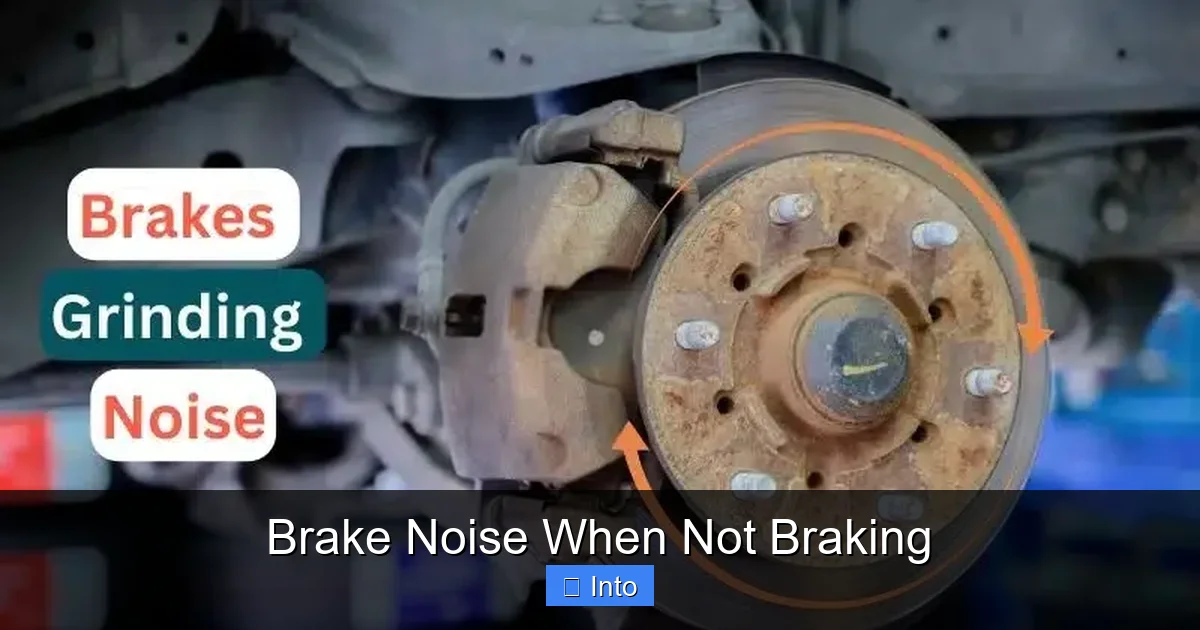
If you hear brake noise when not braking, it’s often caused by worn pads, glazed rotors, sticking calipers, loose hardware, or unrelated suspension issues. Diagnosing the noise with a visual inspection, test drive, and careful listening helps pinpoint the source, and many fixes can be done at home with basic tools.
If you’ve ever heard a strange brake noise when not braking, you know how unsettling it can be. That squeal, grind, or rattling sound can appear while you’re cruising down the highway, idling at a stoplight, or even when the car is parked. Understanding the source of brake noise when not braking is the first step toward fixing it and restoring peace of mind.
Many drivers assume that any noise coming from the wheels must be related to the brakes being applied, but that’s not always true. Components such as brake pads, rotors, calipers, and even suspension parts can create sounds when they’re not actively engaged. Ignoring these noises can lead to premature wear or safety concerns, so it’s worth investigating.
In this guide, we’ll explore the most common causes of brake noise when not braking, share practical diagnostic tips, and outline when it’s time to seek professional help. By the end, you’ll have a clear plan to silence those annoying sounds and keep your vehicle running smoothly.
Key Takeaways
- Identify the sound: Squeals often point to glazed pads or rotors, while grinding suggests metal‑on‑metal contact.
- Check pad thickness: Worn pads are a frequent cause of brake noise when not braking and should be replaced before they damage rotors.
- Lubricate caliper slides: Sticking pins create a light drag that produces a rubbing noise; proper grease eliminates this.
- Inspect hardware: Loose shims, clips, or bolts can rattle against the caliper, mimicking brake noise when not braking.
- Look beyond brakes: Wheel bearings, suspension components, or CV joints can produce similar noises that change with speed or steering.
- Know when to call a pro: Persistent noise, overheating wheels, or reduced stopping power warrant a professional inspection.
📑 Table of Contents
Common Causes of Brake Noise When Not Braking
Several mechanical issues can produce unwanted sounds, and recognizing them helps you target the right fix. Below are the most frequent culprits that drivers encounter.
Worn Brake Pads
When the friction material on the pads wears down past the indicator, the metal backing can contact the rotor. This contact creates a grinding or scraping noise that you may hear even when your foot is off the pedal. If you notice a persistent brake noise when not braking that sounds like metal on metal, check the pad thickness first.
Glazed or Dirty Rotors
Rotors can become glazed from overheating or accumulate brake dust and road debris. A glazed surface reduces friction unevenly, leading to a high‑pitched squeal or chirping noise that occurs while the wheel is turning but the brakes are not applied. Cleaning the rotors or having them resurfaced often eliminates this brake noise when not braking.
Sticking Caliper Pistons
A caliper piston that fails to retract fully keeps the pad lightly pressed against the rotor. This constant, light drag produces a faint rubbing or hissing sound that you might notice at low speeds. Lubricating the piston seals or replacing a seized caliper can stop the brake noise when not braking caused by this issue.
Loose Hardware or Shims
Brake hardware includes anti‑rattle clips, shims, and mounting bolts. When these pieces become loose or corroded, they can vibrate against the caliper or rotor, creating a rattling noise. Tightening or replacing the hardware is a quick way to quiet brake noise when not braking.
Suspension or Wheel Bearing Issues
If the noise varies with turning or road texture, inspect the suspension and bearings. Worn wheel bearings, loose strut mounts, or damaged CV joints can generate a growling or grinding noise that changes with vehicle speed.
For a similar symptom that appears while driving but without brake application, you might find our article on Car Squeaks When Driving But Not Braking helpful.
How to Diagnose Brake Noise When Not Braking
Pinpointing the exact origin of the noise requires a systematic approach. Use these steps to narrow down the possibilities before you start tearing apart components.
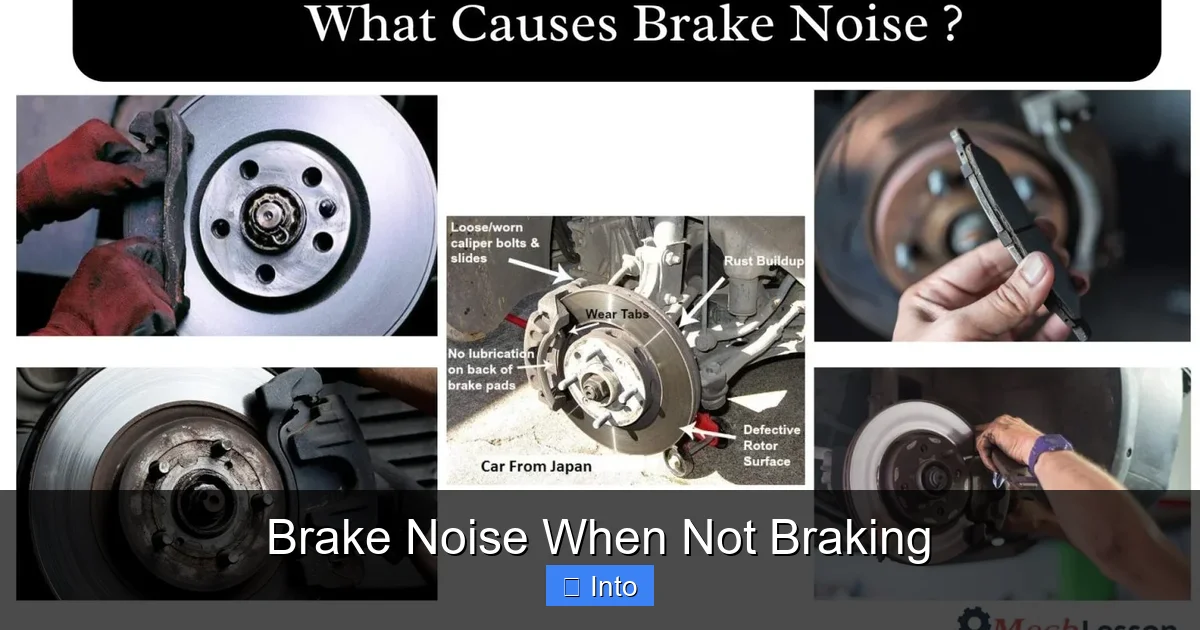
Visual guide about Brake Noise When Not Braking
Image source: mechlesson.com
Visual Inspection
Begin with a careful visual check of the brakes and surrounding parts. Look for uneven pad wear, rust on the rotors, missing or damaged shims, and any signs of fluid leakage from the caliper. A flashlight and a mirror can help you see behind the wheel. If you spot obvious wear, that’s likely the source of your brake noise when not braking.
Test Drive Techniques
Drive the vehicle in a safe, low‑traffic area and listen for the noise under different conditions. Try coasting in neutral, applying light brake pressure, and turning the steering wheel left and right. Note whether the brake noise when not braking changes with speed, gear selection, or steering angle. This helps differentiate between brake‑related and suspension‑related sounds.
Listening for Specific Sounds
Different noises point to different problems. A high‑pitched squeal often indicates glazed pads or rotors, while a low grinding suggests metal‑on‑metal contact. A rhythmic thumping may point to a warped rotor, and a intermittent click could be a loose shim. Matching the sound to its typical cause speeds up the diagnosis of brake noise when not braking.
Using a Mechanic’s Stethoscope
If you have access to a mechanic’s stethoscope or a long screwdriver, you can isolate the noise by placing the tip on various components while the wheel is spinning. Hearing the loudest sound through the stethoscope tells you exactly where the brake noise when not braking originates.
For a hands‑on guide on checking pad thickness and wear, see our tutorial on How To Check Brake Pads In Your Car.
Quick Fixes You Can Do at Home
Many sources of brake noise when not braking can be resolved with basic tools and a little elbow grease. Try these remedies before heading to the shop.
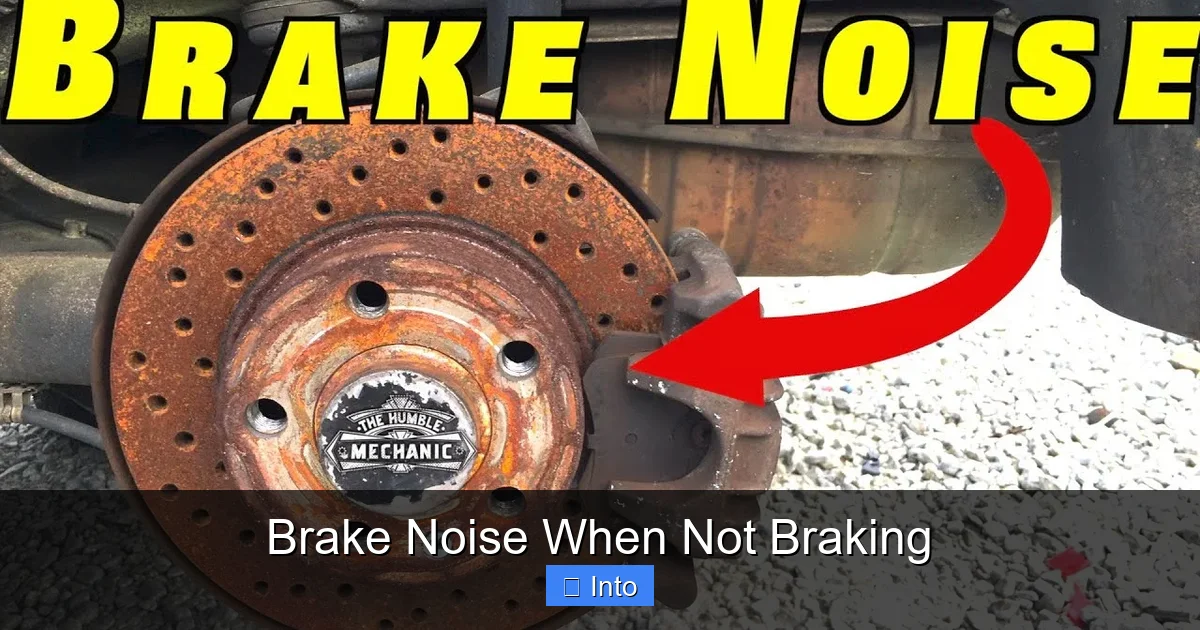
Visual guide about Brake Noise When Not Braking
Image source: i.ytimg.com
Cleaning Brake Components
Brake dust, road grime, and rust can accumulate on the rotor surface and cause noise. Spray the rotors with a brake‑cleaner, let it sit for a few minutes, then wipe them clean with a lint‑free cloth. Removing this buildup often stops the brake noise when not braking that sounds like a squeal or chirp.
Lubricating Caliper Slides
The caliper slide pins need to move freely for the pads to retract fully. Apply a high‑temperature brake grease to the pins and the corresponding bushings after cleaning off old grease. Proper lubrication eliminates the light drag that creates a rubbing brake noise when not braking.
Replacing Worn Pads
If the pads are below the manufacturer’s minimum thickness, replace them with a quality set. When installing new pads, remember to bed them in according to the manufacturer’s instructions to avoid creating new brake noise when not braking during the break‑in period.
Checking and Torquing Lug Nuts
Loose lug nuts can allow the wheel to wobble slightly, which may produce a rattling noise that mimics brake noise when not braking. Use a torque wrench to tighten each lug nut to the vehicle’s specified torque, usually found in the owner’s manual.
Applying Anti‑Squeal Shims
Anti‑squeal shims or paste can be placed between the pad backing plate and the caliper piston to dampen vibrations. If your brake noise when not braking is a high‑pitched squeal, adding these shims often provides an immediate quieting effect.
When it’s time to upgrade your stopping power, consider our recommendations for the best brake rotors and pads for reliable stopping power.
When to Replace Brake Parts
Knowing the wear limits and failure signs helps you decide when a component is beyond simple fixes and needs replacement.
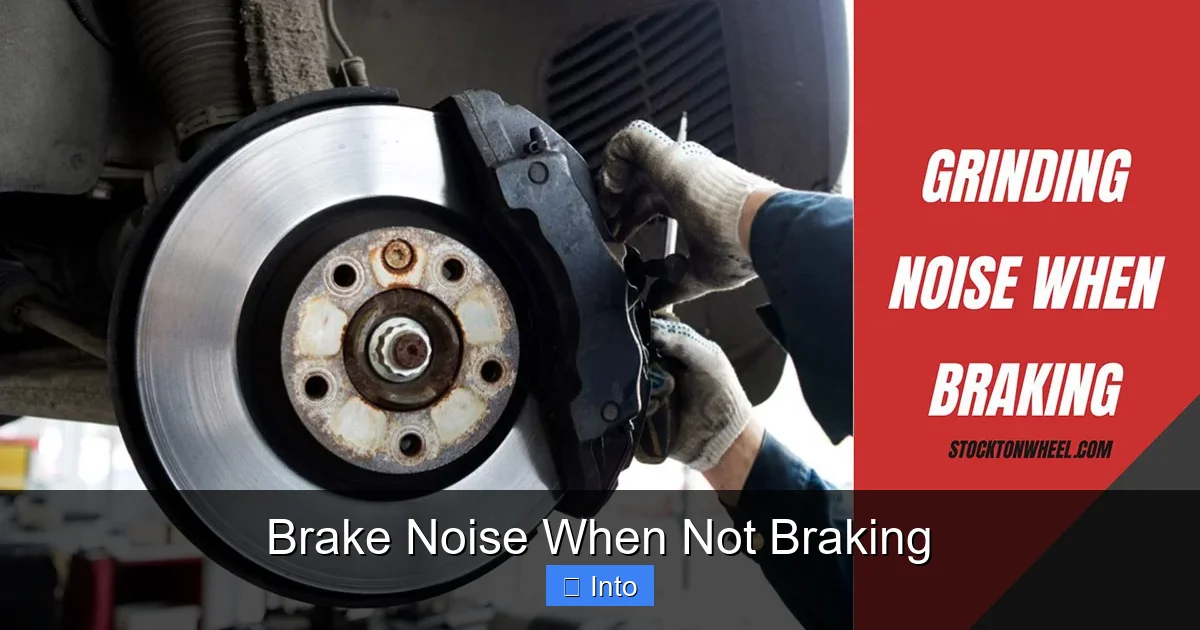
Visual guide about Brake Noise When Not Braking
Image source: stocktonwheel.com
Signs of Pad Wear
Most pads have a wear indicator tab that contacts the rotor when the material is thin enough to cause noise. If you hear a screeching brake noise when not braking that disappears when you press the pedal, the indicator is likely doing its job. Replace the pads before they damage the rotor.
Rotor Thickness and Runout
Measure rotor thickness with a micrometer; compare it to the minimum thickness stamped on the rotor hub. Also check for lateral runout using a dial indicator. Excessive wear or warping can cause a pulsating brake noise when not braking, especially at higher speeds.
Caliper Seizure Indicators
A seized caliper will keep the pad engaged, leading to constant drag, overheating, and a distinct burning smell accompanied by a grinding brake noise when not braking. If one wheel feels hotter than the others after a short drive, inspect the caliper for seizure.
Hardware Kit Replacement
Over time, anti‑rattle clips, shims, and mounting bolts lose their tension or corrode. Installing a fresh hardware kit ensures the pads sit correctly and eliminates rattling that contributes to brake noise when not braking.
Considering Upgraded Materials
These materials handle heat better and produce less noise, though they may change the pedal feel.
Preventive Maintenance to Avoid Brake Noise When Not Braking
Regular care keeps the brake system quiet and extends the life of its components. Incorporate these habits into your routine.
Regular Brake Cleaning
Wash the wheels and brake components every few months, especially if you drive in dusty or salty conditions. Use a dedicated brake‑cleaner spray to remove contaminants that can cause brake noise when not braking.
Proper Break‑In Procedure
After installing new pads or rotors, follow the manufacturer’s break‑in schedule—usually a series of gradual stops from moderate speed. Proper break‑in transfers an even layer of friction material to the rotor, reducing the chance of early brake noise when not braking.
Using Quality Fluids and Pads
Choose a fluid that meets or exceeds DOT 3 or DOT 4 specifications. Likewise, invest in reputable pad brands known for low noise and consistent performance.
Routine Inspections
Make a habit of checking pad thickness, rotor condition, and hardware tightness at every oil change or at least twice a year. Catching wear early prevents the development of brake noise when not braking before it becomes a nuisance.
Driving Habits that Help
Avoid resting your foot on the brake pedal while driving, as this keeps the pads lightly engaged and can glaze the rotors. Also, try to anticipate stops and use engine braking when possible. These habits reduce heat buildup and minimize the likelihood of brake noise when not braking.
Professional Help and Cost Considerations
Sometimes the best course of action is to trust a qualified mechanic, especially when the brake noise when not braking persists despite your efforts.
Choosing a Trusted Mechanic
Look for a shop with ASE‑certified technicians and good reviews for brake work. Ask whether they use OEM‑spec parts and whether they offer a warranty on labor. A reliable shop will diagnose the brake noise when not braking accurately and provide a clear estimate.
Estimating Repair Costs
Typical pad replacement runs from $100 to $300 per axle, while rotor resurfacing or replacement can add $150 to $400. If a caliper needs replacement, expect an additional $200 to $500. Getting a written estimate helps you budget for fixing the brake noise when not braking.
Warranty and Parts Options
Many aftermarket pads and rotors come with limited warranties that cover noise or premature wear. OEM parts often carry a longer warranty but may be pricier. Discuss options with your mechanic to balance cost and peace of mind regarding the brake noise when not braking.
When to Consider a Full Brake Overhaul
If multiple components show significant wear or the brake noise when not braking is accompanied by reduced stopping power, a complete brake service—pads, rotors, hardware, and fluid flush—may be the most economical long‑term solution.
Keeping Records for Future Reference
Maintain a simple log of services performed, parts installed, and mileage at each visit. This history makes it easier to spot recurring issues and can be valuable when selling the vehicle or troubleshooting future brake noise when not braking.
Conclusion
Brake noise when not braking can be frustrating, but it’s usually a sign that something needs attention rather than an immediate danger. By understanding the common causes, performing basic diagnostics, and applying the fixes outlined above, you can silence most noises and keep your braking system in top shape. Remember, regular maintenance and prompt attention to unusual sounds are the best ways to ensure a quiet, safe ride for miles to come.
Frequently Asked Questions
What does it mean if I hear a squeal when I’m not braking?
A high‑pitched squeal often indicates that the brake pads or rotors have become glazed from heat or have accumulated dust. It can also be caused by a wear indicator touching the rotor. Cleaning or replacing the affected parts usually stops the noise.
Can a sticking caliper cause noise when I’m not pressing the brake pedal?
Yes. A caliper piston that fails to retract keeps the pad lightly dragging on the rotor, producing a rubbing or hissing sound. Lubricating the slide pins or replacing a seized caliper resolves this issue.
Is it safe to drive with a grinding noise coming from the wheels?
A grinding noise usually means metal‑on‑metal contact, such as worn pads scraping the rotor. Continuing to drive can damage the rotor and reduce braking power, so you should inspect and repair the brakes promptly.
How can I tell if the noise is from the brakes or the suspension?
Brake‑related noise often changes with brake pedal pressure or speed, while suspension‑related noise may vary with steering angle, road texture, or when going over bumps. A test drive that isolates these factors helps pinpoint the source.
Do I need to replace both pads and rotors if I only hear noise?
Not always. If the pads are worn but the rotors are still within spec and have no deep scoring, replacing just the pads may be enough. However, if the rotors are warped, glazed, or below minimum thickness, they should be resurfaced or replaced.
How often should I check my brakes to prevent noise when not braking?
Inspect the brake pads, rotors, and hardware at least every 6,000 miles or with each oil change. Regular cleaning and lubrication of caliper slides also help keep the system quiet.