How Hot Does an Engine Bay Get
When you pop the hood, the engine bay can reach temperatures that feel like a furnace. Understanding how hot it gets helps you prevent component wear, fluid breakdown, and even fire hazards. Simple maintenance and a few upgrades can keep the heat under control and extend your car’s life.
Have you ever opened a car door on a hot summer day and felt a wave of heat rush toward you? That intense warmth comes from the engine bay, a cramped space where metal, plastic, and moving parts all generate a lot of heat. Many drivers never think about how hot their engine bay actually gets, but the temperature can vary wildly depending on the engine’s design, how you drive, and even the weather outside. In this guide, we’ll break down exactly how hot an engine bay can become, why that matters, and what you can do to keep it cool.
Key Takeaways
- Temperature Ranges: Engine bays often sit between 150°F and 250°F under normal driving, but can exceed 300°F in heavy loads or hot climates.
- Heat Sources: Combustion, friction, and exhaust gases are the main culprits behind high bay temperatures.
- Measurement Matters: Using an infrared thermometer or thermal gun gives accurate readings without touching hot parts.
- Risks Of Excess Heat: Heat accelerates oil breakdown, damages plastic hoses, and can create fire dangers near flammable materials.
- Cooling Strategies: Regular servicing, airflow improvements, and heat‑shield upgrades keep temperatures in check.
- DIY Tips: Simple habits like checking coolant levels and cleaning debris from vents make a big difference.
- Professional Help: When in doubt, a certified technician can diagnose overheating issues and recommend the right fixes.
📑 Table of Contents
Understanding Engine Bay Temperatures
What Causes High Heat
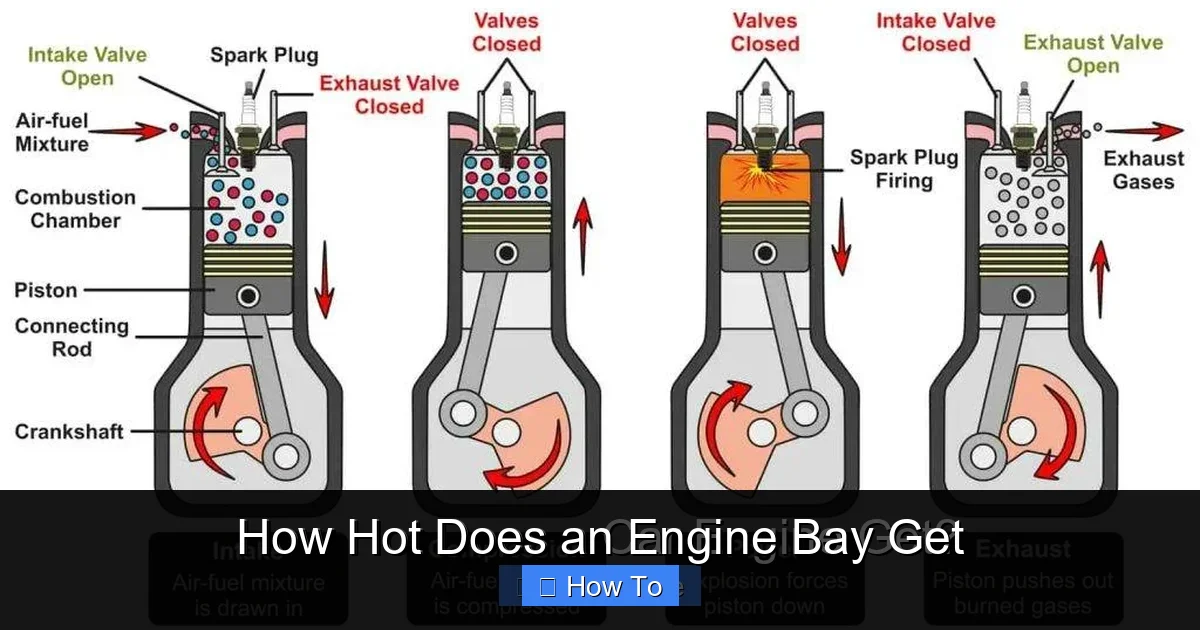
Heat in the engine bay comes from three main sources. First, combustion inside the cylinders releases a lot of energy. Second, moving parts like the crankshaft and pistons create friction. Third, the exhaust system carries hot gases away from the engine. All of these combine to raise the bay’s temperature quickly.
Even a small engine can get hot when you rev it hard. Think of the engine as a furnace that you turn on and off many times a day. Each cycle adds heat that needs to be managed.
Typical Temperature Ranges
Under normal driving conditions, most engine bays sit between 150°F and 250°F (65°C to 121°C). Hot climates or heavy loads can push the temperature above 300°F (149°C). A cold winter start may keep the bay cooler, but once the engine warms up, temperatures rise fast.
Some modern engines stay cooler thanks to advanced cooling systems and heat‑shield designs. However, even those can spike during highway driving or in stop‑and‑go traffic.
Why It Matters
High temperatures affect many components. Oil thickens and loses its lubricating properties when it gets too hot. Plastic hoses can crack, and rubber seals may degrade. In extreme cases, hot spots can ignite oil or fuel vapors, creating a fire risk.
Keeping the bay within a safe temperature range extends the life of critical parts. It also improves fuel efficiency and reduces the chance of unexpected breakdowns.
Measuring Heat In The Bay
Tools And Methods
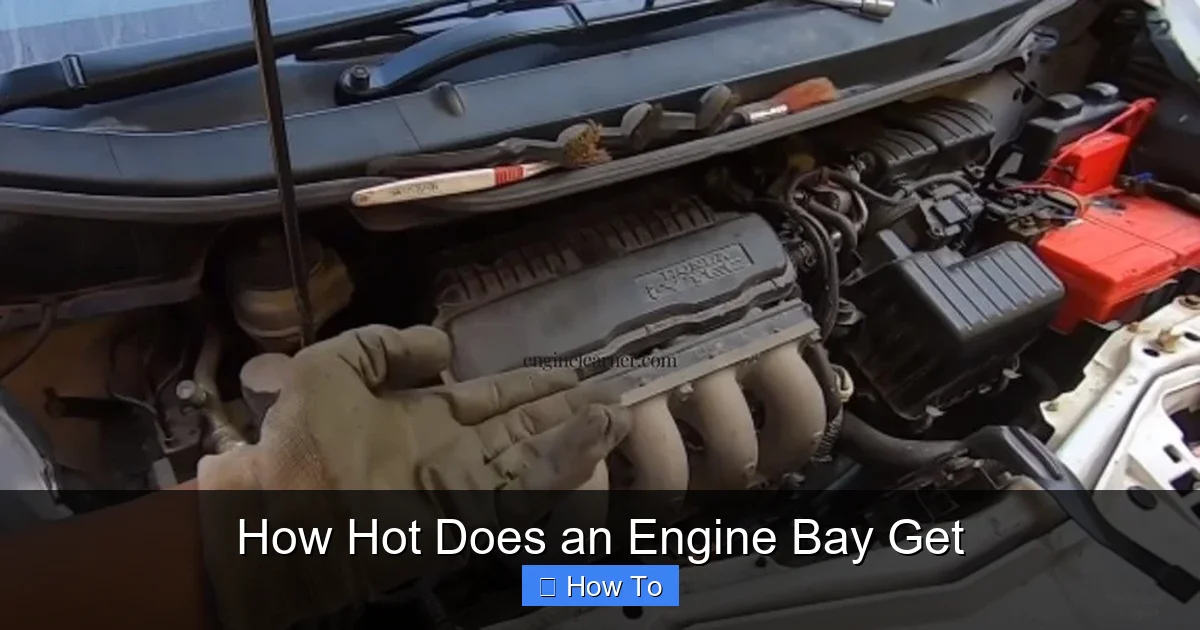
You don’t need expensive equipment to check the bay’s temperature. An infrared thermometer, often called a thermal gun, is cheap and easy to use. Simply point it at the engine block, intake manifold, or exhaust manifold to get a reading.
Visual guide about How Hot Does an Engine Bay Get
Image source: enginelearner.com
For more precise measurements, a temperature probe can be inserted into the coolant stream. This tells you how hot the cooling system really is, which is vital for diagnosing overheating problems.
Safe Reading Techniques
Never touch hot metal with your bare hands. Use protective gloves when you need to inspect components up close. Keep the engine running long enough to get accurate readings, but avoid prolonged exposure.
If you hear a knocking sound or see steam, stop immediately. High temperatures can cause engine damage in seconds, so safety comes first.
What The Numbers Mean
A reading of 200°F (93°C) on the engine block is normal for most cars. Anything above 250°F (121°C) suggests the cooling system may be struggling. Temperatures above 300°F (149°C) are dangerous and require immediate attention.
Remember that coolant temperature and bay temperature are not the same. The coolant stays cooler because it circulates through the radiator. The bay includes many hot surfaces that radiate heat into the surrounding air.
Factors That Raise Engine Bay Heat
Engine Design And Size
Larger engines produce more heat simply because they have more mass and more moving parts. A V8 generates far more heat than a small four‑cylinder. Some manufacturers use extra cooling fins or oil coolers to manage this heat.
Engine placement also matters. Front‑wheel‑drive engines often sit closer to the cabin, making the bay feel hotter inside the car. Rear‑engine designs can concentrate heat near the rear seats.
Driving Habits
Aggressive driving, such as rapid acceleration and hard braking, spikes engine temperature quickly. City driving with lots of stop‑and‑go can also raise heat because the cooling system never gets a chance to cool down fully.
Using your air conditioner, towing a load, or driving uphill all increase the engine’s workload and heat output. Simple habits like coasting to a stop reduce heat buildup.
Environmental Conditions
Hot weather adds to the bay’s temperature. Parking in direct sunlight can raise the ambient temperature by 30°F (17°C). Desert climates or summer months in many regions make engine cooling more challenging.
Altitude can also affect cooling. Thin air reduces radiator efficiency, causing the engine to run hotter. If you live in a high‑altitude area, monitor your temperature gauge more closely.
Dangers Of Excessive Heat
Component Wear
Heat accelerates metal fatigue. Connecting rods, pistons, and bearings can wear out faster when exposed to high temperatures. Over time, this leads to reduced performance and costly repairs.
Plastic intake manifolds may warp, causing vacuum leaks. These leaks affect engine breathing and can cause rough idling.
Fluid Breakdown
Engine oil loses its viscosity when it gets too hot. Thin oil cannot protect engine parts, leading to increased wear. Coolant can boil, creating steam pockets that block proper flow. This condition is known as “boil‑over” and can cause rapid temperature spikes.
Fire Risk
Oil drips onto hot exhaust components can ignite. This creates a serious fire hazard, especially in older vehicles. Flammable materials like cardboard or paper stored near the engine bay are especially dangerous.
Keeping Your Engine Bay Cool
Maintenance Tips
Regular oil changes are the single most important step. Fresh oil lubricates better and resists heat. Follow your manufacturer’s recommended service interval, usually every 5,000 to 7,500 miles.
Check coolant levels frequently. Use the right mixture of antifreeze and distilled water. If you notice a leak, fix it before the engine overheats.
Upgrades And Add‑ons
Aftermarket heat shields can block radiant heat from reaching sensitive components. They are inexpensive and easy to install. A performance radiator or an extra fan can improve cooling under heavy loads.
Consider an oil cooler for high‑performance engines. It helps keep oil temperature stable even during aggressive driving. For everyday drivers, a simple set of reflective radiator covers can reduce bay heat by a few degrees.
Daily Habits
Let your engine idle for a minute or two before turning off the vehicle. This lets the cooling system dissipate residual heat. Avoid parking in direct sunlight when possible. If you must, use a windshield sunshade.
Keep the engine bay clean and free of debris. Leaves, oil filters, or tools can trap heat and block airflow. For a step‑by‑step guide, check out our article on How To Clean A Car Engine Bay.
If you want to boost performance while managing heat, see our guide on How To Get More Power Out Of A 4 7 Toyota Engine. Understanding oil change intervals is crucial; learn more at How Much Does An Oil Change Cost.
Conclusion
Knowing how hot an engine bay gets helps you protect your vehicle. High temperatures can damage parts, reduce efficiency, and even create fire hazards. By measuring the heat, addressing the causes, and using simple maintenance tricks, you can keep your bay in a safe temperature range. Regular checks, proper fluid levels, and a few upgrades make a big difference. Stay cool, drive safely, and keep your engine running smoothly for years to come.
Frequently Asked Questions
How hot does an engine bay typically get during normal driving?
Most engine bays run between 150°F and 250°F (65°C to 121°C) under normal conditions. Hot weather or heavy loads can push temperatures above 300°F (149°C). Monitoring with an infrared thermometer helps you see the exact temperature.
What tools can I use to measure engine bay temperature safely?
An infrared thermometer, or thermal gun, is the easiest method. Simply point it at the engine block or exhaust manifold. For more precise readings, a coolant temperature probe can be inserted into the cooling system.
Why does my engine bay feel hotter in city traffic than on the highway?
Stop‑and‑go driving keeps the engine working without enough time to cool down fully. Constant low‑speed operation raises heat, while highway cruising allows the radiator and fan to keep temperatures more stable.
Can excessive engine bay heat damage my vehicle’s electronics?
Yes, high temperatures can degrade plastic connectors, wiring insulation, and sensor performance. Over time, this may cause intermittent electrical issues or complete component failure.
What are simple DIY ways to cool down an engine bay?
Check coolant levels, replace oil regularly, and keep the bay clean of debris. Using a reflective radiator cover or installing a heat shield can reduce radiant heat. Parking in shade and using a windshield sunshade also help.
When should I seek professional help for engine bay heat issues?
If your temperature gauge consistently runs above normal, you notice oil or coolant leaks, or you hear knocking sounds, a certified technician should diagnose the problem. Early intervention prevents costly repairs and keeps your engine safe.