Are Toyota 4runners Awd
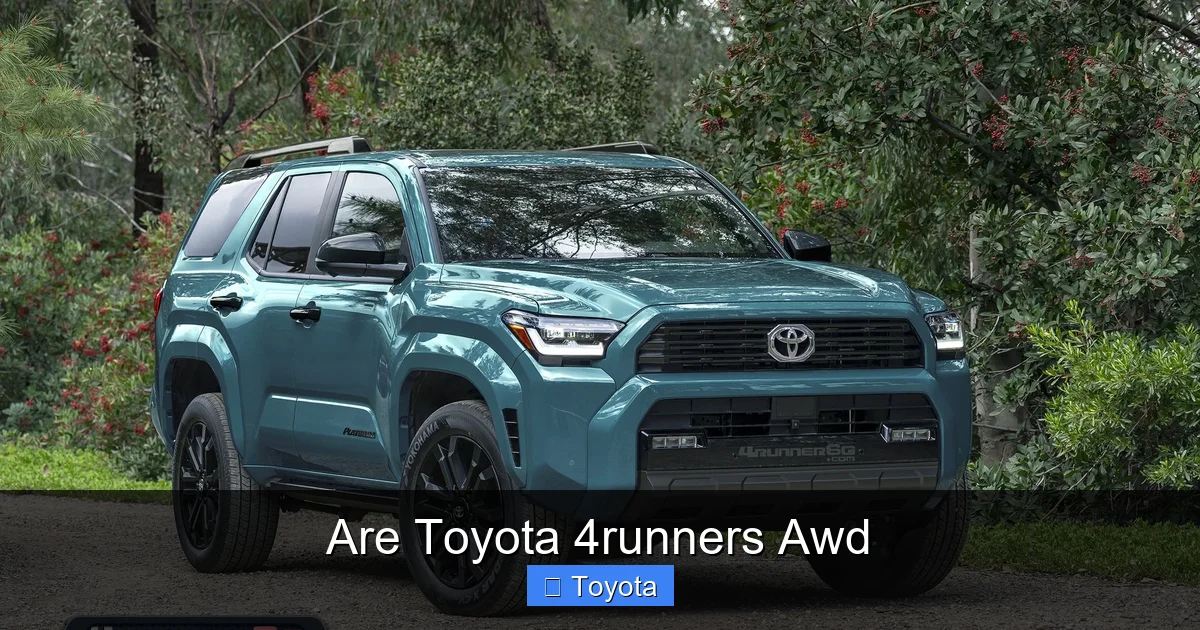
When you ask, “Are Toyota 4Runners AWD?” the short answer is yes—they come with a sophisticated all‑wheel‑drive system that delivers confidence on varied terrain. This guide breaks down how the system works, its real‑world benefits, and simple maintenance tips to keep your 4Runner ready for adventure.
Key Takeaways
- Yes, the Toyota 4Runner is equipped with AWD. It uses a part‑time system that engages when needed, giving you extra traction without sacrificing fuel economy.
- Understanding the difference between AWD and 4WD helps you choose the right setup for your driving style and climate.
- The AWD system is driven by a center differential that can shift torque up to 30% to the front or rear wheels for optimal grip.
- Real‑world benefits include improved handling in rain, snow, and mud, plus increased confidence when towing or carrying heavy loads.
- Regular maintenance—like checking fluid levels and sensor operation—ensures the system stays reliable for years.
- If you want a deeper dive, see Are Toyota 4Runners All Wheel Drive for detailed specifications.
- For a side‑by‑side comparison, check out Are Toyota 4Runners All Wheel Drive 2 to see how it stacks up against other SUVs.
📑 Table of Contents
Introduction: Are Toyota 4Runners AWD?
When you pull into a dealership lot or browse online listings, a common question pops up: Are Toyota 4Runners AWD? The answer is a confident yes. Toyota equips the 4Runner with a sophisticated all‑wheel‑drive system that blends everyday comfort with capable off‑road performance. If you’ve ever wondered whether you need a full‑time 4WD or if AWD will suffice for your weekend adventures, you’re not alone. For the full answer, see Are Toyota 4Runners All Wheel Drive. This article walks you through what AWD means on a 4Runner, how it works, and why it matters for drivers who face varying weather and road conditions.
What Sets the 4Runner Apart?
The 4Runner sits in Toyota’s mid‑size SUV lineup, offering a blend of rugged styling and practical functionality. Its standard AWD system is part‑time, meaning it defaults to rear‑wheel drive for normal driving and engages the front wheels only when needed. This design helps maintain fuel efficiency while providing extra traction when you hit rain, snow, or a loose gravel patch. The system is controlled by an electronic sensor that monitors wheel speed and steering input, deciding in milliseconds whether to send power to the front axle.
Why AWD Matters for Everyday Drivers
Even if you never venture onto a dirt trail, AWD can be a lifesaver on slippery city streets during winter. The 4Runner’s AWD is not a full‑time lock‑out like many 4WD systems, so you won’t notice a difference in handling on dry pavement. Yet, when you need extra grip, the system springs into action, giving you confidence that you won’t get stuck at an intersection or in a parking lot. This balance makes the 4Runner a versatile choice for families, adventure seekers, and anyone who lives in a region with unpredictable weather.
Understanding AWD vs. 4WD
Before we dive deeper into the mechanics, it’s helpful to clarify the difference between All‑Wheel‑Drive (AWD) and Four‑Wheel‑Drive (4WD). Both aim to improve traction, but they do so in different ways. If you want a deeper comparison, check out Are Toyota 4Runners All Wheel Drive 2. This section breaks down the key distinctions and explains why Toyota chose a part‑time AWD system for the 4Runner.

Visual guide about Are Toyota 4runners Awd
Image source: slashgear.com
AWD: The Light‑Weight Solution
AWD systems are typically lighter and more fuel‑efficient because they operate primarily in rear‑wheel mode. They automatically adjust torque distribution when wheels lose grip, making them ideal for everyday driving and light off‑road conditions. Most AWD vehicles, like the 4Runner, do not have a low‑range gear, which means they are not designed for serious rock crawling or deep mud.
4WD: The Heavy‑Duty Option
Four‑wheel‑drive systems are built for tougher terrain. They often feature two modes: high‑range for normal roads and low‑range for slow, technical driving. 4WD vehicles usually have a larger drivetrain, which can affect fuel economy and add weight. While many trucks and some SUVs offer selectable 4WD, the 4Runner sticks with AWD to keep the vehicle agile and economical.
When to Choose AWD Over 4WD
If you live in an area with occasional snow, occasional mud, or simply want extra confidence during sudden rainstorms, AWD is sufficient. It provides peace of mind without the complexity and fuel penalty of a full 4WD system. For most drivers, the 4Runner’s AWD delivers the right balance of capability and efficiency.
How the Toyota 4Runner AWD System Works
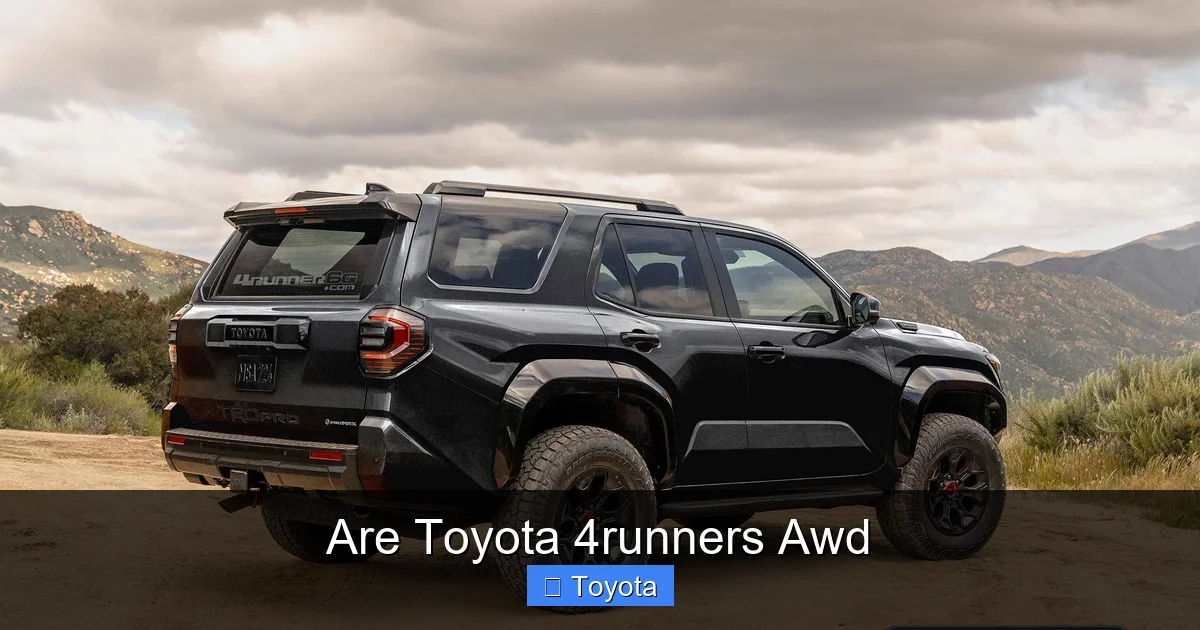
Understanding the inner workings of the AWD system helps you appreciate its reliability and know what to maintain. The 4Runner uses a center differential that can shift torque up to 30% to the front or rear wheels. This shifting happens automatically, based on sensor data from the wheels, steering angle, and throttle position. For a step‑by‑step guide on checking similar systems, read How To Check The AWD System On A Toyota Highlander.
Visual guide about Are Toyota 4runners Awd
Image source: 4runner6g.com
Key Components
- Center Differential: The heart of the AWD system, it distributes power between front and rear axles.
- Hydraulic Pump: Provides the pressure needed to engage the front wheels when slip is detected.
- Sensors: Wheel speed sensors, steering angle sensor, and throttle position sensor feed data to the Vehicle Stability Control (VSC) module.
- Electronic Control Unit (ECU): Processes sensor inputs and decides how much torque to send to each axle.
Operation in Real Time
When you start the engine, the system stays in rear‑wheel drive mode. As soon as the vehicle detects a loss of traction—perhaps a front wheel spinning on ice—the ECU signals the hydraulic pump to engage the front differential. This happens almost instantly, giving you extra grip. Once traction is restored, the system returns to rear‑only mode to preserve fuel economy.
Benefits of a Part‑Time AWD System
Because the 4Runner uses a part‑time AWD, you get the best of both worlds. Normal driving remains efficient, and the vehicle feels like a traditional RWD SUV. When you need extra traction, the system activates seamlessly, without any driver input. This “set‑and‑forget” approach is perfect for drivers who want capability without the hassle of switching modes.
Benefits of AWD in a 4Runner
The decision to equip the 4Runner with AWD isn’t just about off‑road bragging rights. It brings several practical advantages that affect daily driving, safety, and even resale value. Below are the most compelling reasons to keep the AWD system in mind when shopping for a 4Runner.

Visual guide about Are Toyota 4runners Awd
Image source: s1.cdn.autoevolution.com
Safety in Poor Weather
Studies show that vehicles with AWD have a lower chance of being involved in accidents during rain or snow. The 4Runner’s AWD system improves steering control and reduces the likelihood of skidding, giving you greater confidence on wet highways or snowy side streets.
Enhanced Towing Capability
If you frequently haul a boat, trailer, or heavy cargo, AWD provides better traction when you start moving. The extra grip helps prevent wheel spin, making hill starts smoother and reducing strain on the engine.
Better Handling on Gravel and Mud
Even a thin layer of gravel can destabilize a RWD vehicle. The 4Runner’s AWD automatically sends power to the wheels with more grip, keeping you steady and preventing sudden slides.
Increased Resale Value
SUV buyers often prioritize AWD for its versatility. A 4Runner with a functioning AWD system typically fetches a higher price on the used market because buyers know they’re getting a vehicle that can handle more conditions.
Peace of Mind for Adventure Seekers
Whether you’re planning a weekend camping trip or a scenic mountain drive, AWD gives you the confidence that you won’t be stranded by unexpected weather. The system’s quick response means you can focus on the scenery, not on worrying about losing traction.
Real‑World Performance and Driving Tips
Having a solid understanding of the system is only half the battle. Knowing how to use it effectively can maximize both performance and longevity. Here are some practical tips based on real‑world experience with the 4Runner’s AWD system.
Tip #1: Don’t Treat AWD as a License to Speed
Even with AWD, traction has limits. Aggressive acceleration on ice or snow will still lead to loss of control. Use AWD as a safety net, not as a reason to drive recklessly.
Tip #2: Keep the Tires Properly Inflated
Under‑inflated tires can cause the AWD system to work overtime, leading to premature wear. Check tire pressure monthly, especially before winter driving seasons.
Tip #3: Use Engine Brake When Descending
When tackling steep hills, downshifting or using the engine brake reduces reliance on the AWD system and preserves the hydraulic pump’s lifespan.
Tip #4: Listen for Unusual Noises
If you hear a whining noise when the front wheels engage, it could indicate a problem with the hydraulic pump or differential. Addressing issues early prevents costly repairs later.
Tip #5: Regular Fluid Checks
The AWD system uses a special hydraulic fluid that must stay clean and at the correct level. Consult your owner’s manual for the recommended service interval—usually every 30,000 miles.
Tip #6: Combine with Vehicle Stability Control (VSC)
The AWD system works hand‑in‑hand with VSC. Keep VSC turned on for optimal safety. Disabling VSC can reduce the effectiveness of the AWD’s traction control.
Maintenance and Longevity of the AWD System
Like any sophisticated component, the AWD system requires routine care to stay reliable. Neglecting maintenance can lead to reduced performance, higher fuel consumption, and expensive repairs. Below is a straightforward maintenance plan that will keep your 4Runner’s AWD system in top shape for years to come.
Daily Checks
- Observe the AWD Indicator Light: The dash should show a green or amber icon when AWD is active. If the light stays on constantly, investigate the cause.
- Listen for Whining: A brief whir when you start the engine is normal, but persistent noise may signal a pump issue.
Periodic Fluid Service
Replace the AWD hydraulic fluid according to Toyota’s schedule. Fresh fluid ensures smooth operation of the pump and reduces wear on the center differential. Many owners prefer to have this done at a Toyota dealership or a trusted independent shop.
Inspect the Driveshaft and U-Joints
The AWD system transfers power through the driveshaft and universal joints. Visual inspection for cracks or excessive play can prevent sudden failures.
Check Sensor Connections
Faulty wheel speed or steering sensors can cause the AWD system to misjudge traction. A quick scan with an OBD‑II reader can reveal any stored codes related to these sensors.
Professional Diagnostic Scans
Every 30,000–40,000 miles, have a certified technician run a full system diagnostic. This includes checking the ECU programming, pump pressure, and overall actuator performance.
When to Seek Service
If you notice any of the following, schedule a service appointment promptly:
- Persistent AWD warning light.
- Unusual noises during operation.
- Reduced fuel economy without an obvious cause.
- Difficulty accelerating or maintaining speed on dry pavement.
Conclusion
The answer to “Are Toyota 4Runners AWD?” is a resounding yes, and the AWD system they employ is a well‑balanced solution that blends everyday comfort with capable off‑road performance. By understanding how the system works, appreciating its benefits, and following a simple maintenance routine, you can enjoy confident driving in any weather condition. Whether you’re navigating city streets, tackling a rainy highway, or heading out on a weekend trail, the 4Runner’s AWD system is there to give you the traction you need without sacrificing fuel efficiency. Take care of the system, and it will take care of you for many miles and adventures to come.
Frequently Asked Questions
Is the Toyota 4Runner truly AWD or 4WD?
The 4Runner comes with an AWD system, not a full‑time 4WD. It defaults to rear‑wheel drive and engages the front wheels automatically when needed, providing extra traction without a low‑range gear.
How does the AWD system improve safety in bad weather?
By detecting wheel slip, the AWD system instantly sends torque to the wheels with grip, helping maintain steering control and reducing the chance of skidding on rain, snow, or ice.
Do I need to do anything special to activate AWD on a 4Runner?
No. The AWD system is fully automatic. You simply drive normally, and the system engages when it senses a loss of traction.
What maintenance is required for the AWD system?
Check the AWD warning light regularly, keep the hydraulic fluid at the proper level and replace it on schedule, and have the pump and differential inspected for wear during routine service.
Can I tow a trailer with a 4Runner’s AWD system?
Yes. The AWD system provides better traction when towing, which helps with hill starts and prevents wheel spin. Always respect the vehicle’s towing capacity and ensure the hitch and brakes are properly rated.
Does AWD affect fuel economy?
Because the system stays in rear‑wheel mode most of the time, the impact on fuel economy is minimal. You’ll notice only a slight decrease when the front wheels are engaged.