Is the Toyota 4.6 V8 a Good Engine?
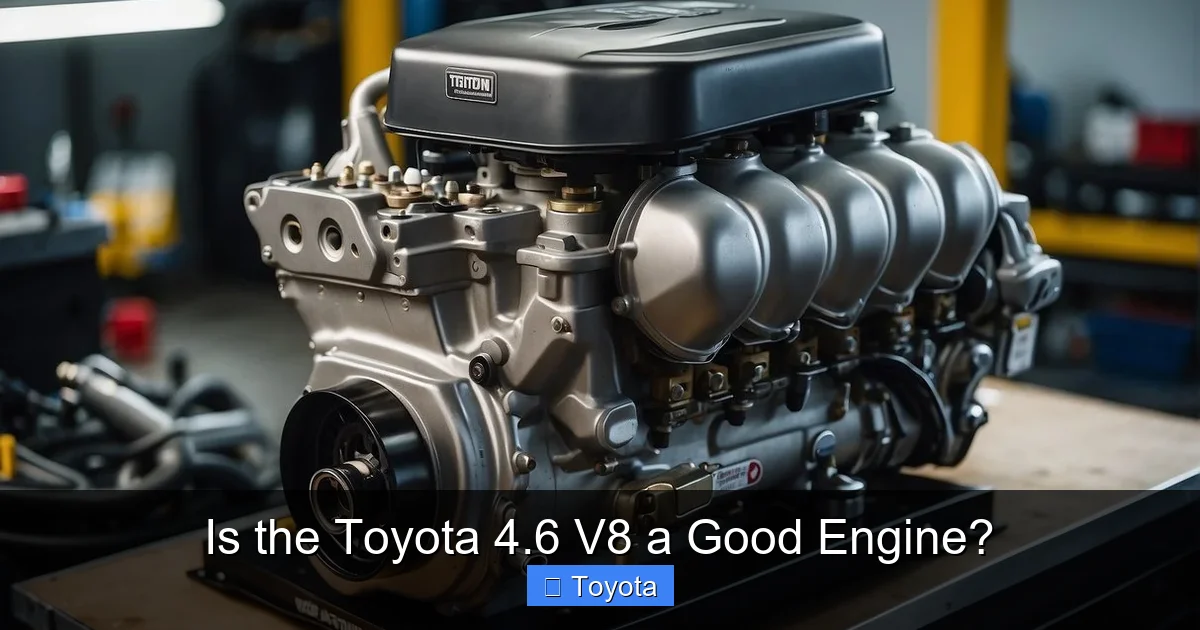
The Toyota 4.6 L V8 engine, found in luxury Lexus models, delivers smooth power and robust reliability but struggles with fuel efficiency. While it’s a dependable choice for comfort-focused drivers, its high maintenance costs and thirst for premium fuel make it less ideal for budget-conscious buyers.
Key Takeaways
- Reliability Champion: The 4.6 V8 is known for its durability and smooth operation, making it a trusted engine in Lexus luxury vehicles.
- Power Delivery: Offers a balanced blend of horsepower and torque, ideal for confident highway and city driving.
- Fuel Concerns: Its fuel economy lags behind modern engines, especially compared to newer hybrid or turbocharged alternatives.
- Common Issues: Oil consumption and timing chain wear are frequent complaints among owners, requiring vigilant maintenance.
- Suitable for Luxury, Not Efficiency: Best suited for drivers prioritizing comfort over fuel savings, particularly in older Lexus models.
- Cost Considerations: Maintenance and parts can be expensive, though its longevity often justifies the investment for enthusiasts.
- Maintenance Matters: Regular oil changes and careful break-in periods are critical to prolonging its lifespan.
📑 Table of Contents
Introduction
When it comes to Toyota engines, the name “4.6 V8” often sparks debates among car enthusiasts. While Toyota is renowned for its reliable inline-4 engines, the 4.6 L V8 represents a different story—one of luxury, power, and some quirks. This engine, primarily found in Lexus luxury sedans like the LS 460 and GS 460, promises a refined driving experience but comes with its own set of challenges. So, is the Toyota 4.6 V8 a good engine? Let’s dive into its performance, reliability, and real-world viability to help you decide.
Performance and Power: A Smooth Operator
The Toyota 4.6 L V8, officially designated as the 3UZ-FE, is a 32-valve, aluminum engine producing around 380 horsepower and 370 lb-ft of torque. What makes it stand out is its linear power delivery. Unlike turbocharged engines that surge suddenly, this V8 provides consistent acceleration, making it ideal for highway merging and confident passing. Its naturally aspirated design emphasizes smoothness over raw power, a hallmark of Lexus engineering.
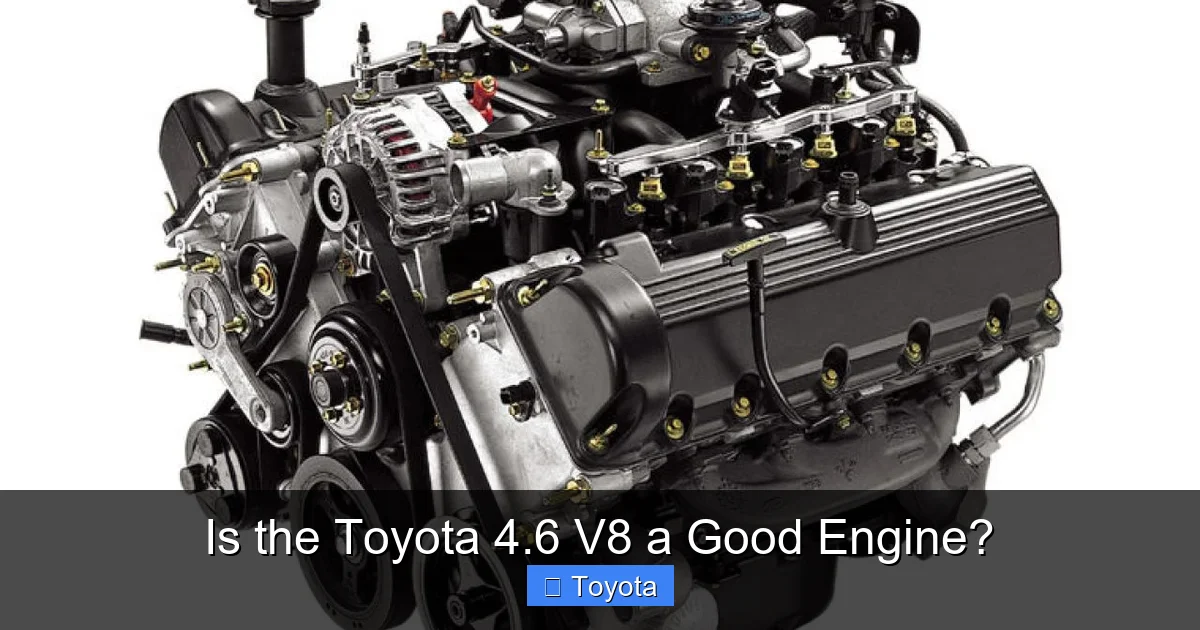
Visual guide about Is the Toyota 4.6 V8 a Good Engine?
Image source: fordauthority.com
Real-World Driving Experience
On the road, the 4.6 V8 feels refined. It’s not a track monster, but it handles everyday driving with ease. In the LS 460, for example, the engine’s quiet hum complements the car’s plush interior, creating a serene cabin environment. However, its peak power comes at higher RPMs, so aggressive driving might feel underwhelming compared to modern competitors like the Ford F-150’s EcoBoost engines.
Reliability and Longevity: Built to Last
One of the most praised aspects of the Toyota 4.6 V8 is its reliability. Toyota’s reputation for durability shines through here, with many owners reporting over 200,000 miles with proper care. The engine’s robust construction, including a forged steel crankshaft and durable pistons, contributes to its longevity. However, like any engine, it’s not immune to wear and tear.
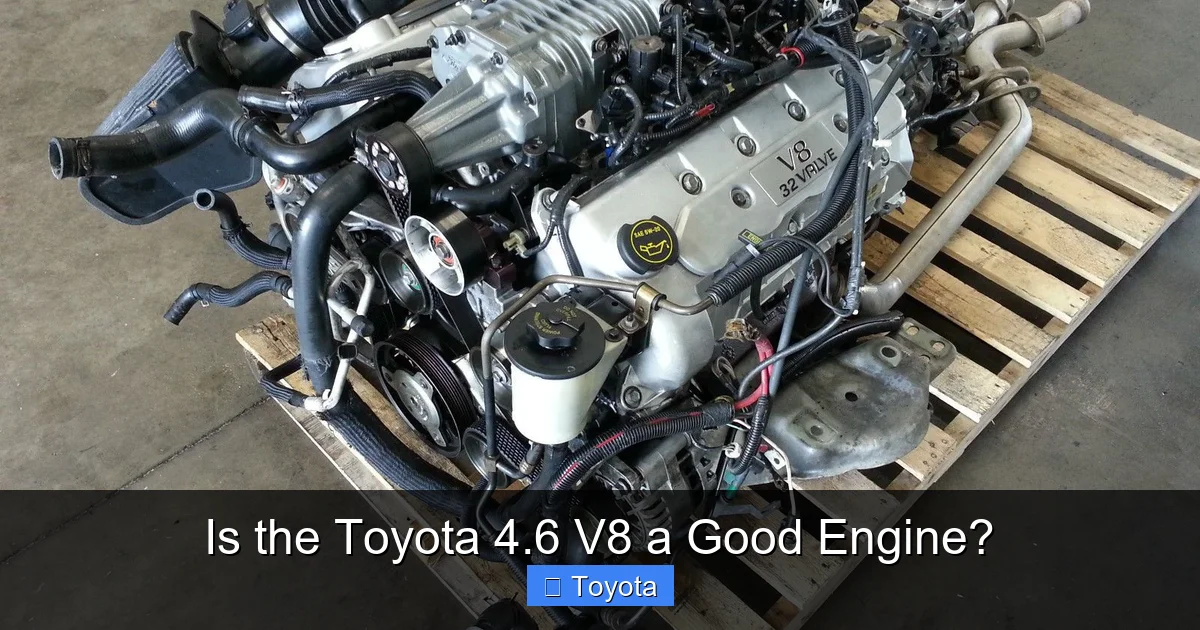
Visual guide about Is the Toyota 4.6 V8 a Good Engine?
Image source: i.pinimg.com
Common Wear Points
- Timing Chain Tensioners: These can fail over time, leading to noisy operation or, in rare cases, catastrophic damage if neglected.
- Oil Consumption: Some models experience higher-than-expected oil usage, especially as they age. Regular monitoring is essential.
- Valve Cover Gaskets: Leaks can occur, requiring replacements every 60,000–80,000 miles.
To maintain its reliability, sticking to premium 5W-30 synthetic oils and following strict service intervals is crucial. These oils offer better protection against sludge and wear, extending the engine’s lifespan.
Fuel Efficiency and Real-World Use
Let’s address the elephant in the room: fuel economy. The 4.6 V8’s thirst is its Achilles’ heel. EPA estimates range from 16–18 mpg in the city and 24–26 mpg on the highway, depending on the model. For a luxury sedan, this is acceptable, but it’s a stark contrast to newer hybrid systems or downsized turbo engines.
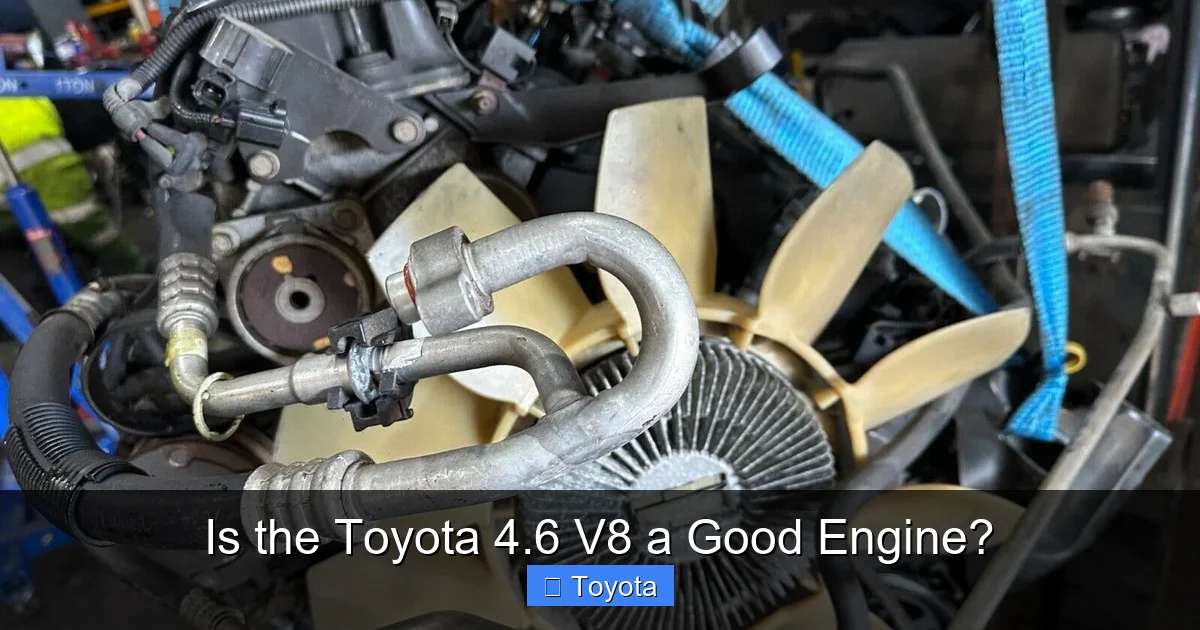
Visual guide about Is the Toyota 4.6 V8 a Good Engine?
Image source: files.ekmcdn.com
Driving Habits Matter
City driving can drop fuel efficiency significantly due to frequent stops and idling. Conversely, highway cruising maximizes efficiency. For those prioritizing fuel savings, this engine might feel like a step backward. That said, its smooth power delivery compensates for some of the inefficiency, making it a comfortable choice for long road trips.
Common Problems and Maintenance
While the 4.6 V8 is reliable, certain issues crop up consistently among owners. Understanding these can help you avoid costly repairs.
Oil Consumption and Leaks
High oil usage is a recurring complaint, often linked to worn piston rings or valve guides. If you notice your oil level dropping frequently, address it promptly. Similarly, oil leaks from the valve cover gaskets or oil pan can lead to low levels and engine damage.
Timing Chain Maintenance
The timing chain tensioner is a known weak point. A failing tensioner can cause the chain to slacken, risking interference with engine components. Regular inspections and replacing the tensioner every 100,000 miles can prevent this issue.
Breaking In a New Engine
If you’re considering a used Lexus with this engine, understanding its history is vital. For new or rebuilt engines, following a proper break-in procedure is critical. Avoid high RPMs and sudden acceleration during the first 1,000 miles to protect internal components.
Cost of Ownership and Value
The Toyota 4.6 V8 isn’t cheap to maintain. Parts and labor costs are higher than for smaller engines, and specialist mechanics familiar with Lexus models may be required. However, its longevity often justifies the expense. A well-maintained 4.6 V8 can outlast many modern engines, offering years of trouble-free service.
Resale Value and Market Considerations
Used Lexus models equipped with this engine tend to hold their value better than non-luxury brands. However, buyers should check for signs of neglect, such as oil leaks or timing chain noise. A pre-purchase inspection can reveal hidden issues. For those on a budget, consider models like the 2007–2010 GS 460, which offer a balance of affordability and reliability.
Is It Worth It? The Verdict
After weighing all factors, the Toyota 4.6 V8 is a good engine for specific drivers. If you prioritize comfort, smooth power, and are willing to invest in maintenance, it’s a solid choice. However, for those focused on fuel savings or low upkeep costs, modern alternatives like Toyota’s hybrid systems or smaller displacement engines might be better. The key is aligning the engine’s strengths with your priorities.
Conclusion
The Toyota 4.6 V8 isn’t perfect, but it’s a testament to Toyota’s engineering prowess when properly cared for. Its blend of reliability and refined performance makes it a standout in the luxury segment, despite its fuel-hungry nature. For Lexus enthusiasts or those seeking a durable V8, this engine remains a worthy contender. Just remember: treat it right, and it’ll reward you with years of dependable service.
Frequently Asked Questions
What is the Toyota 4.6 V8 engine used for?
The Toyota 4.6 L V8, or 3UZ-FE, is primarily found in luxury Lexus models like the LS 460, GS 460, and IS 460. It delivers smooth power and is known for its reliability in these high-end sedans.
How long does a Toyota 4.6 V8 engine last?
With proper maintenance, the 4.6 V8 can last over 200,000 miles. However, neglect can lead to issues like timing chain wear or oil leaks, shortening its lifespan.
Is the 4.6 V8 fuel-efficient?
Not compared to modern engines. Expect around 16–18 mpg city and 24–26 mpg highway. Its thirst is a trade-off for the smooth power delivery it provides.
What are common problems with the 4.6 V8?
Oil consumption, timing chain tensioner failures, and valve cover gasket leaks are frequent issues. Regular maintenance, including oil changes and inspections, can mitigate these risks.
Is the 4.6 V8 worth buying in a used Lexus?
Yes, if you prioritize reliability and smooth driving. Check for signs of wear like oil leaks or timing chain noise. Models like the 2007–2010 GS 460 offer good value.
Can I use regular oil in the 4.6 V8?
While possible, using premium 5W-30 synthetic oil is recommended for optimal performance and longevity. It better protects against sludge and wear.
=== END OF ARTICLE ===