Will Toyota 6-lug Wheels Fit Chevy?
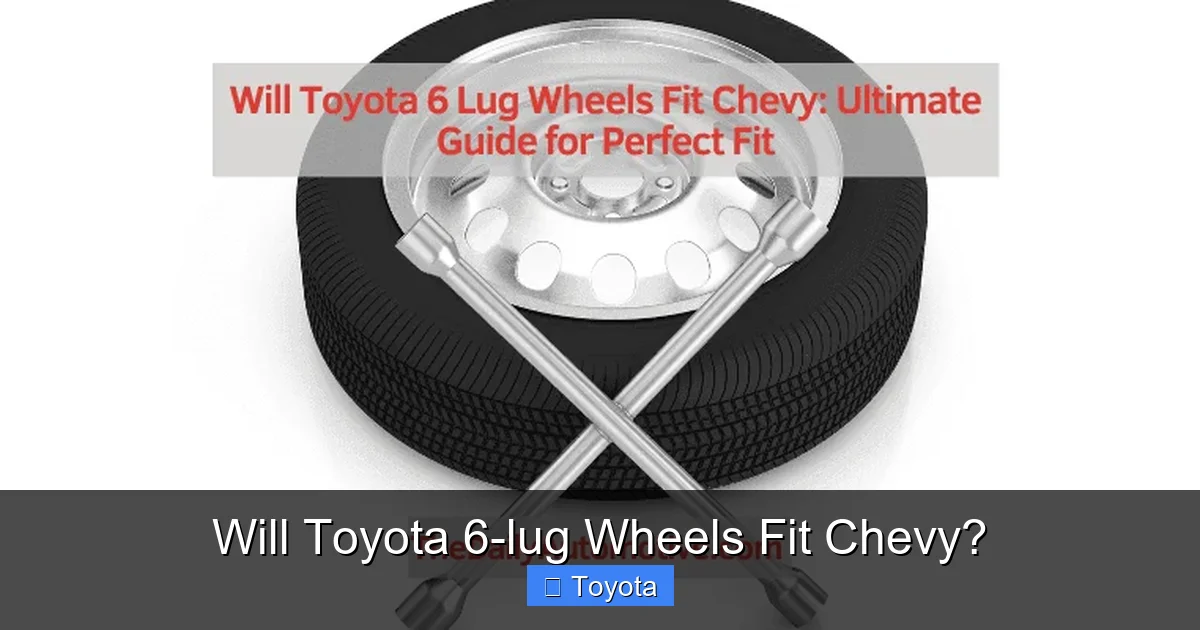
Will Toyota 6-lug Wheels Fit Chevy? The short answer is sometimes, depending on bolt pattern, center bore, and offset compatibility. While both brands use 6-lug configurations, differences in specifications can prevent a direct fit. Always verify measurements and consider modifications like hub-centric rings or spacers for safe installation.
When it comes to customizing your Chevy truck with wheels from a Toyota, the question of compatibility is common. Enthusiasts often seek to upgrade their ride with rugged, off-road-ready wheels from Toyota’s lineup, especially models like the Tundra or Tacoma. However, simply swapping wheels between brands isn’t always straightforward. The key to success lies in understanding the technical specifications that determine fitment: bolt patterns, center bore sizes, and wheel offset. This guide will walk you through everything you need to know about whether Toyota 6-lug wheels can fit your Chevy, including potential challenges and solutions.
Key Takeaways
- Check Bolt Patterns First: Toyota and Chevy 6-lug wheels may have different bolt patterns (e.g., 6×139.7mm vs. 6x127mm), making them incompatible without adapters.
- Center Bore Matters: Even with matching bolt patterns, mismatched center bores require hub-centric rings to prevent wobble and ensure safety.
- Beware of Offset Differences: Incorrect wheel offset can cause rubbing or suspension issues, affecting performance and clearance.
- Verify Vehicle-Specific Specs: Always consult manufacturer data for your specific Toyota and Chevy model to confirm compatibility.
- Consider Professional Installation: Improper fitment can damage wheels, tires, or vehicle components—consult experts for complex swaps.
📑 Table of Contents
The Bolt Pattern Puzzle: A Critical First Step
The first and most important factor in determining wheel compatibility is the bolt pattern. This measurement defines how many lug nuts the wheel uses and their spacing. For example, a 6×139.7mm bolt pattern means six lug holes spaced 139.7 millimeters apart. While both Toyota and Chevy trucks often use 6-lug configurations, the spacing and diameter can vary significantly between models.
Toyota’s heavy-duty trucks, such as the Tundra, typically feature a 6×139.7mm bolt pattern. Meanwhile, many Chevrolet trucks, like the Silverado 1500, also use this measurement. However, some Chevy models, such as the Colorado or older Silverado variants, might use a 6x127mm pattern. If the Toyota wheel’s bolt pattern doesn’t match your Chevy’s hub, the wheels won’t screw on properly. Attempting to force them on could damage the wheel or hub, leading to dangerous driving conditions.
Why Matching Bolt Patterns Isn’t Enough
Even if two wheels share the same bolt pattern, other factors can still cause issues. For instance, the thread pitch (the distance between threads on the lug bolts) must also align. If your Chevy’s lug bolts are M14x1.5 and the Toyota wheels are designed for M12x1.5, the threads won’t engage correctly. Always double-check these specifications with a thread gauge or your vehicle’s manual.
Center Bore: The Unsung Hero of Wheel Fitment
Visual guide about Will Toyota 6-lug Wheels Fit Chevy?
Image source: aautomotives.com
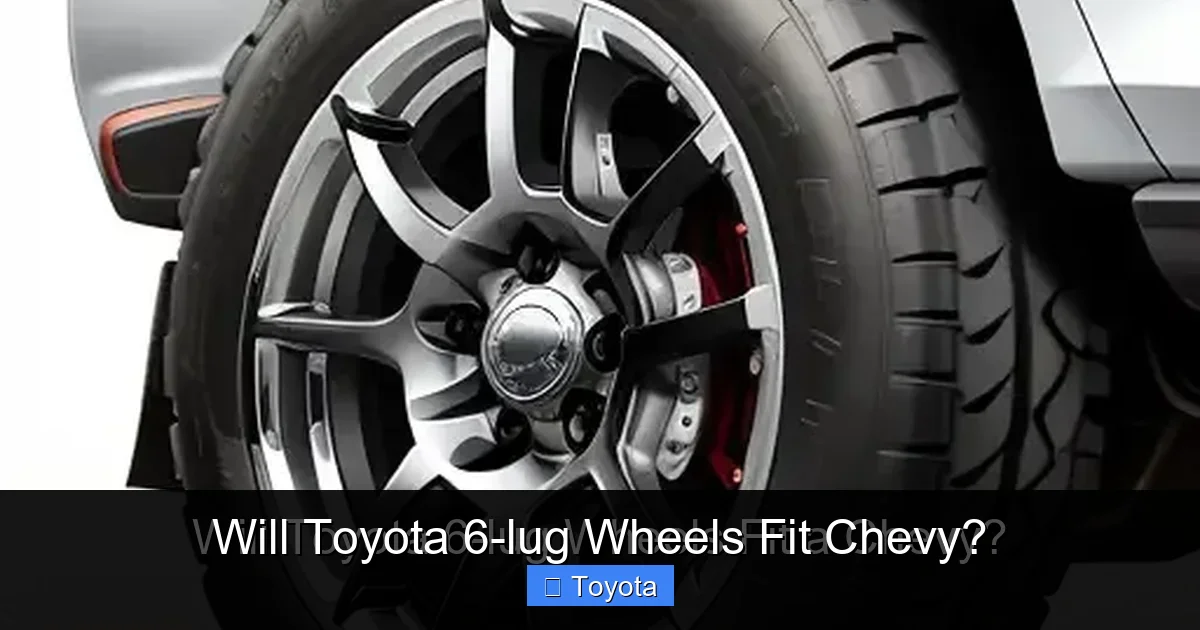
The center bore is the hole in the wheel’s center that fits over the vehicle’s hub. A mismatch here can lead to vibration, uneven tire wear, or even wheel detachment. Unlike bolt patterns, center bore sizes are brand- and model-specific, making cross-brand compatibility tricky.
Toyota wheels often have a smaller center bore than Chevrolet hubs. For example, a Toyota Tundra might use a 112mm center bore, while a Chevy Silverado could require 115mm. This discrepancy means Toyota wheels won’t sit flush on a Chevy hub without additional components.
Hub-Centric Rings: A Necessary Fix
To bridge this gap, you’ll need hub-centric rings—thin plastic or metal adapters that create a snug fit between the wheel and hub. These rings ensure the wheel is centered properly, preventing the wobble and stress that come with misalignment. However, they’re not a permanent solution. Over time, rings can degrade, so choosing high-quality materials is crucial. Always install rings with care, ensuring they’re seated evenly and securely.
Wheel Offset and Backspacing: Avoiding the Rub Zone
Visual guide about Will Toyota 6-lug Wheels Fit Chevy?
Image source: aautomotives.com
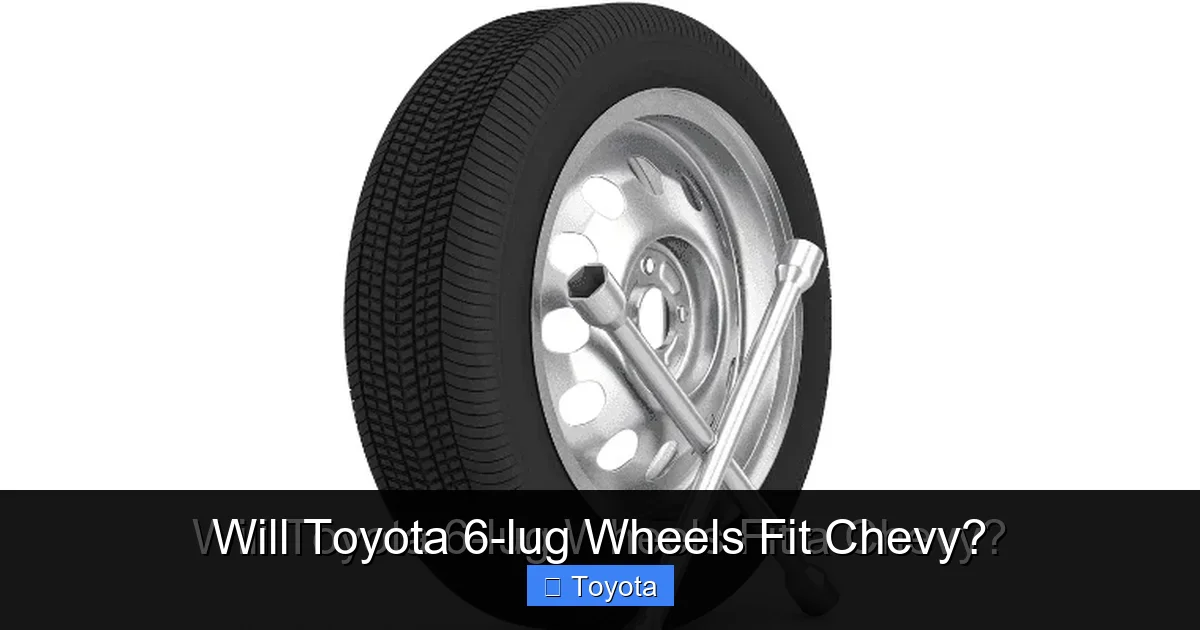
Wheel offset—the distance between the wheel’s mounting surface and its centerline—plays a critical role in fitment. A positive offset means the mounting surface is toward the front of the wheel, while a negative offset places it at the back. Incorrect offset can cause wheels to rub against fenders, suspension components, or the wheel well, especially when turning or loading the vehicle.
Chevy trucks often have a specific offset range to maintain clearance and aesthetics. If a Toyota wheel’s offset differs significantly, you might need spacers or wheels with adjustable offset to achieve a proper fit. Spacers push the wheel outward, increasing clearance, but they can also stress the wheel studs and bearings over time. Always measure the distance between the wheel and nearby components before installing.
Real-World Example: Tundra Wheels on a Silverado
Let’s say you’re trying to install Toyota Tundra 6×139.7mm wheels on a 2021 Chevrolet Silverado 1500. The bolt pattern matches, but the center bore is smaller. You’d need hub-centric rings to fill the gap. However, if the Tundra wheels have a more aggressive offset (e.g., +45mm vs. the Silverado’s stock +35mm), they might rub against the fender when fully turned. To resolve this, you could use a 1-inch spacer to push the wheel outward, ensuring clearance while maintaining a safe distance from the suspension.
Practical Compatibility Check: Step-by-Step Guide
Visual guide about Will Toyota 6-lug Wheels Fit Chevy?
Image source: aautomotives.com
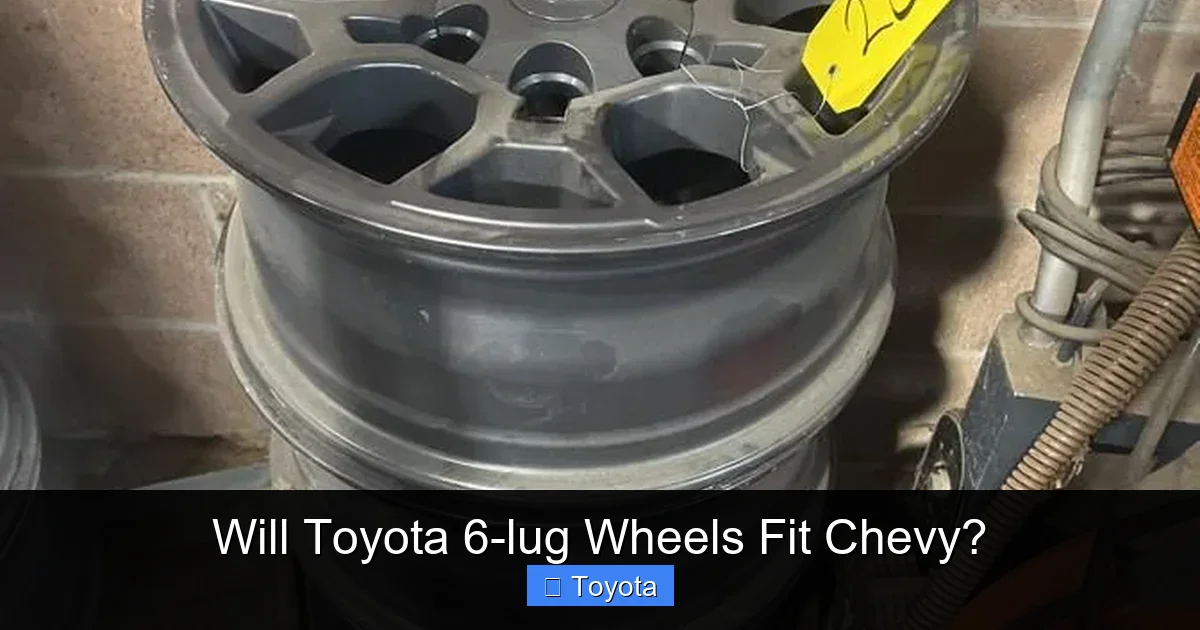
Before committing to a wheel swap, follow these steps to verify compatibility:
- Measure Your Chevy’s Bolt Pattern: Use a tape measure or caliper to determine the exact number and spacing of lug holes. Compare this to the Toyota wheel’s specifications.
- Check the Center Bore: Remove a wheel and measure the hub’s diameter. If it differs from the Toyota wheel’s bore, purchase hub-centric rings.
- Assess Wheel Offset: Consult your Chevy’s owner manual for recommended offset ranges. Test-fit the wheel (without mounting) to spot potential rubbing issues.
- Verify Weight Capacity: Ensure the Toyota wheel can handle your Chevy’s load. Overloading can lead to structural failure.
- Consult a Professional: If unsure, visit a tire shop or wheel specialist. They can perform a fitment test and advise on necessary modifications.
Case Study: When It Works (and When It Doesn’t)
Consider a scenario where a 2019 Toyota 4Runner’s 6×139.7mm wheels are being installed on a 2019 Chevy Tahoe. Both vehicles share the same bolt pattern, but the Tahoe’s center bore is larger (115mm vs. 4Runner’s 112mm). With hub-centric rings, the fitment works seamlessly. Additionally, the Tahoe’s suspension allows for a slightly wider wheel track, so the 4Runner wheels (with a +35mm offset) align perfectly without rubbing.
In contrast, attempting to fit 2020 Toyota Tacoma 6x127mm wheels on a 2020 Chevy Silverado 1500 (which uses 6×139.7mm) would fail immediately. The bolt patterns don’t match, and adapters would be required, increasing the risk of failure under load. Even with adapters, the center bore mismatch and potential offset issues make this combination unsafe.
Final Thoughts: Proceed with Caution
While the allure of rugged Toyota wheels for your Chevy is understandable, compatibility isn’t guaranteed. The safest approach is to match bolt patterns, center bores, and offsets precisely. When discrepancies exist, use hub-centric rings or spacers cautiously, and prioritize professional installation. For those seeking a seamless upgrade, consider Chevrolet’s own wheel options, such as the heavy-duty F-150-style wheels or accessories like all-terrain tires designed for off-road performance.
If you’re still unsure, reach out to a local tire shop. They can provide firsthand insights into fitment challenges and help you avoid costly mistakes. Remember, the right wheel is more than aesthetics—it’s about safety, performance, and longevity.
FAQs
Can I use Toyota wheels on my Chevy without any modifications?
Usually not. Even if the bolt pattern matches, differences in center bore size or offset often require hub-centric rings or spacers. Always verify specifications before installing.
Are 6×139.7mm wheels interchangeable between Toyota and Chevy?
They can be if all other specs align (center bore, offset, weight capacity). However, Chevy’s hub-centric ring requirements may necessitate additional components for a secure fit.
What happens if I install incompatible wheels?
Mismatched wheels can cause vibrations, uneven tire wear, or dangerous failure modes. In extreme cases, wheels may detach while driving, risking accidents or damage to your vehicle.
Do I need special tools to install Toyota wheels on my Chevy?
Basic tools like a torque wrench and lug nut socket are sufficient, but hub-centric rings or spacers may require additional hardware. Professional installation is recommended for complex swaps.
Will changing wheels affect my Chevy’s warranty?
Installing non-OEM wheels could void warranties if modifications cause damage. Always consult your Chevrolet dealer before making alterations.
How can I ensure the wheels won’t rub?
Test-fit the wheels without mounting them. Turn the steering wheel fully left and right to check for clearance. Adjust offset or use spacers if rubbing occurs.
Frequently Asked Questions
What is Will Toyota 6-Lug Wheels Fit Chevy??
Will Toyota 6-Lug Wheels Fit Chevy? is an important topic with many practical applications.