Where Is the Tpms Reset Button on Toyota Camry?

Locating the TPMS reset button on your Toyota Camry is crucial for ensuring accurate tire pressure monitoring. This article explains exactly where to find the button and how to reset the system properly, with tips for different Camry models.
Key Takeaways
- Button Location Varies by Model: The TPMS reset button can be under the steering wheel, in the glove compartment, or near the driver’s side door, depending on your Camry’s year and trim.
- Reset After Tire Changes: Always reset TPMS after installing new tires or adjusting pressure to avoid false alerts.
- Don’t Ignore the TPMS Light: A lit TPMS light could indicate low pressure, a faulty sensor, or a need for reset.
- Manual vs. Electronic Reset: Some models require a physical button press, while others need a scan tool for a full reset.
- Sensor Maintenance Matters: Regularly check TPMS sensors for damage or corrosion to ensure they function correctly.
- Safety First: Driving with an active TPMS light increases risks of blowouts or poor fuel efficiency.
📑 Table of Contents
Understanding TPMS in Your Toyota Camry
TPMS stands for Tire Pressure Monitoring System, a safety feature in modern vehicles like the Toyota Camry. It monitors tire pressure in real time and alerts you if pressure drops below a safe threshold. Ignoring TPMS warnings can lead to reduced fuel efficiency, compromised handling, or even tire failure. Knowing where the TPMS reset button is on your Camry is essential for maintaining this system’s effectiveness.
What Does TPMS Do?
TPMS works by using sensors in each tire to measure pressure. If a sensor detects underinflation, it sends a signal to the car’s computer, which then illuminates a warning light on the dashboard. This system is mandated by law in many countries to improve road safety. However, TPMS sensors can fail, batteries can die, or pressure can fluctuate, requiring a reset to clear false alarms or recalibrate the system after maintenance.
Where Is the TPMS Reset Button on a Toyota Camry?
Finding the TPMS reset button might seem daunting, but it’s usually located in a few common places. The exact position depends on your Camry’s model year, trim level, and whether it’s equipped with a manual or electronic reset feature. Let’s break down where to look.
Common Locations for the TPMS Reset Button
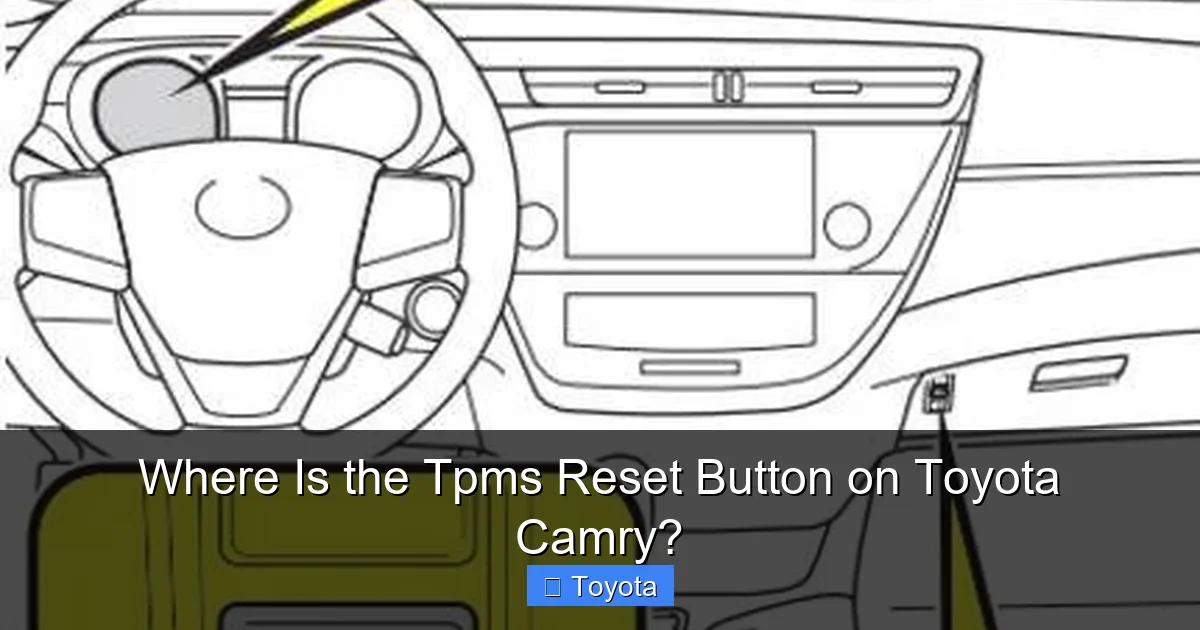
- Under the Steering Wheel: Many 2010s and newer Camry models place the reset button near the center console, often behind a small cover or within the steering wheel’s hub. Press and hold it for a few seconds to trigger a reset.
- In the Glove Compartment: Some older models or specific trims hide the button in the glove box. Check there if you don’t find it elsewhere.
- Near the Driver’s Side Door: In certain configurations, the button might be located in a panel by the driver’s side door. Look for a small, labeled button or a series of buttons labeled “TPMS.”
Model-Specific Variations
Toyota Camry models from 2010 to 2023 have different layouts. For example, the 2020 Camry LE might have the button under the steering wheel, while the 2015 Camry XLE could place it in the glove compartment. Always refer to your owner’s manual for precise details, but here are some general guidelines:
- 2010-2015 Models: Often found in the glove compartment or near the driver’s side door.
- 2016-2020 Models: Typically under the steering wheel or in the center console.
- 2021-2023 Models: May require a scan tool for a full reset, especially if equipped with advanced TPMS features.
How to Reset TPMS on Your Toyota Camry
Once you’ve located the TPMS reset button, the process is usually straightforward. However, the steps can vary slightly depending on your Camry’s configuration. Let’s walk through the general procedure and some model-specific tips.
Visual guide about Where Is the Tpms Reset Button on Toyota Camry?
Image source: seventrumpet.com
Step-by-Step Reset Process
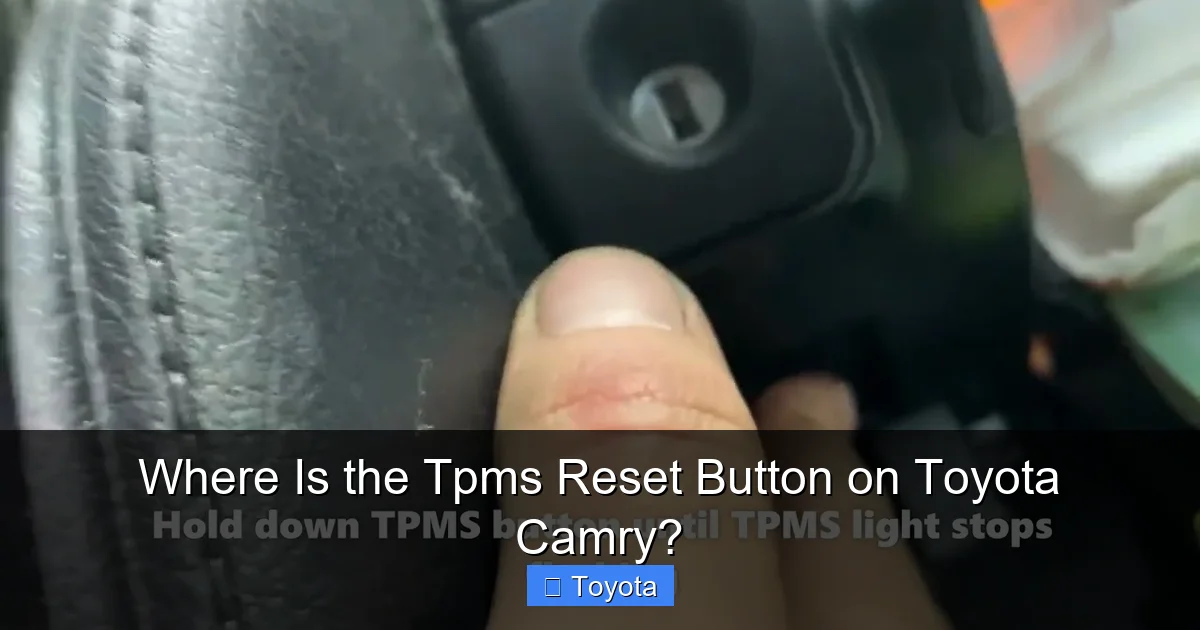
- Press the Button: Locate the TPMS reset button and press it firmly. Hold it for 10-15 seconds until the TPMS light on the dashboard flashes or turns off.
- Drive the Vehicle: After pressing the button, drive your Camry at speeds above 30 mph for 10-15 minutes. This allows the system to recalibrate based on actual tire pressure.
- Check the Light: If the TPMS light remains on, repeat the process or check for sensor issues.
Model-Specific Tips
Some Camry models require a more technical reset. For instance, the 2022 Camry XLE might need a diagnostic scan tool to reset the TPMS after sensor replacement. If your car doesn’t respond to the manual button, consult your manual or a dealership for guidance. Additionally, if you’ve recently changed tires or added a spare, resetting TPMS is mandatory to ensure accurate readings.
Common Issues and Troubleshooting
Even after resetting, you might encounter problems with your TPMS. Understanding these issues can save you time and money.
Visual guide about Where Is the Tpms Reset Button on Toyota Camry?
Image source: i.ytimg.com
TPMS Light Stays On After Reset
If the TPMS light doesn’t turn off after resetting, it could indicate a faulty sensor, low battery in a sensor, or a wiring issue. Check each tire’s pressure manually and inspect sensors for damage. If the problem persists, consider replacing the sensor or using a TPMS reset tool.
False Alerts After Tire Pressure Adjustments
Sometimes, TPMS sensors give false alerts after you inflate or deflate tires. A manual reset usually fixes this, but ensure all tires are at the recommended pressure (found in your Camry’s door jamb sticker or manual).
When to Seek Professional Help
While resetting TPMS is often a DIY task, some situations require a professional’s expertise.
Signs You Need a Mechanic
- Persistent TPMS Light: If the light remains on after multiple resets, a mechanic can diagnose sensor failures.
- Sensor Replacement: If a sensor is damaged or its battery is dead, a professional can replace it correctly.
- Advanced TPMS Systems: Newer Camry models with complex TPMS setups may need a dealership’s diagnostic tools.
Maintenance Tips for TPMS Longevity
Proper maintenance ensures your TPMS system lasts and functions reliably.
Regular Checks and Resets
Check tire pressure monthly and reset TPMS whenever you add or remove air. This prevents unnecessary alerts and extends sensor life. Also, replace TPMS sensors every 5-7 years, as battery life is limited.
Protect Sensors from Damage
Avoid running over curbs or potholes that could crack sensors. If you install aftermarket tires or wheels, ensure TPMS sensors are compatible with your Camry’s system.
Conclusion
Knowing where the TPMS reset button is on your Toyota Camry is a small but vital skill for maintaining vehicle safety and efficiency. Whether your button is under the steering wheel or in the glove compartment, following the correct reset procedure can prevent costly repairs and ensure your tires perform optimally. If you’re ever unsure, refer to your owner’s manual or seek professional help. With proper care, your TPMS system will keep you safe on the road for years to come.
Frequently Asked Questions
Where exactly is the TPMS reset button on a Toyota Camry?
The TPMS reset button is typically found under the steering wheel, in the glove compartment, or near the driver’s side door. The exact location varies by model year and trim, so check your owner’s manual for specifics.
Can I reset TPMS without a scan tool?
Yes, most Camry models allow a manual reset by pressing and holding the TPMS button for 10-15 seconds. However, newer models with advanced TPMS may require a scan tool for a full reset.
Why won’t my TPMS light turn off after resetting?
If the light stays on, it could indicate a faulty sensor, low sensor battery, or a need for further calibration. Check each tire’s pressure and consider replacing sensors if the issue persists.
How often should I reset my TPMS?
Reset TPMS whenever you change tires, add or remove air, or after driving at high speeds for 10-15 minutes post-reset. Regular resets ensure accurate pressure readings.
Is it safe to drive with the TPMS light on?
No, driving with the TPMS light on increases risks of underinflated tires, which can lead to blowouts or reduced handling. Address the issue promptly.
Do I need to replace TPMS sensors every few years?
Yes, TPMS sensors have limited battery life (typically 5-7 years). Replace them proactively to avoid sudden failures and ensure system reliability.
=== INTERNAL LINKS ===
For more on maintaining your Toyota Camry, check out how much does a Toyota Camry weigh to understand vehicle specifications. If you’re looking to upgrade your battery system, explore top batteries for 2009 Camry. For TPMS sensor maintenance, consider portable battery chargers to keep sensors powered.