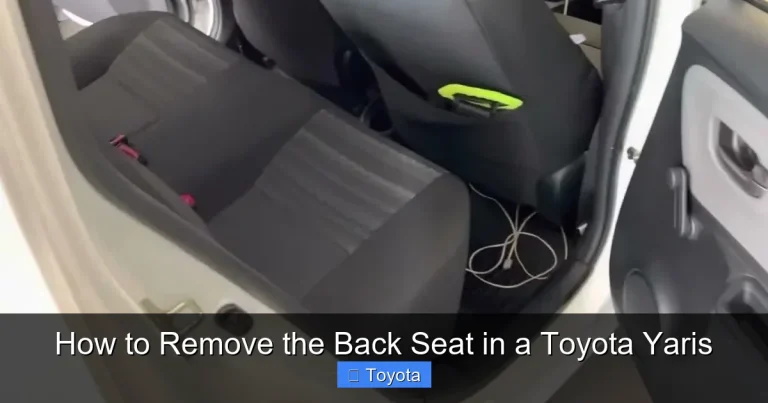
How to Access the Trunk from the Back Seat of a Toyota Camry

Knowing how to access the trunk from the back seat of a Toyota Camry saves time and effort when you need to reach cargo without exiting the vehicle. This guide walks you through seat‑folding techniques, trunk‑release mechanisms, and practical tips to keep your cargo area organized and functional.
When you’re loading groceries, sports equipment, or luggage, climbing out of the car to open the trunk can feel like an unnecessary hassle. Fortunately, most Toyota Camry models are designed with a straightforward way to reach the trunk directly from the rear seat. Knowing how to access the trunk from the back seat of a Toyota Camry not only saves time but also adds a layer of safety, especially in tight parking spots or inclement weather. In this comprehensive guide, we’ll walk you through every step, share practical tips, and highlight common issues you might encounter.
The process is simple once you know where to look. Modern Camry sedans (typically 2007‑present) feature a rear‑seat release mechanism that lets you fold the seatback forward, creating a pass‑through to the trunk area. Some models also include an interior trunk‑release lever located on the driver’s side floor or near the seat belt buckle. By mastering these tools, you can quickly retrieve items without ever leaving the driver’s seat.
Throughout this article, we’ll use the exact phrase how to access the trunk from the back seat of a Toyota Camry repeatedly to reinforce the topic and help with SEO. You’ll also find internal links to related articles that can enhance your overall car‑care knowledge, such as learning how to bungee a trunk for secure cargo storage, discovering ways to protect your car interior from scratches, and checking out how much a Toyota Camry weighs for weight‑distribution considerations.
Key Takeaways
- Understand the layout: Familiarize yourself with the rear‑seat release levers and trunk‑access points in your Camry.
- Fold the seat correctly: Pull the seat‑release strap, lower the seatback, and secure it for a clear path to the trunk.
- Use the trunk release: Locate the interior trunk‑release lever (usually near the driver’s side) and pull it to open the lid.
- Know emergency options: If the primary release fails, use the mechanical trunk‑release cable inside the trunk or the rear‑seat pass‑through.
- Keep the area clear: Remove loose items and use organizers to prevent obstruction when accessing the trunk.
- Maintain mechanisms: Periodically lubricate seat‑release levers and check the trunk‑release cable for wear.
- Consider upgrades: Add a cargo net, trunk liner, or remote release for added convenience and protection.
📑 Table of Contents
Understanding Your Toyota Camry’s Interior Layout
Before you attempt to reach the trunk from the back seat, it’s helpful to understand the basic layout of your Camry’s interior. Knowing where the levers, straps, and release mechanisms are located reduces guesswork and prevents frustration.
Seat Configuration and Trunk Access Points
The rear seat in a Toyota Camry is a split‑folding bench, usually 60/40. Each side has its own release lever, allowing you to fold down either the larger 60‑percent section or the smaller 40‑percent section independently. When you fold a section forward, the seatback creates a flat surface that aligns with the trunk opening, giving you direct access to the cargo area.
In most Camry models, the trunk‑access pass‑through is located directly behind the rear seatback. Once the seat is folded, you can slide items through the opening or reach in to grab them. Some higher‑trim models also feature a power trunk release, but the manual method works universally.
Safety Features Involved
Toyota incorporates several safety features to prevent accidental trunk opening while driving. The rear‑seat release levers are designed to require a deliberate pull, and the trunk‑release cable is often shielded to avoid snagging. Additionally, many Camrys include a child‑lock function on the rear doors that, when engaged, also disables the interior trunk release to keep curious kids from opening the trunk unintentionally.
Understanding these safety mechanisms ensures you use the correct force and technique when attempting how to access the trunk from the back seat of a Toyota Camry. Always make sure the vehicle is stationary, the parking brake is engaged, and the transmission is in Park before proceeding.
Step‑by‑Step Guide to Accessing the Trunk from the Back Seat
Now that you’re familiar with the layout, let’s break down the exact actions you need to take. Follow these steps carefully the first few times, and the process will become second nature.

Visual guide about How to Access the Trunk from the Back Seat of a Toyota Camry
Image source: licendi.com
Preparing the Vehicle
- Park the Camry on a level surface and engage the parking brake.
- Shift the transmission into Park (for automatics) or Neutral with the parking brake set (for manuals).
- Turn off the engine and remove the key or press the start/stop button to ensure the vehicle is fully off.
- If you have valuables in the trunk, consider covering them with a blanket to keep them out of sight while you work.
Taking a moment to prepare the car creates a safe environment and reduces the chance of accidental movement while you’re folding the seat.
Folding Down the Rear Seat
- Locate the seat‑release lever on the top of the rear‑seatback, near the outer edge where the seat meets the sidewall. On most Camrys, this lever is a small plastic tab or a fabric loop.
- Pull the lever firmly upward or toward you, depending on the model year. You should feel the seatback unlock.
- While holding the lever, push the seatback forward until it rests flat against the front seatbacks. The seat should lock into place in the folded position.
- Repeat the process for the opposite side if you need a larger opening, or leave one side upright if you only need a narrow pass‑through.
When the seat is folded, you’ll see a clear opening leading straight into the trunk cavity. This is the moment when how to access the trunk from the back seat of a Toyota Camry becomes truly useful.
Using the Trunk Release Lever
With the seat folded, you have two primary ways to open the trunk lid:
- Interior trunk‑release lever: Look for a lever or handle on the driver’s side floor, near the seat belt buckle, or on the sidewall close to the rear seat. Pull this lever toward you; you should hear a click and feel the trunk lid pop open.
- Manual trunk latch: If your Camry lacks an interior lever (rare in newer models), you can reach through the folded seat and manually lift the trunk latch located just inside the trunk opening, near the center of the lid.
Either method will release the trunk latch, allowing you to lift the lid and retrieve your items. Remember to close the trunk securely after you’re done to maintain vehicle security and prevent water ingress.
Alternative Methods (Emergency Release, etc.)
Occasionally, the primary release mechanisms may fail due to a broken cable or a jammed latch. In such cases, Toyota provides backup options:
- Mechanical trunk‑release cable: Inside the trunk, near the driver’s side, there is a small pull‑cord or handle that directly operates the latch. If you can’t open the trunk from the cabin, climb into the trunk (if space permits) and pull this cord.
- Fold‑both‑seats technique: If one side won’t release, try folding the opposite side to create a larger opening, then use a long, flat object (like a coat hanger) to reach the latch mechanism from inside the trunk.
- Emergency trunk release (post‑2004 models): Some Camrys feature a glow‑in‑the‑dark trunk release lever located on the trunk interior itself, designed for emergency egress. Pulling this lever will open the trunk from the inside.
Knowing these alternatives ensures you’re never completely locked out of your cargo space, reinforcing the value of mastering how to access the trunk from the back seat of a Toyota Camry.
Tips for Efficient Trunk Access
Beyond the basic steps, a few practical habits can make accessing the trunk quicker, safer, and more convenient.

Visual guide about How to Access the Trunk from the Back Seat of a Toyota Camry
Image source: cleanup.jp
Keeping the Area Clear
Items left on the rear seat floor or wedged between the seat and the door can obstruct the folding mechanism. Regularly remove loose objects, such as water bottles, toys, or shopping bags, to ensure the release levers move freely. A tidy rear seat also reduces the risk of damaging the seat‑release fabric or plastic components.
Using Organizers
Consider installing a rear‑seat organizer or a trunk cargo net. These accessories keep smaller items from shifting around and blocking the seat‑release levers. When you need to access the trunk, you can simply fold the seat and slide the organizer out of the way, maintaining a clear path.
If you frequently carry loose gear, learning how to bungee a trunk can be a game‑changer. Elastic cords or bungee nets secured to the trunk’s anchor points keep larger items stable, preventing them from sliding forward and interfering with the seat‑folding process.
Routine Maintenance
Like any mechanical component, the seat‑release levers and trunk‑release cable benefit from occasional lubrication. Apply a small amount of silicone‑based lubricant to the pivot points of the levers every six months or if you notice stiffness. Inspect the trunk‑release cable for fraying or corrosion; replace it promptly if you see wear.
Additionally, check the trunk latch and striker plate for debris buildup. A quick wipe with a clean cloth keeps the mechanism engaging smoothly, ensuring that when you pull the release lever, the trunk opens without hesitation.
Common Issues and Troubleshooting
Even with proper use, you may encounter occasional hiccups. Below are frequent problems and how to resolve them.

Visual guide about How to Access the Trunk from the Back Seat of a Toyota Camry
Image source: educba.com
Stuck Seat Lever
If the rear‑seat release lever feels stuck or won’t move, first verify that nothing is physically blocking the lever’s movement. Check for objects lodged in the seam between the seatback and the sidewall. If the path is clear, apply a penetrating lubricant (like WD‑40 Specialist) to the lever’s pivot and work it back and forth gently.
In rare cases, the lever’s internal spring may have broken. If lubrication doesn’t help, you may need to remove the seatback panel (refer to your owner’s manual) to inspect and replace the spring mechanism.
Broken Trunk Release
When pulling the interior trunk‑release lever produces no sound or movement, the cable may have detached or snapped. Open the trunk using the mechanical release inside the trunk (if accessible) to confirm the latch itself works. If the latch functions but the cabin lever doesn’t, trace the cable from the lever to the latch under the rear seat or in the trunk area.
Reconnecting a loose cable is often a simple fix; however, a frayed or broken cable requires replacement. Consult a trusted mechanic or refer to a service guide for your specific Camry year.
Electrical Problems (if power trunk)
Higher‑trim Camrys may feature a power trunk release activated by a button on the key fob or interior panel. If the button doesn’t respond, check the fuse related to the trunk actuator (usually listed in the fuse box diagram). Replace a blown fuse with one of the same amperage.
If the fuse is intact but the trunk still won’t open electrically, the actuator motor or wiring may be faulty. In such cases, you can still rely on the manual release methods described earlier.
Addressing these issues promptly ensures that how to access the trunk from the back seat of a Toyota Camry remains a reliable option whenever you need it.
Enhancing Trunk Utility: Accessories and Modifications
Once you’re comfortable accessing the trunk, you might want to maximize its usefulness with a few aftermarket additions.
Trunk Liners and Cargo Nets
A custom‑fit trunk liner protects the carpet from spills, dirt, and wear. Liners made of rubber or thermoplastic are easy to clean and provide a non‑slip surface for cargo. Pairing a liner with a cargo net keeps items from shifting during transit, making it easier to reach what you need when you fold the seat.
Adding a Trunk Organizer
Trunk organizers with compartments and dividers help you categorize groceries, emergency kits, or sports gear. When the rear seat is folded, you can slide the organizer out of the way or leave it in place to create a stable platform for larger items.
For those who enjoy DIY projects, consider building a simple wooden crate that fits the trunk’s dimensions. Secure it with straps to prevent movement, and you’ll have a sturdy base for loading heavy items.
Installing a Remote Trunk Release
If your Camry lacks an interior trunk‑release lever or you simply prefer the convenience of a button, aftermarket remote trunk‑release kits are available. These kits typically include a small wireless fob that sends a signal to a solenoid attached to the trunk latch. Installation involves running a wire from the fob receiver to the latch and securing the receiver under the dash or near the driver’s seat.
With a remote release, you can open the trunk without leaving the driver’s seat, complementing the skill of how to access the trunk from the back seat of a Toyota Camry for those moments when you want maximum convenience.
Conclusion
Mastering how to access the trunk from the back seat of a Toyota Camry is a simple yet valuable skill that enhances your daily driving experience. By understanding the seat‑folding mechanism, knowing where to locate the trunk‑release levers, and practicing the steps outlined above, you can retrieve cargo quickly and safely without ever stepping outside the vehicle.
Remember to keep the rear seat area clear, perform routine maintenance on the release mechanisms, and consider useful accessories like trunk liners, cargo nets, or a remote release to further improve functionality. Should you encounter any issues, the troubleshooting tips provided will help you diagnose and resolve common problems efficiently.
Whether you’re loading groceries after a quick stop, grabbing camping gear for a weekend adventure, or simply organizing your trunk for better space utilization, the ability to access the trunk from the back seat adds a layer of convenience that every Camry owner can appreciate. Keep this guide handy, practice the steps a few times, and soon the process will become second nature—making your trips smoother, safer, and more enjoyable.
Frequently Asked Questions
What if the rear‑seat release lever won’t move?
First, check for any objects blocking the lever’s path. If the area is clear, apply a silicone‑based lubricant to the lever’s pivot and work it gently. Should the lever remain stuck, the internal spring may be broken and might require replacement or professional service.
Can I access the trunk if the rear seat is locked in the upright position?
No, the trunk‑access pass‑through is only available when at least one side of the rear seat is folded forward. You must release the seat‑lever and lower the seatback to create an opening to the trunk.
Is there a way to open the trunk without using the interior lever?
Yes. Most Camrys have a mechanical trunk‑release cable inside the trunk itself (often a glow‑in‑the‑dark handle). Pulling this cable will release the latch. Additionally, you can fold both seat sections and use a long, flat tool to reach the latch from inside the trunk.
Does folding the rear seat affect passenger safety?
Folding the seat is safe when the vehicle is stationary. Never fold the seat while driving, as it compromises rear‑seat occupant protection and can interfere with seat‑belt functionality. Always ensure the car is in Park with the parking brake engaged before adjusting the seat.