What Kind of Coolant Does a Toyota Tundra Take?
Choosing the right coolant for your Toyota Tundra is crucial for maintaining engine health and preventing costly repairs. This guide covers everything from coolant types to maintenance schedules, helping you keep your truck running smoothly for years to come.
Key Takeaways
- Toyota Tundra coolant type: Most Toyota Tundra models use Toyota Super Long Life Coolant (SLLC) or equivalent OAT-based coolant meeting JASO M327-A1 standards.
- Color identification: Toyota SLLC is typically pink or red, making it easy to distinguish from other coolant types.
- Maintenance schedule: Toyota recommends coolant replacement every 100,000 miles or 10 years under normal driving conditions.
- Mix compatibility: Never mix different coolant types as this can cause chemical reactions and reduced effectiveness.
- Checking levels: Regularly check coolant levels when the engine is cold using the reservoir tank markings.
- Temperature protection: Proper coolant prevents overheating and freezing, protecting your engine in extreme temperatures.
- Professional service: While DIY is possible, professional coolant changes ensure proper disposal and complete system cleaning.
📑 Table of Contents
Understanding Your Toyota Tundra’s Cooling System
Your Toyota Tundra’s cooling system is like your truck’s circulatory system. It keeps the engine at the perfect temperature, just like blood keeps your body running smoothly. When this system works properly, your engine stays cool in summer heat and warm in winter cold.
The cooling system consists of several key parts working together. The radiator acts as the main heat exchanger. Coolant flows through engine passages, absorbing heat. Then it travels to the radiator where air cools it down. The water pump circulates everything, while the thermostat controls the flow.
Think of it this way: your engine creates tremendous heat when burning fuel. Without proper cooling, metal parts would expand and damage each other. The coolant prevents this by carrying heat away from critical components. It’s especially important for trucks like the Tundra that often tow heavy loads or drive in challenging conditions.
Why Coolant Matters for Your Truck
Coolant does more than just prevent overheating. It also protects against corrosion, lubricates water pump seals, and prevents scale buildup. Modern coolant formulations include additives that work for thousands of miles. These chemicals break down over time, which is why replacement matters.
The Toyota Tundra, whether equipped with a V6 or V8 engine, generates significant heat during operation. Heavy-duty applications like towing or off-road driving put extra stress on the cooling system. Using the correct coolant ensures your investment stays protected.
What Type of Coolant Does Your Toyota Tundra Require?
Visual guide about What Kind of Coolant Does a Toyota Tundra Take?
Image source: aautomotives.com
Most Toyota Tundra models from 2000 onwards use Toyota Super Long Life Coolant (SLLC). This special formula uses Organic Acid Technology (OAT) instead of traditional silicate-based coolants. The difference matters for both performance and longevity.
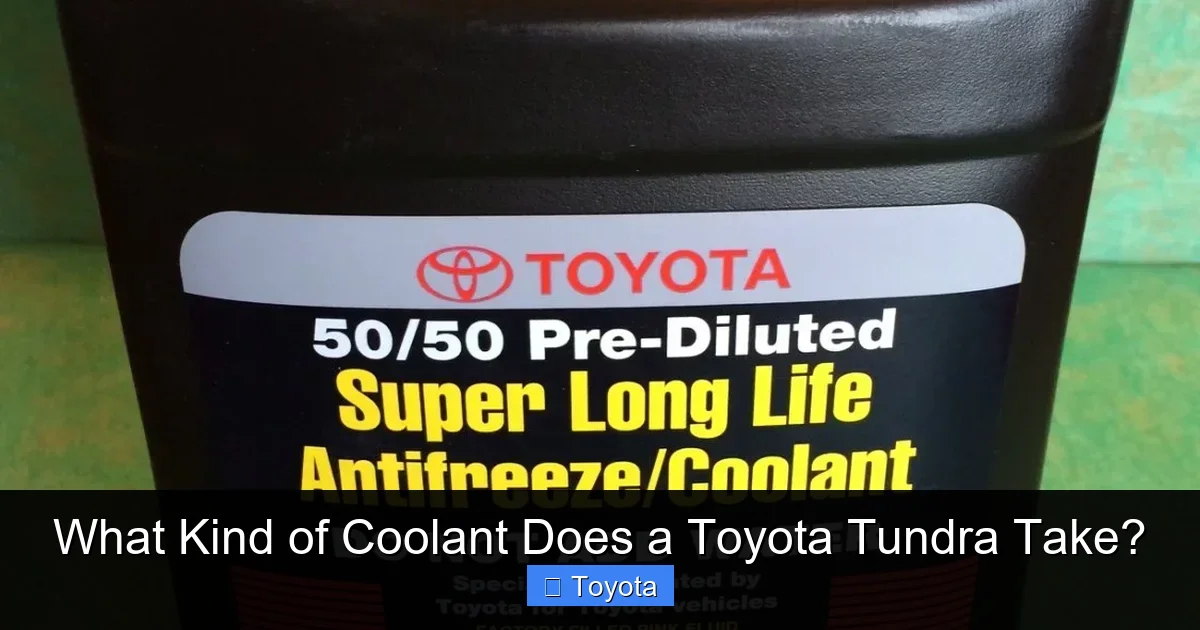
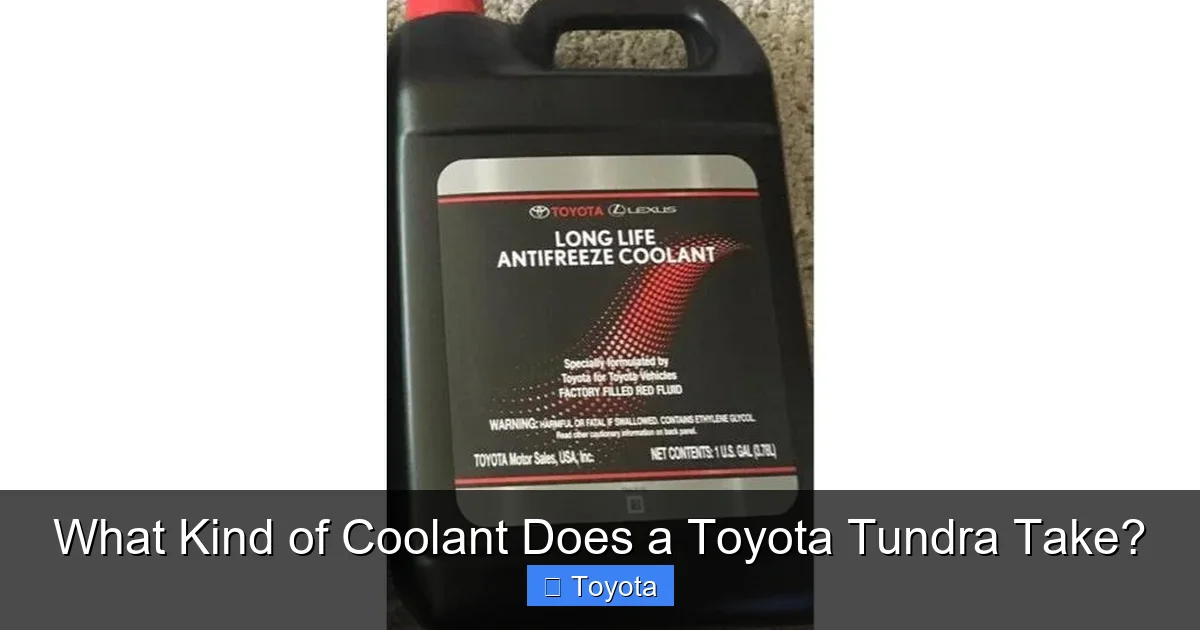
Toyota SLLC appears pink or red in color. This distinctive hue helps identify it from other coolant types. Always check your owner’s manual to confirm the exact specification for your model year. Different years may have slightly different requirements.
The key specification to look for is JASO M327-A1 standard compliance. This Japanese standard ensures compatibility with Toyota’s cooling system design. Many aftermarket brands now meet this specification, giving you options beyond dealer-only products.
Specific Requirements by Model Year
First-generation Tundra (2000-2006) typically uses standard SLLC. Second-generation models (2007-2013) also follow similar specifications. Third-generation Tundras (2014-present) may have updated requirements, especially for newer engine variants.
V6 engines generally have the same coolant needs as V8 models. However, always verify with your specific VIN and owner’s manual. Toyota’s engineering ensures consistency across engine options within each generation.
If you’re curious about how much a Toyota Tundra weighs, this affects cooling demands. Heavier trucks generate more heat through brakes and engine load, making proper coolant choice even more critical.
Toyota-Specific Coolant vs. Universal Coolants
Visual guide about What Kind of Coolant Does a Toyota Tundra Take?
Image source: gmundcars.com
While universal coolants claim broad compatibility, Toyota-specific formulas offer advantages. They’re designed specifically for Toyota’s cooling system materials and tolerances. This includes gaskets, seals, and metal alloys used throughout the engine.
Toyota SLLC contains special additives that protect aluminum components. Many modern engines use extensive aluminum construction, which requires specific corrosion protection. Universal coolants may not provide adequate protection for these materials.
The extended life span of Toyota coolant is another benefit. SLLC lasts up to 10 years or 100,000 miles. Traditional coolants typically need replacement every 30,000 miles. This reduces maintenance frequency and overall costs.
Recognizing Compatible Alternatives
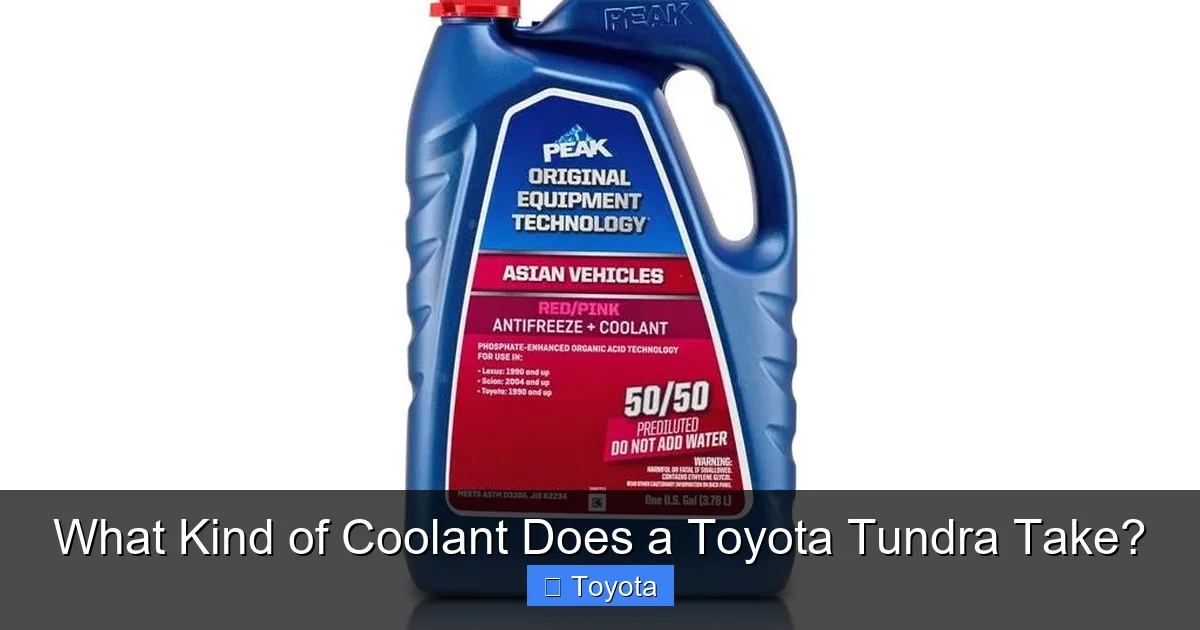
Several brands produce coolants meeting Toyota specifications. Look for products explicitly stating JASO M327-A1 compliance. Popular options include Zerex, Prestone, and Peak formulations that meet these standards.
When choosing alternatives, verify they match your Toyota’s color coding. Mixing colors often indicates incompatible formulations. Even if both claim Toyota compatibility, slight chemical differences can cause problems.
How to Check and Maintain Coolant Levels
Visual guide about What Kind of Coolant Does a Toyota Tundra Take?
Image source: gmundcars.com
Regular coolant checks should become part of your monthly routine. Check levels when the engine is completely cold. Never open the radiator cap when hot – pressurized coolant can cause serious burns.
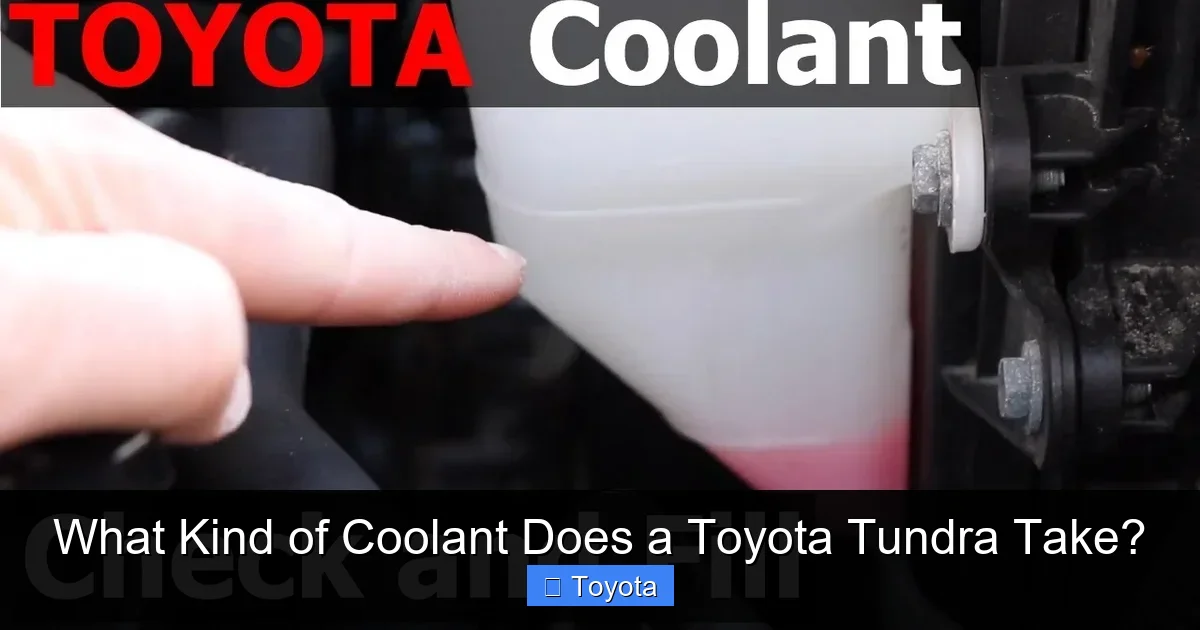
Locate the coolant reservoir tank near the passenger side of the engine bay. You’ll see minimum and maximum marks on the side. The fluid level should remain between these lines under normal conditions.
Pay attention to color changes during visual inspections. Fresh Toyota coolant maintains its pink/red appearance. Darkening or cloudy appearance indicates contamination or degradation. Milky coolant suggests coolant mixing with transmission fluid – a serious issue requiring immediate attention.
Safety Precautions During Inspection
Always wear gloves and eye protection when handling coolant. It contains chemicals harmful if swallowed or contacted with skin. Keep children and pets away from open containers.
Use a flashlight to inspect coolant condition accurately. Good lighting reveals subtle color changes and particles suspended in the fluid. Clean coolant appears clear with consistent coloring.
When and How to Replace Coolant
Toyota recommends coolant replacement every 100,000 miles or 10 years. Severe duty driving may require more frequent changes. Conditions like towing, idling, or extreme temperatures accelerate coolant breakdown.
Signs indicating replacement needs include:
- Engine overheating despite adequate coolant levels
- Radiator or heater core leaks developing
- Unusual rust-colored coolant appearance
- Visible sediment or particles in the reservoir
DIY Replacement Process
Changing coolant yourself requires proper tools and safety equipment. You’ll need drain pans, funnels, and basic hand tools. Never attempt this work on a hot engine.
Start by draining the radiator completely. Remove the lower radiator hose to ensure thorough drainage. Flush the system with clean water until runoff appears clear.
Refill slowly using the proper coolant mixture. Most Toyota applications use 50/50 antifreeze to water ratios. Check owner’s manual for specific mixing instructions for your climate.
Run the engine briefly with the heater on high. This circulates coolant through the entire system. Top off levels as needed once circulation completes.
Common Coolant Problems and Solutions
Head gasket failures often relate to coolant issues. Using incorrect coolant types can cause chemical breakdown. This leads to acidic conditions that attack gaskets and seals.
Radiator corrosion represents another common problem. Incompatible coolants may lack proper anti-corrosion additives. Aluminum radiators particularly suffer from galvanic corrosion when exposed to wrong formulations.
Water pump bearing failures sometimes connect to coolant quality. Old or contaminated coolant loses lubrication properties. This increases wear on water pump seals and bearings.
Preventing Expensive Repairs
Regular maintenance prevents most coolant-related problems. Follow Toyota’s recommended service intervals religiously. Keep records of all coolant changes for future reference.
Monitor temperature gauge readings during normal driving. Sudden spikes indicate cooling system issues. Address problems immediately to prevent cascading damage.
Consider having cooling system professionally inspected during major services. Technicians can spot early signs of trouble before they become expensive repairs.
Conclusion
Choosing the correct coolant for your Toyota Tundra protects one of your biggest investments. The right coolant maintains optimal engine temperature while preventing corrosion and wear. Whether you opt for genuine Toyota SLLC or compatible alternatives, following manufacturer guidelines ensures reliability.
Regular maintenance extends beyond simple coolant changes. Monitor system performance and address issues promptly. Your Tundra’s cooling system deserves attention equal to oil changes and tire rotations.
Understanding coolant requirements helps you make informed decisions about truck care. When you know what your vehicle needs, you can confidently handle routine maintenance. This knowledge saves money and prevents headaches down the road.
Remember that proper coolant selection varies by model year and engine type. Always consult your owner’s manual before making changes. When in doubt, Toyota dealerships provide expert guidance for your specific application.
Frequently Asked Questions
What happens if I use the wrong coolant in my Toyota Tundra?
Using incorrect coolant can cause chemical reactions leading to sludge formation. This reduces cooling efficiency and may damage engine components. Always verify compatibility before adding any coolant to your system.
Can I mix Toyota coolant with other brands?
Never mix different coolant formulations. Chemical incompatibility causes additive precipitation and reduced effectiveness. Even coolants claiming Toyota compatibility should not be mixed with existing fluids.
How often should I check my Tundra’s coolant level?
Check coolant levels monthly when the engine is cold. Weekly checks during extreme weather conditions provide additional safety. Consistent monitoring prevents unexpected overheating situations.
Is it safe to use pre-mixed coolant in my Toyota?
Pre-mixed coolants work well for top-offs and replacements. Ensure they meet Toyota’s JASO M327-A1 specifications. Check product labeling carefully before purchase and installation.
What color should my Toyota Tundra coolant be?
Toyota Super Long Life Coolant typically appears pink or red. Color consistency indicates proper formulation and lack of contamination. Any significant color change warrants professional inspection and possible replacement.
Does my Toyota Tundra require special coolant for towing?
Standard Toyota SLLC works adequately for towing applications. However, severe duty towing may accelerate coolant degradation. Consider more frequent replacement intervals if you regularly tow heavy loads.