Toyota Highlander Xle Vs Xse: What’s the Difference?
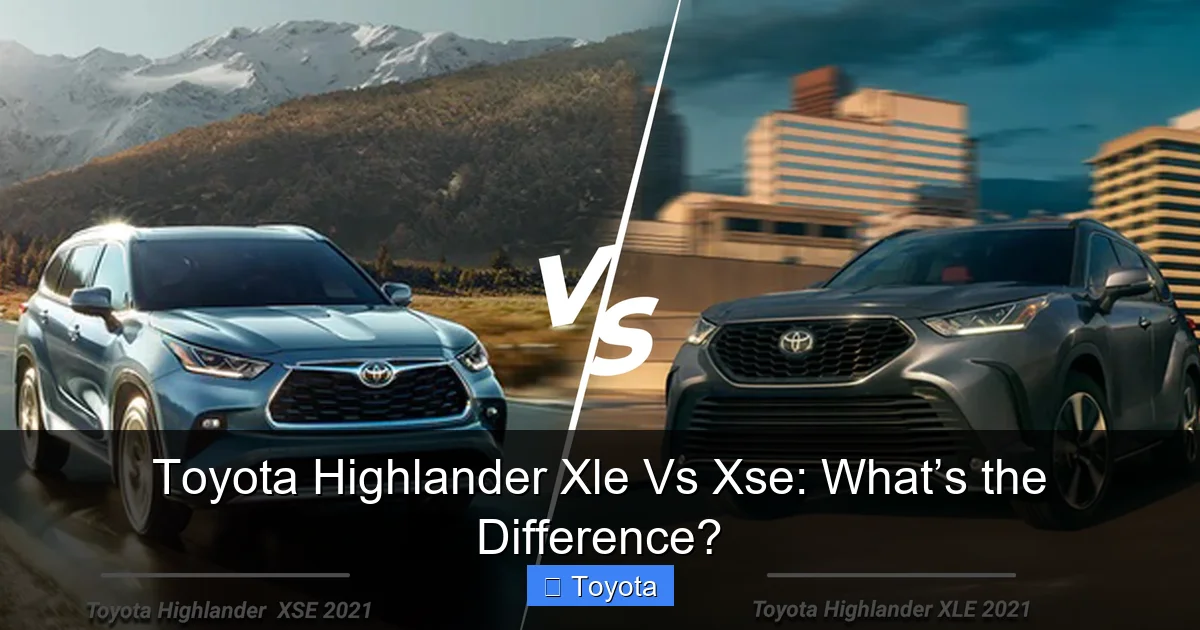
The Toyota Highlander XLE and XSE represent two distinct approaches to midsize SUV excellence. While the XLE prioritizes comfort and luxury for families, the XSE delivers sporty styling and performance. Understanding these differences helps you make the perfect choice for your driving lifestyle and needs.
Key Takeaways
- Trim Philosophy Differences: XLE focuses on luxury family comfort while XSE emphasizes sporty aesthetics and driving dynamics.
- Pricing and Value: XSE typically costs $3,000-$5,000 more than XLE due to premium features and sport-tuned components.
- Interior Comfort Priorities: XLE offers more standard comfort amenities while XSE balances sport with family functionality.
- Performance Characteristics: Both use the same 3.5L V6 engine but XSE features sport-tuned suspension and unique styling cues.
- Technology Features: XLE includes more standard tech comfort features while XSE focuses on performance-oriented upgrades.
- Target Audience: XLE suits families wanting maximum comfort while XSE appeals to buyers seeking sporty SUV character.
- Resale Considerations: Both maintain strong resale value with XLE often having broader market appeal.
📑 Table of Contents
Introduction to the Toyota Highlander Lineup
Shopping for a new SUV can feel overwhelming. With so many trim levels and options, where do you even start? The Toyota Highlander has been a family favorite for years, offering reliability, space, and value that’s hard to beat. But when you’re standing in the dealership, staring at two nearly identical vehicles, the differences can seem confusing.
The Highlander XLE and XSE trims sit in that sweet spot where practicality meets personality. They’re not the base models, but they’re not the top-tier Limited either. This middle ground is where many shoppers find themselves spending the most time deciding. Let’s break down what makes each trim special and help you figure out which one deserves your garage space.
Understanding Trim Level Philosophy
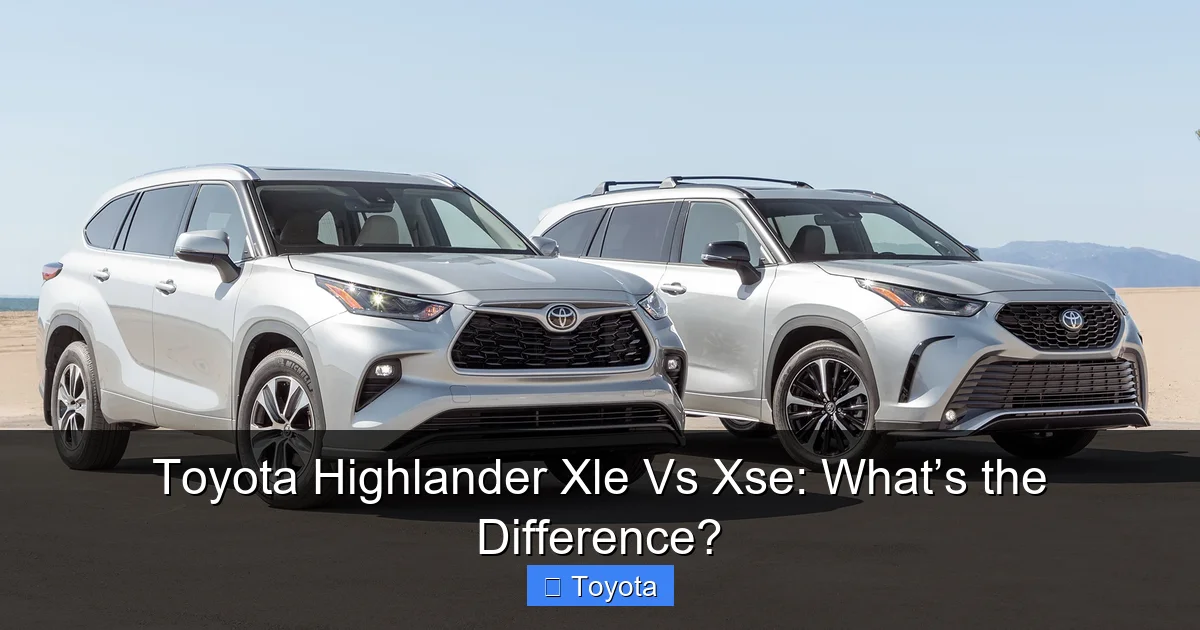
Visual guide about Toyota Highlander Xle Vs Xse: What’s the Difference?
Image source: motortrend.com
The XLE: Luxury-Focused Family Transport
The XLE trim represents Toyota’s approach to refined family transportation. Think of it as the sophisticated older sibling who always looks put together. This trim emphasizes comfort, convenience, and premium touches that make daily driving more enjoyable for everyone.
When you slide into an XLE, you immediately notice the attention to detail. Soft-touch materials cover more surfaces, and there’s a general sense of upscale living. The seats feel more plush, and the noise insulation does a better job keeping the outside world at bay. It’s the trim that says, “We care about your comfort.”
The XSE: Sport-Inspired Styling and Dynamics
The XSE takes a different approach entirely. This trim wears Toyota’s sport appearance package like a badge of honor. Sharp lines, bold accents, and performance-inspired details give it a more aggressive personality. If the XLE is sophisticated, the XSE is confident and energetic.
Under the hood, both trims share the same powerful 3.5-liter V6 engine. But the XSE tunes its suspension differently. Every bump and corner feels more connected to the road. The steering responds with more precision, and the overall driving experience leans toward sport rather than comfort.
Exterior Design and Styling Differences
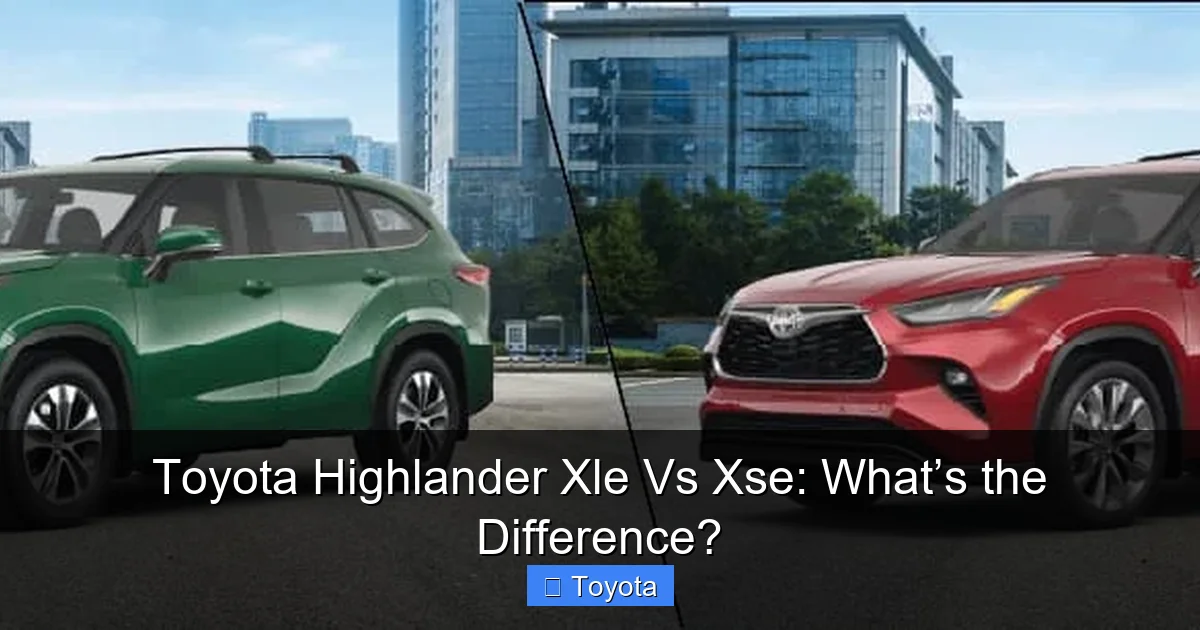
Visual guide about Toyota Highlander Xle Vs Xse: What’s the Difference?
Image source: s3.amazonaws.com
Visual Distinctions That Matter
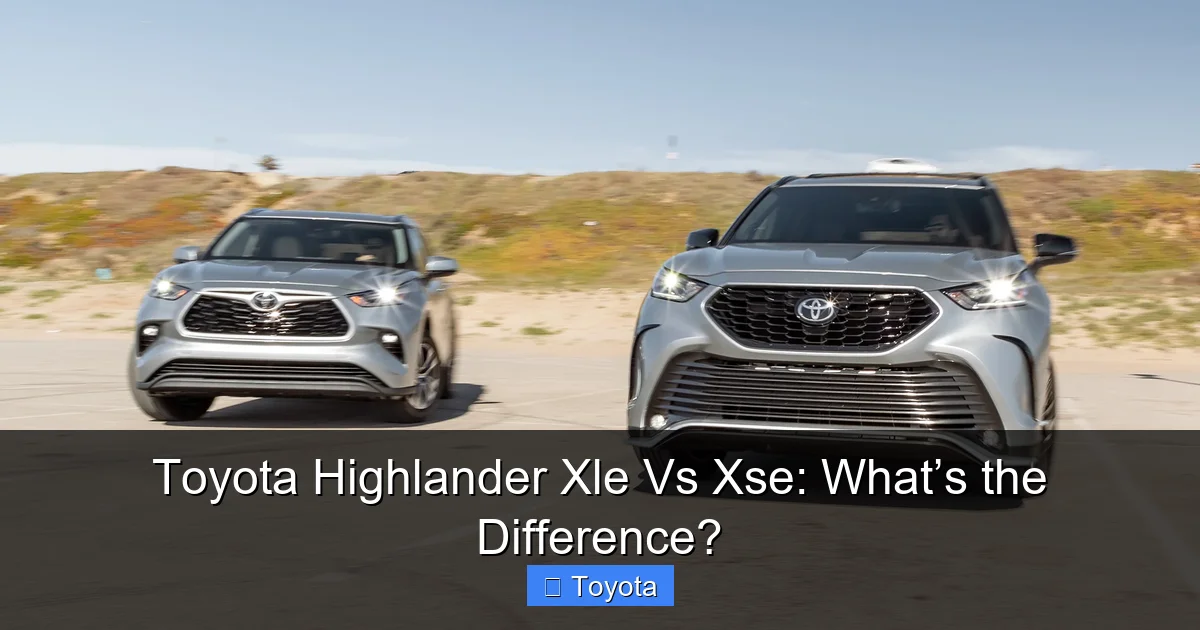
Walking around both trims, the styling differences become immediately apparent. The XLE maintains Toyota’s classic family-friendly aesthetic. Clean lines, conservative proportions, and timeless appeal define its look. It’s designed to blend seamlessly into parking lots without drawing unnecessary attention.
The XSE tells a different story. Black accents replace chrome everywhere possible. The grille adopts a more angular design. Even the wheels – typically 18-inch dark alloys – look like they belong on a sports car, not a family hauler. These changes aren’t just cosmetic; they signal performance intent.
Practical Considerations
Despite their different appearances, both trims offer identical functionality. Ground clearance remains the same, so no advantage exists off-road. Cargo capacity behind the third row stays consistent at approximately 16 cubic feet. The differences are purely aesthetic and emotional.
However, those dark exterior accents on the XSE require more maintenance. They show scratches and wear more visibly than chrome. If you’re particular about keeping your SUV looking showroom-fresh, this matters. The XLE’s traditional brightwork hides minor imperfections better.
Interior Features and Comfort Comparison
Visual guide about Toyota Highlander Xle Vs Xse: What’s the Difference?
Image source: motortrend.com
Seating and Space Arrangement
Inside, both trims accommodate seven passengers comfortably. But the XLE’s seating surfaces feel more premium. Standard leather appointments include heating for the front seats. The second-row captain’s chairs (available) provide easy access to the third row.
The XSE doesn’t skimp on comfort, but it prioritizes sporty aesthetics. Black leather with red stitching creates a performance-oriented atmosphere. While comfortable, it lacks some of the plushness found in the XLE. Think sports car seats versus executive office chairs.
Technology and Convenience
Both trims include Toyota’s Entune infotainment system with a 6.5-inch touchscreen. Apple CarPlay and Android Auto integration come standard. But the XLE adds more USB ports throughout the cabin – essential for families with multiple devices.
The XLE also includes features like a power-adjustable driver’s seat with memory settings. Tri-zone automatic climate control ensures everyone stays comfortable. Remote start capability adds convenience during extreme weather. The XSE includes many of these features but focuses more on driver-centric controls.
Cargo and Storage Solutions
Practical storage solutions appear throughout both interiors. However, the XLE’s console feels more thoughtfully designed for family use. Additional cupholders, better organization compartments, and easier-to-reach controls make daily life simpler.
The XSE maintains good storage but emphasizes accessibility for the driver. Passenger-focused storage solutions take a backseat to performance-oriented design elements. Neither trim sacrifices functionality, but the XLE clearly prioritizes family convenience.
Performance and Driving Experience
Engine and Transmission Details
Both trims utilize the same 3.5-liter V6 engine producing 295 horsepower. This engine provides ample power for merging, passing, and maintaining highway speeds. The eight-speed automatic transmission shifts smoothly in both applications.
Fuel economy remains consistent regardless of trim choice. Expect around 20 mpg city and 27 mpg highway. Towing capacity reaches 5,000 pounds when properly equipped. These numbers reflect Toyota’s focus on efficiency across the model line.
Suspension Tuning and Handling
Here’s where the XSE really separates itself. The sport-tuned suspension reduces body roll during cornering. Steering feels more direct and communicative. Every input translates quickly to road response, creating a more engaging drive.
The XLE maintains comfortable compliance over rough surfaces. Bumps don’t jar passengers unnecessarily. While not floaty, it prioritizes passenger comfort over driving excitement. For daily commuting and family trips, this approach works perfectly.
Ride Quality Assessment
Long-distance comfort favors the XLE significantly. The suspension absorbs highway expansion joints and road imperfections gracefully. Passengers in the third row won’t complain about excessive harshness or vibration.
The XSE’s sport-tuned setup remains livable but feels firmer. Enthusiasts appreciate the improved road connection, but daily commuters might prefer the XLE’s more forgiving nature. Both handle well within their respective philosophies.
Pricing and Value Analysis
MSRP Differences
The XSE commands a premium over the XLE. Typically, expect to pay $3,000 to $5,000 more for the sport trim. This price difference reflects the specialized suspension components, unique styling elements, and performance-focused features.
However, value extends beyond sticker price. The XLE’s broader appeal often translates to better resale potential. More buyers seek comfortable family transport than sporty SUVs. Consider long-term ownership costs, not just initial purchase price.
Incentives and Market Positioning
Toyota frequently offers incentives on both trims, but XLE models often see better support. Dealerships typically stock more XLE inventory, making negotiations easier. XSE models might require special ordering, adding time to your purchase process.
Insurance costs remain comparable between trims. Both represent mid-level packages rather than premium offerings. Your insurance agent won’t penalize you heavily for choosing either option.
Package Considerations
Many features available on the XSE can be added to lower trims through option packages. However, the integrated nature of XSE components creates a cohesive package that’s difficult to replicate. The sport-tuned suspension, for instance, works specifically with XSE’s unique specifications.
The XLE includes more standard features that would cost extra on other trims. This comprehensive approach often provides better value for families seeking maximum equipment without extensive add-ons.
Making Your Decision
Consider Your Primary Use
Ask yourself honest questions about daily driving habits. Do you prioritize passenger comfort during long trips? The XLE excels here. Want a more engaging drive to work? The XSE delivers better feedback and response.
Think about typical passenger loads. Families with children and regular third-row occupants benefit from XLE’s comfort focus. Empty-nesters or couples might enjoy XSE’s sporty character more regularly.
Lifestyle Compatibility
Your lifestyle should guide trim selection. Weekend warriors who tow trailers or drive enthusiastically might prefer XSE’s capabilities. Daily commuters focused on comfort often choose XLE without regret.
Consider parking and maneuverability. Both trims share identical dimensions, so no advantage exists in tight spaces. However, XSE’s lower profile (due to sport tuning) affects entry and exit slightly.
Future Planning
Think long-term ownership plans. If keeping the vehicle five years or more, XLE’s broader appeal helps resale. Shorter ownership periods minimize this consideration.
Maintenance costs remain similar between trims. Both use identical mechanical components. The only difference involves potential sport component wear, but Toyota builds these to last.
Final Thoughts on Your Choice
Both Toyota Highlander XLE and XSE trims succeed brilliantly within their respective missions. The XLE delivers refined family transportation that improves daily life. The XSE offers sporty character without sacrificing practicality completely.
Your decision ultimately depends on personal priorities. Want maximum comfort and convenience? Choose XLE. Prefer engaging driving dynamics and bold styling? XSE fits your personality. Neither choice disappoints – they simply serve different needs.
Remember that both trims represent excellent values in the midsize SUV market. Toyota’s reputation for reliability extends to both options. Whichever you choose, you’ll enjoy years of dependable service and satisfied ownership.
Frequently Asked Questions
What’s the main difference between Highlander XLE and XSE?
The XLE emphasizes luxury comfort and family-friendly features, while the XSE focuses on sporty styling and performance-oriented driving dynamics. Both share the same engine but differ in suspension tuning and exterior appearance.
Is the Highlander XSE worth the extra cost?
The XSE costs $3,000-$5,000 more than XLE. Whether it’s worth it depends on your priorities – if you value sporty driving feel and aggressive styling, yes. For pure family comfort and value, the XLE often provides better overall satisfaction.
Which trim has better fuel economy?
Both trims achieve identical fuel economy ratings: approximately 20 mpg city and 27 mpg highway. They use the same 3.5-liter V6 engine and eight-speed automatic transmission, so efficiency remains consistent regardless of trim choice.
Can I get XSE features on lower Highlander trims?
Some XSE styling elements can be added through appearance packages on lower trims, but the sport-tuned suspension and integrated performance features require XSE specification. The complete package creates a unique driving experience that’s difficult to replicate.
Which trim is better for families with children?
The XLE typically serves families better due to its focus on comfort amenities, additional standard features, and more refined interior materials. However, the XSE still accommodates families well while offering sporty character that appeals to driving enthusiasts.
How do resale values compare between XLE and XSE?
The XLE generally maintains slightly better resale value due to broader market appeal. More buyers seek comfortable family SUVs than sporty variants. However, both trims depreciate reasonably well within Toyota’s overall strong resale reputation.