How to Clean Urine from Leather Car Seat
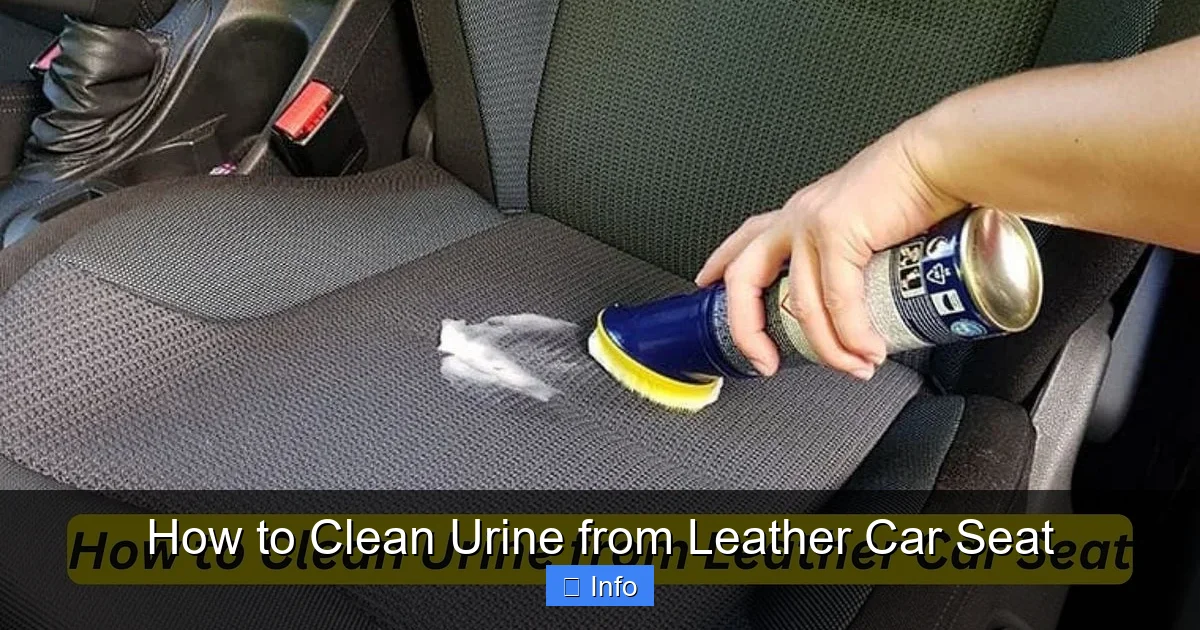
Accidents happen, but knowing how to clean urine from leather car seat quickly can prevent lasting damage and odors. Act fast by blotting, using a gentle cleaner, and conditioning the leather to keep it looking and smelling fresh.
Finding urine on your leather car seat can be frustrating and embarrassing, especially if you have kids, pets, or passengers who might not always make it to the restroom in time. The good news is that leather, while delicate, can be rescued with the right approach. Knowing how to clean urine from leather car seat quickly and correctly helps you avoid permanent stains, unpleasant odors, and costly repairs.
In this guide we’ll walk you through why urine is problematic for leather, what you should do the moment you notice the accident, which cleaning products are safe, and a detailed step‑by‑step process you can follow at home. We’ll also share preventive tips and let you know when it’s best to call in a professional. By the end, you’ll feel confident tackling any mishap and keeping your car’s interior looking and smelling its best.
Key Takeaways
- Act immediately: Blot the urine with a clean cloth to remove as much liquid as possible before it sets into the leather.
- Use a pH‑balanced leather cleaner: Harsh chemicals can strip the finish; choose a product made specifically for automotive leather.
- Test in a hidden spot: Always try your cleaning solution on an inconspicuous area first to avoid discoloration.
- Condition after cleaning: Replenish the leather’s natural oils with a quality conditioner to prevent cracking.
- Ventilate the car: Open windows or use a fan to help dry the seat and eliminate lingering smells.
- Consider a protective spray: A leather sealant can add a barrier against future accidents and make cleaning easier.
📑 Table of Contents
- Understanding Why It’s Important to Know How To Clean Urine From Leather Car Seat
- Immediate Steps to Take When You Discover Urine on Leather Car Seat
- Choosing the Right Cleaning Products for How To Clean Urine From Leather Car Seat
- Step‑by‑Step Guide: How To Clean Urine From Leather Car Seat at Home
- Preventive Tips to Avoid Future Urine Accidents on Leather Car Seat
- When to Call a Professional for How To Clean Urine From Leather Car Seat
Understanding Why It’s Important to Know How To Clean Urine From Leather Car Seat
Leather is a natural material that absorbs liquids easily. When urine sits on the surface, the uric acid and salts can break down the finish, leading to discoloration, stiffening, and even cracking over time. The longer the liquid remains, the deeper it penetrates, making removal harder and increasing the chance of a lasting smell. That’s why learning how to clean urine from leather car seat isn’t just about aesthetics—it’s about preserving the integrity and value of your vehicle’s interior.
Many car owners mistakenly use household cleaners like bleach or ammonia, which can cause irreversible damage. Instead, a gentle, pH‑balanced leather cleaner combined with proper blotting and conditioning will lift the stain while keeping the leather supple. Acting fast is the single most important factor; the sooner you address the accident, the better the outcome.
Immediate Steps to Take When You Discover Urine on Leather Car Seat
The first few minutes after an accident are critical. Follow these actions to minimize damage before you even reach for a cleaning product.
Visual guide about How to Clean Urine from Leather Car Seat
Image source: psychoautos.com
Blot, Don’t Rub
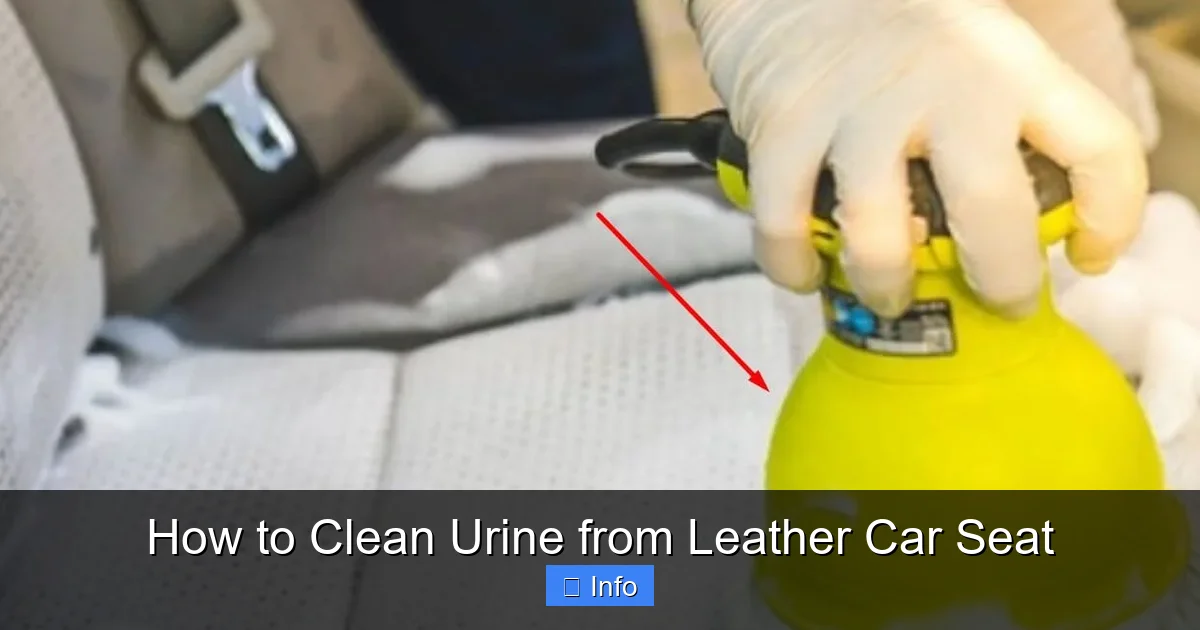
Grab a clean, dry microfiber cloth or paper towel and press it firmly onto the wet area. Your goal is to absorb as much liquid as possible without spreading it. Repeat with fresh sections of the cloth until no more moisture transfers. Remember, rubbing can push urine deeper into the leather pores, making how to clean urine from leather car seat more difficult later.
Check for Residue
After blotting, lightly touch the spot. If it feels tacky or you see a faint discoloration, there may still be residue. In that case, move on to the cleaning solution stage promptly. If the area feels dry and looks unchanged, you may still need to treat it because uric acid crystals can remain invisible.
Ventilate the Area
Open the car doors or windows to allow fresh air to circulate. This helps reduce odor buildup and speeds up the drying process, which is beneficial when you later apply cleaner and conditioner.
Choosing the Right Cleaning Products for How To Clean Urine From Leather Car Seat
Not all cleaners are created equal. Using the wrong product can strip the leather’s protective coating, leaving it vulnerable to future damage. Here’s what to look for when selecting supplies for how to clean urine from leather car seat.
Visual guide about How to Clean Urine from Leather Car Seat
Image source: psychoautos.com
pH‑Balanced Leather Cleaner
Choose a cleaner specifically formulated for automotive leather. These products typically have a pH between 5.5 and 7.0, matching the natural acidity of leather. Avoid all‑purpose cleaners, vinegar solutions, or anything containing alcohol, bleach, or ammonia.
Soft Microfiber Cloths
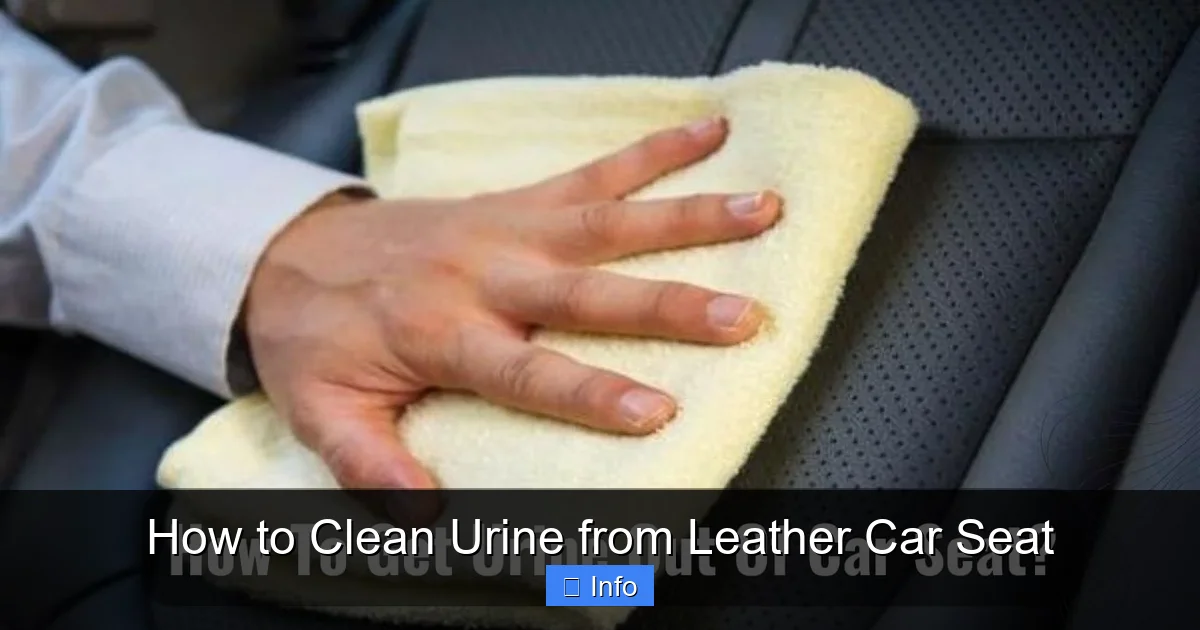
Microfiber is gentle yet effective at lifting grime without scratching. Have several clean cloths on hand so you can switch to a fresh one as needed.
Leather Conditioner
After cleaning, the leather may lose some of its natural oils. A high‑quality conditioner restores suppleness and helps prevent cracking. Look for conditioners that contain natural oils like lanolin or jojoba and are free of silicones that can leave a greasy residue.
Optional: Enzymatic Odor Neutralizer
If the urine smell persists after cleaning, an enzymatic cleaner designed for pet accidents can break down uric acid crystals. Use it sparingly and always test in a hidden area first, as some enzymes can affect certain finishes.
Step‑by‑Step Guide: How To Clean Urine From Leather Car Seat at Home
Now that you have the right supplies, follow this detailed procedure. Work in a shaded area or garage to prevent the cleaner from drying too quickly in direct sunlight.
Visual guide about How to Clean Urine from Leather Car Seat
Image source: cleanlegit.com
1. Prepare the Area
Remove any loose items from the seat and vacuum the surrounding area to eliminate dust or debris that could scratch the leather during cleaning.
2. Test the Cleaner
Apply a small amount of your chosen leather cleaner to an inconspicuous spot—such as the seam under the seat—and wait 30 seconds. If there’s no discoloration or texture change, it’s safe to proceed.
3. Apply the Cleaner
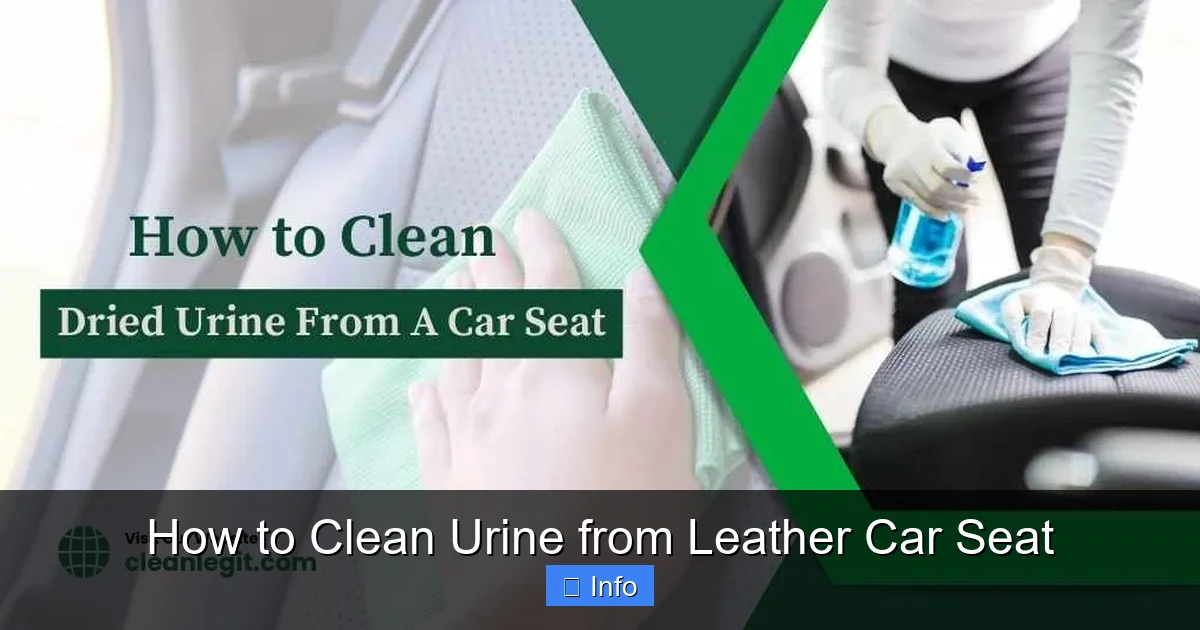
Dampen a microfiber cloth with the cleaner (do not soak it). Gently wipe the stained area in a circular motion, working from the outside toward the center to avoid spreading the urine. Use light pressure; let the cleaner do the work.
4. Blot Away Moisture
After cleaning, take a dry microfiber cloth and blot the area to remove any excess liquid. You may need to repeat the cleaning‑blot cycle once more if the stain is stubborn.
5. Neutralize Odor (if needed)
If a faint smell remains, lightly spray an enzymatic odor neutralizer onto the cloth—not directly onto the leather—and wipe the area. Allow it to sit for the time recommended on the product label, then blot dry.
6. Condition the Leather
Once the seat is completely dry (this may take 15‑30 minutes depending on humidity), apply a small amount of leather conditioner to a clean cloth and rub it into the leather using circular motions. Cover the entire seat, not just the cleaned spot, to ensure even conditioning. Let the conditioner absorb for at least an hour, then buff with a dry cloth to restore a soft sheen.
7. Final Inspection
Check the seat under good lighting. The area should look uniform, feel supple, and have no lingering odor. If you notice any stiffness or discoloration, repeat the conditioning step.
Preventive Tips to Avoid Future Urine Accidents on Leather Car Seat
Knowing how to clean urine from leather car seat is essential, but preventing the accident in the first place saves time and effort. Here are practical strategies you can implement today.
Use Protective Seat Covers
Invest in a washable, water‑resistant seat cover designed for leather seats. These covers act as a barrier and can be removed and laundered quickly after an incident.
Encourage Regular Bathroom Breaks
On long trips, schedule stops every two hours to give passengers—especially kids and pets—a chance to use the restroom. A simple reminder can dramatically reduce accidents.
Keep a Cleaning Kit in the Car
Store a small zip‑lock bag with a microfiber cloth, a travel‑size leather cleaner, and a mini conditioner in your glove compartment. Having the supplies on hand means you can act immediately when an accident occurs.
Apply a Leather Sealant
A leather sealant creates a protective layer that repels liquids and makes cleaning easier. Reapply every few months according to the product’s instructions for best results.
Train Pets Properly
If you frequently travel with pets, consider using a pet seat belt or carrier and reward them for using a designated pet pad or travel litter box. Consistent training reduces the likelihood of accidents.
When to Call a Professional for How To Clean Urine From Leather Car Seat
Most urine stains can be handled at home with the steps above, but there are situations where professional help is the safest bet.
Extensive or Old Stains
If the urine has soaked deep into the leather or has been left untreated for several days, the damage may be beyond DIY repair. Professionals have specialized equipment and stronger (yet safe) cleaning agents that can extract embedded contaminants without harming the finish.
Persistent Odor
When the smell lingers despite cleaning and odor neutralizers, it often indicates that uric acid crystals remain trapped in the leather’s pores. A professional detailing service can perform an ozone treatment or deep enzymatic cleaning to fully eliminate the odor.
Visible Damage
Cracking, stiffening, or noticeable discoloration after your cleaning attempt suggests the leather’s integrity has been compromised. A leather repair specialist can re‑dye, re‑condition, or even patch the affected area to restore its appearance and durability.
Lack of Confidence
If you’re unsure about which products to use or fear making the situation worse, it’s always better to consult an expert. Many auto detailers offer a consultation service where they assess the stain and recommend the best course of action.
By following the guidance in this article, you’ll be equipped to tackle urine accidents swiftly and effectively, keeping your leather car seat looking pristine and smelling fresh. Remember, the key to successful how to clean urine from leather car seat is acting quickly, using the right products, and conditioning the leather afterward. Safe travels, and may your rides stay clean and comfortable!
Frequently Asked Questions
Can I use household vinegar to clean urine from leather car seat?
No. Vinegar is acidic and can damage the leather’s finish, leading to discoloration and drying out the material. Always opt for a pH‑balanced leather cleaner designed for automotive use.
How long should I wait before conditioning the leather after cleaning?
Allow the cleaned area to dry completely—usually 15 to 30 minutes depending on humidity—before applying conditioner. Applying conditioner to damp leather can trap moisture and cause mildew.
Will a professional detailing service remove the urine smell entirely?
Most professionals use enzymatic treatments or ozone generators that break down uric acid crystals, which are the source of the odor. In the majority of cases, the smell is eliminated entirely.
Is it safe to use a steam cleaner on leather car seats?
Steam cleaning can introduce too much heat and moisture, potentially causing the leather to warp or crack. It’s best to avoid steam and stick to gentle, manual cleaning methods.
How often should I apply a leather sealant to protect against future accidents?
For optimal protection, reapply a leather sealant every three to four months, or sooner if you notice water no longer beading on the surface.
Can I use baby wipes to clean urine from leather car seat?
Baby wipes often contain alcohol, fragrances, or other additives that can harm leather. Use only a damp microfiber cloth with a proper leather cleaner for safe results.