How to Remove Excess Oil from Car Ac System

Removing excess oil from your car’s air conditioning system is crucial for maintaining peak performance and preventing costly repairs. This guide walks you through identifying symptoms, gathering tools, and safely draining and replacing oil to restore your AC’s cooling power. Follow these simple steps to keep your system running smoothly and avoid expensive professional interventions.
[Featured Image Placeholder]
Key Takeaways
- Identify Symptoms: Look for poor cooling, ice buildup, or strange noises as signs of excess oil in your AC system.
- Use the Right Tools: You’ll need a refrigerant gauge set, oil removal pump, wrench set, and safety gear like gloves and goggles.
- Check Oil Levels: Remove the oil fill cap and check the dipstick to see if oil levels are above the max mark.
- Drain Excess Oil: Use a vacuum pump or syringe to carefully remove oil until it reaches the proper level indicated in your owner’s manual.
- Replace with Correct Oil: Always use the manufacturer-recommended type and amount of AC compressor oil to avoid system damage.
- Prevent Future Issues: Regularly inspect your AC system and maintain proper oil levels to prevent buildup and ensure efficient operation.
- Seek Professional Help: If you’re unsure about refrigerant handling or oil types, consult a certified mechanic to avoid costly mistakes.
📑 Table of Contents
Understanding Your Car’s Air Conditioning System
Your car’s AC system relies on a precise balance of refrigerant and oil to function effectively. The oil lubricates the compressor and circulates throughout the system, carrying refrigerant with it. Over time, oil can accumulate in certain parts of the system, particularly in the accumulator or receiver/drier, leading to performance issues.
When there’s too much oil, it can block the refrigerant flow or create an imbalance, causing your AC to blow warm air or make unusual noises. This is why knowing how to remove excess oil from your car AC system is a valuable skill for any DIY mechanic.
The Role of Oil in AC Systems
AC compressor oil, typically PAG or POE type, is essential for preventing metal parts from grinding together. However, when systems are opened for repairs or overcharged with oil during service, excess can build up. This excess oil doesn’t evaporate like refrigerant and must be physically removed.
Modern AC systems are designed to hold a specific amount of oil based on the compressor’s oil capacity and system volume. Adding too much during a service or not properly recovering oil during repairs leads to these issues.
Identifying Symptoms of Excess Oil
The first step in addressing excess oil is recognizing the signs. Poor cooling performance is often the most obvious symptom. If your AC blows warm air despite having adequate refrigerant, excess oil might be the culprit.
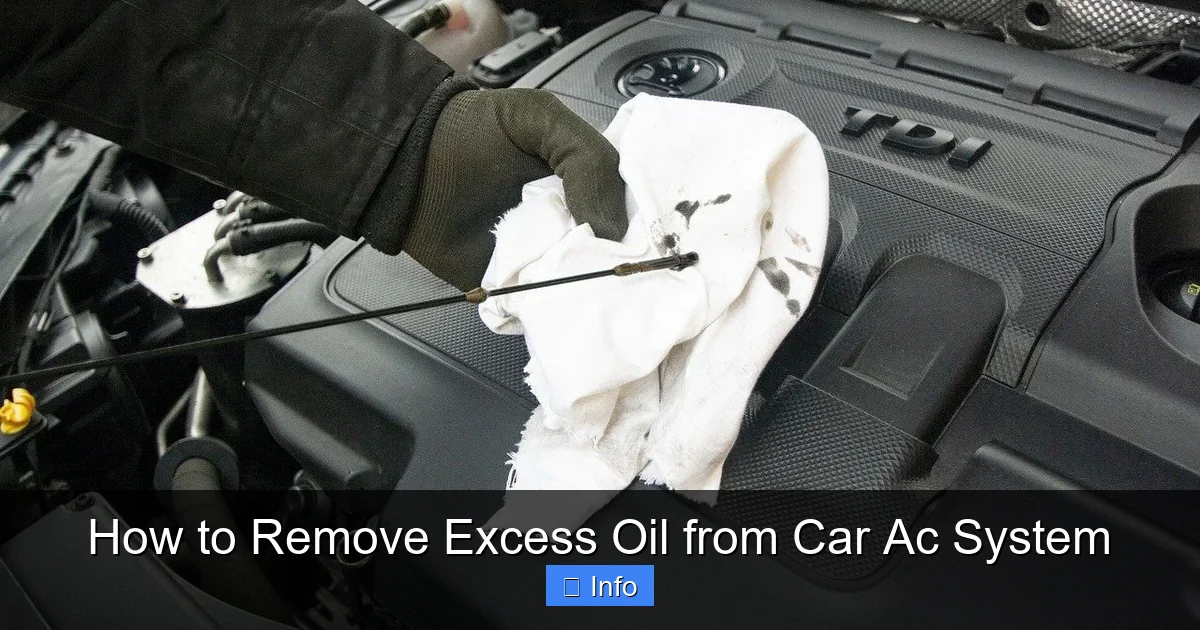
Visual guide about How to Remove Excess Oil from Car Ac System
Image source: cdn.jdpower.com
Common Indicators to Watch For
Other symptoms include ice formation on the AC lines or vents, which happens when excess oil restricts refrigerant flow. You might also hear unusual noises from the compressor, like grinding or clicking sounds, indicating improper lubrication due to oil imbalance.
In severe cases, the system might fail to produce cold air altogether, mimicking a refrigerant leak. These symptoms can be misleading, so it’s important to check oil levels before assuming the worst.
Tools and Preparation
Before diving into removing excess oil, gather the necessary tools. You’ll need a refrigerant gauge set to monitor system pressures, an oil removal pump or large syringe for extracting oil, and basic hand tools like wrenches and screwdrivers.
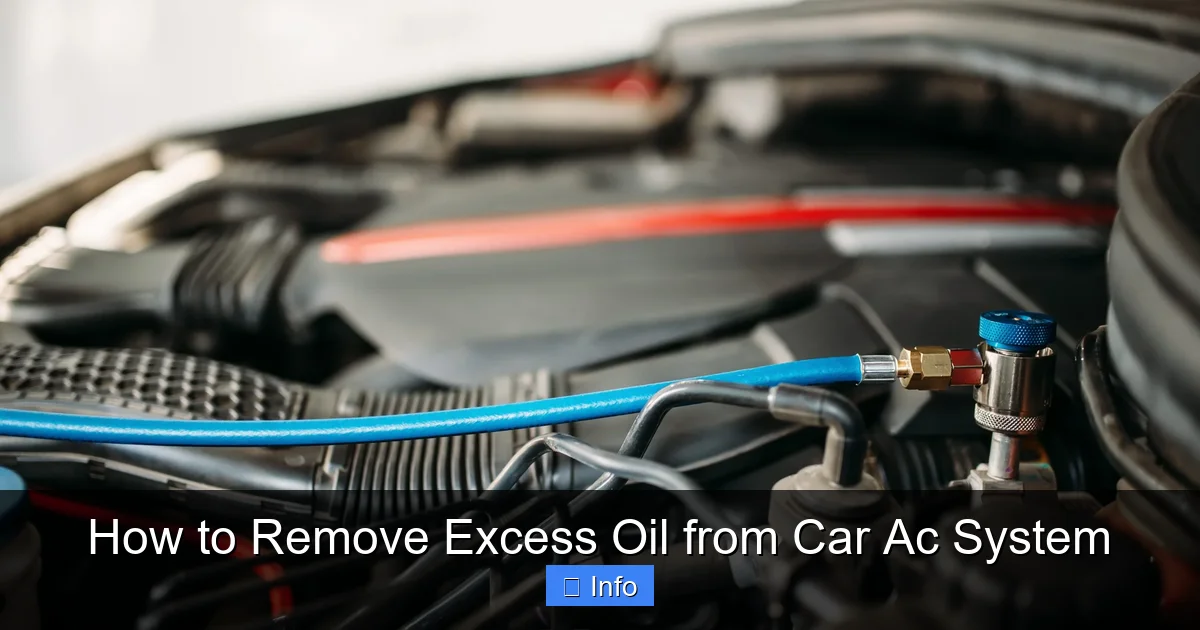
Visual guide about How to Remove Excess Oil from Car Ac System
Image source: bridwellautocenter.com
Safety Equipment is Essential
Always wear safety gear including gloves and safety glasses. Refrigerant can cause skin irritation, and pressurized oil or refrigerant can sting exposed skin. Ensure your vehicle is parked on level ground with the engine off and cooled down.
Having your owner’s manual handy is crucial for knowing the correct oil capacity and type for your specific vehicle. Using the wrong oil or incorrect amounts can damage your compressor beyond repair.
Step-by-Step Guide to Removing Excess Oil
Follow these detailed steps to safely remove excess oil from your car AC system. This process requires patience and attention to detail, but it’s manageable with the right preparation.
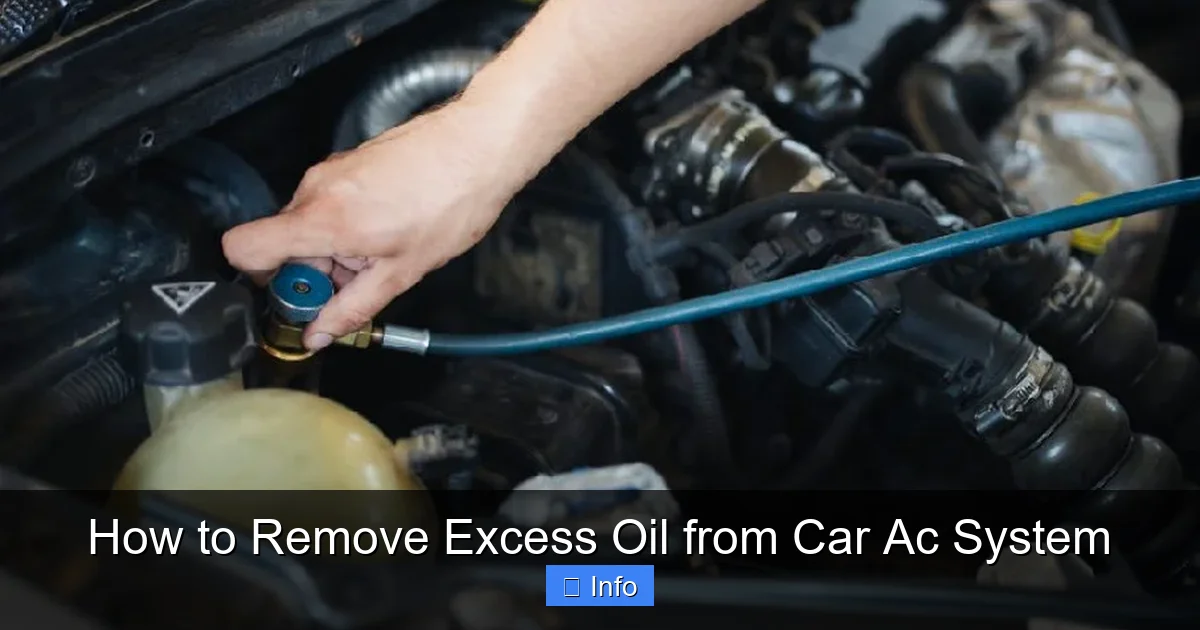
Visual guide about How to Remove Excess Oil from Car Ac System
Image source: gioinauan.com
Locate the Oil Fill Port
Start by finding the oil fill port on your AC compressor. This is usually a threaded opening near the compressor shaft. Remove the fill cap or plug using the appropriate wrench or socket. Inspect the area for any leaks or damage before proceeding.
Check Current Oil Levels
Insert a clean dipstick or use a syringe to sample oil from the compressor. Compare the level to your owner’s manual specifications. If it’s above the maximum mark, you’ll need to remove some oil before adding more refrigerant.
Drain the Excess Oil
Connect your oil removal pump to the fill port and slowly extract oil until you reach the proper level. Be careful not to remove too much, as the system needs some oil for lubrication. Dispose of removed oil properly according to local environmental regulations.
Add Recommended Oil Type
Pour in the correct type and amount of oil as specified in your manual. PAG and POE oils are most common, but using the wrong type can cause compatibility issues. Mix thoroughly by running the compressor briefly with the engine off.
Preventing Future Oil Buildup
Regular maintenance is key to preventing excess oil problems. Check oil levels during routine AC service and inspect for leaks that might allow oil to escape and need replacement.
Proper System Evacuation
When servicing your AC, ensure technicians properly evacuate the system before adding refrigerant. This removes moisture and old oil that can accumulate over time. Poor evacuation leads to oil separation and buildup in the system.
Consider scheduling professional AC inspections annually, especially before summer begins. A qualified technician can identify potential oil issues before they become major problems requiring expensive repairs.
When to Seek Professional Help
While removing excess oil is a DIY-friendly task, some situations require expert intervention. If you’re uncomfortable handling refrigerant or don’t have proper recovery equipment, a certified technician should handle the job.
Refrigerant Handling Requirements
By law, only certified technicians can legally handle refrigerant in many states. Attempting to recharge or recover refrigerant without proper certification can result in fines. However, oil removal itself doesn’t require refrigerant handling skills.
If after removing excess oil your AC still doesn’t work properly, you likely have a different issue like a refrigerant leak or electrical problem that needs professional diagnosis. Don’t guess—investigate thoroughly to avoid repeated repairs.
Maintaining Your AC System for Optimal Performance
Regular maintenance goes beyond just oil levels. Keep your AC system running efficiently by replacing cabin air filters, cleaning exterior condenser fins, and avoiding extended idling with the AC on high.
Seasonal Preparation Tips
Before summer arrives, have your AC system inspected and serviced. This includes checking oil levels, inspecting belts and hoses, and ensuring proper refrigerant charge. Early intervention prevents breakdowns when you need cooling most.
Driving habits also matter. Using recirculation mode reduces strain on your AC system, helping maintain proper oil circulation. Avoid running the AC at maximum settings continuously, which can contribute to oil redistribution issues.
Frequently Asked Questions
What happens if I don’t remove excess oil from my AC system?
If you leave excess oil in your AC system, it can block refrigerant flow and cause poor cooling performance. Over time, this can lead to compressor damage and expensive repairs. The oil may also cause ice buildup that restricts system operation entirely.
Can I check AC oil levels myself?
Yes, checking oil levels is straightforward. Locate the oil fill port on your compressor, remove the cap, and use a dipstick or syringe to sample the oil. Compare the level to your owner’s manual specifications to determine if adjustment is needed.
How often should I check my AC oil?
Check your AC oil levels during routine maintenance visits, typically every 12 months or 12,000 miles. If you’ve had AC repairs recently, check levels again after the system has been running for a few weeks to ensure proper settling.
What tools do I need to remove excess AC oil?
You’ll need an oil removal pump or large syringe, basic hand tools like wrenches and screwdrivers, and safety equipment including gloves and eye protection. A refrigerant gauge set helps monitor system pressures during the process.
Will removing excess oil fix my AC if it’s not cooling?
Potentially, yes. If poor cooling is caused by oil imbalance rather than a refrigerant leak, removing excess oil can restore proper operation. However, always rule out other issues like electrical problems or compressor failure first.
Is it legal to remove AC oil myself?
Yes, removing oil doesn’t require refrigerant handling certification. However, if you need to add or recover refrigerant during the process, that requires certified technicians in many jurisdictions. Check local laws before proceeding with any AC work.