How to Burn Out Catalytic Converter
Understanding how to address catalytic converter issues can save you money and prevent future problems. This guide covers the warning signs, potential causes, and legal alternatives you should know before making any modifications to your vehicle’s emissions system.
Key Takeaways
- Point 1: A catalytic converter helps reduce vehicle emissions and typically lasts 50,000-100,000 miles with proper maintenance.
- Point 2: Common signs of failure include increased exhaust noise, sulfur smells, and decreased engine performance.
- Point 3: Heat damage, oil contamination, and fuel issues are primary causes of catalytic converter deterioration.
- Point 4: Removing or disabling a catalytic converter is illegal in most states and can result in significant fines.
- Point 5: Legal alternatives include professional cleaning, replacement with OEM parts, or certified performance converters where allowed.
- Point 6: Always consult local emissions regulations before making any modifications to your vehicle’s exhaust system.
📑 Table of Contents
- Introduction: What You Need to Know About Catalytic Converters
- Signs Your Catalytic Converter Is Failing
- Common Causes of Catalytic Converter Failure
- Legal Options for Catalytic Converter Issues
- Why You Should Avoid Tampering with Your Catalytic Converter
- Maintenance Tips to Extend Converter Life
- Professional Diagnosis: When to Seek Help
- Conclusion: Making Smart Choices for Your Vehicle
Introduction: What You Need to Know About Catalytic Converters
Every modern vehicle relies on a catalytic converter to keep the air we breathe a little cleaner. This essential component of your exhaust system works around the clock to break down harmful emissions into less dangerous substances. But what happens when things go wrong? Understanding how to identify and address catalytic converter problems can save you hundreds of dollars in unnecessary repairs or replacements.
Before we dive into the specifics, it’s crucial to understand that intentionally damaging or removing a catalytic converter is illegal in most states. The information provided here is for educational purposes and to help you recognize when professional service is needed. We’ll cover everything from basic maintenance to legal alternatives that can extend your converter’s life.
Signs Your Catalytic Converter Is Failing
Recognizing the Warning Signals
The first step in addressing catalytic converter issues is knowing what to look for. Your vehicle will typically give you several warning signs before complete failure occurs. The most common indicators include:
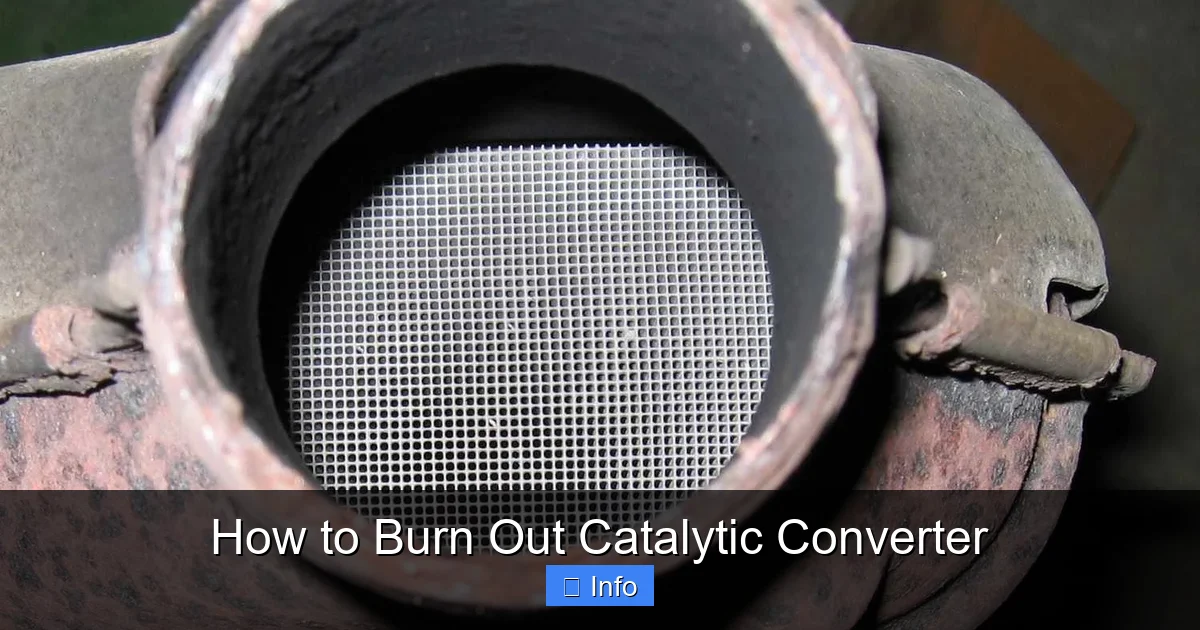
Visual guide about How to Burn Out Catalytic Converter
Image source: liveabout.com
- Increased exhaust noise – A rattling or loud exhaust sound often indicates internal damage
- Sulfur odors – The smell of rotten eggs usually points to sulfur dioxide buildup
- Decreased engine performance – Reduced power and acceleration suggest exhaust flow restrictions
- Failed emissions test – High carbon monoxide or hydrocarbon readings indicate converter inefficiency
- Check Engine Light – Oxygen sensor codes often point to catalytic converter problems
These symptoms don’t always mean immediate replacement is needed. Sometimes a professional diagnosis can reveal simpler, less expensive solutions.
Common Causes of Catalytic Converter Failure
Understanding What Damages Your Converter
While catalytic converters are built to last, several factors can cause premature failure. Understanding these causes helps you prevent problems before they start:
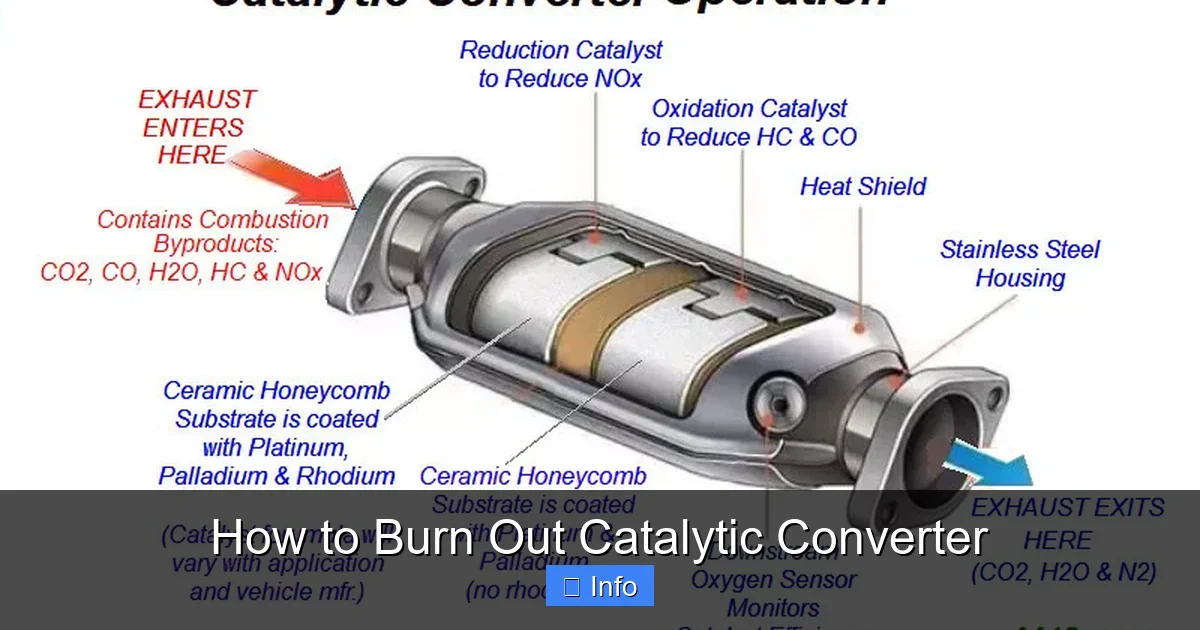
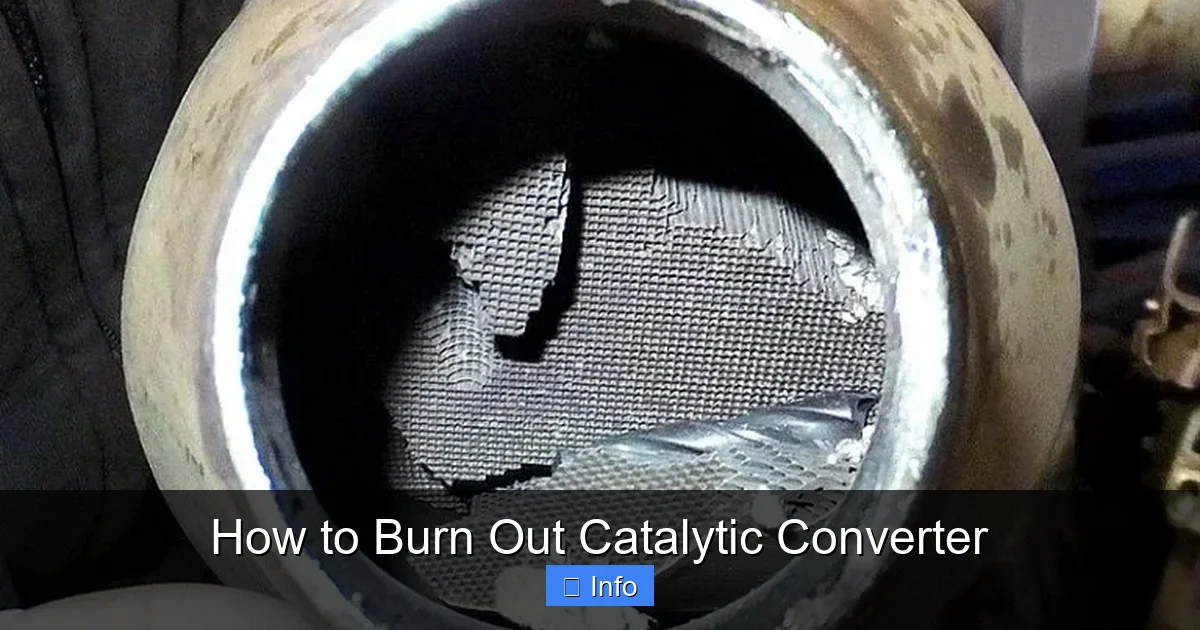
Visual guide about How to Burn Out Catalytic Converter
Image source: aa1car.com
Heat Damage
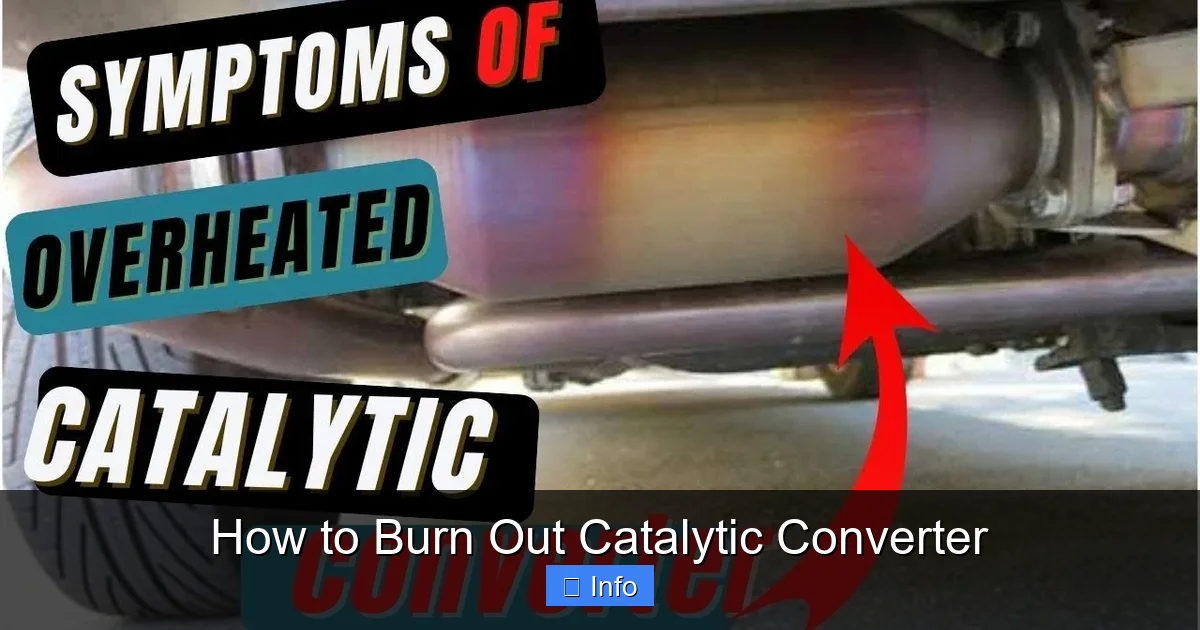
Running your engine hot for extended periods can overheat the converter’s honeycomb structure. This often happens with vehicles that tow heavy loads or frequently drive in mountainous areas.
Oil and Coolant Contamination
When engine oil or coolant enters the combustion chamber, it coats the converter’s internal surfaces. This contamination can cause the catalytic material to break down more quickly.
Fuel System Issues
Running too rich (excess fuel) or incorrect fuel mixture can overwhelm the converter. Similarly, using leaded gasoline instantly destroys converter efficiency.
Age and Normal Wear
Even with perfect maintenance, converters have a finite lifespan. Most manufacturers expect 50,000 to 100,000 miles of service.
Legal Options for Catalytic Converter Issues
Working Within the Law
If you’re experiencing catalytic converter problems, your first step should always be consulting legal alternatives. Many people don’t realize that several legitimate options exist:
Visual guide about How to Burn Out Catalytic Converter
Image source: i.ytimg.com
Professional Cleaning
Some converter issues stem from carbon buildup rather than actual component failure. Professional cleaning services can restore efficiency in certain situations.
OEM Replacement
Original equipment manufacturer converters offer the best long-term solution. While more expensive upfront, they typically provide the longest lifespan and full warranty coverage.
Certified Aftermarket Options
Many states allow replacement with certified aftermarket converters that meet EPA standards. Check your local regulations for approved options.
Performance Converters
For racing or high-performance applications, certified performance converters are available in some jurisdictions. These maintain emissions compliance while improving flow characteristics.
Why You Should Avoid Tampering with Your Catalytic Converter
The Real Cost of Illegal Modifications
It might seem like a quick fix to remove or damage your catalytic converter, but the consequences are far more serious than many people realize. Beyond the obvious environmental impact, illegal modifications carry real financial penalties:
- Fines up to $10,000 – Federal penalties for converter removal can reach this amount
- State-specific penalties – Many states add additional fines on top of federal violations
- Insurance complications – Claims may be denied if illegal modifications contributed to damage
- Resale value loss – Vehicles without converters sell for significantly less
- Registration issues – Some states won’t register vehicles without functioning converters
The short-term savings of avoiding converter replacement pale in comparison to these long-term costs.
Maintenance Tips to Extend Converter Life
Simple Steps for Longevity
The best way to deal with catalytic converter problems is to prevent them entirely. Regular maintenance goes a long way toward ensuring your converter lasts its full expected lifespan:
Keep Your Engine Tuned
Proper engine timing and fuel mixture reduce strain on your converter. Regular oil changes prevent contamination from entering the exhaust stream.
Address Engine Problems Promptly
Misfiring plugs or ignition issues send unburned fuel into the converter. Fix these problems immediately to avoid expensive converter damage.
Use Quality Fuels
Top-tier gasoline contains fewer contaminants that can harm your converter. The slight premium cost pays dividends in extended converter life.
Avoid Extended Idling
Long periods of idling allow the converter to reach extreme temperatures without adequate airflow to cool it down.
Professional Diagnosis: When to Seek Help
Getting Expert Advice
While some catalytic converter symptoms are obvious, others require professional diagnosis. A qualified mechanic has the tools and experience to accurately determine whether your converter needs attention:
Modern diagnostic equipment can measure converter efficiency with precision. This prevents unnecessary replacement costs when simpler solutions exist. Additionally, mechanics understand local regulations and can recommend legal options for your specific situation.
If you’re unsure about any symptoms or warning signs, don’t hesitate to contact a trusted professional. An hour of diagnosis often saves thousands in unnecessary repairs.
Conclusion: Making Smart Choices for Your Vehicle
Catalytic converter issues don’t have to be expensive surprises. By staying alert to warning signs and maintaining regular engine service, you can often prevent problems entirely. When issues do arise, remember that legal alternatives exist and are almost always more cost-effective than illegal modifications.
Your vehicle’s catalytic converter represents an investment in both performance and environmental responsibility. Treat it accordingly, and it will reward you with years of reliable service. For specific situations or complex diagnostics, always consult qualified professionals who understand both your vehicle and local regulations.
Frequently Asked Questions
Can I drive with a bad catalytic converter?
Yes, you can usually drive with a failing catalytic converter for a short time, but it’s not recommended. Continued operation may cause additional engine damage or complete failure. Get it diagnosed by a professional as soon as possible.
How much does it cost to replace a catalytic converter?
Replacement costs vary widely depending on your vehicle and whether you choose OEM or aftermarket parts. Expect to pay between $1,000-$2,500 for most cars, with luxury vehicles sometimes costing significantly more.
What happens if I remove my catalytic converter?
Removing your catalytic converter will trigger a Check Engine Light and cause your vehicle to fail emissions tests. It’s also illegal in most states and can result in substantial fines and registration issues.
Will a bad catalytic converter affect gas mileage?
Yes, a failing catalytic converter often reduces fuel economy. The restricted exhaust flow forces your engine to work harder, burning more fuel. You might see a decrease of 10-30 miles per gallon in severe cases.
How do mechanics test catalytic converter function?
Mechanics use specialized diagnostic tools to measure exhaust backpressure and converter temperature. They may also check oxygen sensor readings before and after the converter to assess efficiency levels.
Can I fix a catalytic converter myself?
abler
Some basic maintenance tasks can help prevent converter problems, but actual repair or replacement requires professional equipment. Attempting DIY fixes can worsen the problem and void warranties. Leave complex work to qualified technicians.