What Is the Hold Button on a Toyota Corolla?
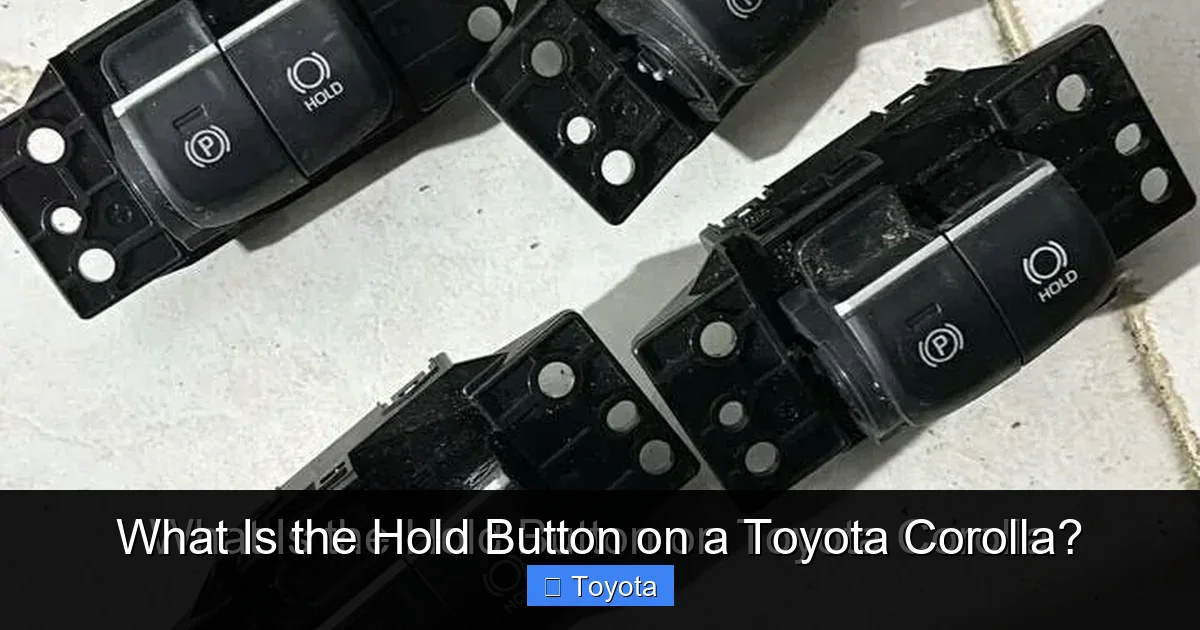
The Hold button on a Toyota Corolla is an intelligent brake-holding feature that keeps your car stationary without keeping your foot on the brake pedal. This system automatically maintains brake pressure when you stop, making driving in traffic easier and safer. Understanding how to use the Hold button properly can improve your driving experience and prevent unnecessary wear on your vehicle’s braking system.
Key Takeaways
- Hold Button Function: The Hold button keeps your Corolla stationary without requiring constant brake pedal pressure.
- Automatic Operation: Once activated, the system automatically applies and maintains brake pressure when you come to a complete stop.
- Hill Start Assistance: The feature prevents your car from rolling backward on inclines, making hill starts much easier.
- Traffic Light Convenience: Perfect for stop-and-go traffic, eliminating the need to constantly press the brake pedal.
- Safety Benefits: Reduces driver fatigue and prevents accidental rolling, especially on steep hills or slippery surfaces.
- Easy Activation: Simply press the button when stopped, and the system will engage automatically when you release the brake pedal.
- Compatible Vehicles: Available on most modern Toyota Corolla models from 2019 onwards, depending on trim level.
📑 Table of Contents
Understanding the Hold Button Feature
If you’ve recently purchased a Toyota Corolla or are considering one, you might have noticed a button labeled “Hold” on your center console. This seemingly simple button actually represents some pretty sophisticated technology designed to make your driving experience more comfortable and safe.
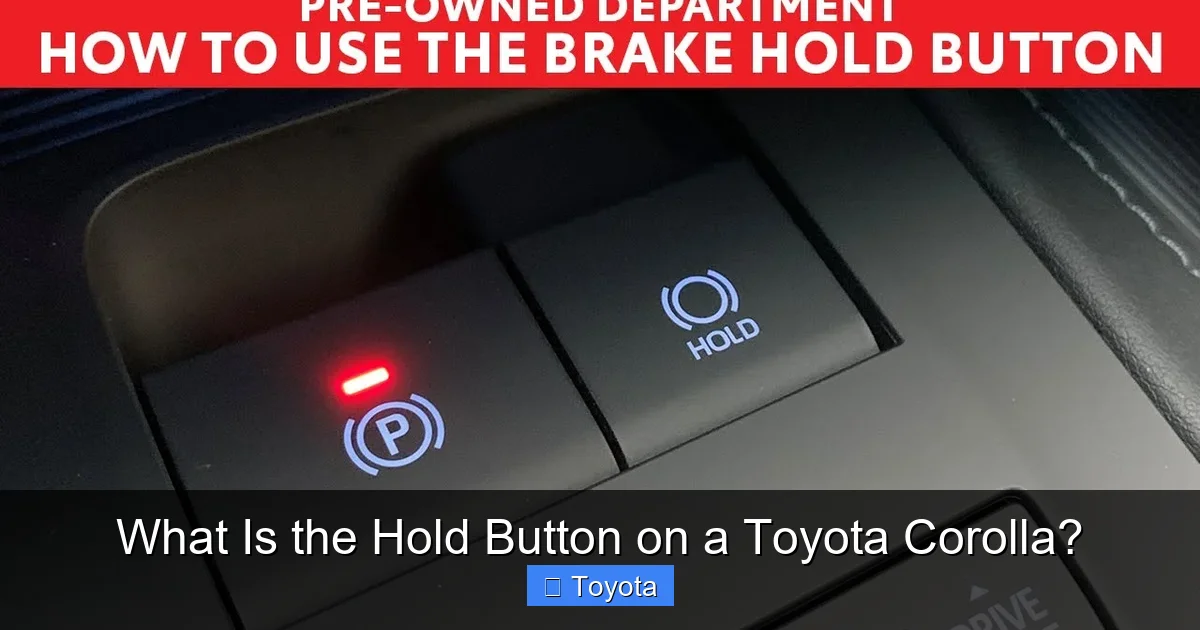
The Hold button is part of Toyota’s brake-holding system, which is essentially an intelligent parking brake function. Unlike traditional parking brakes that require manual engagement, the Hold system works automatically once activated. It’s particularly useful in situations where you need to keep your vehicle stationary for extended periods without keeping your foot on the brake pedal.
Many drivers find this feature especially helpful during their daily commute. Stop-and-go traffic, waiting at long red lights, or sitting in drive-through lines become less tiring when you don’t have to constantly maintain pressure on the brake pedal. The system does this work for you, allowing you to relax your foot while keeping your car securely in place.
How the Hold System Works
Visual guide about What Is the Hold Button on a Toyota Corolla?
Image source: i.ytimg.com
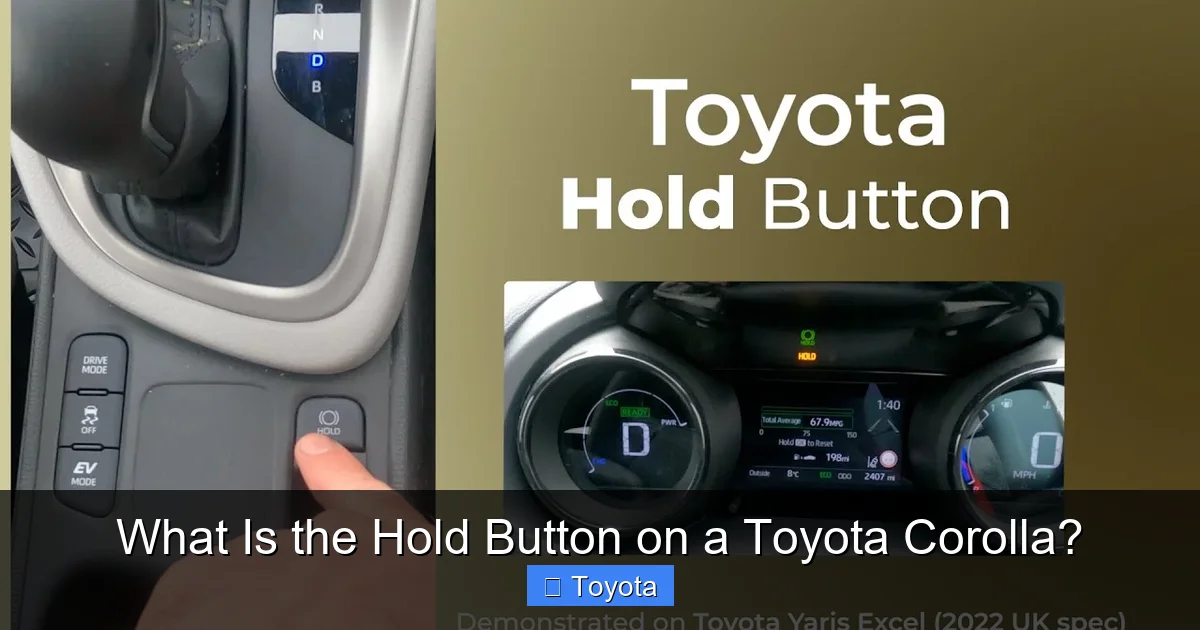
When you press the Hold button, you’re essentially telling your Corolla’s computer system to take over brake pressure management. The system uses electronic sensors and hydraulic components to monitor your vehicle’s movement and maintain appropriate brake pressure automatically.
Activation Process
To activate the Hold feature, simply press the button while your vehicle is completely stopped. You’ll typically see a corresponding indicator light illuminate on your dashboard, confirming the system is ready. The next time you apply the brakes and come to a complete stop, the system will automatically engage and hold the brake pressure for you.
It’s important to note that you should only activate Hold when your vehicle is fully stopped. Attempting to engage it while moving can cause confusion with the system and potentially lead to unsafe driving conditions.
Automatic Brake Application
Once the Hold system is activated, it works seamlessly in the background. When you press the brake pedal to stop and then release it, the system automatically maintains the necessary brake pressure to keep your vehicle stationary. This happens without any additional input from you, making it incredibly convenient for everyday driving.
The system can detect when you press the accelerator pedal to move forward again and will automatically disengage the hold function. This smooth transition makes driving feel natural and effortless, even in heavy traffic conditions.
When to Use the Hold Button
Visual guide about What Is the Hold Button on a Toyota Corolla?
Image source: i.ytimg.com
Knowing when and when not to use the Hold button is crucial for getting the most benefit from this feature while maintaining safety on the road.
Ideal Driving Scenarios
The Hold button truly shines in heavy traffic situations. Whether you’re stuck in morning rush hour or navigating through a busy city center, this feature eliminates the fatigue associated with constantly pressing the brake pedal. It’s also invaluable when waiting at railroad crossings or in construction zones where stops can be prolonged.
Hill starts become significantly easier with Hold engaged. No more worrying about rolling backward when you lift your foot off the brake to move to the accelerator. The system keeps you firmly in place until you’re ready to move forward.
Driving on slippery or uneven surfaces is another excellent time to use Hold. Snow, ice, or loose gravel can make maintaining steady brake pressure challenging. The system ensures consistent holding power regardless of surface conditions.
Situations to Avoid
While Hold is beneficial in many scenarios, there are times when it’s better to rely on traditional braking methods. On steep downhill grades, for example, you may want to maintain manual control over brake pressure to better manage your speed and vehicle stability.
In emergency situations where quick acceleration might be necessary, having Hold engaged could potentially slow your response time. However, the system is designed to disengage quickly when it detects accelerator input, minimizing this concern.
Safety Considerations and Benefits
Visual guide about What Is the Hold Button on a Toyota Corolla?
Image source: toyotaautodealer.com
The Hold button isn’t just about convenience – it provides genuine safety advantages that every Corolla driver should understand.
Preventing Accidental Rolling
One of the most significant safety benefits is preventing accidental vehicle movement. Traditional manual transmissions require coordination between the brake, clutch, and accelerator that can sometimes result in rolling backward on hills. With Hold engaged, this risk is virtually eliminated.
Even automatic transmission drivers benefit from the added security. The system provides an extra layer of protection against unintended movement, which is particularly valuable in parking situations or when passengers are entering and exiting the vehicle.
Reduced Driver Fatigue
Constantly pressing the brake pedal in traffic creates muscle fatigue and can lead to reduced concentration over time. By eliminating this repetitive action, Hold helps drivers maintain better focus on the road and surrounding traffic conditions.
This fatigue reduction is especially important for new drivers who may not yet have developed the muscle memory for smooth brake control. It also benefits older drivers or those with physical limitations that make prolonged brake pedal pressure uncomfortable.
Troubleshooting Common Hold Button Issues
Like any electronic system, the Hold button can occasionally experience problems. Here’s what to watch for and how to address common issues.
System Won’t Engage
If the Hold system fails to activate when you press the button, first check that your vehicle is completely stopped. The system won’t engage while the vehicle is in motion. Also verify that the button isn’t stuck or damaged visually.
Low brake fluid levels can prevent Hold from functioning properly. Check your brake fluid reservoir and top it off if necessary. If the problem persists, there may be an issue with the electronic sensors that require professional diagnosis.
Unintended Disengagement
Sometimes the Hold system may disengage unexpectedly when you don’t want it to. This typically occurs due to sensor malfunctions or electrical interference. Try resetting the system by turning off your vehicle completely and restarting it.
Persistent unintended disengagement should be addressed by a qualified Toyota technician. The sensors and electronic control modules may need recalibration or replacement to restore proper function.
Comparing Hold to Other Brake Systems
Understanding how Hold differs from other braking technologies can help you appreciate its unique value in your Toyota Corolla.
Hill Start Assist vs. Hold
Many vehicles offer Hill Start Assist, which provides temporary brake pressure hold when starting on inclines. However, Hold offers continuous operation as long as the system remains activated, providing more comprehensive coverage than temporary hill-start assistance alone.
Hill Start Assist typically only functions for a few seconds after you begin releasing the brake pedal. Hold maintains pressure indefinitely until you accelerate or manually disengage the system.
Electronic Parking Brake Integration
Modern Corollas may integrate Hold functionality with electronic parking brake systems. This combination provides both dynamic driving assistance and secure parking capabilities through a unified interface. Understanding how these systems work together maximizes their effectiveness.
The integration means you get the convenience of automatic brake holding during driving combined with the security of electronic parking brake engagement when parked on inclives or declines.
Maintenance Tips for Optimal Hold Performance
Keeping your Hold system functioning properly requires attention to your vehicle’s overall brake health and maintenance schedule.
Regular Brake Inspections
Since Hold relies on your vehicle’s primary braking system, maintaining good brake condition is essential. Regular inspections ensure that pads, rotors, and fluid levels remain within specifications for optimal performance.
Worn brake components can cause the Hold system to work harder than necessary, potentially leading to premature failure of electronic components or inconsistent holding performance.
Software Updates
Toyota periodically releases software updates that can improve Hold system functionality and address known issues. Staying current with these updates ensures you have the latest improvements and bug fixes.
Your dealership can check for available updates during routine maintenance visits. Many updates can be performed quickly while you wait, ensuring minimal disruption to your schedule.
Proper Usage Habits
Developing good habits around Hold usage extends its lifespan and effectiveness. Always engage the system when stopped for more than a few seconds in traffic, but avoid unnecessary activation that puts additional strain on brake components.
Remember to disengage Hold when parking for extended periods. While the system can handle prolonged engagement, using the traditional parking brake for long-term parking is still recommended practice.
Maximizing Your Corolla’s Features
Your Toyota Corolla comes with numerous features designed to enhance your driving experience. Learning to use each one effectively, including Hold, helps you get maximum value from your investment.
Taking time to understand how Hold works with other systems like cruise control, lane departure warning, and automatic emergency braking creates a comprehensive safety and convenience package. These integrated technologies work together to make modern driving safer and more enjoyable than ever before.
Whether you’re navigating daily commutes or weekend adventures, features like Hold demonstrate Toyota’s commitment to thoughtful engineering that addresses real-world driving challenges. Your Corolla isn’t just reliable transportation – it’s a carefully designed system that anticipates your needs behind the wheel.
Frequently Asked Questions
What does the Hold button do on a Toyota Corolla?
The Hold button activates an automatic brake-holding system that keeps your vehicle stationary without requiring constant pressure on the brake pedal. Once engaged, it automatically maintains brake pressure when you stop and release the brake pedal, making it ideal for heavy traffic and hill starts.
How do I turn on the Hold function in my Corolla?
Press the Hold button on your center console while your vehicle is completely stopped. You’ll see a dashboard indicator light confirming activation. The system will automatically engage the next time you brake and come to a complete stop.
Is it safe to use the Hold button regularly?
Yes, the Hold button is designed for regular use and can actually reduce driver fatigue and improve safety. It’s particularly beneficial in stop-and-go traffic and on hills. Just remember to use your traditional parking brake for extended parking periods.
Why won’t my Hold button engage?
If Hold won’t engage, check that your vehicle is fully stopped, as the system won’t activate while moving. Low brake fluid levels or sensor issues can also prevent engagement. Try restarting your vehicle, and if the problem persists, consult your Toyota dealer.
Does the Hold button work on manual transmission Corollas?
Yes, the Hold button works on both automatic and manual transmission Toyota Corollas. It’s especially helpful for manual transmission drivers when starting on hills, as it prevents rolling backward while you coordinate the clutch and accelerator pedals.
Can using Hold damage my brakes?
No, using the Hold button properly won’t damage your brakes. The system uses your existing brake components efficiently and is designed for regular use. However, always follow recommended maintenance schedules to ensure optimal brake performance and system longevity.