How Much Is a 1988 Toyota Pickup Worth?
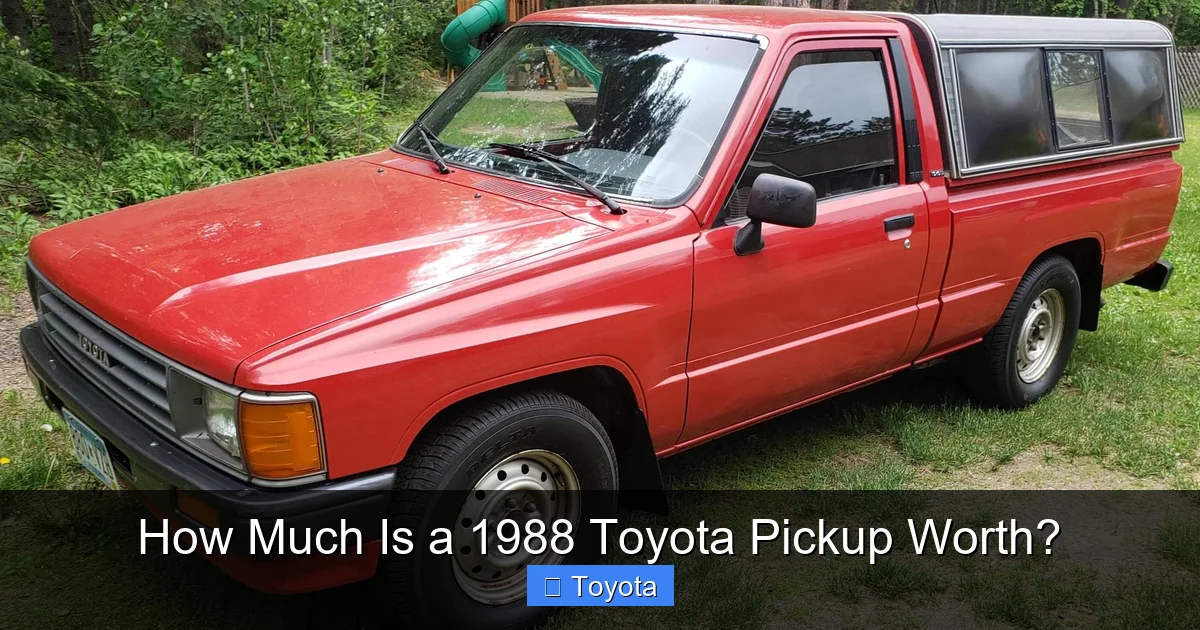
If you own a 1988 Toyota Pickup, you probably wonder how much it could fetch today. This guide breaks down market trends, key value factors, and practical tips to help you get the best price. Whether you are buying, selling, or simply curious, you’ll find easy‑to‑follow advice and real‑world examples.
Key Takeaways
- Point 1: The 1988 Toyota Pickup is part of Toyota’s Hilux lineage and known for durability.
- Point 2: Market value depends heavily on condition, mileage, and original versus modified parts.
- Point 3: Popular trims include the base, SR5, and limited options; each affects price.
- Point 4: Use online tools, recent sales, and comparable listings to set a realistic price.
- Point 5: Proper maintenance and preservation can keep the truck worth more over time.
- Point 6: Compare with newer Toyota trucks like the Tacoma and Tundra for context.
📑 Table of Contents
Understanding the 1988 Toyota Pickup
When you think about the 1988 Toyota Pickup, you are looking at a model that helped shape the North American half‑ton segment. Toyota introduced this version for the 1988 model year, offering a reliable alternative to traditional American trucks. The 1988 Pickup shared many engineering traits with the global Hilux, which meant it was built to handle tough jobs while still delivering decent comfort for daily driving. Even today, enthusiasts appreciate the simple mechanics and the reputation for low maintenance costs.
Model Overview and Variants
The 1988 Toyota Pickup came in several configurations. The most common were the 2.4‑liter 4‑cylinder engine with a 5‑speed manual transmission, and a larger 3.0‑liter inline‑6 option for those who wanted more power. Buyers could choose between a short bed and a longer utility bed, and there were two trim levels: the base model and the SR5, which added features like a leather‑wrapped steering wheel and upgraded instrumentation. Understanding these variants helps you pinpoint exactly which version you have, which is the first step in valuing the 1988 Toyota Pickup.
Key Factors That Influence Its Value
Value is not a single number; it is a blend of many elements. For the 1988 Toyota Pickup, the most important factors are condition, mileage, engine health, and modifications. A truck that has been kept in a dry garage and driven only on weekends usually commands a higher price than one that has seen heavy off‑road use. Mileage matters, but because many owners keep these trucks for decades, low mileage is a rare bonus. Original engine and drivetrain components are prized, while extensive after‑market changes can either boost or lower the price depending on the buyer’s taste.
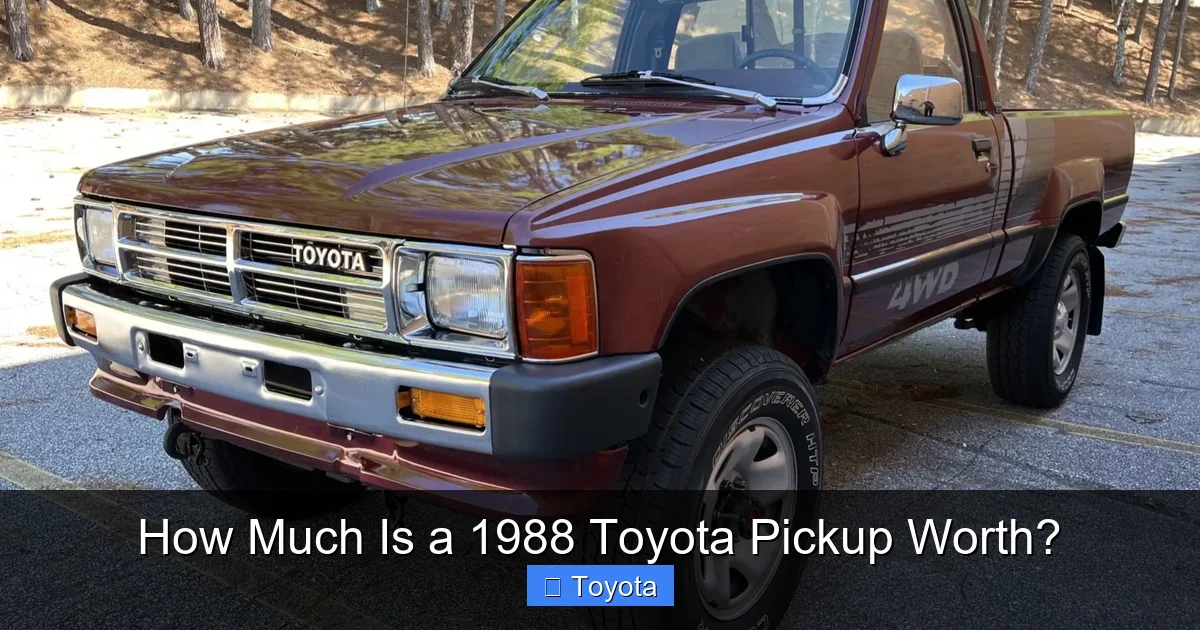
Visual guide about How Much Is a 1988 Toyota Pickup Worth?
Image source: bringatrailer.com
Condition and Mileage
Physical condition includes everything you see and hear. Look for rust-free body panels, straight frames, and untainted interior fabrics. Suspension components should move freely without clunking, and the brakes should feel firm. When it comes to mileage, aim for a realistic number—most 1988 pickups have between 80,000 and 150,000 miles. A well‑documented service history can add credibility and often a small premium to the asking price.
Engine and Drivetrain
The 2.4‑liter four‑cylinder is the workhorse for most buyers. It delivers decent torque for towing small loads and is known for easy maintenance. The 3.0‑liter six‑cylinder offers smoother power and is often found in SR5 models. Whether you have a 2WD or 4WD setup influences handling and fuel economy. A running, healthy engine is a non‑negotiable for any serious buyer. If you can show that the engine starts easily, idles smoothly, and holds compression, you can justify a higher price point.
Restoration and Upgrades
Some owners invest in restoration projects, which can dramatically affect value. A full restoration that returns the 1988 Toyota Pickup to factory specifications often yields a premium, especially if the work is documented with receipts and photos. On the flip side, heavy aftermarket modifications—like a supercharged engine or lifted suspension—may appeal to niche buyers but can reduce the appeal for the mainstream market. It’s important to know your target audience when deciding how far to go with upgrades.
How to Determine Fair Market Price
Finding the right price is part art and part science. Start by checking recent sales on reputable sites such as AutoTrader, Cars.com, and local classifieds. Use the Kelly Blue Book (KBB) and NADA guides as baseline references, but remember they often lean toward conservative estimates. Real‑world listings give you a snapshot of what buyers are actually paying, while expert reviews can highlight any hidden issues you might overlook.
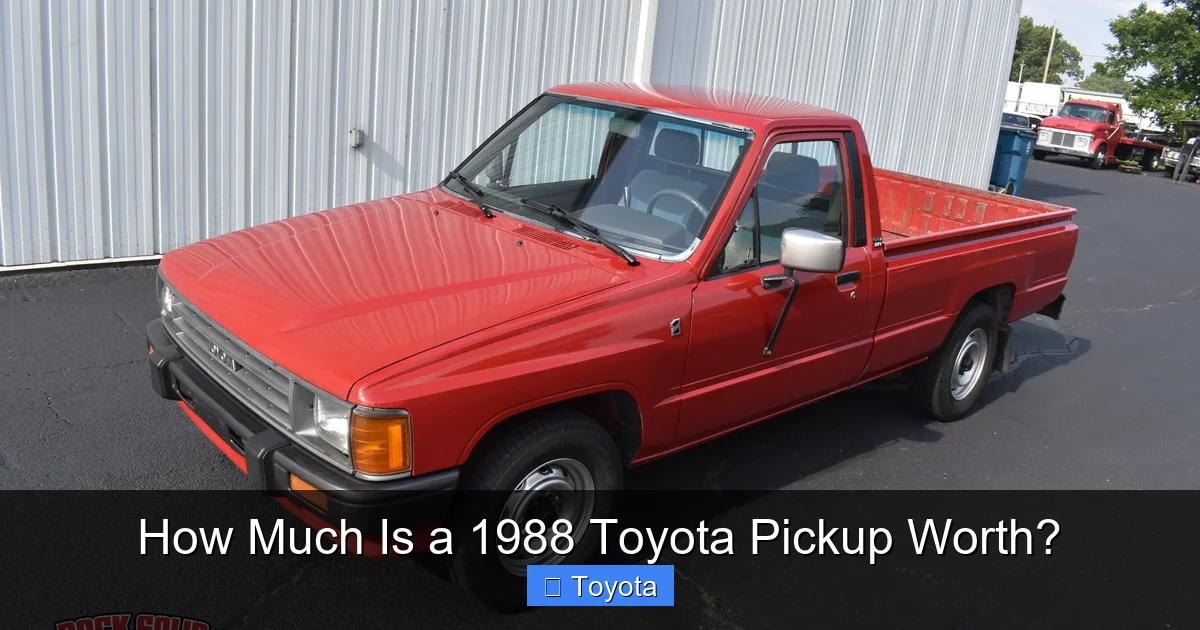
Visual guide about How Much Is a 1988 Toyota Pickup Worth?
Image source: cdn.dealeraccelerate.com
Online Tools and Listings
Online valuation tools are a great first step. Enter your exact trim, mileage, and condition, and you’ll receive a range that reflects current market dynamics. However, these tools can be generic, so they may not capture unique features of your particular 1988 Toyota Pickup. Look at at least 10–15 recent listings in your region for cars with similar specs. Pay attention to whether the sellers list the truck as “mechanically sound,” “needs work,” or “project car.” This classification will help you position your own listing accurately.
Consulting Guides and Experts
Sometimes a professional opinion is worth its weight in gold. A trusted mechanic can give you an honest assessment of the engine, transmission, and suspension. Their report can serve as a bargaining chip when negotiating with buyers. Additionally, classic‑truck clubs and online forums often have members who are eager to share recent sale prices and market trends. You might also consider reaching out to local Toyota dealerships; they sometimes have internal data on trade‑in values for older models.
When you compare your 1988 Toyota Pickup to newer Toyota trucks, you gain context. For example, you can see how much a modern Toyota Tacoma is worth today. Similarly, the Toyota Tundra serves as a useful benchmark for larger trucks. If you want a quick comparison to another Toyota model, check out our guide on the Toyota RAV4. These comparisons help you set a price that feels fair and competitive.
Tips for Buying or Selling a 1988 Toyota Pickup
Whether you are the buyer or the seller, a few proven strategies can make the process smoother and more profitable. Preparation is key. For sellers, a clean, well‑documented vehicle creates trust. For buyers, thorough inspection prevents costly surprises down the road.
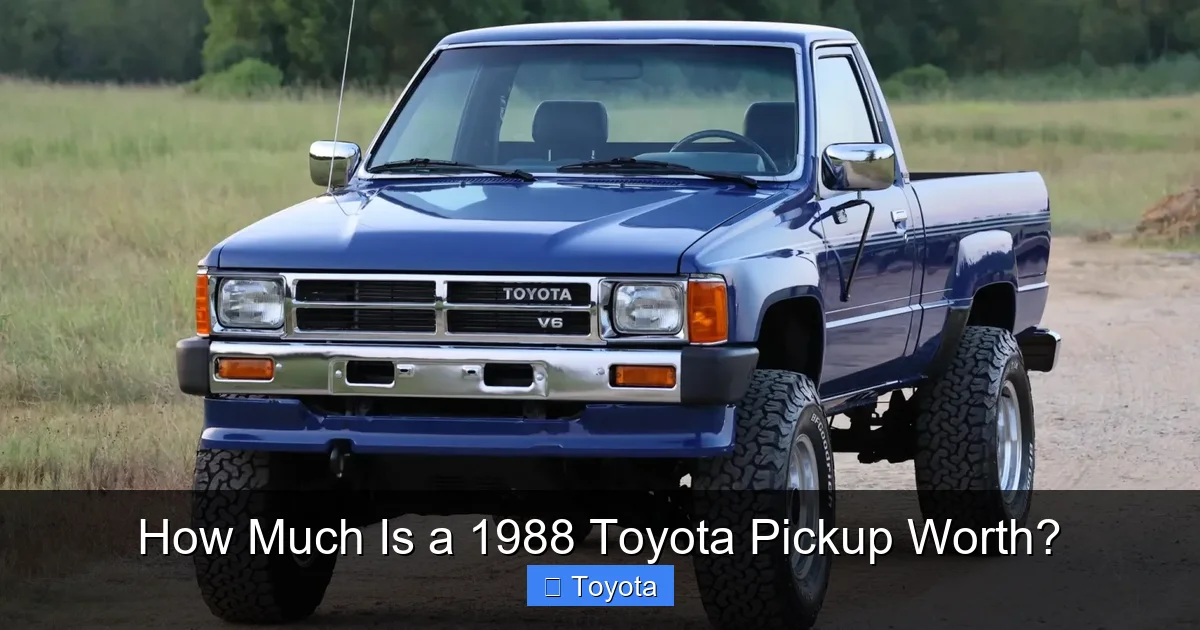
Visual guide about How Much Is a 1988 Toyota Pickup Worth?
Image source: bringatrailer.com
Preparation Before Sale
Start by cleaning both the interior and exterior. A good wash reveals any scratches or rust spots that need attention. Detail the engine bay and undercarriage to show that the truck has been cared for. Take high‑quality photos from multiple angles and include them in your listing. Provide maintenance records, service receipts, and any warranties you might still have. A clear title and a vehicle history report (if available) add credibility. Finally, set a realistic asking price based on the research you have done. Buyers often sniff out listings that are far above market value and will simply move on.
Negotiation Strategies
When a buyer makes an offer, evaluate it against the market data you collected. If the offer is below your bottom line, consider counteroffering with a slight reduction rather than walking away immediately. Be ready to discuss any known issues openly; transparency builds confidence. If the buyer asks about specific components, have inspection reports or mechanic notes ready. Remember that a well‑maintained 1988 Toyota Pickup can often command a premium if you highlight its low mileage, original parts, and recent service history. Patience and clear communication usually lead to the best outcomes for both parties.
Maintaining and Preserving Your Pickup
Even after the sale, proper care keeps a classic truck valuable. Regular oil changes, coolant checks, and brake inspections are basic but essential. Keeping the engine tuned and the transmission fluid fresh helps avoid major repairs later. Preserve original components whenever possible; many collectors value authenticity over upgrades. Store the truck in a dry, climate‑controlled space if you are not using it daily. Use a quality rust‑inhibiting spray on the undercarriage and any exposed metal surfaces. Simple, consistent maintenance can extend the life of your 1988 Toyota Pickup and maintain its resale appeal for years to come.
Regular Maintenance Basics
Follow the manufacturer’s recommended service schedule, even if it means adjusting it for higher mileage. Change the oil every 3,000–5,000 miles, and replace the air filter every 15,000–20,000 miles. Check the belt tension, hoses, and spark plugs regularly. A well‑lubricated drivetrain reduces wear on bearings and joints. Keep a log of every service, including parts replaced and labor costs. This documentation can be a valuable selling point later on.
Preserving Original Parts vs. Aftermarket
Original parts are a hallmark of authenticity. If a component fails, consider rebuilding it rather than swapping in a modern aftermarket part unless you have a specific performance goal. Many owners find that sourcing OEM replacements from salvage yards or online parts stores keeps the truck true to its roots. However, some upgrades—like a more reliable fuel injection system or improved suspension bushings—can enhance reliability without sacrificing character. The key is balance: maintain the core identity while ensuring the truck remains dependable for daily use.
Final Thoughts and Where to Go Next
Determining how much a 1988 Toyota Pickup is worth involves a blend of market research, hands‑on inspection, and a clear understanding of what buyers are looking for today. By focusing on condition, mileage, engine health, and the right presentation, you can set a price that reflects both the truck’s heritage and its current state. Whether you are preparing to sell, planning a restoration, or simply curious about the truck’s place in automotive history, the steps outlined above give you a solid roadmap.
Remember to compare your vehicle against recent listings and consult trusted sources like the Toyota Tacoma value guide and the Toyota Tundra valuation page. These newer models provide useful context for pricing older Toyota trucks. If you want a broader view of Toyota pricing trends, our RAV4 guide offers additional insights.
With patience, thorough research, and a commitment to honesty, you’ll find the right buyer—or the perfect deal—for your classic workhorse. Happy hunting, and may your 1988 Toyota Pickup continue to serve you well for many miles to come.
Frequently Asked Questions
What factors most affect the value of a 1988 Toyota Pickup?
The primary factors are overall condition, mileage, engine and drivetrain health, originality of parts, and any recent restoration work. A clean, well‑documented service history and low mileage typically boost the price, while heavy modifications or rust can lower it.
How do I get an accurate market price for my 1988 Toyota Pickup?
Start with online valuation tools like KBB and NADA, then review recent local listings on sites such as AutoTrader and Cars.com. Comparing similar trims and mileage ranges gives you a realistic price range. Consulting a trusted mechanic and checking classic‑truck forums can also provide valuable insights.
Should I restore a 1988 Toyota Pickup before selling?
Restoring can add value if you keep receipts and document the work. However, extensive custom upgrades may appeal only to niche buyers. Focus on essential repairs—engine, transmission, rust spots—and preserve original components to attract a broader audience.
What is a reasonable asking price for a well‑maintained 1988 Toyota Pickup?
For a truck in good condition with 80,000–120,000 miles, expect to see listings between $4,500 and $7,500. Prices can rise to $9,000 or more for low‑mileage, fully restored examples with complete service records.
Can I use newer Toyota trucks as a price benchmark?
Yes. Looking at current values for the Toyota Tacoma and Toyota Tundra helps you understand market trends for Toyota’s truck segment. These comparisons show how the older Pickup fits into the broader pricing landscape.
How do I preserve the value of my 1988 Toyota Pickup long‑term?
Regular maintenance, rust prevention, and storing the truck in a dry environment are key. Keep original parts where possible, and maintain a detailed service log. This diligence helps retain both mechanical reliability and collector appeal for years to come.