How Many Times Car Insurance Can Be Claimed

You might think you can file a claim every time something happens, but most policies have hidden limits and frequency rules. Understanding how many times car insurance can be claimed helps you avoid premium spikes and ensures you’re covered when it truly matters. This guide breaks down policy language, real‑world scenarios, and smart claiming strategies so you can make the most of your coverage.
Key Takeaways
- Policy Limits Vary – Most insurers set annual claim limits (usually 1‑3 claims) and per‑claim caps that affect how many times you can be paid.
- Claim Frequency Affects Premiums – Each filed claim, even a small one, can raise your rates, especially if you exceed your insurer’s “claim threshold.”
- Deductible Matters – The amount you pay out‑of‑pocket each claim influences whether filing is worth it and how often you should claim.
- State Laws Play a Role – No‑fault states and mandatory coverage rules can impact claim eligibility and frequency.
- Proof & Timing Are Critical – Documenting damage promptly and accurately speeds up settlements and protects your claim history.
- Alternative Solutions Exist – Consider using repair shops, mediation, or bundling policies to reduce claim reliance.
- Professional Advice Helps – Reviewing your policy with an agent can reveal hidden benefits and keep you from over‑claiming.
📑 Table of Contents
Introduction
When you first buy a car insurance policy, you probably focus on the price, the coverage limits, and the deductible. You might assume that “as many times as you need” is built into the contract. In reality, most policies include subtle rules that limit how many times you can be paid out and under what circumstances. Knowing exactly how many times car insurance can be claimed is essential for budgeting, maintaining affordable premiums, and avoiding surprise denials.
This article breaks down the mechanics of claims, the typical limits insurers apply, and practical tips to help you navigate multiple filings without breaking the bank. Whether you’re a new driver, a seasoned car owner, or simply curious about the claim process, you’ll walk away with a clear roadmap for managing your coverage.
Understanding Car Insurance Claims
What Counts as a Claim
A claim is any formal request you make to your insurer for compensation after an insured event—think collisions, theft, vandalism, or natural damage. Even a minor fender‑bender that results in a repair estimate triggers a claim. Insurers track each claim in your policy record, using it to assess risk and set future premiums.
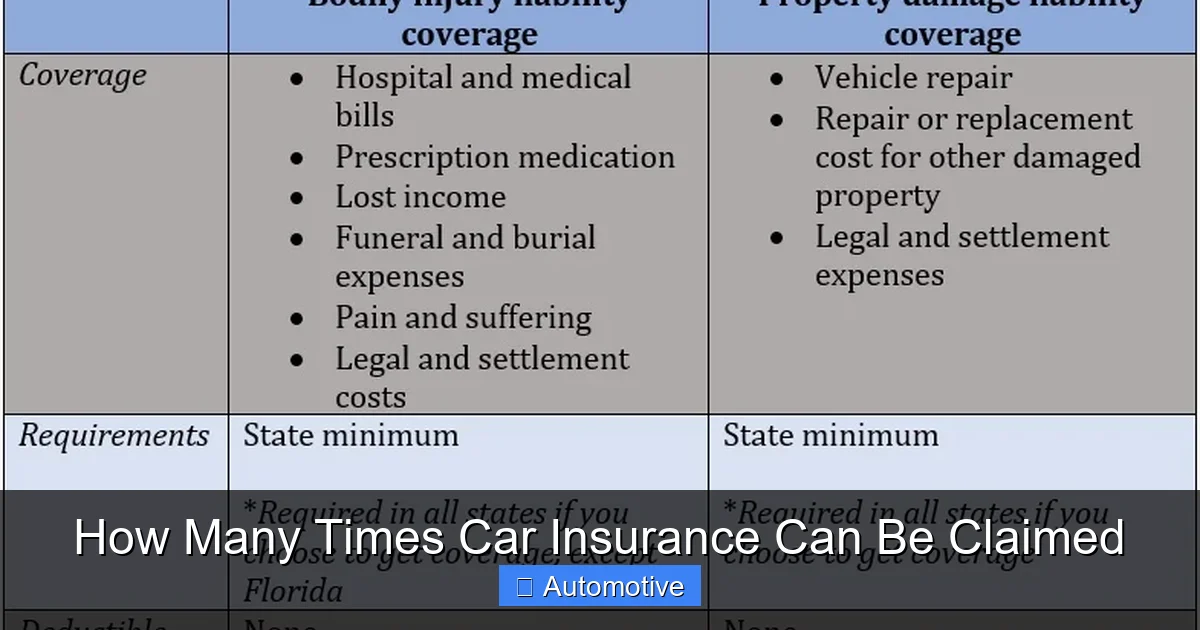
Visual guide about How Many Times Car Insurance Can Be Claimed
Image source: cdn-res.keymedia.com
When you file, you typically provide photos, police reports, and repair estimates. The insurer then investigates, determines liability, and decides whether to approve the payout based on your coverage limits and any exclusions.
Types of Claims
There are several claim categories:
- Collision Claims – Damage to your own vehicle from a crash.
- Comprehensive Claims – Non‑collision events like fire, hail, or animal strikes.
- Liability Claims – When you’re at fault and another party’s property or injuries are involved.
- Uninsured/Underinsured Motorist Claims – Situations where the at‑fault driver lacks sufficient coverage.
Each type follows the same basic claim process but may have different limits or exclusions.
Policy Limits and Frequency
Annual Claim Limits
Most standard policies do not state a hard “you can only claim three times per year” rule. Instead, insurers often embed a “claim frequency” clause that caps the number of claims you can reasonably expect in a policy period (usually one year). Typical limits range from one to three claims, though high‑end or commercial policies may allow more.

Visual guide about How Many Times Car Insurance Can Be Claimed
Image source: ausinside.com
These limits are not always spelled out in plain language. You’ll find them in the “Conditions” or “Claims” section, often under headings like “Maximum Claims per Year” or “Claim Frequency.” If you exceed the limit, the insurer can deny a claim or increase your premium dramatically.
Per‑Claim Limits
Even if you stay within the annual claim count, each individual claim has a monetary cap. This is usually the sum of your coverage limits (e.g., $5,000 for collision, $10,000 for comprehensive). For liability, the limit might be $25,000 per person, $50,000 per accident.
Understanding these caps helps you decide whether filing a claim is worthwhile. If the repair cost is only a few hundred dollars but your deductible is $500, you might choose to pay out‑of‑pocket to avoid a claim that could raise your rates.
How Many Times Can You File a Claim?
Typical Scenarios
Most drivers file 0‑2 claims over a five‑year span. A single fender‑bender, a broken windshield from hail, or a minor theft are common reasons to file. If you live in a high‑risk area (e.g., heavy snow, frequent vandalism), you might see more claims.
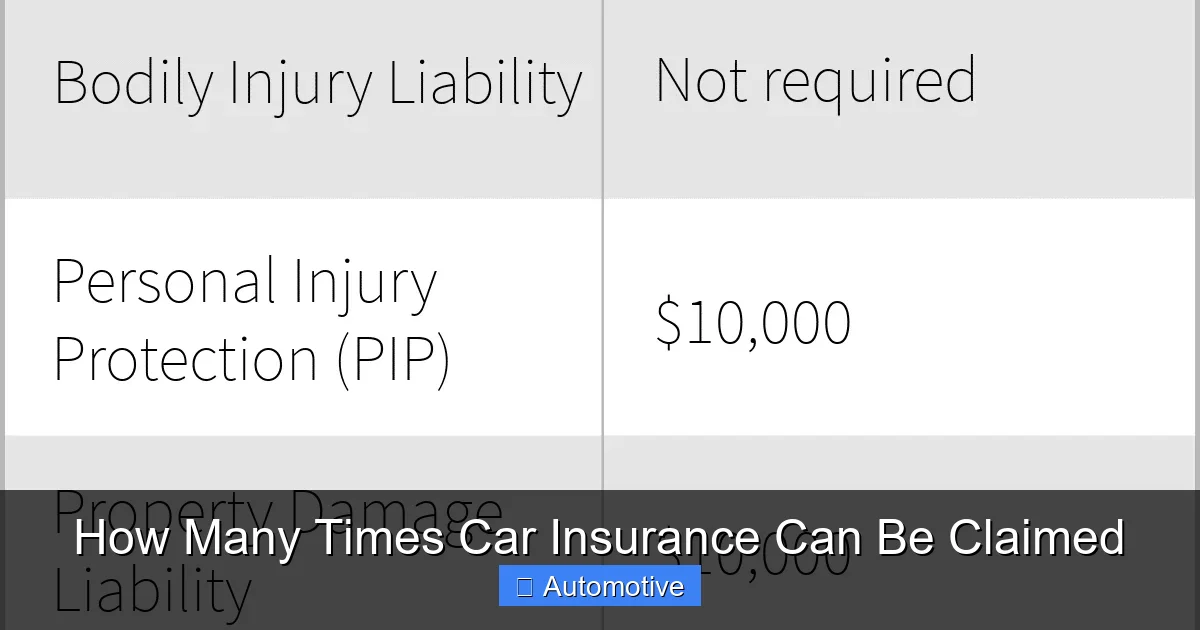
Visual guide about How Many Times Car Insurance Can Be Claimed
Image source: harrylevineinsurance.com
Consider a driver who gets into three minor collisions in a year. The first two claims are covered, but the third may be denied if the policy’s annual claim limit is two. The insurer might also flag the driver as “high‑risk,” leading to a premium hike.
Impact on Premiums
Each claim leaves a mark on your insurance record. Even a “no‑fault” claim can increase your rates by 10‑30%, depending on the insurer and your history. Some companies have a “claim forgiveness” program after a certain number of claim‑free years, but it’s usually an extra add‑on.
Research shows that drivers who file more than one claim in a three‑year period see their premiums rise by an average of $300‑$800 annually. That’s why many experts advise using your deductible strategically: if the repair cost is close to or below the deductible, it may be cheaper to pay out‑of‑pocket.
Tips to Maximize Your Claims Experience
Document Everything
Take photos, gather witness statements, and keep receipts. A thorough paper trail speeds up the adjuster’s review and reduces the chance of disputes. Digital copies stored in cloud folders are handy for quick retrieval.
Know Your Deductible
Your deductible is the amount you pay before insurance kicks in. Choosing a higher deductible lowers your monthly premium but means larger out‑of‑pocket costs per claim. Balance your budget with risk tolerance.
Shop Around for Better Rates After a Claim
If a claim raises your rates, consider comparing quotes. Some insurers, like Allstate or State Farm, may offer more claim‑friendly policies. This is especially true for teen drivers who often face higher premiums after an initial claim.
Special Cases and Exceptions
Total Loss Situations
When a vehicle is totaled, the claim process is different. You receive a settlement equal to the car’s actual cash value (ACV) minus your deductible. In some states, insurers must offer a replacement cost valuation if you purchase that endorsement.
Third‑Party Claims
If someone else is at fault and you’re filing a liability claim against their insurer, the frequency limits apply to their policy, not yours. However, you may need to coordinate with your own insurer for uninsured motorist coverage if the at‑fault driver is underinsured.
Conclusion
Understanding how many times car insurance can be claimed isn’t just about reading the fine print—it’s about managing risk, controlling costs, and protecting your driving record. By staying aware of annual claim limits, per‑claim caps, and the financial impact of each filing, you can make smarter decisions about when to file and when to let the deductible cover the expense.
Remember to keep detailed records, compare rates after a claim, and consider your deductible carefully. With the right approach, you’ll maximize the benefits of your policy while keeping premiums affordable. If you ever feel uncertain, a quick chat with your insurance agent can clarify hidden terms and ensure you’re getting the most out of your coverage.
Frequently Asked Questions
What is the typical annual claim limit on a standard car insurance policy?
Most standard policies allow one to three claims per year, though the exact number is often buried in the “Claims Frequency” clause. Exceeding this limit can lead to claim denials or steep premium increases.
How does filing a claim affect my insurance premium?
Each claim is recorded in your driving record and typically raises your premium by 10‑30%, depending on the insurer and the severity of the claim. Some insurers offer claim forgiveness after a certain claim‑free period.
Can I file more than one claim for the same incident?
No. A single accident or loss is considered one claim, regardless of how many damages you incur. Splitting a claim into multiple filings is not allowed and can be considered fraud.
What is a deductible and how does it influence my decision to claim?
Your deductible is the amount you pay out‑of‑pocket before insurance coverage applies. If the repair cost is lower than your deductible, it’s often cheaper to pay for the damage yourself to avoid a claim that could raise your rates.
Are there any situations where I can claim without affecting my premiums?
In some states, “no‑fault” claims for minor damages may not impact your premium, but this varies by insurer. Additionally, some policies include “catastrophic loss” coverage that may not affect standard premium calculations.
How often should I review my policy to understand claim limits?
It’s wise to review your policy annually, especially after any claim or major life change. A yearly review helps you spot hidden limits, understand your deductible, and ensure you have adequate coverage.