How Long Does a Toyota Alternator Last
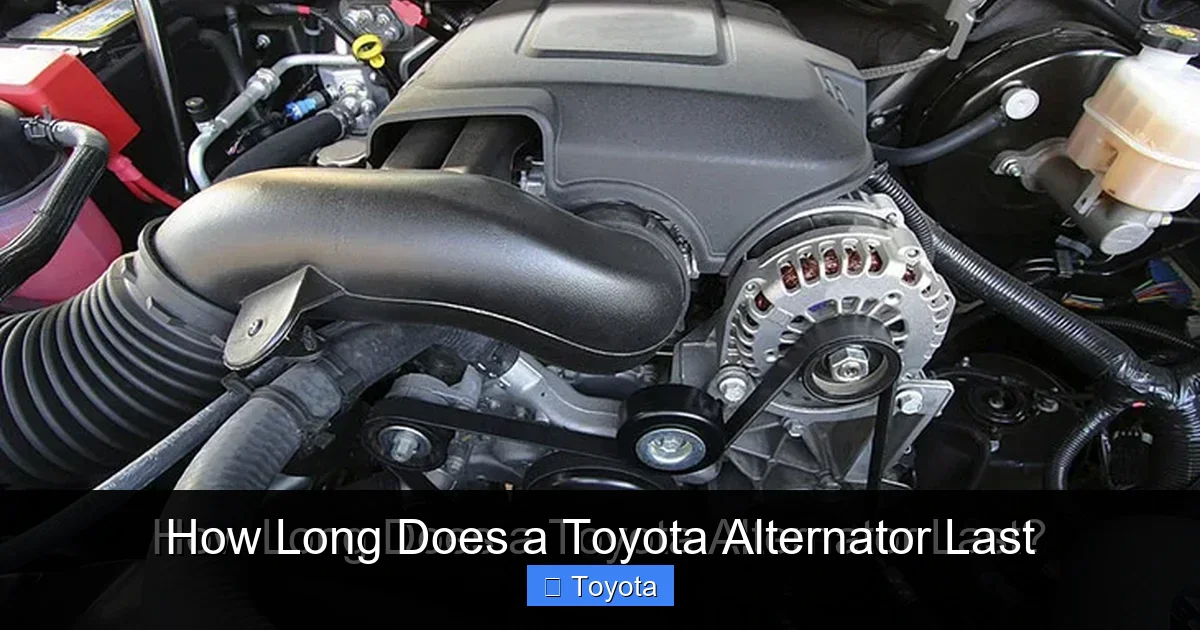
A Toyota alternator typically lasts between 80,000 and 150,000 miles, or roughly 7 to 10 years under normal driving conditions. However, several factors like driving habits, climate, and maintenance routines can significantly shorten or extend that lifespan. Understanding the warning signs early can save you from unexpected breakdowns and costly repairs.
Key Takeaways
- Average Lifespan: A Toyota alternator lasts 80,000 to 150,000 miles or 7 to 10 years on average.
- Driving Habits Matter: Short trips and extreme temperatures reduce alternator life significantly.
- Warning Signs Are Clear: Dim headlights, dashboard warnings, and unusual noises signal alternator trouble.
- Replacement Cost Is Reasonable: Expect to pay between $300 and $700 for parts and labor combined.
- Maintenance Helps: Regular inspections and clean connections can extend alternator life by years.
- Don’t Ignore Symptoms: A failing alternator can leave you stranded and drain your battery completely.
📑 Table of Contents
- How Long Does a Toyota Alternator Last
- What Does a Toyota Alternator Do?
- Average Lifespan of a Toyota Alternator
- Warning Signs Your Toyota Alternator Is Failing
- Toyota Alternator Replacement Cost
- Tips to Make Your Toyota Alternator Last Longer
- When to Replace vs. When to Repair
- Final Thoughts on Toyota Alternator Longevity
How Long Does a Toyota Alternator Last
If you own a Toyota, you have probably wondered about the health of your alternator at some point. It is one of those parts you do not think about until something goes wrong. And when it does go wrong, you are usually stuck on the side of the road with a dead battery and a car that will not start.
The alternator is the unsung hero of your Toyota’s electrical system. It keeps your battery charged and powers all the electrical components while the engine runs. Without a working alternator, your Toyota is essentially a very expensive paperweight. So understanding how long it lasts and what affects its lifespan is incredibly valuable for any Toyota owner.
In this guide, we will walk through everything you need to know about Toyota alternator lifespan. We will cover how long they typically last, what factors speed up or slow down wear, the warning signs of a failing unit, and what you can expect to pay for a replacement. Whether you drive a brand new model or a high-mileage older one, this information will help you stay ahead of problems.
What Does a Toyota Alternator Do?
Before we dive into lifespan numbers, let us quickly cover what the alternator actually does. Many people confuse the alternator with the battery, but they serve very different purposes. The battery provides the initial electrical burst to start your engine. The alternator takes over the moment the engine starts running and keeps everything powered.
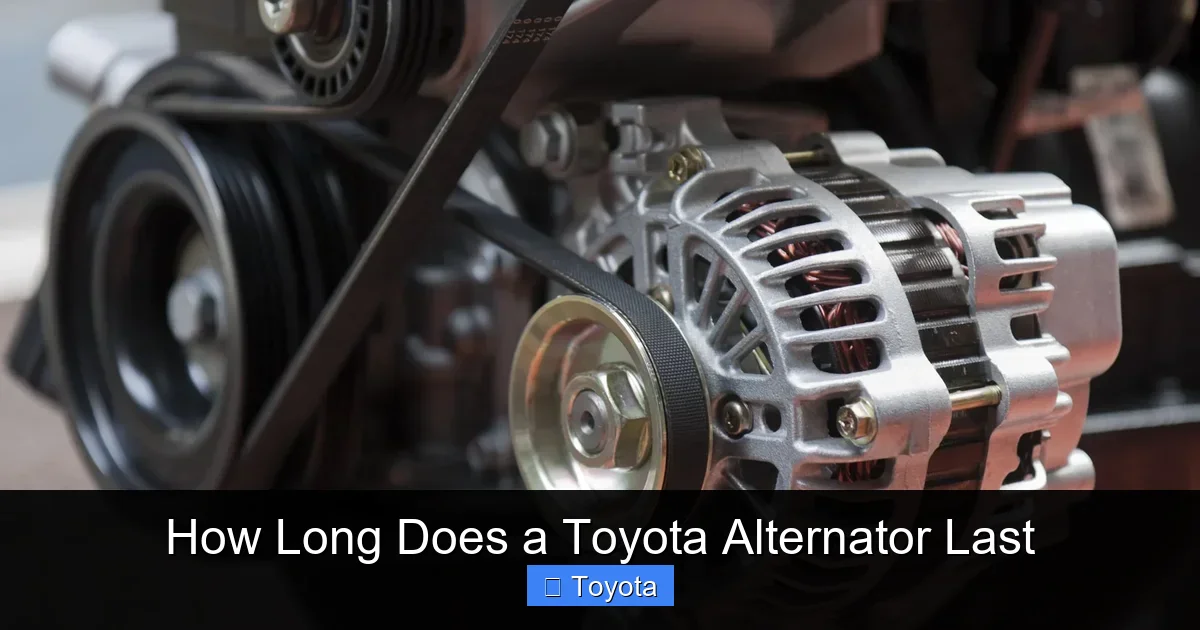
Visual guide about How Long Does a Toyota Alternator Last
Image source: toyotaautodealer.com
How the Alternator Works in Simple Terms
Think of the alternator as a tiny electrical generator inside your engine bay. It uses the spinning motion of the engine to produce electricity. That electricity flows through the wiring to recharge the battery and power things like your headlights, radio, air conditioning, and power windows. Pretty clever engineering, right?
Every Toyota model uses this same basic principle. Whether you drive a compact sedan or a full-size truck, the alternator works the same way. The difference lies in the size and output rating of the unit. Larger vehicles with more electrical demands need a more powerful alternator, but the fundamental design remains unchanged.
Average Lifespan of a Toyota Alternator
So how long does a Toyota alternator last on average? The short answer is between 80,000 and 150,000 miles. In terms of years, most owners can expect their alternator to last somewhere between 7 and 10 years. But that is just the average. Your actual experience could be quite different depending on several factors.
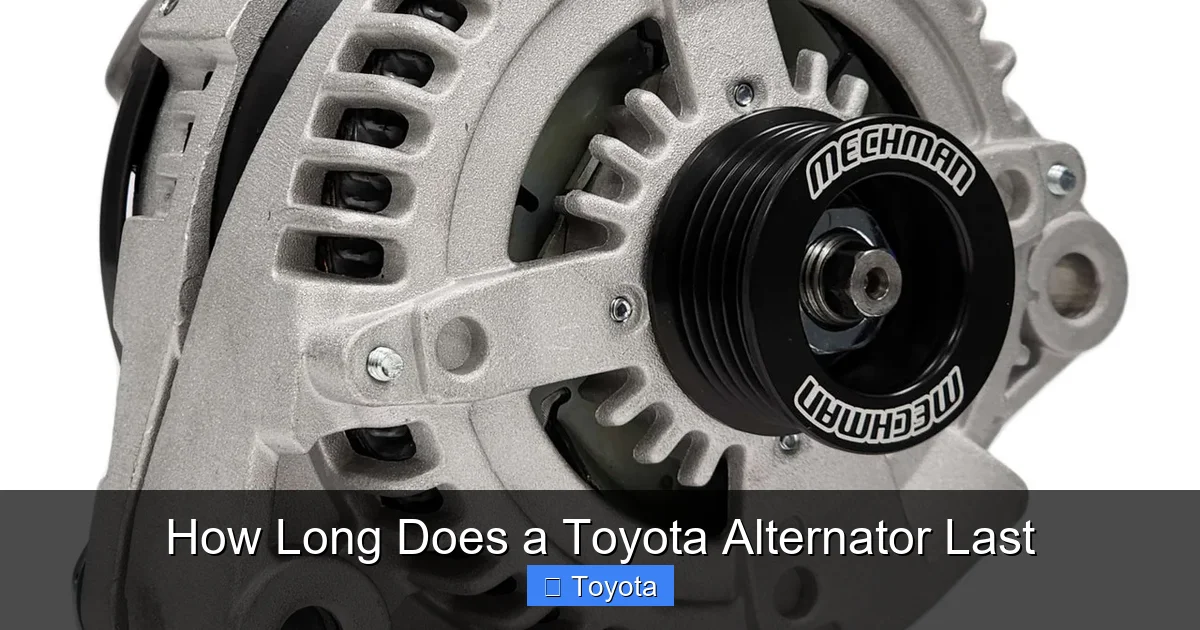
Visual guide about How Long Does a Toyota Alternator Last
Image source: cdn11.bigcommerce.com
Mileage Ranges by Toyota Model
Different Toyota models place different demands on the alternator. A Toyota Corolla with a standard engine puts relatively light loads on the alternator. Owners of these vehicles often report alternators lasting well past the 100,000-mile mark with proper care. On the other hand, a Toyota Tacoma towing a heavy trailer works the alternator much harder and may see more wear over time.
If you are curious about the weight differences between models, check out our article on how much a Toyota costs across different trims and configurations. Heavier vehicles generally require more electrical output, which can influence alternator longevity.
Factors That Affect Alternator Lifespan
Several things determine how long your Toyota alternator will actually last. Let us look at the most important ones.
Driving Habits. If you mostly take short trips around town, your alternator does not get much time to fully recharge the battery. This creates a cycle of partial charging that wears out the alternator faster. Long highway drives are actually much better for alternator health because they allow the unit to run at a steady, optimal output for extended periods.
Climate and Weather Conditions. Extreme heat is the enemy of electrical components. If you live in a hot climate or regularly park your Toyota in direct sunlight, the alternator will experience more thermal stress over time. Cold weather also poses challenges because the battery has to work harder, putting additional strain on the alternator.
Electrical Load. Modern Toyotas come loaded with electronics. Navigation systems, heated seats, backup cameras, and premium audio systems all draw power. If you have added aftermarket accessories like additional lighting or a high-powered sound system, your alternator is working harder than it was designed to. This extra load can shorten its lifespan.
Manufacturing Quality. Toyota is known for building reliable vehicles, and the alternators they use are no exception. OEM Toyota alternators tend to last longer than cheaper aftermarket alternatives. However, even the best alternator will eventually wear out with enough miles on the clock.
Warning Signs Your Toyota Alternator Is Failing
Catching alternator problems early can save you from a lot of headaches. The alternator does not usually fail without warning. Your Toyota will give you several clues that something is wrong. Here are the most common signs to watch for.
Dashboard Warning Lights
The battery or charging system warning light on your dashboard is often the first indicator. This light typically looks like a battery icon and should briefly illuminate when you start the car, then turn off. If it stays on or flickers while driving, your alternator is likely not charging the battery properly. Do not ignore this signal.
Electrical Issues and Dimming Lights
Have you noticed your headlights dimming when you slow down or turn on the air conditioning? This is a classic sign of a weak alternator. When the alternator cannot produce enough power, your Toyota prioritizes essential systems and dims the lights to compensate. Other electrical symptoms include flickering dashboard lights, slow power window operation, and a dimming center console display.
Unusual Noises From the Engine Bay
A failing alternator can make some distinctive sounds. Listen for a whining or grinding noise that changes with engine speed. These sounds usually come from worn bearings inside the alternator. A grinding noise specifically suggests that the internal components are rubbing together when they should not be. If you hear anything unusual, get it checked right away.
Battery Problems That Keep Coming Back
If you find yourself jumping your Toyota more than once, the alternator is a prime suspect. A dead battery is often blamed, but the real culprit might be the alternator failing to keep it charged. Replacing the battery alone will not solve the problem if the alternator is the root cause of the drain.
Stalling or Difficulty Starting
In more advanced stages of alternator failure, your Toyota might stall while driving or struggle to restart after shutting off. This happens because the battery has been drained too low to provide enough power for ignition. At this point, both the alternator and the battery may need attention.
Toyota Alternator Replacement Cost
Wondering how much it costs to replace a Toyota alternator? The answer depends on your specific model, the year, and whether you choose OEM parts or aftermarket alternatives. On average, you can expect to pay between $300 and $700 for a complete replacement including parts and labor.
The alternator part itself usually costs between $150 and $350. Labor charges vary by mechanic and region but typically range from $150 to $350 as well. Some Toyota models have alternators that are easier to access than others, which affects the labor time and cost.
For comparison, the fuel pump replacement cost tends to be in a similar range, though some Toyota models can have fuel pump jobs that cost significantly more depending on the design of the fuel system.
If you are handy with tools, you can save on labor by replacing the alternator yourself. Many Toyota alternators are accessible enough for a DIY replacement. Just make sure you disconnect the battery first and follow proper safety procedures. A repair manual specific to your Toyota model year will walk you through the exact steps.
Tips to Make Your Toyota Alternator Last Longer
You cannot prevent an alternator from eventually wearing out, but you can take steps to extend its life. Here are some practical tips that any Toyota owner can follow.
Get Regular Inspections. During routine oil changes and maintenance visits, ask your mechanic to inspect the alternator and charging system. Catching small problems early prevents bigger, more expensive failures down the road. A simple voltage test takes just a few minutes but reveals a lot about alternator health.
Keep Electrical Connections Clean. Corrosion on the battery terminals and alternator wiring can restrict electrical flow and cause the alternator to work harder than necessary. Clean the terminals with a baking soda and water solution, and make sure all connections are tight and secure. This simple maintenance step goes a long way.
Avoid Overloading the Electrical System. If you have aftermarket accessories, make sure they are properly installed and fused. Adding too many high-draw devices without upgrading the alternator can push it beyond its limits. If you consistently need more power, consider upgrading to a higher-output alternator designed for your Toyota model.
Take Longer Drives When Possible. As mentioned earlier, short trips are tough on the charging system. If you can, take your Toyota on a longer drive occasionally to give the alternator time to fully recharge the battery and operate at its normal temperature range.
Address Warning Signs Immediately. Do not wait for a problem to get worse. If you notice any of the symptoms discussed earlier, get your Toyota inspected as soon as possible. Early intervention is always cheaper and less inconvenient than dealing with a complete alternator failure on the road.
When to Replace vs. When to Repair
Not every alternator problem requires a full replacement. Sometimes the issue is something simple and inexpensive. For example, a loose serpentine belt or a faulty voltage regulator can mimic alternator failure. A mechanic can diagnose these issues with a few quick tests.
If the alternator itself is the problem, the decision to replace or repair depends on the specific failure. Worn brushes or a bad voltage regulator might be repairable at a lower cost. However, if the bearings are worn out or the stator has failed, replacement is usually the better option. Rebuilt alternators are available at a lower price point, but OEM new alternators offer better reliability and peace of mind.
For Toyota owners who want to understand the overall investment in the vehicle, knowing the cost of parts like the alternator helps with long-term budgeting. If you are considering a used Toyota or comparing ownership costs, our article on how much a new Toyota Corolla costs can give you a broader picture of what to expect from Toyota ownership expenses.
Final Thoughts on Toyota Alternator Longevity
A Toyota alternator is built to last, and for most owners, it will serve reliably for many years and tens of thousands of miles. The key is to pay attention to the warning signs, keep up with regular maintenance, and address any electrical issues promptly. Ignoring alternator problems is the fastest way to end up stranded with a car that will not start.
Remember that alternator lifespan is not an exact science. Your driving conditions, habits, and maintenance routines all play a role. By staying proactive and informed, you can maximize the life of your Toyota alternator and avoid unexpected breakdowns.
If you suspect your alternator might be failing, do not wait. Have a professional diagnose the issue or perform the simple tests described in this article. A little attention now can save you a lot of trouble and expense later. Your Toyota alternator works hard every time you turn the key, so give it the care it deserves.
Frequently Asked Questions
How can I test my Toyota alternator at home?
You can use a multimeter to test your Toyota alternator at home. Set it to DC voltage and touch the probes to the battery terminals with the engine off. You should see about 12.6 volts. Then start the engine and rev it to around 2000 RPM. The voltage should rise to between 13.5 and 14.5 volts. If it stays the same or drops, your alternator may not be charging properly.
Can a Toyota alternator last 200,000 miles?
Yes, it is possible for a Toyota alternator to last 200,000 miles, though it is not the norm. Owners who take good care of their vehicles, drive mostly on highways, and avoid extreme conditions are more likely to reach that milestone. Regular maintenance and clean electrical connections play a big role in achieving this kind of longevity.
Is it safe to drive with a bad alternator?
It is not safe to drive with a bad alternator for long distances. Your car will run on battery power alone, and once the battery is drained, the engine will stall and you will not be able to restart it. If you notice alternator symptoms, get your Toyota to a mechanic as soon as possible to avoid being stranded.
What causes a Toyota alternator to fail prematurely?
Several things can cause premature alternator failure. Short trips that never fully charge the battery are a common culprit. Extreme heat, excessive electrical load from aftermarket accessories, worn serpentine belts, and dirty electrical connections all contribute to early wear. Ignoring warning signs also accelerates damage.
Does the Toyota model affect alternator lifespan?
Yes, the Toyota model can affect alternator lifespan to some degree. Models with higher electrical demands or those used for towing experience more stress on the alternator. However, all Toyota alternators are built to reliable standards, and proper maintenance matters more than the specific model when it comes to longevity.
How long does an alternator replacement take?
A Toyota alternator replacement typically takes between one and three hours at a repair shop. The exact time depends on the model, how accessible the alternator is, and whether any additional parts need to be replaced at the same time. Some Toyota models have alternators that are easier to reach than others, which can shorten the service time.