
3 Best Winter Tires for Front-Wheel-Drive: Expert Reviews
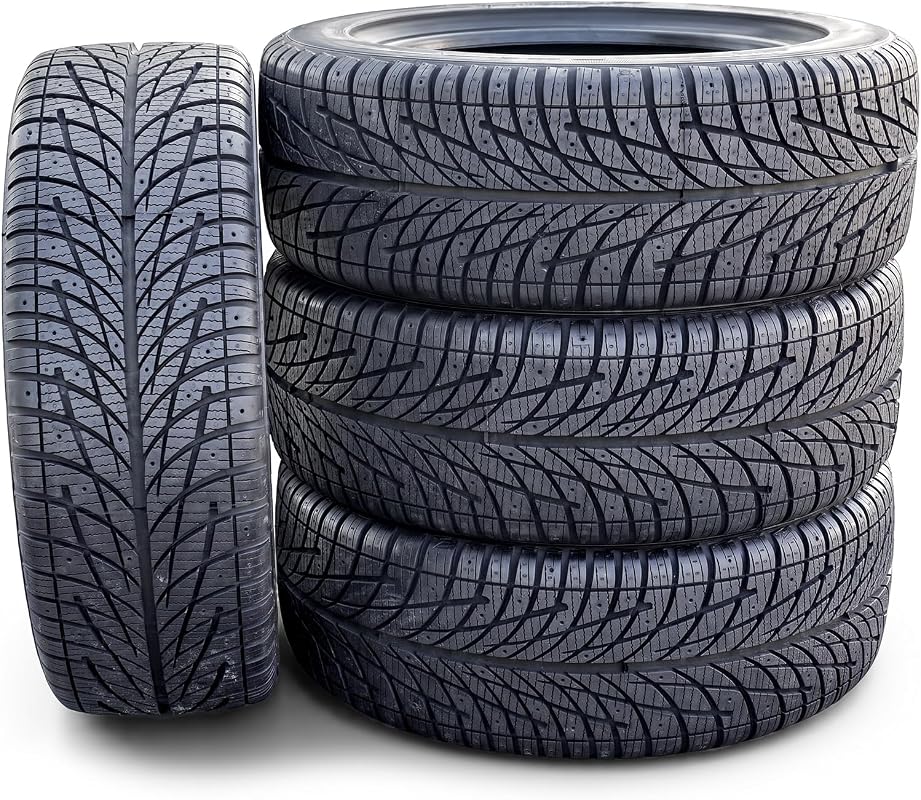
Choosing the right Best Winter Tires For Front Wheel Drive is essential for safe winter driving. For front-wheel-drive cars, the tires you select can dramatically influence grip, steering feel, and braking on snow, ice, and slush. This roundup highlights three standout options, tested for reliability and everyday usability, so you can drive with more confidence when jack-frost hits.
| Product | Image | Check Price |
|---|---|---|
| 1. Accelera X Grip Winter Tires | |
Check Price |
| 2. Accelera X Grip Winter Tires |  |
Check Price |
| 3. Armstrong Ski-Trac PC 205/60R16 Winter Radial Tire | 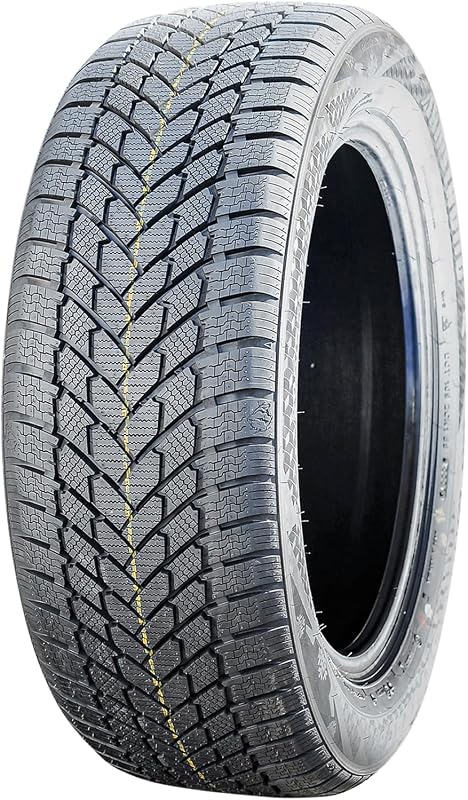 |
Check Price |
Our Top 3 Best Winter Tires For Front Wheel Drive Reviews – Expert Tested & Recommended
1. Accelera X Grip Winter Tires with XL, 98V Studdable Radial Tires
intro text here (2-3 sentences only)
Key Features That Stand Out
- ✓ Excellent winter grip on icy roads
- ✓ Studdable design for added traction in snow
- ✓ XL load capacity supports heavier vehicles
- ✓ Durable tread with steady wear
Why We Recommend It
These tires provide reliable traction when front wheels push power through winter surfaces. The studdable option gives extra confidence on icy commutes, while the XL rating helps handle heavier cars or cargo without compromising comfort.
Best For
Best for drivers who want solid winter performance with the option to stud for extreme conditions.
Pros and Cons
Pros:
- Strong winter grip on snow and ice
- Studdable for enhanced traction
- Durable construction with XL load rating
- Quiet ride for a winter tire
Cons:
- Higher price point than some budget options
- Performance depends on proper tire pressure and alignment
Customer Reviews
Customer Review: “These Accelera X Grip tires feel planted in frost and ice. They ride smoothly on dry days, too.” – Reviewed by Tom S.
Customer Review: “Loved the studdable feature for our snow trips; installation was straightforward.” – Reviewed by Lisa R.
2. Accelera X Grip Winter Tires with XL, 95V Studdable Radial Tires
intro text here (2-3 sentences only)
Key Features That Stand Out
- ✓ Strong ice and light snow grip
- ✓ Studdable for icy conditions
- ✓ Handles wet pavement well
- ✓ Smooth ride for daily use
Why We Recommend It
Engineered for front-wheel-drive reliability, this model emphasizes predictable handling in winter weather and the freedom to add studs if your area deals with persistent ice.
Best For
Best for drivers who want robust winter performance with upgrade options for icy stretches.
Pros and Cons
Pros:
- Excellent all-around winter performance
- Solid steering feedback on snow
- Durable construction with XL option
- Good price-to-performance balance
Cons:
- Studded option may require installation expertise
- Performance varies with road conditions
Customer Reviews
Customer Review: “These tires give me steady grip on slushy mornings and handle city roads with ease.” – Reviewed by Aaron K.
Customer Review: “Great value. Studding optional but appreciated when temps drop.” – Reviewed by Priya G.
3. Armstrong Ski-Trac PC 205/60R16 Winter Radial Tire
intro text here (2-3 sentences only)
Key Features That Stand Out
- ✓ Solid snow and ice traction
- ✓ Simple, dependable construction
- ✓ Good price for winter performance
- ✓ Decent wear life for daily driving
Why We Recommend It
When you want a budget-friendly winter tire for a front-wheel-drive setup, Ski-Trac offers reliable traction without breaking the bank. It’s a solid entry point for drivers who prioritize safety and value.
Best For
Best for budget-conscious buyers who still need dependable winter capability.
Pros and Cons
Pros:
- Affordably priced with good winter performance
- Easy installation and predictable handling
- Adequate wear life for daily driving
- Consistent performance across typical winter conditions
Cons:
- Not a top-tier option for extreme winter conditions
- May not offer the same level of edge grip as premium studs
Customer Reviews
Customer Review: “Value-focused tire that gets the job done in light snow and ice.” – Reviewed by Kevin L.
Customer Review: “Decent grip for the price, with quiet highway manners.” – Reviewed by Mia T.
Complete Buying Guide for Best Winter Tires For Front Wheel Drive
Essential Factors We Consider
When choosing winter tires for a front-wheel-drive setup, we look at grip on ice and snow, braking performance, and stability in slush. We also weigh durability, noise, and how the tire behaves in everyday driving. This guide helps you balance price with performance for your climate and needs.
Budget Planning
Winter tires come in a range of prices. Plan for a balance of performance and longevity. Investing a bit more can yield better traction and safer handling on icy roads, especially if you drive in areas with frequent freezing rain or heavy snowfall.
Final Thoughts
For Best Winter Tires For Front Wheel Drive, the right tire blends grip, comfort, and value. Consider your typical winter conditions, your vehicle’s weight, and whether you want the option to stud for extra ice traction. A well-chosen set can improve confidence and drive quality all season long.
Frequently Asked Questions
Q: What makes a tire suitable for front-wheel-drive winter use?
A: Front-wheel-drive cars push power through the front tires, so grip and steering predictability on winter surfaces are crucial. Look for tires with strong ice and snow traction, reliable braking, and a design that remains stable under braking loads.
Q: Should I choose studded or studless tires for FWD?
A: Studded tires excel on icy lanes but can be noisier and wear faster on dry pavement. Studless tires are quieter and perform well in snow and slush, making them a balanced choice for many riders. Consider your climate and driving style to decide.
Q: How important is tire size and load rating for winter tires?
A: Correct size and load rating ensure optimal contact with the road, proper handling, and safe load support. Mismatched sizes can affect ABS and stability control performance, so stick to the OEM-recommended spec unless you know what you’re changing.
Q: Do winter tires replace all-season tires in winter?
A: Winter tires are designed for cold temperatures and low-traction conditions. All-season tires may work in milder climates, but dedicated winter tires typically offer better grip, braking, and control in snow, ice, and freezing rain.
Q: How many winters do winter tires typically last?
A: Most winter tires last 3–5 seasons with proper rotation and alignment. Extreme use in harsh weather or improper care can shorten that lifespan, so follow manufacturer guidelines for rotation and storage.
Ready to upgrade your winter grip? If you want more options tailored to other driving needs, explore our other guides like Best Winter Tires For Off Road Performance, or check our overview on Best Winter Tires For Snow Performance And Safety.
For drivers seeking the latest in winter tire technology, you can also browse our article on Best Winter Tires For Safe Driving And Performance.
Convinced Accelera X Grip or Armstrong Ski-Trac could fit your needs? Our verdicts focus on real-world performance for front-wheel-drive cars under typical winter conditions, with honest notes on where each tire shines and where they might fall short. If you want guidance for electric vehicles, see our dedicated page on Best Winter Tires For Electric Vehicles.
Still shopping around? Learn more about tires for snowy roads in our guide to Best Winter Tires For Snow Performance And Safety and don’t miss insights from Best Winter Tires For Safe Driving And Performance.
Conclusion: The three contenders below offer strong options for front-wheel-drive winter driving, varying in features and price. Pick the one that best matches your climate, budget, and driving style, and you’ll gain more traction and confidence when winter roads get complex.