Top 3 RV Tire Pressure Monitoring Systems for Safer Travels
Choosing the best tire pressure monitoring system (TPMS) for an RV can feel overwhelming. This roundup digs into the top options, highlighting how they perform on the road, how easy they are to install, and who they’re best for. If you’re protecting your tires and your passengers, these picks are worth considering. For more context, you might also find guidance in our guides like Best RV Tire Monitoring Systems For Safety And Performance, Best Portable Tire Inflators For RV Use, Best Digital Tire Gauges For Accurate Pressure Readings, and Best RV Tires For Safety And Performance.
Quick Product Comparison
| Product | Image | Check Price |
|---|---|---|
| 1. TireMinder i10 RV TPMS | |
Check Price |
| 2. GT30 Trailer TPMS |  |
Check Price |
| 3. GT20 RV TPMS | 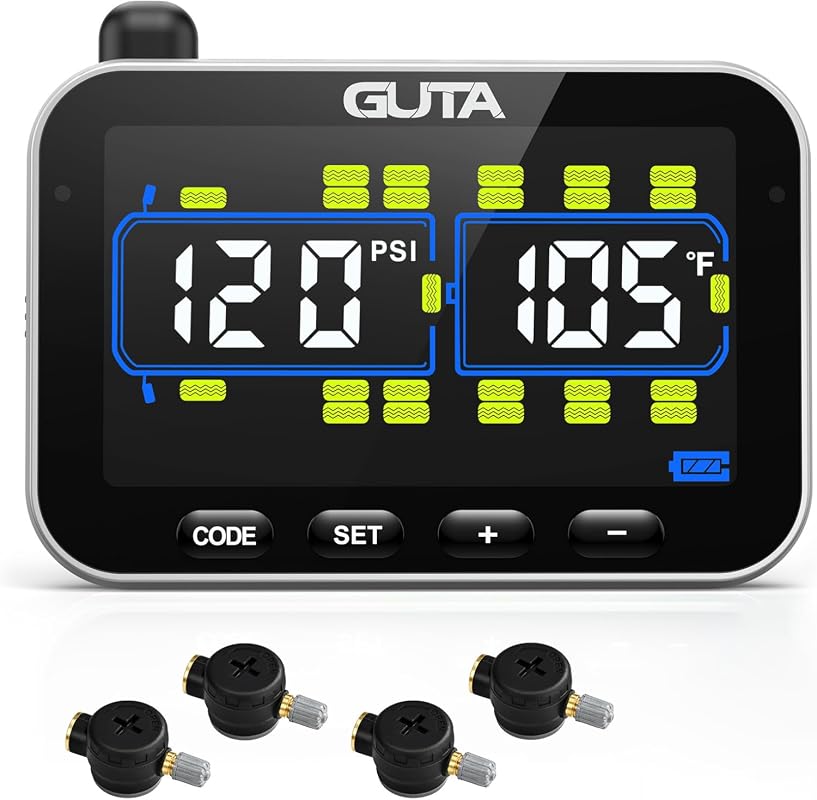 |
Check Price |
Our Top 3 Best Tire Pressure Monitoring System For Rv Reviews – Expert Tested & Recommended
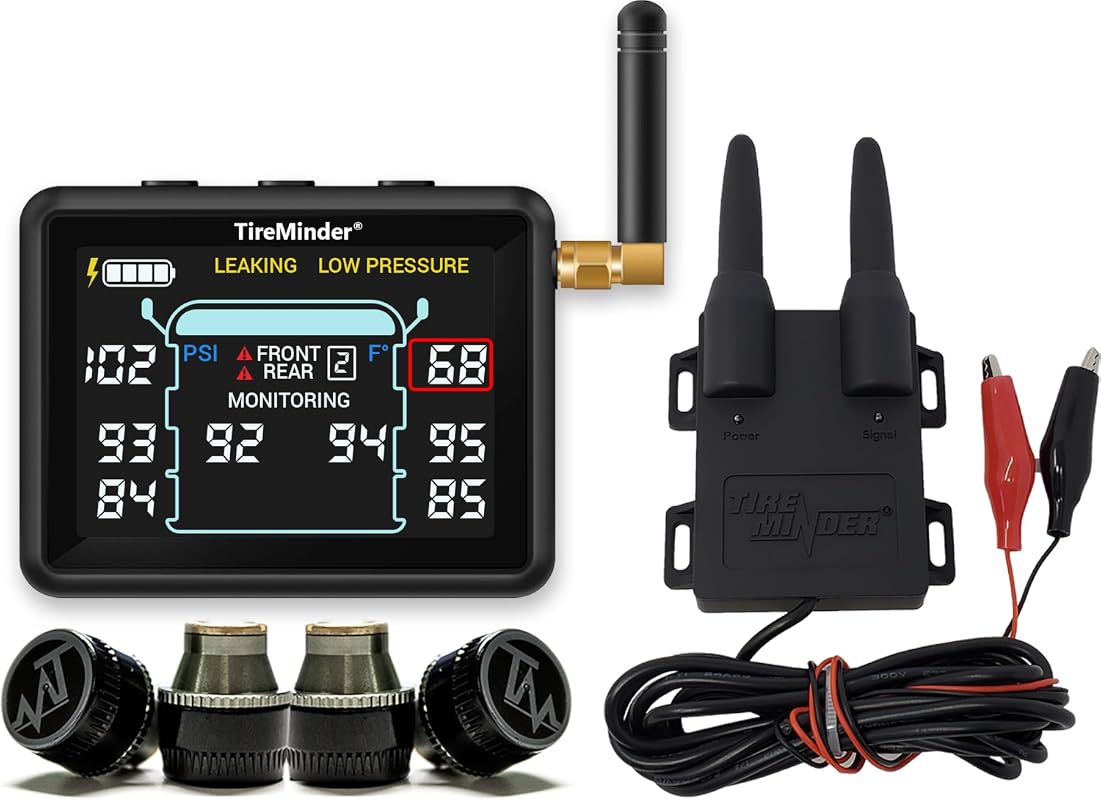
1. TireMinder i10 RV TPMS with 4 Transmitters for Accurate Tire Monitoring on Recreational Vehicles
intro text here (2-3 sentences only)
Key Features That Stand Out
- ✓ Large 3.15″ color LCD provides clear PSI and temperature readings
- ✓ Monitors up to 40 tires with +/- 1 PSI accuracy
- ✓ Real-time updates and alerts for leaks, high temperature, or pressure surges
- ✓ Durable build designed for regular RV use and rough roads
Why We Recommend It
The TireMinder i10 RV TPMS delivers a straightforward, reliable experience with a bright display and broad tire coverage. It’s easy to install on most RV configurations, and the accuracy keeps you informed without constant fiddling.
Best For
Best for RVers who want a robust, all-in-one TPMS with a large display and wide tire coverage.
Pros and Cons
Pros:
- Easy setup and intuitive interface
- High-visibility display even in daylight
- Strong sensor range and fast alerts
- Good overall value for the feature set
Cons:
- Display size may be large for ultra-compact setups
- Some users report needing a dedicated power source for older RVs
Customer Reviews
Customer Review: This TPMS is a game changer on long trips. The screen is bright, easy to read, and I always know when a tire starts to lose air. installation was simple and quick.
Customer Review: I’ve used it for several months now. It’s accurate and dependable, with timely alerts that have helped prevent a flat.
2. GT30 Trailer TPMS with 10 Sensors for Safer Towing
intro text here (2-3 sentences only)
Key Features That Stand Out
- ✓ Full-color LCD display with adaptive backlighting
- ✓ Up to 46-tire monitoring capability
- ✓ Six alert modes for proactive safety (low/high pressure, high temperature, etc.)
- ✓ Customizable pressure and temperature settings
Why We Recommend It
The GT30 offers a high tire-count capacity and a customizable alert system, which is ideal for RVers with multiple tires or trailers. Its color display makes reading data quick, reducing the chance of missed warnings on the road.
Best For
Best for heavy-duty RVs and trailers needing extensive monitoring and flexible alarm settings.
Pros and Cons
Pros:
- High tire-count support
- Bright display and intuitive interface
- Comprehensive alert options
- Solid build quality
Cons:
- More sensors than some users need, which adds cost
- Installation can be a bit more involved than smaller systems
Customer Reviews
Customer Review: window.P && P.register(‘bb’);\nif (typeof ues === ‘function’) {\n ues(‘t0’, ‘portal-bb’, new Date());\n ues(‘ctb’, ‘portal-bb’, 1);\n}
Customer Review: sp:eh:L0Q2ldMkZ2bEgGR/l/ZTn9j/3NL6CeSnA4cPp3gxqGLyjwmrVZRUsAyghee2nF6ApmeXeWkA07Zqh2eim2Ihc04zoMFAfumlpMZbLdxk+rvN7okEt7rdpPcuoJo=
3. GT20 RV TPMS with 4 Flow-Through Sensors for Consistent On-Road Performance
intro text here (2-3 sentences only)
Key Features That Stand Out
- ✓ Real-time monitoring with six alert types
- ✓ Flow-through sensors for compatibility with metal valve stems
- ✓ Long-range signal with reliable performance on longer RV setups
- ✓ Easy installation for most standard RV configurations
Why We Recommend It
The GT20 offers an affordable entry point into RV TPMS with reliable flow-through sensors and a practical alert system. It’s a good pick for shorter trips or setups where you don’t need a massive sensor count.
Best For
Best for budget-conscious RVers who still want dependable monitoring without extra features they won’t use.
Pros and Cons
Pros:
- Affordable with solid performance
- Flow-through design simplifies installation
- Good alert system for everyday use
- Compact and straightforward to operate
Cons:
- Lower tire-count capacity than premium models
- Display may be basic compared to high-end units
Customer Reviews
Customer Review: Great value for the price. Installation was straightforward and the readings have been consistent on our 2-axle trailer.
Customer Review: Works well for our RV; the alerts are timely and we’ve avoided a couple of near-deflations thanks to it.
Complete Buying Guide for Best Tire Pressure Monitoring System For Rv
Essential Factors We Consider
We look at sensor reliability, ease of installation, and how well the TPMS handles RV tire configurations. We also weigh display readability, alert customization, and the number of tires supported to match different RV setups.
Budget Planning
TPMS prices vary. Decide whether you need a basic system with four sensors or a robust setup that covers dozens of tires. Consider ongoing costs for sensor batteries and potential upgrades when planning your budget.
Final Thoughts
Choosing the right RV TPMS balances features, reliability, and value. Our picks aim to help you find a system that provides peace of mind on the road and fits your RV lifestyle.
Frequently Asked Questions
Q: Do RV TPMSs monitor temperature as well as tire pressure?
A: Yes. Most RV TPMS units monitor both pressure and temperature to give a complete picture of tire health and to warn you of overheating or rapid changes in temperature.
Q: How many tires can a typical RV TPMS track?
A: It varies by model. Some systems monitor up to 24 tires, while others support 46 or more. Choose based on your RV/trailer configuration.
Q: Is installation difficult for beginners?
A: Many systems are designed for DIY installation with standard valve stems, but some setups may require basic wiring or mounting. Always follow the manufacturer’s instructions.
Q: How accurate are these TPMS devices?
A: Most reputable TPMS units offer +/- 1 PSI accuracy and consistent readings, which is sufficient for proactive maintenance on the road.
Q: Do TPMS sensors need frequent replacement?
A: Sensor life depends on battery quality and usage. Typical sensors last several years, but some users replace batteries or entire sensors sooner if they experience frequent false alarms.
Ready to upgrade your RV’s monitoring? Explore the options above and pick the TPMS that best fits your rig and travel style. Remember to check price and availability on Amazon via the links provided—safe travels and smooth rides ahead!