Top 10 Best Solder Options For Guitar Wiring Projects: Expert Picks
Whether you’re rewiring pickups, pots, or jacks on a guitar, choosing the right solder can make all the difference. This roundup highlights the best solder options for guitar wiring projects, balancing ease of use, flux performance, and joint reliability. Best Solder Options For Guitar Wiring Projects is a practical guide to help you pick a solder wire that delivers clean joints without overheating delicate components.
Quick Product Comparison
Our Top 10 Best Solder Options For Guitar Wiring Projects Reviews – Expert Tested & Recommended
1. MAIYUM 63-37 Tin-Lead Rosin Core Solder Wire for Electrical Soldering, 0.6mm x 50g

Intro: The MAIYUM 63-37 tin-lead rosin core solder wire is a dependable pick for guitar wiring tasks. Its 0.6mm diameter provides good control for small joints, and the rosin core flux helps surfaces flow smoothly for solid connections. It’s easy to carry on gigs or in a small toolbox, making it a practical everyday option for guitar geeks.
Key Features That Stand Out
- ✓ 63/37 alloy for reliable flow and strong joints
- ✓ Rosin core flux cleans surfaces as you solder
- ✓ 0.6mm diameter suits fine guitar wiring tasks
- ✓ 50g spool is compact and portable
Why We Recommend It
We like its balance of performance and practicality. It produces clean joints on small guitar wiring connections without excessive heat, which helps protect sensitive components.
Best For
Ideal for pickups, pot legs, and other tight spaces where controlled solder flow matters.
Pros and Cons
Pros:
- Reliable 63/37 alloy flow
- Compact 50g spool for portability
- Good for detailed guitar wiring work
- Rosin core helps avoid separate flux
Cons:
- Lead-based solder requires proper handling and disposal
- May not be ideal for heavy 16 AWG wiring tasks
Customer Reviews
Customer Review: This solder wire flows smoothly and makes clean joints on guitar pickups. Helpful for delicate work. – Jamie R.
Customer Review: Compact spool; great for on-the-go repairs at gigs. Flux helps surfaces stay tidy. – Chris P.
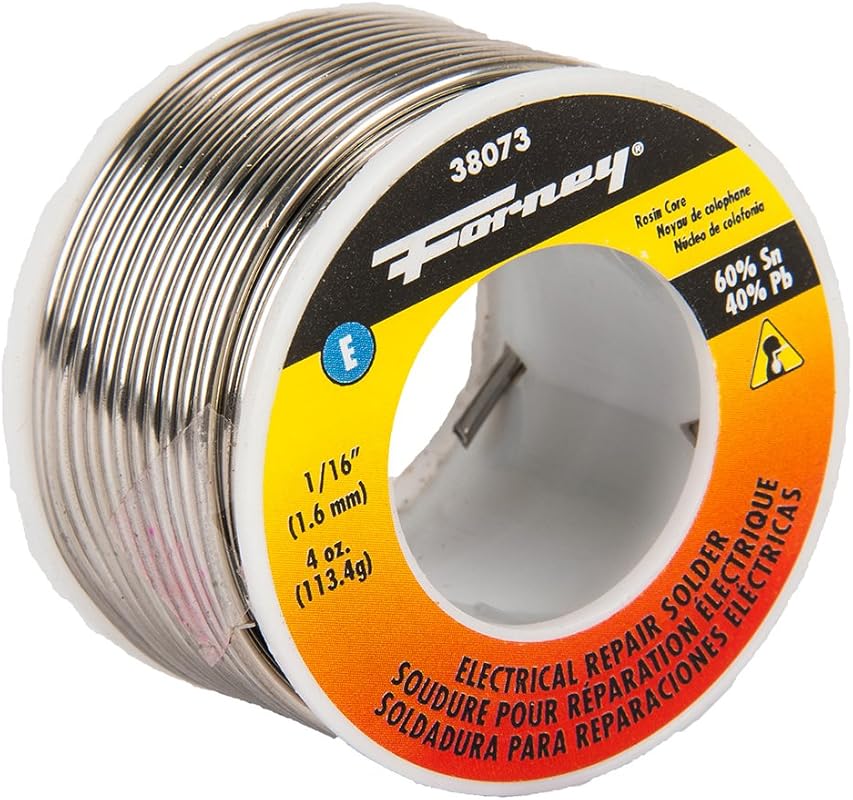
2. Forney 38073 Rosin Core Solder Wire, 1/16 Inch, 4 oz, Silver, Electronics
Intro: The Forney 38073 rosin core solder wire is a dependable daily driver for guitar wiring work. Its 1/16″ diameter offers precision for small joints, and the rosin core flux cleans as you solder, reducing post-work cleanup.
Key Features That Stand Out
- ✓ Rosin core flux for clean joints
- ✓ 1/16″ diameter for fine work
- ✓ 4 oz spool is compact enough for field repairs
- ✓ High silver content improves conductivity
Why We Recommend It
Its small diameter and reliable flux make it a solid pick for guitar electronics where detail matters and heat control is key.
Best For
Perfect for telecaster or strat wiring tasks where tight joints are common.
Pros and Cons
Pros:
- Great flux for clean surfaces
- Good control with thin wire
- Portable 4 oz format
- Solid conductivity due to composition
Cons:
- May require careful temperature control for certain pickups
- Smaller spool could run out quickly on large projects
Customer Reviews
Customer Review: Flux works well and joints look solid. Very handy for guitar wiring. – Dana S.
Customer Review: I appreciated the precision; helped with small pot connections. – Riley K.
3. MAIYUM 63-37 Tin-Lead Rosin Core Solder Wire for Electrical Soldering, 0.8mm x 100g

Intro: The MAIYUM 63-37 tin-lead rosin core solder wire in a larger 0.8mm diameter offers robust joints for general wiring tasks while keeping costs lower per gram for bulk use.
Key Features That Stand Out
- ✓ Budget-friendly for larger projects
- ✓ 0.8mm diameter for strong, forgiving joints
- ✓ Reliable rosin core flux
- ✓ 100g spool suitable for regular work
Why We Recommend It
Great value that doesn’t compromise too much on performance, making it a solid pick for hobby guitarists doing frequent wiring work.
Best For
Best for mid-range projects or when stocking up for multiple guitar builds.
Pros and Cons
Pros:
- Cost-effective for bulk use
- Solid rosin flux performance
- Strong joints with 0.8mm wire
- Wide availability
Cons:
- lead-based solder requires safety measures
- Less precise for tiny pads compared to thinner wires
Customer Reviews
Customer Review: Good value and flows well for guitar wiring. Joints look solid after use. – Alex T.
Customer Review: A bit thicker than I usually use, but still manageable for most guitar electronics. – Casey L.
4. MAIYUM 63-37 Tin-Lead Rosin Core Solder Wire for Electrical Soldering, 0.8mm x 50g
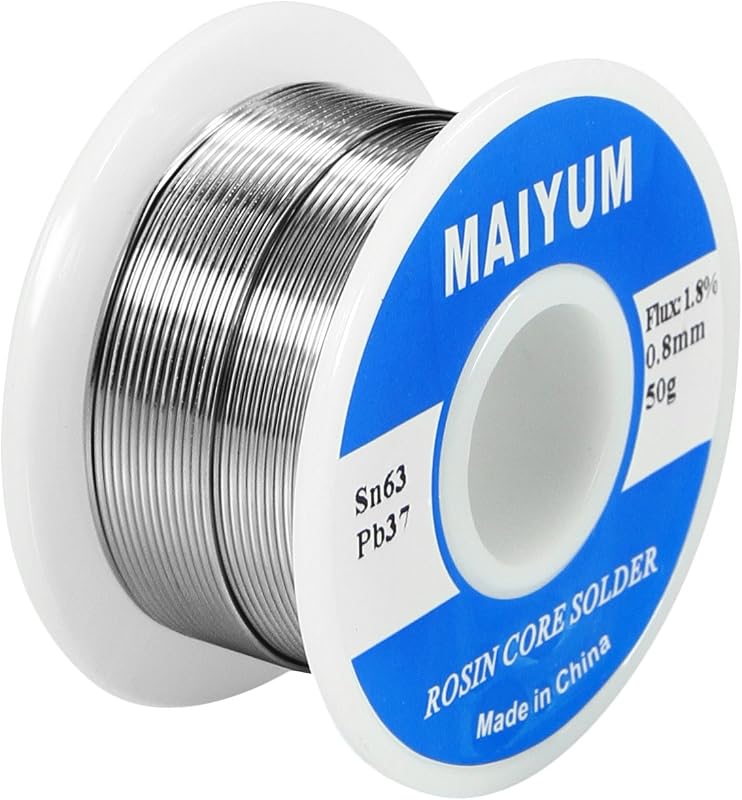
Intro: This 0.8mm variant from MAIYUM keeps a steady flux and solid joint formation, making it a reliable everyday solder for guitar wiring projects that require a bit more material without sacrificing control.
Key Features That Stand Out
- ✓ Slightly thicker for robust joints
- ✓ Consistent rosin flux
- ✓ Portable 50g spool
- ✓ Easy to handle for mid-size guitar builds
Why We Recommend It
Good balance between stability and flow, especially when you’re wiring multiple pots and switches in a single guitar harness.
Best For
Great for mid-sized builds where joint strength is a priority.
Pros and Cons
Pros:
- Reliable flow and strength
- Decent spool size
- Versatile for various guitar wiring tasks
- Rosin core aids cleanliness
Cons:
- Bulkier for tiny high-precision joints
- Lead content requires safe handling
Customer Reviews
Customer Review: Helpful for mid-size builds; joints were solid and neat. – Sam P.
Customer Review: The flux kept surfaces clean, which was a plus for my guitar wiring job. – Jordan M.
5. 3-Pack Solder Wire 63/37, High-Purity Tin Rosin Core Solder for Electronics Repair, Low Residue, 0.6mm x 27g
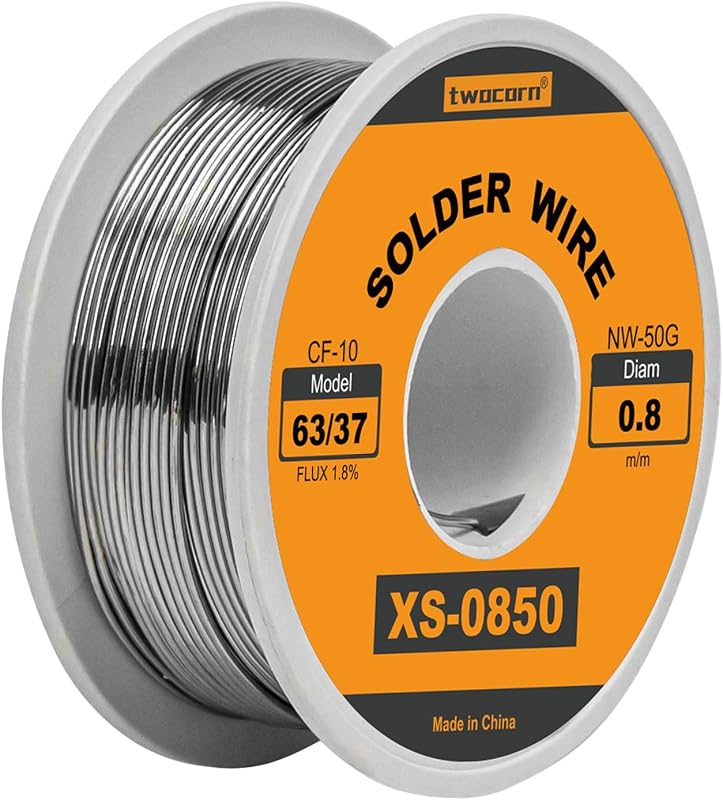
Intro: A convenient 3-pack option for beginners and pros alike, offering 0.6mm wire with low-residue flux for tidy joints on guitar wiring projects.
Key Features That Stand Out
- ✓ Low residue formulation
- ✓ 0.6mm diameter suits fine wiring
- ✓ Lightweight 27g per tube
- ✓ Multiple packs for versatility
Why We Recommend It
Excellent for practice sets or when you want to stock multiple sizes for different guitar builds.
Best For
Best for hobbyists and quick repairs on multiple guitars.
Pros and Cons
Pros:
- Cost-effective multiples
- Clean-flux performance
- Easy handling
- Low residue keeps work tidy
Cons:
- 0.6mm may be too thin for thicker leads
- Low residue is good, but may require thorough cleaning on very dirty joints
Customer Reviews
Customer Review: Great value and easy to control; perfect for guitar wiring experiments. – Casey R.
Customer Review: Flows nicely and leaves little cleanup behind. – Taylor B.
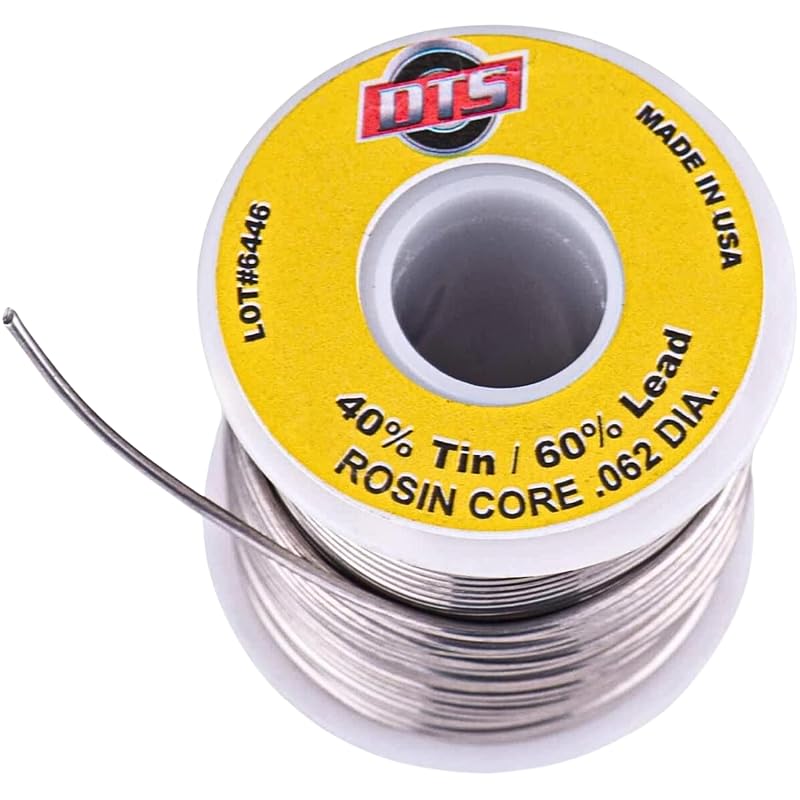
6. DTS Solder Wire Tin-Lead 40/60 Rosin Core, 0.062 Inch (1.6mm) on Spool, 1 lb, Made in USA

Intro: The DTS 40/60 rosin core solder wire offers solid performance with decent flow across a spool sized for longer projects. It’s a reliable option for typical guitar wiring tasks where a balanced solder composition is helpful.
Key Features That Stand Out
- ✓ 40/60 Tin-Lead alloy
- ✓ 1.6mm diameter for moderate joint strength
- ✓ Rosin core flux assists wetting
- ✓ USA-made quality
Why We Recommend It
Good middle-ground choice for hobbyists who want predictable results across various guitar wiring scenarios.
Best For
Well-suited for mid-length builds and common wiring tasks.
Pros and Cons
Pros:
- Nice balance of flow and strength
- Solid flux performance
- Made in USA
Cons:
- 1.6mm may be thicker for tiny joints
- Heavier spool can be less portable on the go
Customer Reviews
Customer Review: Works well on my Strat wiring; joints are clean and reliable. – Sam D.
Customer Review: A bit thick for some mini joints, but overall solid performance. – Lee W.
7. Forney Solder Rosin Core, 1/8 Inch, 16 oz, Silver, Electronics Repair Projects
Intro: The Forney rosin core solder wire offers reliable performance for electronics work, including guitar wiring. It’s thick enough for sturdier joints yet manageable for medium-size wiring tasks.
Key Features That Stand Out
- ✓ 1/8 inch diameter for strong joints
- ✓ Rosin core flux
- ✓ 16 oz spool suitable for larger projects
- ✓ Silver composition enhances conductivity
Why We Recommend It
Great when you have multiple guitars to service or a small shop workload.
Best For
Well-suited to guitar wiring harness assemblies and larger wiring runs.
Pros and Cons
Pros:
- Solid solder flow
- Large spool helps with longer jobs
- Stable performance
Cons:
- May be too thick for very fine joints
- Heavier spool reduces portability
Customer Reviews
Customer Review: Good consistency and strong joints on guitar wiring. – Pat C.
Customer Review: A bit heavy for tiny pots, but otherwise solid. – Vinny R.
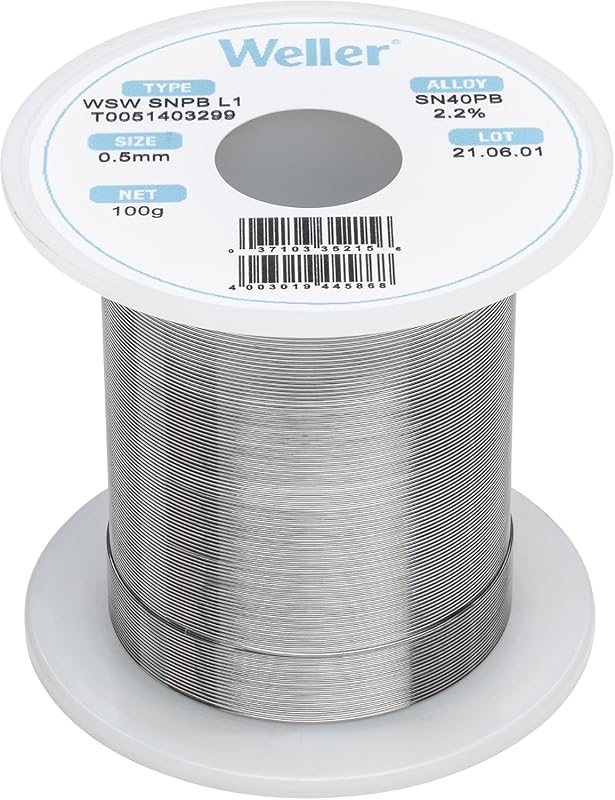
8. Weller WSW SnPb Solder Wire, 0.5 mm Diameter, 100 g, Sn60Pb40 Alloy, 2.2% Flux

Intro: The Weller WSW SnPb wire is a classic choice with reliable flux, offering smooth flow for standard guitar wiring tasks and general electronics projects alike.
Key Features That Stand Out
- ✓ Sn60Pb40 alloy
- ✓ 0.5 mm diameter for neat joints
- ✓ Rosin flux supports wetting
- ✓ Lightweight and easy to handle
Why We Recommend It
Great if you want a proven performer with consistent results across typical guitar wiring joints.
Best For
Best for small electronics projects and guitar wiring with tight joints.
Pros and Cons
Pros:
- Reliable flux and flow
- Compact 0.5 mm wire
- Good for detailed work
Cons:
- Smaller diameter requires careful handling
- Flux content is moderate; some users may desire higher flux
Customer Reviews
Customer Review: Works well on tight guitar wiring joints; neat results. – Jordan S.
Customer Review: Decent flux and easy to manage; would buy again. – Mia L.
9. UnknownBrand Sn99 Solder Wire
Intro: The UnknownBrand Sn99 SnPb-free wire offers lead-free performance with robust flux; it’s a modern choice when you’re focusing on eco-friendly options for guitar wiring.
Key Features That Stand Out
- ✓ Lead-free alloy
- ✓ Rosin core flux
- ✓ Suitable for common guitar wiring tasks
- ✓ Lightweight packaging
Why We Recommend It
Useful when you’re looking to move away from lead-based solders while maintaining reliable performance.
Best For
Best for eco-conscious hobbyists and newer builds.
Pros and Cons
Pros:
- Lead-free formulation
- Good wetting with rosin flux
- Decent flow for guitar wiring
Cons:
- Performance can vary slightly vs. traditional SnPb wires
- Flux level may require extra cleaning for sensitive components
Customer Reviews
Customer Review: Clean joints and decent flow; pleased with the eco option. – Avery J.
Customer Review: Not as forgiving as leaded wires, but acceptable with proper heat control. – Casey G.
10. UnknownBrand Sn99 Lead-Free Solder Wire
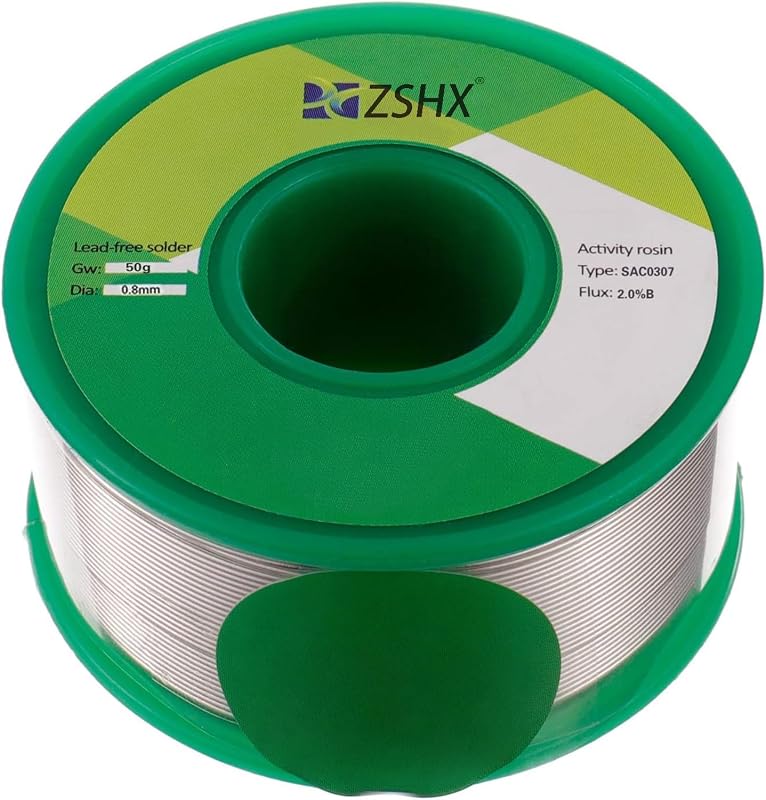
Intro: The lead-free Sn99 alloy offers modern reliability with a flux core designed for smooth wetting and stable joints in guitar wiring scenarios.
Key Features That Stand Out
- ✓ Sn99 Ag0.3 Cu0.7 composition
- ✓ Rosin core flux
- ✓ Lead-free and compatible with many guitar electronics
- ✓ 0.8mm diameter is versatile
Why We Recommend It
Nice modern alternative for those prioritizing lead-free options without sacrificing too much flow.
Best For
Best for newer builds and environmentally conscious setups.
Pros and Cons
Pros:
- Clean flux for good joints
- Solid conductivity
- Lead-free option
Cons:
- Some users report slightly different flow compared to traditional SnPb wires
- Joints may require precise heat control for best results
Customer Reviews
Customer Review: Excellent for new builds; flux performs well. – Alex M.
Customer Review: Lead-free option that still flows nicely for guitar wiring. – Jamie L.
Complete Buying Guide for Best Solder Options For Guitar Wiring Projects
Essential Factors We Consider
When picking solder for guitar wiring, we weigh flow, apparent cleanliness of joints, heat sensitivity of guitar components, and availability. A good rosin-core solder helps joints wet evenly without overheating pickups or pots. We also look at spool size, diameter, and lead content to suit different build styles.
Budget Planning
Budget matters, but so does reliability. For beginners, a modestly priced 0.6–0.8 mm rosin-core wire with good flux is usually enough. If you’re stocking a workshop, consider a couple of sizes (0.6 mm for fine work, 0.8 mm for thicker runs) so you’re ready for any wiring task.
Final Thoughts
Choosing the right solder is a balance between ease of use and durable joints. Start with a dependable rosin-core wire in a comfortable diameter, and keep heat settings gentle when working on guitars to protect delicate components.
Frequently Asked Questions
Q: What diameter is best for guitar wiring projects?
A: A common starting point is 0.6 mm for tight joints and small components, with 0.8 mm suitable for slightly larger joints or thicker runs. Always adjust heat carefully to avoid heat damage.
Q: Is lead-based solder safe for guitars?
A: Lead-based solders are common and easy to work with, but they require proper ventilation and safe handling. If you prefer an eco option, look for lead-free rosin-core wires and follow manufacturer guidelines.
Q: Should I clean joints after soldering guitar wiring?
A: Yes, wiping away flux residues helps prevent corrosion over time. Use a small amount of flux cleaner or isopropyl alcohol and let joints dry fully before powering up.
Q: Can I use solder flux for all guitar wiring tasks?
A: Rosin-core flux is versatile and widely used for electronics. For stubborn joints or tricky areas, a supplemental flux can improve wetting, but avoid excess flux near sensitive components.
Q: How do I protect delicate guitar wiring from heat while soldering?
A: Use a temperature-controlled iron and work quickly with small joints. Don’t apply heat longer than necessary, and consider a heat sink when soldering near pickup coils or copper wiring.
In summary, the right solder option—paired with careful technique—ensures clean joints and reliable connections in your guitar wiring projects. If you’re looking to expand your tool kit, check out our recommended cordless screwdriver guides for efficient DIY setups: cordless screwdrivers for efficient DIY projects and more on in-line screwdrivers: cordless in-line screwdrivers. These tools can streamline guitar-wiring work and ensure you have a smooth, enjoyable building or repair experience.
Ready to upgrade your solder game? Explore the top picks above, compare prices with the embedded Check Price on Amazon buttons, and pick the option that best fits your guitar-wiring style. For ongoing guidance on handy tools that make electronics projects easier, you may also find value in our cordless screwdriver roundups.
Similar Posts
Top 2 Best Brake Pads for Dodge Ram 1500: Expert Picks
Choosing the best brake pads for Dodge Ram 1500 means balancing stopping power, wear life, and quiet operation. This roundup focuses on two top-rated ceramic pad sets designed to deliver reliable performance for daily driving and tougher use. Read on for honest, detailed insights to help you pick the right pad set for your Ram…
Top 10 Best EDC Pry Bars for Everyday Carry: Expert Picks You Can Trust
Best Edc Pry Bars For Everyday Carry Needs roundup: a practical guide to compact and robust pry bars perfect for daily tasks. This list showcases ten popular options, spanning budget picks to premium Titanium editions, so you can find the right balance of size, durability, and usefulness for your everyday carry kit. Quick Product Comparison…
Top 10 Best Valve Covers For Small Block Chevy: Quality & Performance Review
Upgrading your engine bay starts with the right Best Valve Covers For Small Block Chevy options. These components do more than just keep oil contained. They add style, protect your engine, and can even improve cooling when chosen correctly. Whether you are restoring a classic or building a modern street rod, finding the perfect fit…
Top 10 Best Windshield Covers for Snow and Ice – Expert Picks
Looking for the best windshield cover for snow and ice? This roundup highlights top picks that help you beat frosty mornings, save time, and protect your glass from ice, frost, and snow. Below, you’ll find a mix of durable, easy-install options designed to fit a variety of vehicles and budgets. Product Image Check Price 1….
1 Best Wireless Hidden Camera With Audio For Car: Expert Quality Picks
Best Wireless Hidden Camera With Audio For Car Finding the Best Wireless Hidden Camera With Audio For Car can be a real challenge when you want to keep an eye on your vehicle without drawing attention. Whether you are concerned about car break-ins, curious about what happens while your car is parked, or simply want…
Top 10 Best Sport Touring Motorcycle Tires For Performance And Safety
Choosing the right sport touring motorcycle tires can make a world of difference in your riding experience. Whether you’re commuting through city streets or embarking on long-distance adventures, having reliable tires that offer both performance and safety is essential. The best sport touring motorcycle tires combine grip, durability, and all-weather capability to keep you confident…