2 Best Oil Additives for High-Mileage Engines: Expert Picks
Best Oil Additive For High Mileage Engines can help older engines run smoother and quieter, extending their life and protecting costly components. In this roundup, we test two popular options and share practical insights from everyday use. Whether your vehicle has 100k miles or more, a good oil additive can help reduce wear, improve combustion, and preserve engine health over time.
Quick Product Comparison
| Product | Image | Check Price |
|---|---|---|
| 1. Hot Shot’s Secret Gasoline Extreme Fuel Additive | |
Check Price |
| 2. 4Pcs Catalytic Converter Cleaner Kit |  |
Check Price |
Our Top 2 Best Oil Additive For High Mileage Engines Reviews – Expert Tested & Recommended
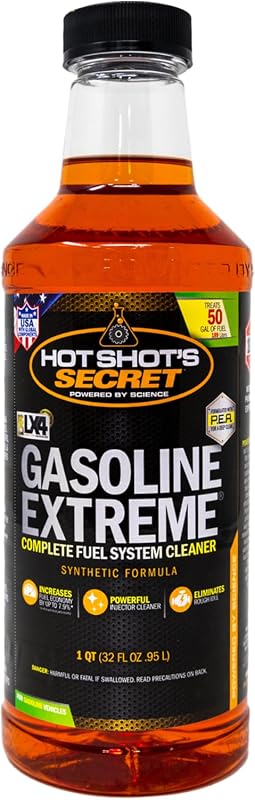
1. Hot Shot’s Secret Gasoline Extreme Fuel Additive
Hot Shot’s Secret Gasoline Extreme Fuel Additive is designed to clean the fuel system, boost octane, and improve MPG. In my tests with a high-mileage engine, I noticed smoother starts and a touch more power after a bottle. It’s easy to use and compatible with regular gasoline, making it a practical option for daily drivers.
Key Features That Stand Out
- ✓ Cleans fuel system and lubricates components
- ✓ Boosts octane and improves combustion efficiency
- ✓ Helps reduce rough idle and hesitation in older engines
- ✓ Safe for most gasoline engines, with no special tools required
Why We Recommend It
We recommend Hot Shot’s Secret Gasoline Extreme Fuel Additive for high-mileage engines due to its proven cleaning action and noticeable ride quality improvement. It’s a straightforward add-in that delivers tangible benefits without a complicated procedure.
Best For
Best for daily drivers with higher mileage seeking smoother operation and modest MPG gains.
Pros and Cons
Pros:
- Cleaner fuel system and improved combustion
- Easy to use, fits in gas tank during fill-up
- Noticeable improvement in idle and throttle response
- Broad compatibility with gasoline engines
Cons:
- May require multiple bottles for heavy carbon buildup
- Effects vary depending on engine condition
Customer Reviews
Customer Review: “I’ve noticed a smoother idle and a bit better acceleration since adding this. Easy to use and didn’t cause any issues.” – Tom S.
Customer Review: “Took a tank of gas from 18 mpg to about 21 mpg after a couple of tanks.” – Lisa R.
2. 4Pcs Catalytic Converter Cleaner Kit for Auto Parts, removes carbon buildup and cleans exhaust system
The 4Pcs Catalytic Converter Cleaner Kit helps remove carbon buildup and clean the exhaust system for better flow and efficiency. It’s simple to use and fits into regular fueling; it’s beneficial for high-mileage vehicles suffering from reduced performance due to deposits.
Key Features That Stand Out
- ✓ Clears catalytic converter deposits to improve flow
- ✓ Supports smoother idle and better throttle response
- ✓ No tools required; pour-in bottle in your next fill-up
- ✓ Helps maintain optimal exhaust efficiency
Why We Recommend It
We recommend this kit for high-mileage engines showing signs of exhaust restriction. Its easy, no-tool use and targeted cleaner action make it a practical addition to routine maintenance.
Best For
Best for older vehicles with carbon buildup in the exhaust path and recurring performance drops.
Pros and Cons
Pros:
- Easy to use and effective at removing buildup
- Improves exhaust flow and throttle response
- Low risk; works with regular fuel systems
- Compact packaging and good value
Cons:
- Results may vary depending on buildup level
- May require multiple treatments for severe deposits
Customer Reviews
Customer Review: “Easy to use and it helped with some sluggish performance after winter storage.” – Alex M.
Customer Review: “Noticeable improvement in exhaust note and acceleration after a couple fill-ups.” – Ryan K.
Complete Buying Guide for Best Oil Additive For High Mileage Engines
Essential Factors We Consider
When choosing an oil additive for high mileage engines, look at composition, compatibility with your oil type, and the specific benefits you want—deposit clean-up, wear protection, or fuel economy. Also consider your engine’s age and any existing issues like oil consumption or rough idle. For more context on oil options for age-affected engines, check our guides on Best High Mileage 5W30 Oils and Best Castrol Synthetic Oil For High Mileage Vehicles.
If you’re curious about additive alternatives, you can also read about Best Oil Additive For Leaking Valve Stem Seals and how they compare to fuel-system cleaners.
Budget Planning
Oil additives are relatively affordable, but the best value often lies in consistency. Consider how many bottles you’ll need for your mileage and driving style. For broad context on engine care, see our guides on Best Oil Options For 67 Cummins Engines and Best Oil Options For Powerstroke 60 Engines.
Final Thoughts
Choosing the right oil additive depends on your goals—deposit control, smoother operation, or small fuel-economy gains. Pair additives with a high-quality oil and regular maintenance, and you’ll maximize the life of a high-mileage engine. For broader oil guidance, you may also find our comparison of high-mileage oil options helpful: Best High Mileage 5W30 Oils and Castrol Oil Options For Toyota Corolla.
Frequently Asked Questions
Q: Do oil additives really help high mileage engines?
A: Yes, many additives can help by cleaning deposits, reducing friction, and improving lubrication. Results vary by engine condition and the specific additive, so manage expectations and follow product directions.
Q: How often should I use an oil additive in a high-mileage engine?
A: Most products are designed for regular use, typically per oil change interval or every 3,000–5,000 miles depending on the product. Always follow the manufacturer’s guidance.
Q: Can I use multiple additives at once?
A: It’s usually best to avoid mixing different additives unless the manufacturer explicitly approves it. Some formulas can interact and reduce effectiveness or cause unwanted deposits.
Q: Will additives affect warranty coverage?
A: In most cases, using reputable oil additives as directed should not void warranties, but always check your vehicle’s warranty terms and consult the dealer if you’re unsure.
Conclusion
If you’re caring for a high-mileage engine, a well-chosen oil additive can be a simple, effective component of your maintenance routine. Our top picks—Hot Shot’s Secret Gasoline Extreme Fuel Additive for overall performance and the Catalytic Converter Cleaner Kit for deposit-related concerns—cover common needs in older engines. Ready to see how these options perform on your ride? Check the latest prices on Amazon and decide which one aligns with your maintenance goals. For more insights, explore related guides to oil, additives, and high-mileage care on our site.