10 Best HVAC Multimeters for Accurate Measurements and Reliable Performance
If you work on HVAC systems, you already know how much a good meter matters. The best HVAC multimeters for accurate measurements and reliable performance should be easy to read, tough enough for daily use, and flexible enough for voltage, current, resistance, and safety checks. In this roundup, I focused on meters that feel practical in the field, not just impressive on paper.
Quick Product Comparison
Our Top 10 Best Hvac Multimeters For Accurate Measurements And Reliable Performance Reviews – Expert Tested & Recommended
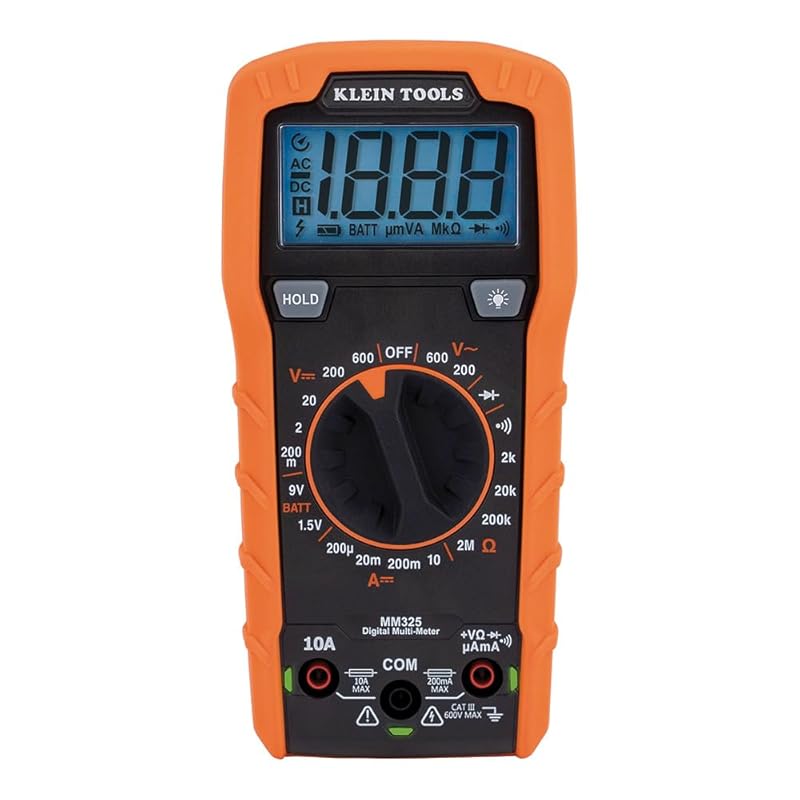
1. Klein Tools MM325 Multimeter
This is the kind of meter that feels easy right away. It is simple, sturdy, and built for everyday electrical checks, which makes it a solid pick for HVAC work. If you want a no-fuss tool that still gives dependable readings, this one fits well.
Key Features That Stand Out
- ✓ Measures AC/DC voltage up to 600V for common HVAC tasks
- ✓ Includes 10A DC current, resistance, continuity, and diode test
- ✓ Lead-alert LEDs help reduce probe placement mistakes
- ✓ Backlit display helps in dark mechanical rooms and attics
- ✓ Manual-ranging design keeps operation straightforward
Why We Recommend It
The MM325 is a good fit if you want accuracy without a steep learning curve. It feels like a practical tool for techs who need to check basic system values fast and move on. I also like that it balances durability with a friendly price point.
Best For
Best for beginners, apprentices, and technicians who want a dependable everyday multimeter for basic HVAC diagnostics.
Pros and Cons
Pros:
- Easy to use and easy to read
- Strong build quality for daily field work
- Lead-alert feature adds a nice safety touch
- Good value for the features offered
Cons:
- Manual ranging is less convenient than auto-ranging
- Not as feature-rich as higher-end HVAC meters
- May feel limited for advanced troubleshooting
Customer Reviews
Customer Review: “I love this meter. I use it everyday in my work as a technician. It hasn’t failed me yet. It’s easy to use and seems to be accurate.”
Customer Review: “Excellent multimeter especially for beginners. Simple to use, inexpensive, and durable.”
2. Klein Tools CL120 Clamp Meter
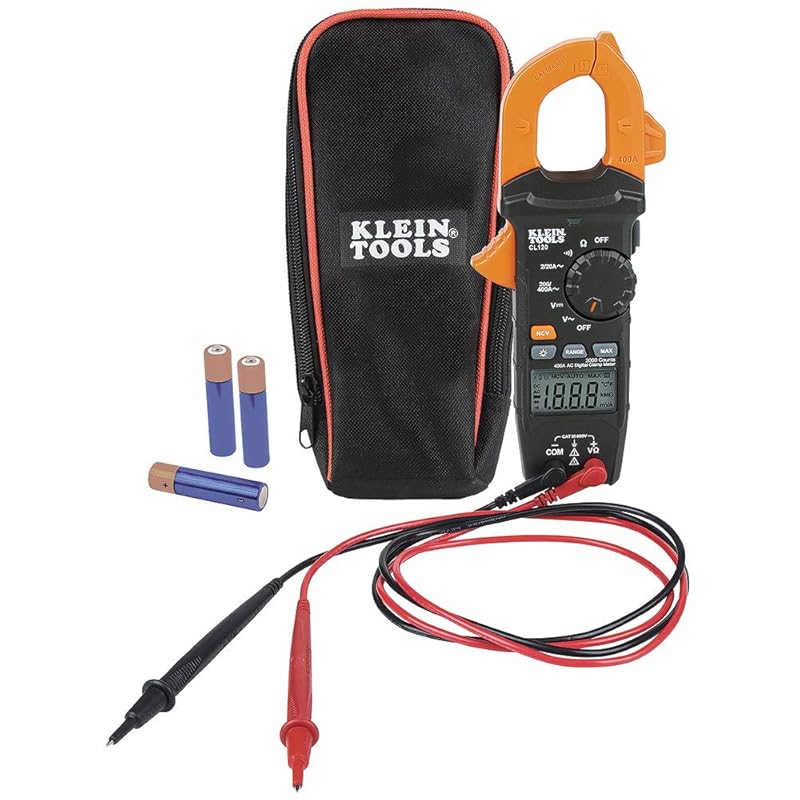
The CL120 is a strong choice when you want clamp-style convenience. It makes current checks easier because you do not always need to break the circuit. For HVAC diagnostics, that can save time and make the whole job feel less messy.
Key Features That Stand Out
- ✓ Clamp meter design for fast AC current measurements
- ✓ Non-contact voltage detection for quick safety checks
- ✓ Auto-ranging helps reduce setup time
- ✓ Measures voltage, resistance, and continuity with test leads
- ✓ Backlit display improves visibility in dim spaces
Why We Recommend It
This meter stands out because it is practical. HVAC techs often need quick current checks on motors, blowers, and other live systems, and a clamp meter is simply easier for that work. It is a nice middle ground between basic meters and more advanced tools.
Best For
Best for technicians who want a clamp meter for fast current checks and safer live-circuit testing.
Pros and Cons
Pros:
- Clamp design is very convenient for current measurements
- NCV feature adds useful safety support
- Auto-ranging keeps it simple
- Good all-around tool for HVAC service calls
Cons:
- Not as versatile as higher-end TRMS meters
- Clamp meters can be bulkier than standard multimeters
- May be more than a casual DIY user needs
Customer Reviews
Customer Review: “A very handy clamp meter for quick checks. The display is clear and it feels solid in the hand.”
Customer Review: “Good for HVAC work and easy to use. The clamp makes current testing much faster.”
3. AstroAI Digital Multimeter
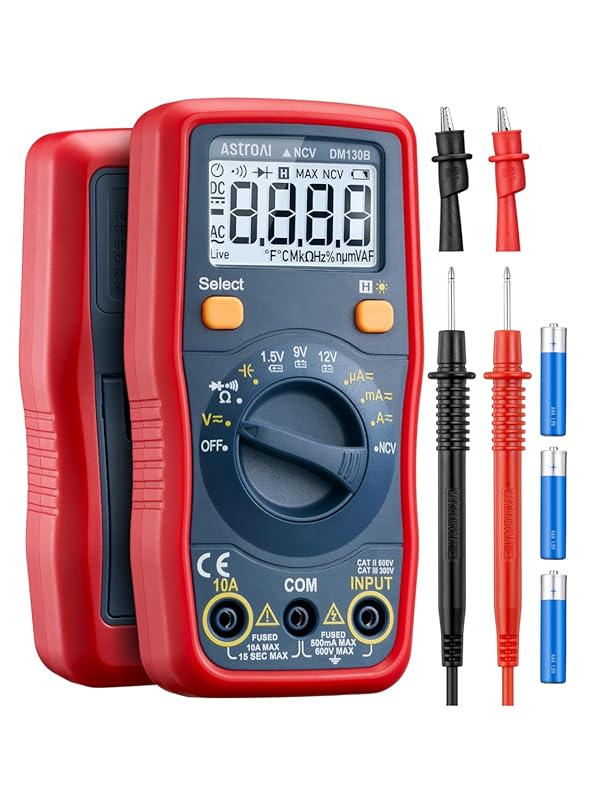
This AstroAI model is one of the easiest ways to get a lot of useful features without spending much. It is a smart budget pick for homeowners or new techs who want more than a basic tester. The layout is friendly, and the readings are easy to follow.
Key Features That Stand Out
- ✓ Auto-ranging helps simplify measurements
- ✓ Measures voltage, current, resistance, continuity, and capacitance
- ✓ NCV function adds a useful safety check
- ✓ Data hold and backlit screen improve usability
- ✓ Kickstand makes hands-free viewing easier
Why We Recommend It
If you want a budget-friendly HVAC multimeter that still feels useful, this is a strong option. It covers the basics well and gives you a few extras that make troubleshooting less frustrating. For the money, it is easy to understand why people keep coming back to it.
Best For
Best for DIY users, beginners, and anyone who wants a low-cost meter for simple HVAC and home electrical checks.
Pros and Cons
Pros:
- Very affordable for the feature set
- Easy to read and easy to use
- Good mix of common measurement modes
- NCV and backlight add real value
Cons:
- Not built for heavy professional use
- Accuracy is good for the price, but not premium level
- May feel basic for advanced HVAC troubleshooting
Customer Reviews
Customer Review: “This has turned out to be an excellent tool for my audio restoration efforts. It seems to be quite accurate, easy to use, easy to read and offers nearly all the functions I could want or need. Great value for the money.”
Customer Review: “I have had a lot of cheap multimeters. This meter is much better and perfect for me for basic work around the house.”
4. Klein Tools MM420 Multimeter
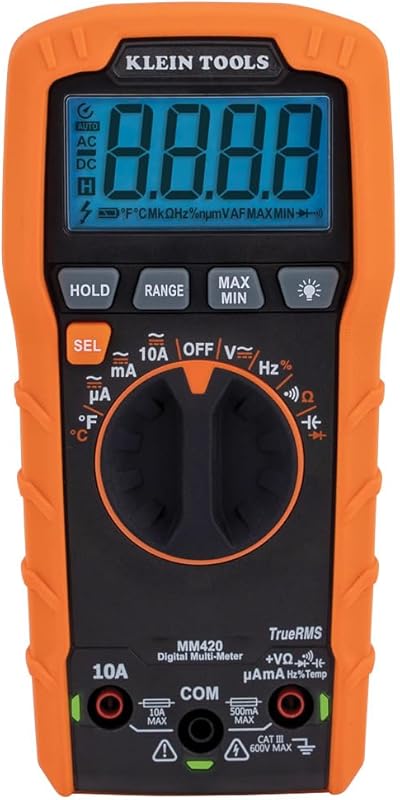
The MM420 feels like a step up for people who want more confidence in their readings. TRMS support is a big plus when you are working with real-world HVAC signals. It is one of those meters that feels ready for regular service work.
Key Features That Stand Out
- ✓ TRMS measurement for more reliable readings
- ✓ Measures AC/DC voltage up to 600V
- ✓ Supports 10A AC/DC current and resistance checks
- ✓ Includes continuity, temperature, and more advanced functions
- ✓ Lead-alert indicators support safer probe placement
Why We Recommend It
This is a strong all-around HVAC meter because it gives you more measurement confidence than a basic model. TRMS matters when signals are not perfectly clean, which is often the case in the field. It is a smart pick if you want one meter that can do a lot.
Best For
Best for technicians who want a more advanced multimeter for accurate HVAC diagnostics and daily service use.
Pros and Cons
Pros:
- TRMS improves measurement reliability
- Good feature mix for HVAC work
- Lead-alert protection is helpful
- Feels durable and field-ready
Cons:
- Costs more than basic entry-level meters
- Can be more meter than casual users need
- Learning all the functions may take a little time
Customer Reviews
Customer Review: “A solid meter with good features. It feels well made and the readings are easy to trust.”
Customer Review: “Great for service work. The display is clear and the meter is simple enough to use every day.”
5. AstroAI Digital Clamp Meter
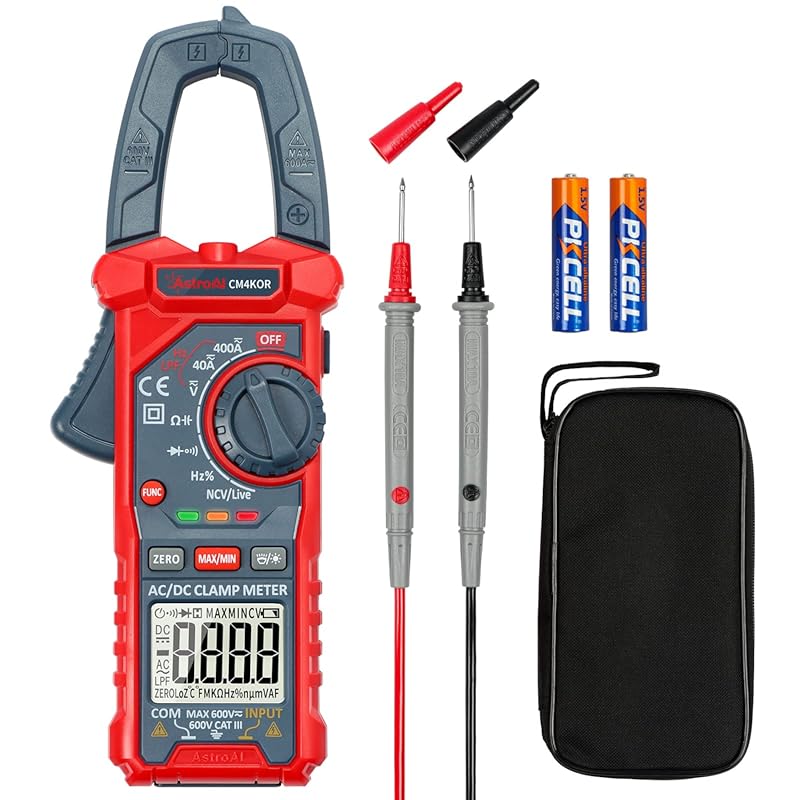
This clamp meter is handy when you want a compact tool that still handles a lot of everyday tasks. It is especially useful for quick current readings and basic troubleshooting. If you like smaller tools that do not feel bulky, this one is worth a look.
Key Features That Stand Out
- ✓ 4000-count display for decent measurement detail
- ✓ Measures AC/DC voltage and current
- ✓ NCV testing with sound and light alerts
- ✓ Data hold, max/min, and auto shut-off features
- ✓ Compact clamp design for easier handling
Why We Recommend It
For HVAC users, this model gives you the convenience of a clamp meter without a huge price jump. It is well suited to quick checks on motors, controls, and other system parts. The controls are also easy enough that you will not spend forever figuring things out.
Best For
Best for users who want a compact clamp meter for quick HVAC testing and light professional use.
Pros and Cons
Pros:
- Compact and easy to carry
- Useful clamp meter functions for the price
- NCV alerts improve safety awareness
- Helpful everyday features like data hold
Cons:
- Not as robust as premium clamp meters
- Display and body feel more budget-oriented
- Best for lighter workloads than heavy field use
Customer Reviews
Customer Review: “A handy little clamp meter that gets into tight spaces and does the job well.”
Customer Review: “Very simple to use and good for the price. It has the functions I need.”
6. FNIRSI DMC-100 Clamp Meter
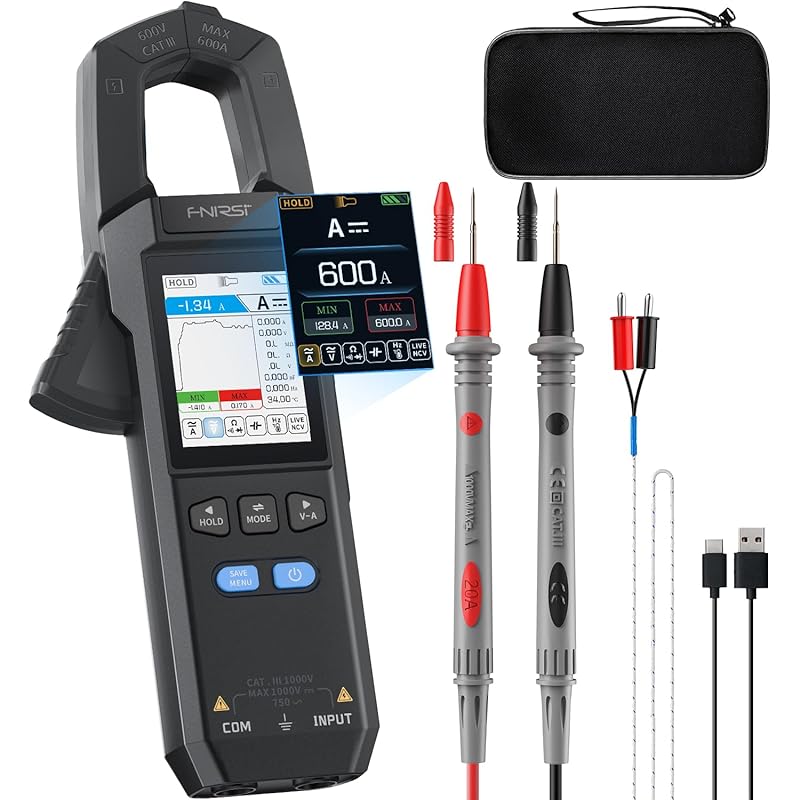
The DMC-100 stands out because it feels more modern than many budget meters. The color screen and rechargeable design make it a little more pleasant to use day after day. It is a nice option if you want something different from the usual basic clamp meter.
Key Features That Stand Out
- ✓ 9999-count TRMS clamp meter for detailed readings
- ✓ Measures AC/DC voltage, AC/DC current, capacitance, and more
- ✓ Rechargeable design reduces battery swaps
- ✓ Data trend and max/min analysis features
- ✓ Full-color display with dual theme support
Why We Recommend It
This meter is appealing if you like a more modern interface and more data on screen. It is especially useful for users who want graph-style feedback and a bit more insight into changing readings. That said, it still makes the most sense for people who are comfortable with slightly more advanced tools.
Best For
Best for techs who want a feature-rich clamp meter with a rechargeable battery and a modern display.
Pros and Cons
Pros:
- High count display offers fine measurement detail
- Rechargeable battery is convenient
- Color screen is easy to read
- Trend analysis is useful for troubleshooting
Cons:
- May be less familiar to users who prefer simple meters
- DC current accuracy is not perfect without zeroing
- More feature-heavy than some users need
Customer Reviews
Customer Review: “Awesome little meter that does special things. I have worked for electrical company for 20 years.”
Customer Review: “Not quite 100% accurate for DC current measure but can set zero to get better read.”
Customer Review: “Awesome little meter that does special things. I have worked for electrical company for 20 years.”
Customer Review: “Not quite 100% accurate for DC current measure but can set zero to get better read.”
7. AstroAI Digital Multimeter
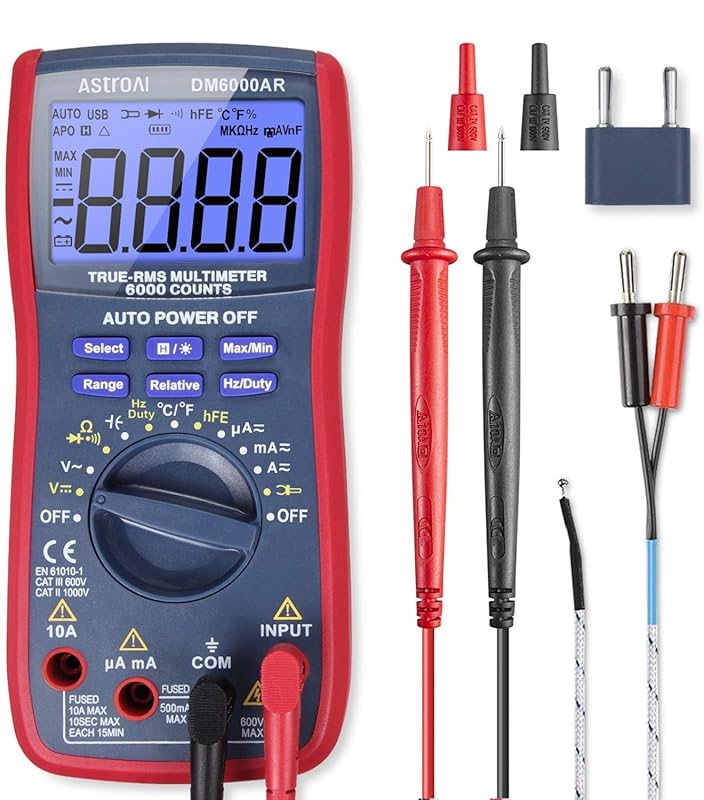
This AstroAI model is a strong all-rounder. It gives you a good mix of functions, and the TRMS support helps with more realistic measurements. If you need one meter that can handle a little bit of everything, this one makes sense.
Key Features That Stand Out
- ✓ TRMS support for steadier readings
- ✓ Measures voltage, current, capacitance, frequency, and resistance
- ✓ Auto-ranging simplifies setup
- ✓ Large backlit LCD improves visibility
- ✓ Kickstand and data hold make testing easier
Why We Recommend It
This is a practical choice for HVAC users who want a general-purpose meter that can still handle service work well. It is not flashy, but it is useful, and that matters more in the field. The balance of price and function is one of its biggest strengths.
Best For
Best for homeowners, hobbyists, and technicians who want an affordable TRMS multimeter for regular troubleshooting.
Pros and Cons
Pros:
- TRMS adds measurement confidence
- Good range of test functions
- Easy-to-read display
- Helpful everyday design features
Cons:
- Not as rugged as top-tier professional meters
- Can feel a bit basic for advanced users
- Best value for light to moderate use
Customer Reviews
Customer Review: “A good meter for the money and very useful for general troubleshooting.”
Customer Review: “Simple, readable, and does what I need without confusion.”
8. True RMS Digital Multimeter
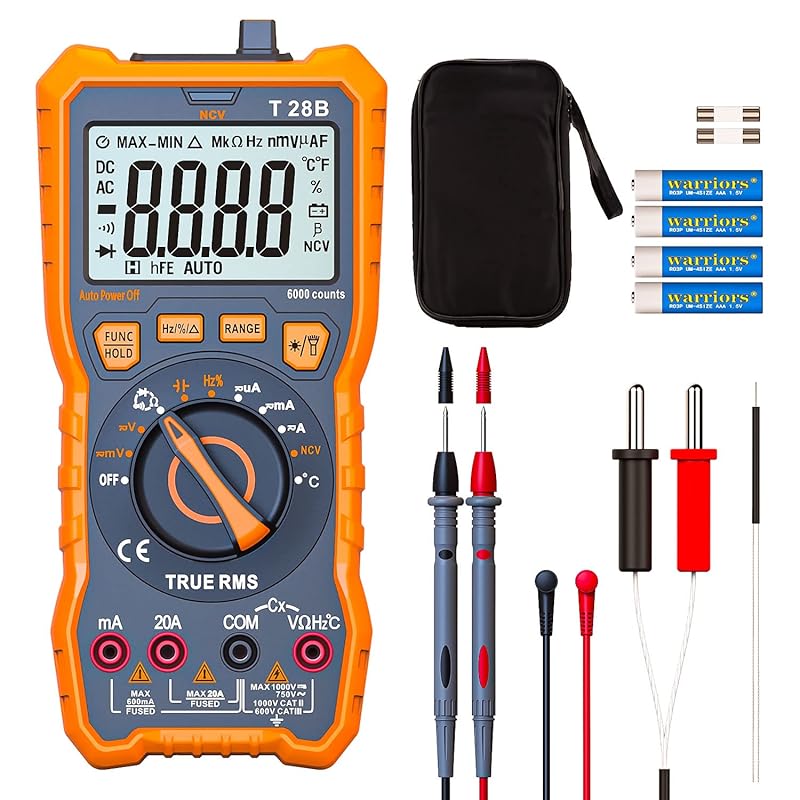
This meter is aimed at people who want a lot of measurement range without paying premium-brand prices. It covers the basics and then some, which makes it useful for HVAC troubleshooting. The auto-ranging design also helps keep things simple.
Key Features That Stand Out
- ✓ True RMS support for better signal handling
- ✓ Measures up to 1000V AC/DC and 20A AC/DC
- ✓ NCV testing improves safety checks
- ✓ Auto-ranging saves setup time
- ✓ Capacitance support is useful for HVAC components
Why We Recommend It
This is a practical pick if you want wider measurement limits for a lower price. It gives you enough capability to handle many HVAC jobs without feeling overly complicated. For users who want value and range, it hits a nice middle point.
Best For
Best for users who want a higher-voltage meter with TRMS and NCV features for broad electrical testing.
Pros and Cons
Pros:
- Wide voltage and current range
- True RMS support is a plus
- Auto-ranging makes it beginner-friendly
- Good feature set for the price
Cons:
- Brand support is not as established as top-tier names
- Build quality may not match premium tools
- Interface may take a little getting used to
Customer Reviews
Customer Review: “A useful meter with a lot of range for the money.”
Customer Review: “Works well for my needs and the auto-ranging is convenient.”
9. Fluke 15B+ Digital Multimeter

The Fluke 15B+ is the one many people think of when they want a trusted name. It feels built for serious work, and the safety rating is reassuring. If you want a meter that has a strong reputation, this one is hard to ignore.
Key Features That Stand Out
- ✓ CAT III 600V safety rating
- ✓ Measures AC/DC voltage up to 1000V
- ✓ Supports AC/DC current up to 10A
- ✓ Includes resistance and capacitance testing
- ✓ Known for dependable professional-grade performance
Why We Recommend It
This is a top pick for users who care a lot about trust and consistency. Fluke meters have a strong reputation for a reason, and this model keeps that spirit alive. It may not be the cheapest option, but it feels like a long-term investment.
Best For
Best for professional technicians who want a trusted, durable meter with a strong safety profile.
Pros and Cons
Pros:
- Excellent reputation for reliability
- Strong safety rating
- Good for demanding field use
- Accurate and consistent readings
Cons:
- More expensive than many alternatives
- Fewer extras than some modern meters
- May be overkill for casual users
Customer Reviews
Customer Review: “A very dependable meter. It feels solid and gives me confidence on the job.”
Customer Review: “Worth it if you want a trusted tool that lasts.”
10. AstroAI Digital Clamp Meter
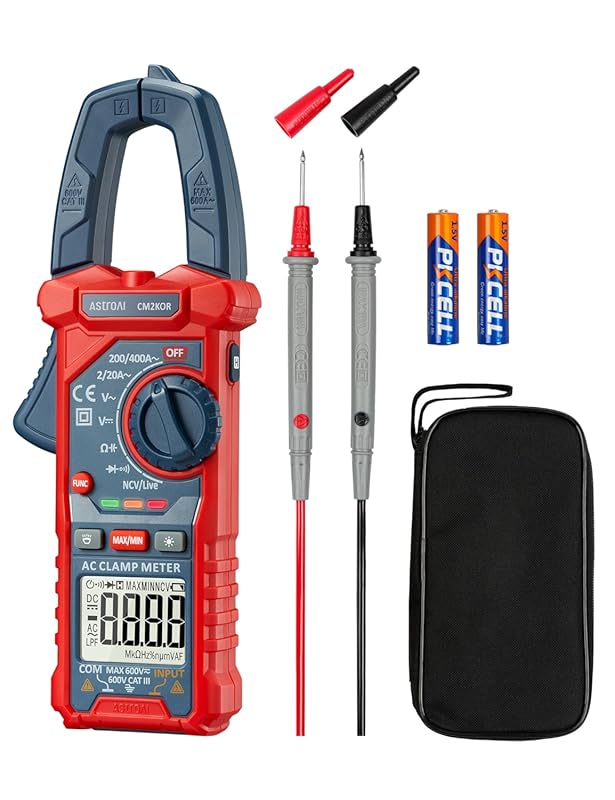
This compact clamp meter is a handy little tool for quick tests and tight spaces. It is especially useful when you need to move fast and do not want to carry a larger meter. For basic HVAC checks, it gets the job done without much fuss.
Key Features That Stand Out
- ✓ Measures AC/DC voltage and AC current
- ✓ Clamp design works well in tight spaces
- ✓ Supports resistance, diode, continuity, and live wire tests
- ✓ Data hold and max/min features add convenience
- ✓ Small size makes it easy to store and carry
Why We Recommend It
This is a good fit if you want something compact for quick troubleshooting. It is not the most advanced meter on the list, but it is practical and easy to use. I like it for fast checks when a larger tool feels like overkill.
Best For
Best for light HVAC work, small electrical jobs, and users who want a compact clamp meter.
Pros and Cons
Pros:
- Small and easy to carry
- Good for tight access areas
- Simple controls and useful basics
- Nice value for casual use
Cons:
- Does not test DC current
- Lower count display than some rivals
- Less suited to advanced professional use
Customer Reviews
Customer Review: “This thing did a great job and made the task very easy. It is a great tool.”
Customer Review: “Super impressed with my AstroAI Digital Clamp Meter! Quality and very simple to use!”
Complete Buying Guide for Best Hvac Multimeters For Accurate Measurements And Reliable Performance
Essential Factors We Consider
When choosing the best HVAC multimeters for accurate measurements and reliable performance, I look at more than just the spec sheet. The meter should be easy to read, safe to use, and accurate enough for real service work. Features like TRMS, auto-ranging, NCV detection, backlit screens, and clamp functionality can make your day a lot easier.
For HVAC work, current testing matters a lot. That is why clamp meters are so useful. They let you check current without opening the circuit in the same way a basic meter would. If you work around motors, compressors, or control boards, that convenience can save time and reduce mistakes.
Budget Planning
You do not need the most expensive meter to do good HVAC work. A solid budget meter can handle basic voltage, resistance, and continuity checks just fine. If you are just starting out, a more affordable model from AstroAI or Klein Tools can be a smart way to build confidence without spending too much.
If you are in the field every day, it may be worth paying more for TRMS, better safety ratings, or a stronger brand reputation. A tool like a Fluke or a more advanced Klein meter can cost more up front, but it may also last longer and give you more peace of mind. If you are also building out your setup, you might find our guide to the best inverter generator for 50 amp RV useful for backup power planning.
Final Thoughts
The right HVAC multimeter depends on how you work. If you want simple and dependable, a basic Klein or AstroAI meter is a good place to start. If you want more advanced readings and better field convenience, a clamp meter or TRMS model makes a lot of sense. For more home and vehicle electrical projects, you may also like our roundup of the best spark plugs for 6.0 Vortec and our guide to the best AGM deep cycle battery for RV.
Frequently Asked Questions
Q: What makes an HVAC multimeter different from a regular multimeter?
A: HVAC multimeters often include features that help with system troubleshooting, like clamp current measurement, NCV detection, temperature support, and TRMS. Those extras make them better suited for motors, controls, and live-system checks.
Q: Do I need TRMS for HVAC work?
A: TRMS is not required for every job, but it helps give more accurate readings on real-world AC signals. If you work on modern equipment often, it is a worthwhile feature.
Q: Is a clamp meter better than a regular multimeter for HVAC?
A: A clamp meter is often better for current testing because it is faster and safer to use on live wires. A regular multimeter is still useful for voltage, resistance, and continuity checks.
Q: Can beginners use these meters?
A: Yes. Models like the Klein MM325 and AstroAI budget meters are especially beginner-friendly. They keep the controls simple while still offering useful measurements.
Q: What safety feature should I look for first?
A: Look for a good safety rating, clear lead placement, and NCV support if possible. Those features help reduce risk when working around live circuits.
In the end, the best HVAC multimeters for accurate measurements and reliable performance are the ones that match your job, your budget, and your comfort level. If you want my quick take, start with the Klein MM325 for simplicity, the Klein CL120 for clamp convenience, or the Fluke 15B+ if you want a trusted pro-level tool. Pick the one that fits your daily work best, and you will be glad you did.