2 Best Electric Fuel Pumps for Carburetors On The Market: Expert Picks
Best Electric Fuel Pumps For Carburetors On The Market offer reliable fuel delivery for classic setups and high-performance builds alike. In this roundup, we compare two standout Holley options that balance flow, durability, and everyday usability. If you’re upgrading or rebuilding a carburetor-fed engine, these pumps are worth a close look. For broader context and related reads, you might also find our guides on quiet electric fuel pumps, external pumps, and racing pumps helpful as you decide what suits your ride best.
Quick Product Comparison
| Product | Image | Check Price |
|---|---|---|
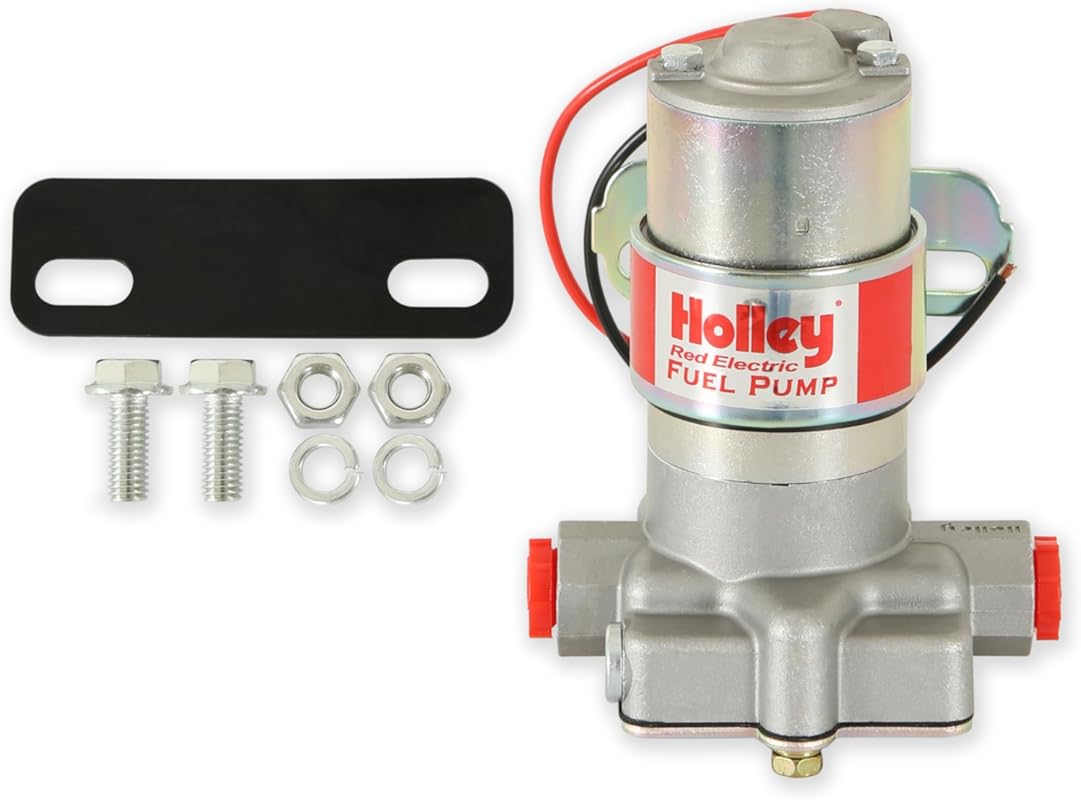
| 1. Holley 12-801-1 97 GPH RED Electric Fuel Pump |  |
Check Price |
| 2. Holley 12-802-1 110 GPH Blue Electric Fuel Pump | 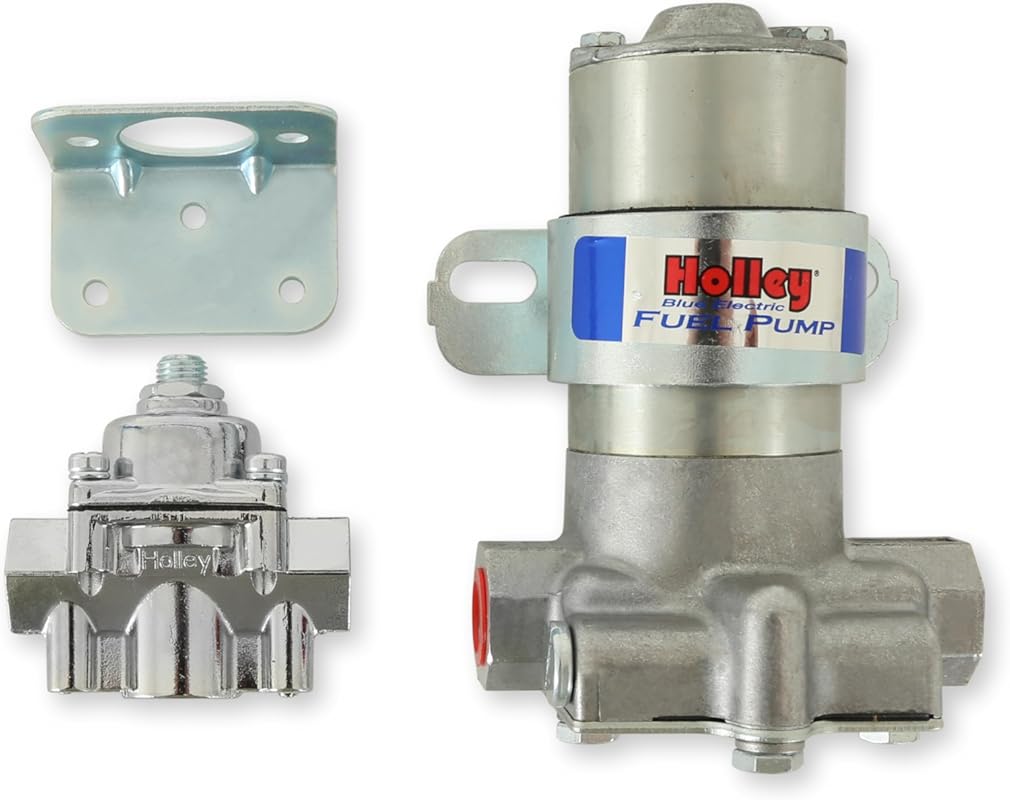 |
Check Price |
1. Holley 12-801-1 97 GPH RED Electric Fuel Pump for high performance engines
intro text here (2-3 sentences only)
Key Features That Stand Out
- ✓ High flow at 97 GPH designed for performance engines
- ✓ Durable billet-style finish and robust housing
- ✓ Low amperage draw keeps electrical system efficient
- ✓ Easy installation with standard EFI-compatible fittings
Why We Recommend It
recommendation text (2-3 sentences)
Best For
best for text (1-2 sentences)
Pros and Cons
Pros:
- ✓ Excellent durability and reliable performance
- ✓ Clear pressure characteristics for carburetor tuning
- ✓ Broad accessory compatibility
- ✓ Quiet operation in most installations
Cons:
- Higher price compared with some inline options
- Regulator kit may require separate purchase for certain setups
Customer Reviews
Customer Review: “This pump delivers steady pressure and starts reliably in my classic setup.” – Alex D.
Customer Review: “Solid build, a bit louder than expected, but overall a good value.” – Jordan P.
2. Holley 12-802-1 110 GPH Blue Electric Fuel Pump with Regulator for precise fuel delivery
intro text here (2-3 sentences only)
Key Features That Stand Out
- ✓ Precise fuel delivery with integrated regulator
- ✓ Efficient 3-amp draw for reduced electrical load
- ✓ Smooth operation and dependable startup
- ✓ Solid build quality with billet-inspired look
Why We Recommend It
recommendation text (2-3 sentences)
Best For
best for text (1-2 sentences)
Pros and Cons
Pros:
- ✓ Excellent control of fuel delivery
- ✓ Low current draw helps electrical systems
- ✓ Durable construction
- ✓ Consistent performance under load
Cons:
- Higher price than some simple inline options
- May require regulator compatibility checks for older carburetor setups
Customer Reviews
Customer Review: “Impressive regulator, keeps fuel pressure steady during spirited driving.” – Casey R.
Customer Review: “Build quality feels premium; installation was straightforward in my classic car.” – Riley K.
Complete Buying Guide for Best Electric Fuel Pumps For Carburetors On The Market
Essential Factors We Consider
When choosing an electric fuel pump for a carbureted setup, we look at flow rate, pressure range, amp draw, durability, ease of installation, and compatibility with carburetor kits. A pump that delivers steady pressure without surging helps keep your carburetor tuning predictable. We also weigh noise, temperature tolerance, and compatibility with external filters and regulators to ensure reliable performance in real-world conditions.
Budget Planning
Quality pumps like the Holley models shown here sit in a mid-to-premium range. If you’re building a high-performance street machine, investing a bit more upfront can pay off in reliability and consistent fuel delivery. For a budget build, consider pumps with solid manufacturer support and readily available regulator options, then pair them with a dependable filter and correct fuel line sizing.
Final Thoughts
For carburetor enthusiasts, a well-chosen electric pump can simplify tuning and improve daily driveability. The two options highlighted balance performance with durability, making them strong contenders for most carbureted engines. If you’re exploring more alternatives, check out our in-depth guides on quiet pumps, external pumps, and racing pumps to align your choice with your goals.
Frequently Asked Questions
Q: Do electric fuel pumps work with carburetors?
A: Yes. Electric pumps supply consistent pressure to the carburetor’s fuel bowl, helping maintain stable idle and throttle response when paired with the right regulator and fuel pressure settings.
Q: How do I choose the right PSI for a carburetor?
A: Carburetors typically prefer lower boost pressures, often around 4–7 psi for many classic setups. Always verify the carburetor’s recommended range and match it with a regulator for stable performance.
Q: Are there downsides to electric pumps for carburetors?
A: The main considerations are noise, heat, and the need for proper filtration to avoid fuel system contamination. A well-matched pump with a regulator, filter, and proper wiring minimizes these issues.
Q: Can I use an inline pump with a carburetor?
A: Yes, inline low-pressure pumps are common for carbureted systems. Ensure the pump’s pressure and flow meet the carburetor’s requirements and include a compatible regulator.
Q: Do I need a return line with an electric pump for a carburetor?
A: Not always. Some setups work fine with a dead-head regulator, but a return line can help regulate pressure more consistently in some engines and improve longevity of carburetor components.
Conclusion: When upgrading to electric fuel pumps for carburetors, prioritize reliability, compatibility with your carburetor and regulator, and long-term durability. The Holley 12-801-1 and 12-802-1 models highlighted here are strong options that balance performance and ease of use. Ready to upgrade? Check the price on Amazon and see which pump fits your build best. For more context on related pump options, explore our other guides linked in the intro and stay tuned for future roundups that break down quiet, external, and racing fuel pumps to help you optimize your carbureted setup.